Author: Sameed Chaudhary

Healthcare Content Writer | Medical & Medicine Information Writer

Quick Answer Screen addiction is compulsive, hard-to-control use of digital devices — phones, tablets, or gaming consoles — that starts interfering with sleep, relationships, schoolwork, or physical health. It’s not about the number of hours alone; it’s about loss of control and real-life consequences. If putting the phone down feels genuinely distressing, that’s the signal worth taking seriously. Walk into any chai dhaba in Lahore or sit at a dinner table in Karachi and you’ll notice the same thing: everyone is on their phone. Adults scroll through WhatsApp and TikTok; children are handed a tablet to keep them quiet; teenagers…

Read More

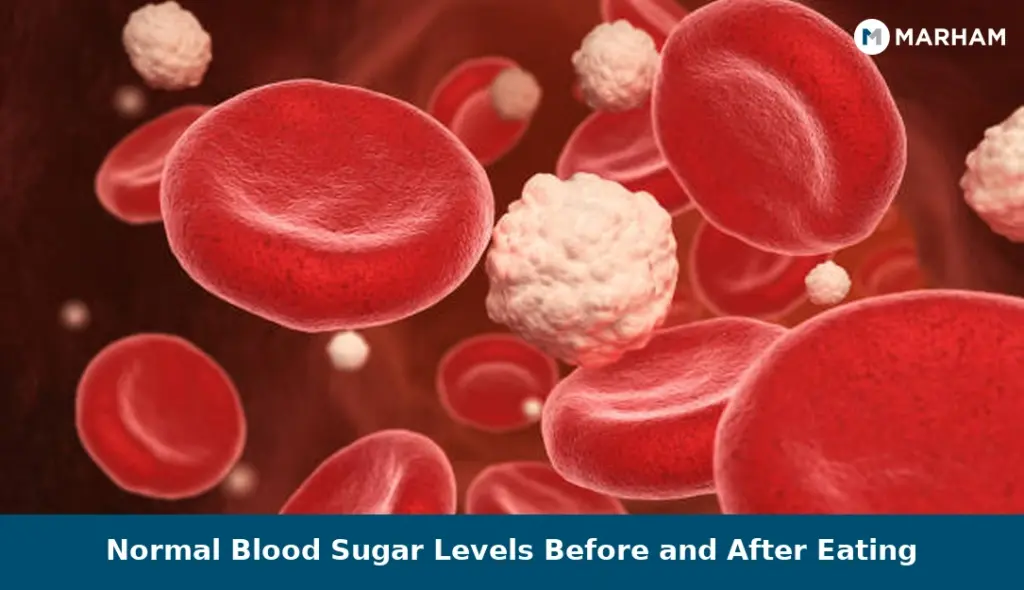
Blood sugar readings can feel confusing when you are staring at a glucometer for the first time. One number before breakfast, another two hours after lunch, and suddenly you are wondering whether what you are seeing is fine or a warning sign worth acting on. This matters more in Pakistan than in most countries. According to the International Diabetes Federation, Pakistan has one of the highest age-standardised diabetes prevalences in the world, with over 33 million adults living with diabetes as of recent IDF Diabetes Atlas estimates. Millions more are believed to be in the prediabetes range, many without any…

Read More

Quick Answer Yes, financial stress can cause real, measurable physical pain. When your brain perceives money worries as a threat, it releases cortisol and adrenaline, which tighten muscles, inflame tissues, and disrupt digestion. A study published in Stress & Health (University of Georgia, 2021) found that financial strain was directly associated with increased physical pain years later, even after accounting for existing illnesses. The body does not distinguish between a tiger and an unpaid electricity bill. Most people in Pakistan know what it feels like to sit with a rising utility bill, a grocery receipt that seems to double every…

Read More

Quick Answer A persistent cough is not always a chest infection. While bronchitis and pneumonia are common culprits, a cough lasting more than three weeks may also be caused by asthma, acid reflux, postnasal drip, tuberculosis, air pollution, or a blood pressure medication. In Pakistan, cough variant asthma and TB are among the most frequently missed diagnoses. A cough lasting eight weeks or more in an adult always warrants a proper medical evaluation. Most people in Pakistan reach for a cough syrup and assume a stubborn cough will clear up on its own. Sometimes it does. But when a cough…

Read More

Stress is quietly one of the most common health complaints among Pakistanis today. Whether it’s the pressure of a 12-hour workday in Karachi’s traffic, exam season in Lahore, or the financial weight many families carry, the mind rarely gets a genuine break. Meditation is one of the few tools that costs nothing, requires no equipment, and can be practiced anywhere — from a quiet corner of your home to a few minutes before Fajr. According to a Gallup and Gilani Pakistan survey, roughly 14% of Pakistanis frequently experience elevated stress in their daily lives, and mental health experts believe the…

Read More

Every June, doctors across Pakistan brace for the same wave. Hospital queues grow longer, paediatric wards fill up, and family WhatsApp groups light up with the same complaints: pait kharab, ulti, motions. Stomach infections are not just back this summer, they are spreading faster than they did last year, especially across Punjab and Karachi. If it feels worse this year, the reasons are uncomfortably simple, and most of them are sitting in your kitchen, your water tank, or your child’s school bag. In Urdu, a stomach infection is usually called پیٹ کا انفیکشن (Pait ka Infection), or معدے کی خرابی…

Read More

Most people in Pakistan are familiar with the idea that early mornings carry a kind of blessing. The Prophet Muhammad (peace be upon him) prayed, “O Allah, bless my nation in their early mornings” — and modern sleep science, it turns out, agrees with the spirit of that wisdom. Waking up before the rush of the day is one of the simplest habits with the widest-reaching effects on health. Pakistan has a late-night culture. In Lahore and Karachi especially, families eat dinner close to 10 PM, children stay up past midnight, and social media keeps people scrolling well into the…

Read More

Haldi is one of those spices that sits in every Pakistani kitchen without anyone giving it much thought. The bright yellow powder goes into daal, qorma, sabzi, and even a late-night glass of warm milk when someone has a sore throat. Most people know it works; fewer people know exactly why. According to the USDA, ground turmeric provides around 312 calories per 100 g, along with roughly 9.7 g of protein, 23 g of dietary fibre, and significant amounts of manganese and iron. In practice, a typical Pakistani household uses 1 to 2 teaspoons per dish, so the actual calorie…

Read More

Sweating is the body’s way of cooling itself down, and in Pakistan’s climate it’s a daily reality. But when sweat soaks through your kameez on a cool morning, drips from your palms during a routine conversation, or keeps you awake at night, something beyond normal heat regulation is happening. This kind of sweating has a medical name: hyperhidrosis. Dermatologists in Karachi and Lahore see it regularly, yet many Pakistani patients spend years assuming they’re just “naturally sweaty” without realising the condition is both diagnosable and manageable. According to the International Hyperhidrosis Society, primary hyperhidrosis affects roughly 1% to 3% of…

Read More

Posture meaning in Urdu comes up often in health conversations, physiotherapy notes, and school textbooks, yet most people have only a vague sense of what the word actually covers. In everyday Urdu, the closest equivalents are وضع (waza), طرز (tarz), اندازِ جسم, and کیفیت (kafiyat), each carrying a slightly different shade of meaning depending on context. For Pakistani readers, this matters more than it might seem. Whether you spend hours hunched over a desk in a Lahore office, sit cross-legged on the floor during family meals, or scroll through your phone while lying on a charpai, every position your body…

Read More