Author: Sameed Chaudhary

Healthcare Content Writer | Medical & Medicine Information Writer

That familiar heat rising from your upper abdomen after a plate of biryani or a cup of chai on an empty stomach is something most Pakistanis know well. It can hit within minutes of eating and linger for hours, making it hard to concentrate, sleep, or get through the day. Acidity and stomach burning are among the most common digestive complaints seen by gastroenterologists across Pakistan. Lifestyle habits common in Pakistani households — late dinners, large oily meals, chai multiple times a day, and high-stress routines — are well-recognised triggers. According to a review published in the Journal of the…

Read More

Watery eyes are one of the most common eye complaints seen by doctors in Pakistan, yet most people either ignore them or reach for the nearest eye drop without knowing why their eyes are tearing up. Sometimes the cause is as simple as dust from a Lahore road or smoke from a kitchen fire. Other times, persistent watering points to something that needs proper attention. Pakistan’s environment makes this problem particularly common. Urban air quality in Karachi and Lahore ranks among the worst in South Asia for particulate matter, according to the Pakistan Environmental Protection Agency. Seasonal pollen peaks in…

Read More

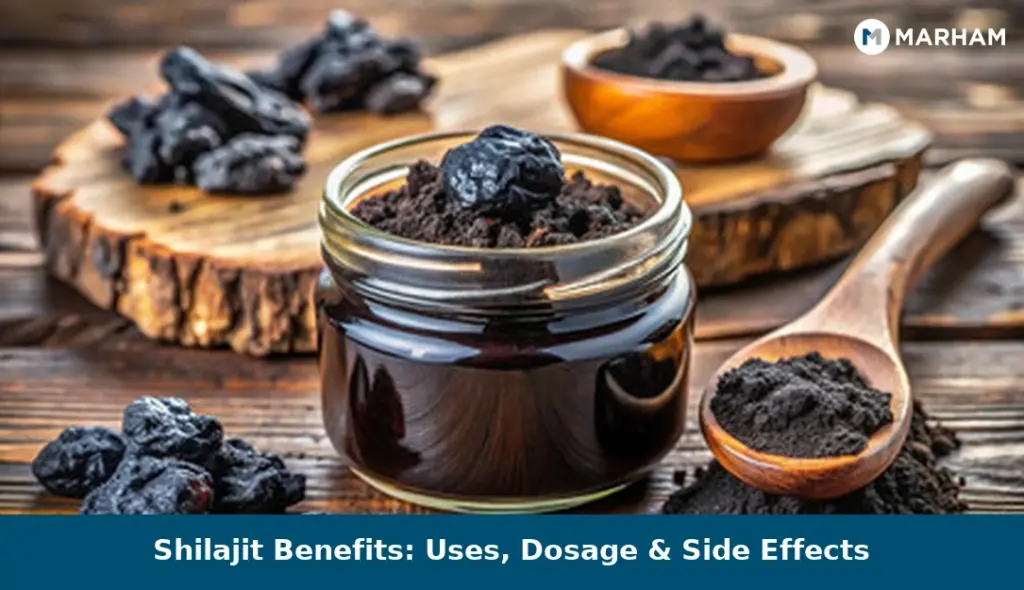
Shilajit, known locally as salajeet (شیلاجیت), is a dark, resinous substance that seeps from the high-altitude rocks of Gilgit Baltistan and the broader Himalayas. It has been used in traditional Unani and Ayurvedic medicine across South Asia for centuries, prized for its mineral density and adaptogenic properties. In Pakistan, it’s sold in markets from Lahore’s Anarkali to Islamabad’s Saturday Bazaar, and increasingly through online sellers claiming Hunza-sourced purity. Demand for salajeet has risen sharply in Pakistan over the past few years, driven largely by social media and YouTube wellness channels. The problem is that the market is flooded with adulterated…

Read More

After a long day of staring at a laptop in Lahore’s sweltering heat, or scrolling through a phone in a dimly lit room, your eyes can feel heavy, dry, and sore. That burning sensation behind the eyelids is not just discomfort — it is your eye muscles telling you they have been overworked. Most people in Pakistan dismiss it as normal tiredness and reach for another cup of chai. That rarely helps. Screen time in Pakistan has climbed sharply in recent years. A 2023 survey by the Pakistan Telecommunication Authority found that mobile internet usage now averages over five hours…

Read More

Push-ups are one of those exercises that almost every Pakistani man has attempted at some point, whether in a school PT class in Lahore, during army prep, or on a bedroom floor during a lockdown. No gym membership, no equipment, no cost. Just your body weight and a few feet of space. What makes them worth taking seriously is that the benefits go well beyond the arms and chest most people think about. South Asians, including Pakistanis, carry a disproportionately high risk of cardiovascular disease compared to Western populations, according to research published in the Lancet. A 10-year Harvard study…

Read More

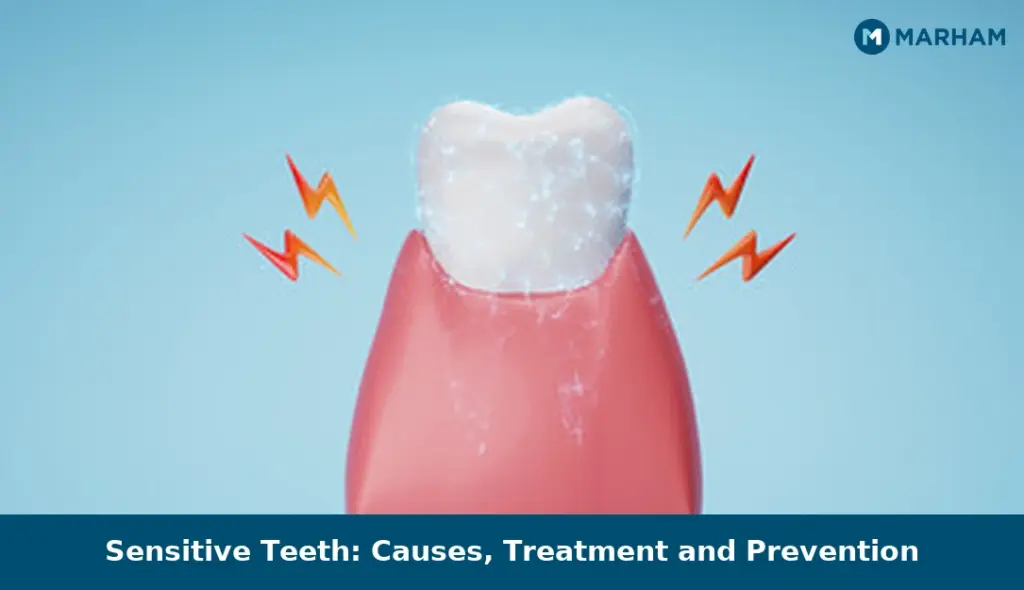
That sharp, shooting pain when you sip hot chai or bite into something cold is one of the most common dental complaints in Pakistan. Most people brush it off as normal, but tooth sensitivity is your teeth signalling that something needs attention. Dentists in Lahore and Karachi report that patients frequently describe the pain as a sudden “jhanjhanahat” (tingling jolt) that disappears within seconds. That brief duration is actually a key clue: it tells a dentist whether the problem is sensitivity or something more serious like a deep cavity or a cracked tooth. The good news is that most cases…

Read More

Bad breath is something most people in Pakistan have dealt with at some point, whether after a heavy biryani dinner, a long day of Roza, or simply waking up in the morning. It’s uncomfortable, and it can quietly affect how confident you feel around others. The medical term for persistent bad breath is halitosis. According to a review published in the Journal of Natural Science, Biology and Medicine, roughly 1 in 4 people worldwide experience bad breath regularly, and oral hygiene is the primary driver in the vast majority of cases. In Pakistan, where chai, paan, and heavily spiced food…

Read More

Batana oil has quietly become one of the most searched natural hair oils in Pakistan over the past two years. You’ll find it trending on TikTok, stocked by brands like ChiltanPure in Lahore and Karachi, and discussed in every desi beauty group online. The interest makes sense: Pakistanis have always trusted plant-based oils for hair, and this one comes with a striking origin story. In Urdu, batana oil is commonly written as باتانہ کا تیل and sometimes simply called باتانہ آئل. It is extracted from the nuts of the American oil palm tree (botanical name Elaeis oleifera), native to the…

Read More

Fatty liver disease has quietly become one of the most common liver conditions seen in Pakistani clinics. Gastroenterologists at major hospitals in Karachi and Lahore report it appearing in ultrasound reports with increasing regularity, even in patients who came in for something else entirely. Most people are surprised to learn they have it. A 2024 systematic review and meta-analysis published in Scientific Reports found that roughly 30% of the general Pakistani population has fatty liver disease, with that figure climbing to nearly 58% among Pakistanis with diabetes. Those numbers place Pakistan firmly in the high-burden category globally, where fatty liver…

Read More

Pudina is one of those herbs that sits in almost every Pakistani kitchen without getting the credit it deserves. You find it in green chutney, raita, sharbat, and the handful of fresh leaves that go into a glass of lemon water on a hot Lahore afternoon. Most people think of it as a flavouring. It’s considerably more than that. Across Pakistan, pudina has been used as a home remedy for upset stomachs, headaches, and blocked noses for generations. The science broadly agrees with this tradition, though with some important nuances worth knowing. According to the USDA, fresh mint leaves contain…

Read More