
Author: Huma Maqsood

Huma Maqsood is an experienced SEO content writer with a knack for turning complex topics into clear, approachable reads. She holds an MPhil in Biotechnology, which fuels her passion for writing on science-related and healthcare topics. With over five years of writing experience across various industries, she has developed a strong focus on healthcare through her ongoing work at Marham.pk. Her writing style is simple, thoughtful, and built to connect with both search engines and real people. You can reach her at humamaqsood931@gmail.com or connect on LinkedIn.

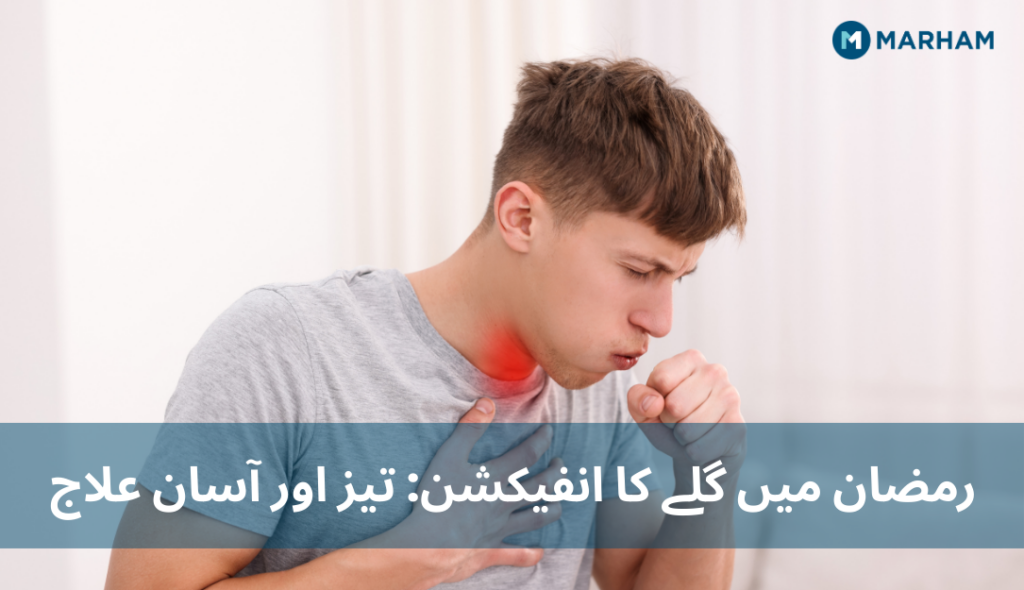
رمضان کا مہینہ عبادت اور روحانیت کا مہینہ ہے لیکن اس مبارک مہینے میں ایک تکلیف دہ مسئلہ بہت سے روزے داروں کو پریشان کرتا ہے، گلے کا انفیکشن۔ صبح اٹھیں تو گلے میں خراش، نگلنے میں تکلیف اور کھردرا پن محسوس ہو اور اوپر سے سارا دن روزے میں پانی بھی نہیں پی سکتے، یہ صورتحال واقعی بہت پریشان کن ہوتی ہے۔رمضان میں گلے کا انفیکشن اتنا عام کیوں ہو جاتا ہے؟ کیا روزے کی حالت میں یہ انفیکشن ٹھیک ہو سکتا ہے؟ کون سے گھریلو نسخے فوری کام کرتے ہیں اور کب ڈاکٹر سے ملنا ضروری ہو جاتا…

Read More

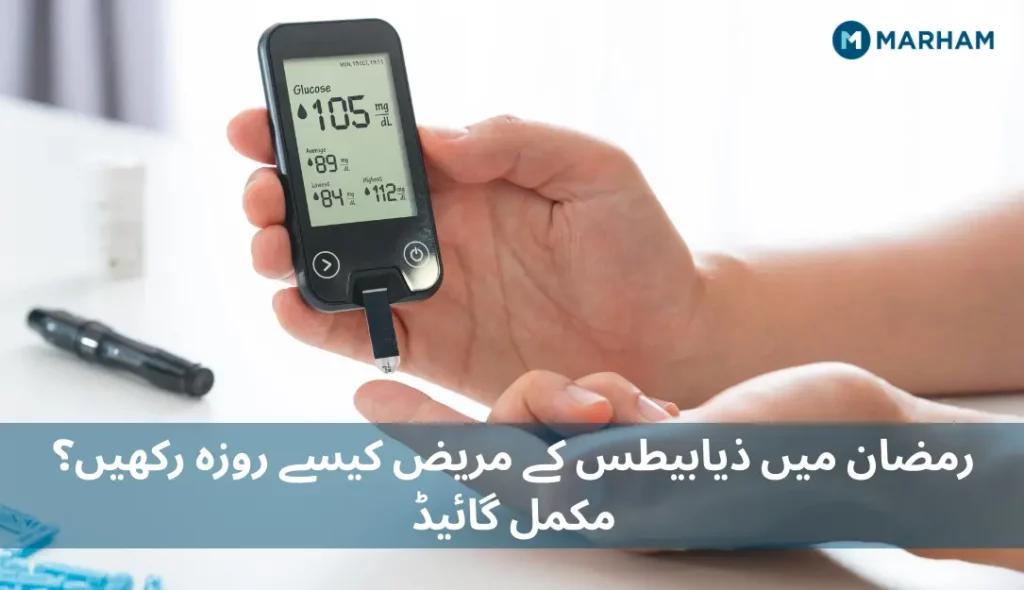
رمضان المبارک ہر مسلمان کے لیے خاص مہینہ ہے اور ہر کوئی روزہ رکھنا چاہتا ہے۔ لیکن جب بات رمضان میں ذیابیطس کے مریضوں کی آئے تو ذہن میں سب سے پہلا سوال آتا ہے، کیا شوگر کے مریض کو روزہ رکھنا چاہیے؟ پاکستان میں تقریباً 3 کروڑ 30 لاکھ افراد ذیابیطس کا شکار ہیں اور ان میں سے بیشتر رمضان میں روزہ رکھنا چاہتے ہیں۔ خوشخبری یہ ہے کہ بہت سے شوگر کے مریض ڈاکٹر کی مشاورت سے محفوظ طریقے سے روزہ رکھ سکتے ہیں، لیکن بغیر مشورے کے روزہ رکھنا خطرناک ہو سکتا ہے۔ اس بلاگ میں ہم…

Read More

رمضان آتا ہے تو ہر مسلمان خاتون کی خواہش ہوتی ہے کہ وہ روزے رکھے اور اس مقدس مہینے کی برکات سمیٹے۔ لیکن جب آپ حاملہ ہوں تو ذہن میں فکر مند سوالات آتے ہیں، “کیا حمل میں روزہ رکھنا محفوظ ہے؟ میرے بچے کو تو نقصان نہیں ہوگا؟ کیا میں اور میرا بچہ بھوکے رہنے سے کمزور تو نہیں ہو جائیں گے؟” سب سے پہلے یہ جان لیں کہ اسلام نے حاملہ خواتین کو روزے کی چھوٹ دی ہے۔ اگر ماں یا بچے کی صحت کو خطرہ ہو تو روزہ نہ رکھنا جائز ہے اور بعد میں فدیہ دیا…

Read More

رمضان المبارک میں سب سے زیادہ سنی جانے والی شکایت کیا ہے؟ “پیٹ میں گیس بھری ہوئی ہے، کچھ ہضم نہیں ہو رہا!” جی ہاں، روزے میں گیس اور بدہضمی ایک ایسا مسئلہ ہے جو تقریباً ہر دوسرے روزے دار کو پریشان کرتا ہے۔ افطار میں تلے ہوئے پکوڑے، سموسے، چاٹ اور ٹھنڈے مشروبات، سب کچھ ایک ساتھ کھا لینا اور پھر سینے میں جلن، کھٹے ڈکار اور پیٹ پھولنا شروع ہو جاتا ہے۔ سحری میں بھاری پراٹھے کھا کر سو جانا، نتیجہ پورا دن بے چینی اور متلی۔ اگر آپ بھی روزے میں گیس، تیزابیت، سینے کی جلن یا…

Read More

رمضان المبارک رحمتوں اور برکتوں کا مہینہ ہے، لیکن ہر سال لاکھوں لوگ اس مقدس مہینے میں ایک عام مگر تکلیف دہ مسئلے سے پریشان رہتے ہیں، قبض اور ہاضمے کی خرابی۔  کھانے پینے کے معمولات میں اچانک تبدیلی، پانی کم پینا، اور سحری و افطار میں بھاری کھانے کی وجہ سے پیٹ خراب ہونا رمضان کا سب سے عام مسئلہ بن جاتا ہے۔ اگر آپ بھی رمضان میں پیٹ پھولنا، گیس، تیزابیت، یا قبض جیسے مسائل کا شکار ہوتے ہیں تو یہ مکمل گائیڈ آپ کے لیے ہے۔ اس بلاگ میں ہم رمضان میں قبض کی وجوہات، گھریلو علاج،…

Read More

A menstrual cup is a small, bell-shaped cup made from medical-grade silicone. You insert it into your vagina during your period. Instead of absorbing blood like a pad or tampon, it collects it. You empty the cup, wash it, and reuse it. One cup can last up to 10 years with proper care. Menstrual cups have been around since the 1930s. However, women in Pakistan show high reliance on pads. A 2019 Lancet Public Health review of 43 studies and 3,300 women found that menstrual cups are safe and leak the same or less than pads and tampons. About 73%…

Read More

Fasting hours in Pakistan this Ramadan 2026 are between 12 and 13 hours. The month falls in February and March, so the weather is cooler. But dehydration is still the most common health problem during fasting. It usually happens because of poor drinking habits between iftar and suhoor, not because of the fast itself. A study in the European Journal of Clinical Nutrition found that the body loses only about 1% of its water weight by sunset during a normal fast in mild weather. The real issue is that most people do not drink enough water at night to make…

Read More

How to lower creatinine is a question many people ask when their lab reports show high levels. It’s natural to feel concerned and maybe even a little confused. Creatinine is a waste product your muscles produce when breaking down creatine for energy. Healthy kidneys filter this waste from your blood and remove it through urine. When creatinine builds up, it signals your kidneys may need attention. Before you panic or try quick fixes you find online, it’s important to understand what creatinine is and why it rises. According to nephrologists, the best approach combines treating underlying causes with sustainable lifestyle…

Read More

Wondering if you might be pregnant? Pregnancy test strips offer a quick, affordable, and private way to find out at home. These urine pregnancy test strips detect the pregnancy hormone hCG (human chorionic gonadotropin) in your urine and show results within minutes. Most at-home pregnancy test strips are about 99% accurate when used correctly. However, getting accurate pregnancy test strips results depends entirely on using them properly and at the right time. How Do Pregnancy Test Strips Work? Every pregnancy test strip contains antibodies that specifically bind to hCG, the hormone your body produces after a fertilized egg implants. According…

Read More

Basil seeds in Urdu are known as تخم ملنگا (Tukh Malanga) in Pakistan. You might also hear them called Sabja seeds, Tukmaria, or تخم ریحان (Tukhm-e-Rehan) depending on the region. Basil seeds come from the sweet basil plant (Ocimum basilicum) and have been part of South Asian traditional medicine and cooking for centuries. If you’ve ever had falooda, Rooh Afza sharbat, or any refreshing summer drink in Pakistan, you’ve probably seen these seeds floating in your glass. However, these seeds go far beyond adding texture to your drinks. Research shows they are packed with fiber, omega-3 fatty acids, and essential…

Read More