

Gym memberships in Lahore and Karachi can cost anywhere from Rs. 2,000 to Rs. 8,000 a month, and that’s before you factor in the commute through traffic. For a lot of people, that barrier alone is enough to shelve the idea of getting fit. A home workout without equipment removes every one of those excuses.
Pakistani homes are rarely short of floor space. A 6×6-foot area in a bedroom or on the terrace is genuinely all you need. The challenge isn’t space or money; it’s knowing exactly what to do and how to do it safely as a beginner.
This guide gives you a real six-exercise plan, a simple weekly schedule, and the practical details that most generic workout articles skip, including how to adapt your routine during Ramadan and what to eat afterward on a desi diet.
گھر میں ورزش: اہم باتیں
گھر میں بغیر کسی آلات کے ورزش کرنا نہ صرف ممکن ہے بلکہ شروعات کرنے والوں کے لیے یہ سب سے بہتر طریقہ ہے۔ جسمانی وزن کی مدد سے کی جانے والی ورزشیں جیسے پش اپس، اسکواٹس اور پلانک پٹھوں کو مضبوط بناتی ہیں اور دل کی صحت بہتر کرتی ہیں۔ عالمی ادارہ صحت کے مطابق ہر بالغ کو ہفتے میں کم از کم 150 منٹ معتدل ورزش کرنی چاہیے۔ پاکستان میں گرمی اور لوڈ شیڈنگ کو مدنظر رکھتے ہوئے صبح سویرے یا رات کے وقت ورزش کرنا زیادہ مناسب ہے۔ مستقل مزاجی کسی بھی مہنگے جم سے زیادہ اہم ہے۔
Why Home Workouts Without Equipment Actually Work
Bodyweight training, which means using your own body as the resistance, is a well-established method for building strength and improving fitness. A 2019 study published in the journal PeerJ found that calisthenics (bodyweight exercises) produced comparable improvements in muscle strength and body composition to traditional weight training over an 8-week period.
The WHO recommends at least 150 to 300 minutes of moderate aerobic activity per week for adults, along with muscle-strengthening activities on at least 2 days a week. A structured home workout without equipment can satisfy both requirements at zero cost.
For Pakistani women in particular, training at home solves a real privacy problem. Many women in cities like Rawalpindi and Faisalabad prefer not to exercise in mixed-gender public spaces. A home routine gives full flexibility without any compromise.
Key Benefits of a No-Equipment Home Workout
- Saves money: no gym fee, no commute cost
- Private: ideal for women who prefer exercising at home
- Flexible timing: train at Fajr, after Isha, or during a lunch break
- No equipment to buy or store in small apartments
- Builds real functional strength using compound movements
- Easier to stay consistent when the “gym” is your own room
The 6 Best Bodyweight Exercises for Beginners
These six exercises cover your chest, arms, core, legs, and cardiovascular fitness. Together they form a complete full-body routine. Start with the beginner rep counts and progress from there.
| Exercise | Muscles Targeted | Beginner Target | Progression |
|---|---|---|---|
| Push-ups | Chest, shoulders, triceps | 3 sets of 8 reps | Increase to 15 reps, then try decline push-ups |
| Bodyweight squats | Quads, glutes, hamstrings | 3 sets of 12 reps | Add a 3-second pause at the bottom |
| Lunges | Quads, glutes, balance | 3 sets of 8 per leg | Add a forward step, then try reverse lunges |
| Plank | Core, shoulders, back | 3 holds of 20 seconds | Build to 60 seconds, then try side plank |
| Glute bridge | Glutes, lower back, hamstrings | 3 sets of 12 reps | Try single-leg bridge for more challenge |
| Jumping jacks | Full body cardio | 3 sets of 30 seconds | Increase to 60 seconds or try high knees |
If full push-ups are too hard at first, start with your knees on the floor. That’s not a shortcut; it’s the correct way to build up safely.
How to Do a Home Workout Without Equipment: Step-by-Step Plan
Follow this structure every session. It takes 25 to 35 minutes total.
- Warm up for 5 minutes. March in place, do arm circles, and swing your legs forward and backward. In Karachi’s summer heat (May to August), do this near a fan or in the early morning before 7 a.m. to avoid overheating.
- Do the 6 exercises in circuit format. Complete all six exercises one after another with 20 seconds of rest between each. That’s one circuit. Rest for 60 to 90 seconds after the full circuit.
- Complete 2 to 3 circuits. Beginners should start with 2 circuits. Add a third after two to three weeks once the first two feel manageable.
- Use a dupatta or a thin dari (rug) as a mat. Most Pakistani homes don’t have a yoga mat, and that’s fine. A folded cotton dari on a hard floor works well for planks and glute bridges. A Rs. 200 foam mat from Sunday bazaar is an upgrade worth considering.
- Rest 48 hours before training the same muscle group again. You don’t build muscle during exercise; you build it during rest. Training every day without rest actually slows progress for beginners.
- Cool down for 5 minutes. Sit and reach for your toes (hamstring stretch), pull one arm across your chest (shoulder stretch), and hold each for 20 to 30 seconds. This reduces next-day soreness significantly.
- Track your reps in a notebook or phone note. The goal each session is to do at least one more rep than last time. This principle, called progressive overload, is what separates a workout that produces results from one that doesn’t.
Weekly Schedule for Beginners
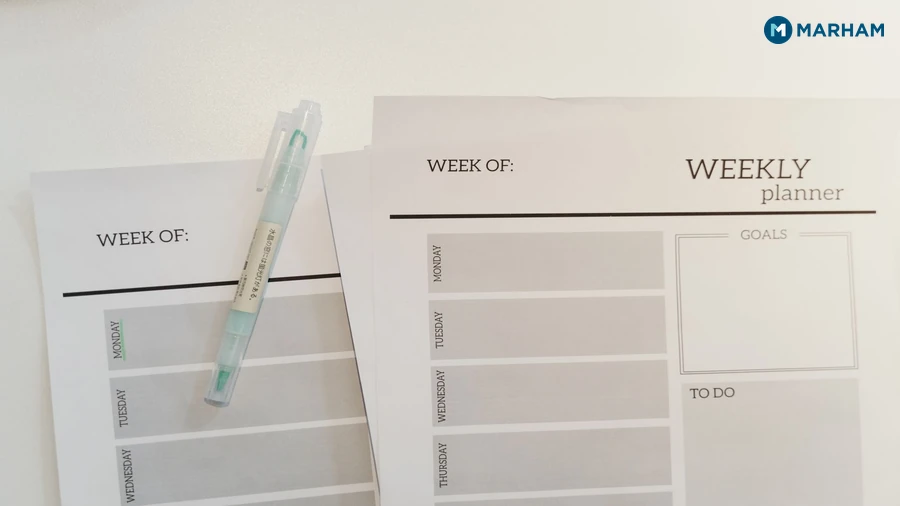
Train 3 to 4 days a week with rest or light walking in between. A simple pattern that works for most Pakistani routines:
- Saturday: Full-body circuit (all 6 exercises)
- Sunday: Rest or a 20-minute walk
- Monday: Full-body circuit
- Tuesday: Rest
- Wednesday: Full-body circuit
- Thursday: Rest or light stretching
- Friday: Optional light session or rest (especially during Juma prayers schedule)
During Ramadan, the best time to train is 60 to 90 minutes before Sehri or about 2 hours after Iftar once digestion has settled. Keep the session shorter: 2 circuits instead of 3, and reduce jumping exercises to avoid dehydration.
Home Workout for Weight Loss: What You Need to Know
Exercise supports weight management, but diet does the heavier lifting. Research consistently shows that nutrition accounts for 70 to 80 percent of fat loss outcomes. A home workout without equipment raises your daily calorie burn and builds muscle, which improves your metabolism over time, but it won’t overcome a high-calorie diet on its own.
For Pakistani readers, this means being mindful of portion sizes in meals like biryani, parathas, and chai with full-fat milk. The workout is the foundation; the kitchen is where most of the change happens. Consulting a nutritionist in Pakistan can help you build a realistic eating plan that works alongside your home routine.
HIIT (High-Intensity Interval Training), which means alternating short bursts of intense effort with brief rest periods, is particularly effective for calorie burn in a short time. Jumping jacks, burpees, and mountain climbers done in 30-second bursts with 15-second rest periods form a simple HIIT circuit you can add once you’ve built a base level of fitness.
Common Mistakes Beginners Make at Home
- Skipping the warm-up and jumping straight into squats or push-ups
- Training every day without rest, which leads to fatigue and injury
- Using poor form to rush through reps (slow reps with good form beat fast reps with bad form)
- Quitting after two weeks because visible results haven’t appeared yet
- Ignoring diet and expecting exercise alone to produce fat loss
Form matters more than volume. A push-up where your hips sag or your neck strains is not a push-up; it’s a setup for a shoulder or lower back problem. If you’re unsure whether your form is correct, a short video call with a fitness professional can save you months of frustration.
Who Should Be Careful with Home Workouts
Most healthy adults can start a beginner bodyweight routine safely. However, some people should consult a doctor first:

- Anyone with a known heart condition or high blood pressure
- People with joint pain in the knees or lower back
- Women who are pregnant or recently postpartum
- Anyone recovering from surgery or a recent injury
If you experience chest pain, dizziness, or sharp joint pain during exercise, stop immediately and seek medical advice. These are not normal workout sensations.
What to Eat After a Home Workout in Pakistan
Post-workout nutrition helps your muscles recover. You don’t need protein shakes. Affordable, protein-rich options available in every Pakistani kitchen include:
- Two boiled eggs with a slice of roti
- A bowl of daal (lentils) with rice
- A glass of lassi (plain, not sweet) with a banana
- Chana (chickpeas) with a small paratha
Aim to eat within 30 to 60 minutes after your session. Staying well-hydrated is especially important in summer months in cities like Multan and Hyderabad, where temperatures regularly cross 42°C.
Get Personalised Fitness and Diet Advice from Marham
Starting a home workout routine is straightforward, but knowing whether your plan suits your specific health situation is a different question. If you have a chronic condition, joint pain, or a weight management goal that isn’t responding to general advice, speaking to a professional makes a real difference.
Marham connects you with verified nutritionists in Pakistan who offer online consultations from anywhere in the country, so you don’t need to travel to a clinic in Lahore or Karachi to get proper dietary guidance. A 15 to 20-minute online session can help you figure out whether your current plan is right for your body, your diet, and your daily routine. If pain or a pre-existing condition is a concern, you can also speak to a general physician through the same platform.
Frequently Asked Questions
Can a home workout without equipment build muscle?
Yes, bodyweight exercises can build muscle, provided you apply progressive overload by gradually increasing reps, slowing your tempo, or moving to harder exercise variations. A 2019 study in PeerJ confirmed that calisthenics produced comparable strength and muscle gains to weight training over 8 weeks.
How long should a beginner home workout be?
A beginner session of 25 to 35 minutes is enough. This includes a 5-minute warm-up, 2 to 3 circuits of exercises, and a 5-minute cool-down. Consistency matters more than duration; a 25-minute session done 3 times a week beats a 60-minute session done once.
Can I do a home workout every day?
Not if you’re doing strength-based bodyweight training. Your muscles need 48 hours to recover after a session targeting the same muscle groups. Training 3 to 4 days a week with rest days in between is the recommended approach for beginners.
Is a home workout enough to lose weight?
Home workouts support weight loss by increasing calorie burn and building muscle, but diet plays a larger role. You’ll see better results when you combine regular exercise with mindful eating. Reducing high-calorie foods like fried snacks and sugary chai helps significantly.
What should I do if I feel knee or back pain during squats or lunges?
Stop the exercise and check your form first. Knees should track over your toes in a squat, and your back should stay straight. If pain continues after correcting your form, rest for a few days. Persistent pain that doesn’t improve deserves attention from a doctor before you continue training.
Conclusion
A home workout without equipment is one of the most practical fitness decisions a Pakistani beginner can make. Six exercises, a clear weekly schedule, and a commitment to progressive overload are enough to build real strength and improve your health over time. The barrier isn’t access to a gym; it’s getting started and staying consistent through the first four to six weeks until the habit takes hold.