


Many Pakistanis hear the word “urologist” from a GP’s referral slip and aren’t sure what it means or why they’ve been sent to one. The confusion is understandable: urology covers a wider range of conditions than most people expect, and the Urdu term for this specialty is rarely explained in plain language.
Pakistan sits in what researchers call the “Stone Belt” — a geographic band across South and West Asia where kidney stones are unusually common. According to a cross-sectional study published in PubMed (2024) from Hayatabad Medical Complex, Peshawar, kidney stone prevalence in Pakistan is reported at approximately 2.8%, with cases peaking in adults aged 31 to 45. That alone makes urology one of the most frequently needed specialties in the country.
This guide explains the Urdu meaning of urologist, what conditions fall under urology, how a urologist differs from a nephrologist, and the specific symptoms that mean you should book an appointment rather than wait.
What Is Urologist Meaning in Urdu?
A urologist (یورولوجسٹ) in Urdu is called ماہِر علم البول (Mahir-e-Ilm-ul-Bol), which translates literally as “expert in the science of urine.” Urology (علم البول, Ilm-ul-Bol) is the medical and surgical specialty that diagnoses and treats disorders of the urinary tract in both men and women, and disorders of the male reproductive system. A urologist is both a physician and a trained surgeon, meaning they can manage conditions with medication or perform procedures when needed.
What Does a Urologist Treat in Pakistan?
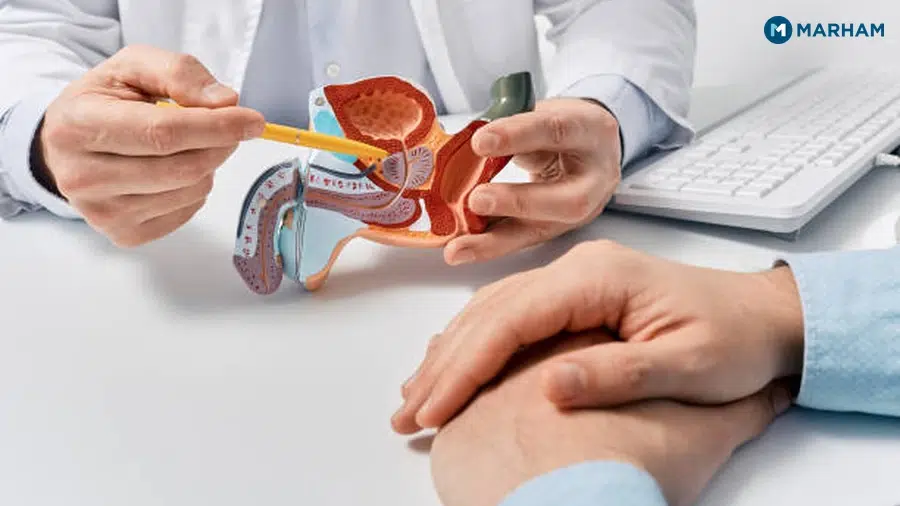
A urologist treats a broad range of conditions affecting the kidneys, ureters (the tubes connecting kidneys to the bladder), bladder, urethra, and — in men — the prostate and reproductive organs. Many Pakistani patients assume a urologist only handles kidney stones. In reality, the specialty covers far more.
Kidney Stones (گردے کی پتھری)
Kidney stones are the most common reason Pakistanis visit a urologist. Pakistan’s hot climate, high tea consumption, and relatively low daily water intake all contribute to stone formation. According to research published in PMC (2024), patients with insufficient water intake and those consuming more than one cup of tea daily showed a higher frequency of kidney stone disease in Pakistani study populations. Stones that are small may pass on their own with adequate hydration; larger stones may require minimally invasive procedures such as shockwave lithotripsy or laser surgery, both of which are available at centres like PKLI in Lahore and SIUT in Karachi.
Urinary Tract Infections (پیشاب کی نالی کا انفیکشن)
A urinary tract infection (UTI) occurs when bacteria enter the urethra and travel upward toward the bladder or kidneys. UTIs are common in Pakistani women, particularly during summer months when dehydration is frequent. Most straightforward UTIs are managed by a general physician. A urologist becomes necessary when infections are recurrent (three or more per year), when they involve the kidneys (pyelonephritis), or when they occur in men or children, where an underlying structural cause is more likely.
Enlarged Prostate (پروسٹیٹ کا بڑھنا)
Benign prostatic hyperplasia (BPH), a non-cancerous enlargement of the prostate gland, is one of the most common urological conditions in Pakistani men over 50. BPH causes urinary symptoms including a weak urine stream, difficulty starting urination, frequent nighttime urination (nocturia), and a feeling of incomplete bladder emptying. These symptoms are often dismissed as a normal part of ageing, but a urologist can assess severity and offer both medical and procedural options.
Bladder Problems
Urinary incontinence (پیشاب کا بے قابو ہونا) — the involuntary leakage of urine — affects both men and women and is significantly underreported in Pakistan due to social stigma. Overactive bladder, bladder pain syndrome (also called interstitial cystitis), and bladder stones also fall under a urologist’s scope of practice.
Male Reproductive Health
Urologists manage erectile dysfunction (مردانہ کمزوری), male infertility (مردانہ بانجھ پن), and conditions such as varicocele (enlarged veins in the scrotum that can affect sperm production). These are sensitive topics in Pakistani culture, and many men delay seeking help for years. A urologist is the appropriate specialist for these concerns.
Urological Cancers
Bladder cancer, kidney cancer, and prostate cancer all fall within urology. Early detection matters greatly for outcomes. A urologist performs the diagnostic workup — including cystoscopy (a camera examination of the bladder) and biopsies — and coordinates or performs surgical treatment.

Paediatric Urology
Children are not exempt from urological conditions. Undescended testes, bedwetting that persists beyond age 7, recurrent UTIs in children, and structural abnormalities of the urinary tract are all managed by urologists with paediatric training. PKLI Lahore, for example, offers dedicated paediatric urology services for children aged 1 to 13.
Urologist vs Nephrologist: Key Differences
This is one of the most common points of confusion for Pakistani patients. Both specialists deal with the kidneys, but their roles are distinct.
| Feature | Urologist (ماہِر علم البول) | Nephrologist (ماہِر امراض گردہ) |
|---|---|---|
| Primary focus | Urinary tract + male reproductive system | Kidney function and kidney disease |
| Performs surgery | Yes | No |
| Treats kidney stones | Yes (removal, procedures) | Yes (medical management, prevention) |
| Treats UTIs | Yes (complex/recurrent) | Rarely |
| Treats prostate problems | Yes | No |
| Treats chronic kidney disease (CKD) | No | Yes |
| Treats dialysis patients | No | Yes |
| Treats kidney cancer | Yes | No |
A simple way to remember it: if the problem involves a blockage, a stone, a structural issue, or a surgical need, you likely need a urologist. If the problem is about how well the kidneys are filtering blood — as in chronic kidney disease, diabetic nephropathy, or dialysis — you need a nephrologist. The two specialists often work together, particularly for patients with recurrent kidney stones where both stone removal and long-term kidney protection are needed.
For broader questions about which type of medical consultant to see, the guide on medical consultants in Pakistan explains how specialist referrals work in the Pakistani healthcare system.
When Should You See a Urologist in Pakistan?
Some symptoms warrant a prompt appointment; others are emergencies. Knowing the difference matters.
See a urologist soon (within a few days to a week) if you have:
- Blood in the urine (haematuria), even if it happens only once and without pain
- Burning or pain during urination that does not improve after a short course of antibiotics
- Recurrent UTIs (three or more in a year)
- A weak or interrupted urine stream, especially in men over 45
- Difficulty starting urination or a feeling that the bladder never fully empties
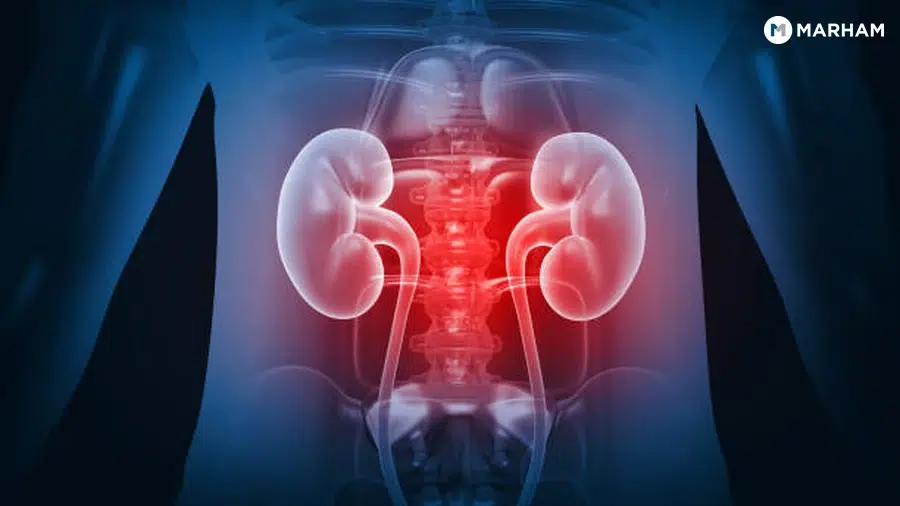
- Persistent lower back or flank pain that your GP suspects may be kidney-related
- A lump or swelling in the testicular area
Go to an emergency department immediately if you have:
- Severe, sudden flank or lower abdominal pain with vomiting (classic kidney stone colic)
- Complete inability to urinate (urinary retention)
- Blood in the urine with fever and chills (possible kidney infection)
- Sudden, severe testicular pain (possible testicular torsion, a surgical emergency)
One practical note for Pakistani patients: many people in Lahore, Karachi, and other cities first visit a general physician (GP) who then refers them to a urologist. That pathway is fine for non-urgent symptoms. For the emergency symptoms listed above, go directly to a hospital with a urology department rather than waiting for a GP appointment.
If you notice symptoms like burning feet or unusual nerve-related discomfort alongside urinary problems, it may be worth reading about burning feet causes and when to see a doctor, as diabetic neuropathy can sometimes coexist with urological complications in Pakistani patients with poorly controlled blood sugar.
What to Expect at Your First Urologist Appointment
Many Pakistani patients feel anxious about seeing a urologist, partly because the conditions involved are private. Knowing what to expect helps.
- Medical history review. The urologist will ask about your symptoms, how long they have been present, any previous urinary problems, and your family history. Be as specific as possible about when symptoms occur and how often.
- Physical examination. For men, this typically includes an abdominal examination and may include a prostate examination. For women, it may include a pelvic examination. These are standard clinical assessments.
- Urine test (urinalysis). A urine sample is almost always requested. It checks for blood, infection, and other markers. In Pakistan, a basic urinalysis costs roughly Rs 300 to Rs 600 at most diagnostic labs.
- Ultrasound or imaging. A kidney and bladder ultrasound is commonly ordered to look for stones, structural abnormalities, or prostate size. Ultrasound is widely available in Pakistani cities and typically costs Rs 1,500 to Rs 3,500.
- Blood tests. Creatinine and urea levels may be checked to assess kidney function, particularly if a stone or obstruction is suspected.
- Cystoscopy (if needed). For bladder-related concerns, the urologist may recommend a cystoscopy — a thin camera passed through the urethra to examine the bladder lining. This is not done at every first appointment; it is ordered when there is a specific clinical reason.
- Treatment plan. After assessment, the urologist will explain the diagnosis and options. Many urological conditions are managed with medication first; surgery is reserved for cases where conservative treatment has not worked or where the condition requires it.
Key Takeaways
- Urologist meaning in Urdu is ماہِر علم البول (Mahir-e-Ilm-ul-Bol), the specialist in urinary tract and male reproductive system disorders.
- A urologist treats kidney stones, UTIs, enlarged prostate (BPH), bladder problems, male infertility, erectile dysfunction, and urological cancers in both men and women.
- Pakistan lies in the “Stone Belt” region; kidney stone prevalence is approximately 2.8%, with cases most common in adults aged 31 to 45, according to a PMC-published study (2024) from Hayatabad Medical Complex, Peshawar.
- A urologist is a surgeon; a nephrologist is not. A urologist removes or manages stones and structural problems; a nephrologist manages chronic kidney disease and dialysis.
- Blood in the urine, recurrent UTIs, a weak urine stream in men over 45, and testicular swelling all warrant a urologist appointment rather than watchful waiting.
- Sudden severe flank pain, complete inability to urinate, or sudden testicular pain are emergencies requiring immediate hospital care.
Consult a Verified Urologist on Marham
Finding a qualified urologist in Pakistan can feel daunting, particularly outside Karachi and Lahore where specialist availability is uneven. Marham connects patients with verified urologists and specialist doctors in Pakistan across 155 cities, with online consultations available from Rs 500. All doctors listed on Marham are PMC-verified, so you can check credentials before booking.
For patients who are unsure whether their symptoms need a urologist or a different specialist, a free GP online consultation is a practical first step. A general physician can review your symptoms, order initial tests, and refer you to the right specialist — saving you time and an unnecessary out-of-pocket specialist fee if the problem turns out to be straightforward.
Frequently Asked Questions
Is a urologist only for men?
No. A urologist treats urinary tract conditions in both men and women. Women commonly see urologists for recurrent UTIs, urinary incontinence, bladder pain syndrome, and bladder or kidney cancer. Male reproductive conditions are an additional area that only applies to men.
What is the difference between a urologist and a nephrologist?
A urologist is a physician-surgeon who treats structural and surgical conditions of the urinary tract, including kidney stones, prostate problems, and bladder disorders. A nephrologist is a physician (non-surgeon) who manages chronic kidney disease, kidney failure, and dialysis. Both may be involved in complex kidney stone cases.
Can a urologist treat a UTI?
Yes, but most simple UTIs are first managed by a GP. A urologist is typically involved when UTIs are recurrent, involve the kidneys, occur in men or children, or do not respond to standard antibiotic treatment.
When should I see a urologist urgently?
Seek urgent care if you have blood in the urine, complete inability to urinate, sudden severe flank pain with vomiting, fever with urinary symptoms, or sudden testicular pain. These symptoms can indicate serious conditions that need prompt evaluation.
What does a urologist do on the first visit in Pakistan?
On a first visit, a urologist typically takes a detailed history, performs a physical examination, requests a urine test and possibly an ultrasound, and may order blood tests to check kidney function. A treatment plan is discussed after the initial assessment.
Is urology treatment expensive in Pakistan?
Costs vary by condition and city. A basic urinalysis costs roughly Rs 300 to Rs 600; a kidney ultrasound typically costs Rs 1,500 to Rs 3,500. Specialist consultation fees in private practice generally range from Rs 1,500 to Rs 4,000 in major cities. Online consultations through platforms like Marham start from Rs 500.
Can children see a urologist?
Yes. Paediatric urology is a recognised subspecialty. Children with recurrent UTIs, bedwetting beyond age 7, undescended testes, or structural urinary tract abnormalities are referred to urologists with paediatric training.
Urologist Meaning in Urdu
یورولوجسٹ کو اردو میں ماہِر علم البول کہتے ہیں، یعنی وہ ڈاکٹر جو پیشاب کی نالی اور مردانہ تولیدی نظام کے امراض کا علاج کرتا ہے۔ پاکستان میں گردے کی پتھری، پیشاب کی نالی کا انفیکشن، پروسٹیٹ کا بڑھنا، اور مثانے کے مسائل سب سے عام وجوہات ہیں جن کی وجہ سے مریض یورولوجسٹ کے پاس جاتے ہیں۔ اگر آپ کو پیشاب میں خون آئے، بار بار انفیکشن ہو، یا پیشاب کرنے میں دشواری ہو تو فوری طور پر کسی ماہر ڈاکٹر سے رجوع کریں۔ مرہم کے ذریعے آپ پاکستان کے 155 شہروں میں پی ایم سی سے تصدیق شدہ یورولوجسٹ سے آن لائن مشورہ کر سکتے ہیں۔
Conclusion
A urologist (ماہِر علم البول) is a specialist most Pakistanis will need at some point in their lives, whether for a kidney stone, a persistent urinary infection, a prostate concern, or a bladder problem. The specialty covers both men and women, and it spans medical management as well as surgery. Knowing the difference between a urologist and a nephrologist, recognising which symptoms need prompt attention, and understanding what a first appointment involves can make the process far less intimidating. If you’re unsure where to start, a GP review or an online consultation is a reasonable first step before committing to a specialist visit.