



Tap water in most Pakistani cities is not safe to drink straight from the pipe. In Karachi, Lahore, and Rawalpindi, municipal supply regularly carries bacteria, suspended sediment, and in some areas, elevated arsenic levels from bore water. Boiling helps, but it does not solve every problem. Knowing which purification method matches your actual water problem is what protects your family.
According to the WHO, the World Health Organization has ranked Pakistan 23rd in terms of childhood mortality caused by diarrheal illness, with almost 6.4 million cases of pediatric diarrhea annually — most of them linked to contaminated drinking water. That number puts the stakes in plain terms. You can read more about waterborne diseases common in Karachi and the symptoms they cause.
The good news is that safe drinking water at home does not require expensive equipment in every case. The right method depends on what is actually in your water.
گھر میں پانی صاف کرنے کے طریقے
پاکستان میں پینے کا صاف پانی ایک اہم مسئلہ ہے۔ ابالنا سب سے آسان اور سستا طریقہ ہے جو بیکٹیریا اور وائرس کو ختم کرتا ہے، لیکن یہ بھاری دھاتوں یا کیمیکلز کو نہیں ہٹاتا۔ آر او فلٹر اعلیٰ ٹی ڈی ایس والے پانی کے لیے بہترین ہے، جبکہ یو وی پیوریفائر جراثیم کو مارتا ہے۔ کلورین کی گولیاں ہنگامی حالات میں کام آتی ہیں۔ اپنے علاقے کے پانی کی نوعیت کے مطابق طریقہ منتخب کریں اور باقاعدگی سے فلٹر کی صفائی کریں۔
What Is Actually in Pakistani Tap Water?
Pakistani tap water typically carries three categories of contaminants, and each needs a different fix. Biological contaminants include bacteria such as E. coli, typhoid-causing Salmonella typhi, and various parasites — these are the main drivers of gastroenteritis and typhoid in Pakistan. Chemical contaminants include chlorine residue, pesticide runoff, and in parts of Punjab and Sindh, arsenic from groundwater. Physical contaminants are sediment, rust from old pipes, and turbidity.
Bore water in cities like Lahore and Multan tends to have high TDS (total dissolved solids — the measure of dissolved minerals and salts), sometimes above 1,000 mg/L. The WHO recommends drinking water TDS below 600 mg/L. Municipal supply in Karachi is generally lower in TDS but higher in biological risk after rain, when sewage lines cross water mains.
Knowing your water type tells you which method to prioritise.
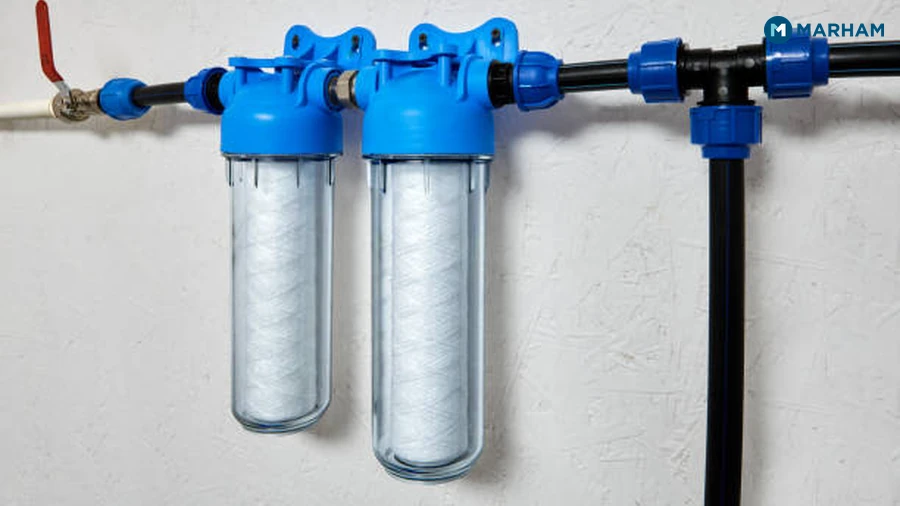
6 Methods to Purify Water at Home
1. Boiling
Boiling is the oldest and most accessible method. Boiling is the best way to kill germs in water. If the water is cloudy, first filter it through a clean cloth, paper towel, or coffee filter. Bring clear water to a rolling boil for 1 minute (at elevations above 6,500 feet, boil for 3 minutes).
What most Pakistani households miss: boiling kills biological threats but does nothing for dissolved arsenic, lead, fluoride, or pesticides. If your area has high-TDS bore water or known heavy metal contamination, boiling alone is not enough. Use it as a first step, not the only step.
2. RO (Reverse Osmosis) Filtration
An RO filter forces water through a semi-permeable membrane that blocks dissolved salts, heavy metals, bacteria, and viruses. RO is ideal for high TDS and heavy metals, UV is for killing bacteria and viruses, and UF is for filtering sediments and microbes from low-TDS water.
For bore water users in Lahore, Multan, or Faisalabad — where TDS regularly exceeds 800 mg/L — an RO system is the most practical long-term solution. A basic 5-stage domestic RO unit costs between PKR 8,000 and PKR 18,000 in local markets. RO filters need their filters replaced every 6 to 12 months and the membrane every 2 years. Skipping maintenance is the most common mistake Pakistani households make with RO systems.
One honest limitation: RO also removes beneficial minerals like calcium and magnesium. If your family relies entirely on RO water, consider a mineraliser cartridge or ensure mineral intake through food.
3. UV (Ultraviolet) Purification
A UV purifier passes water through a chamber fitted with a UV lamp. The UV light damages the DNA of bacteria and viruses, preventing them from reproducing. Portable units that deliver ultraviolet light can kill germs in small amounts of clear water. UV light does not work well in cloudy water because small particles can block germs from the light.
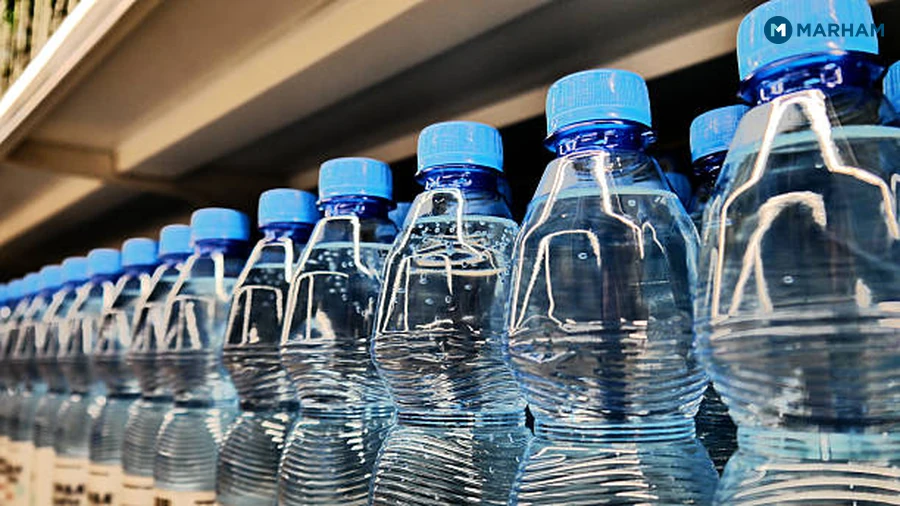
UV is a good choice for Karachi households where the main concern is biological contamination rather than high TDS. It does not reduce dissolved solids or heavy metals. Pre-filter turbid water before running it through a UV unit.
4. UF (Ultrafiltration)
UF systems use a hollow-fibre membrane to physically block bacteria, parasites, and suspended particles. UF works without electricity and is suitable for slightly contaminated water. This makes it a practical option for areas with frequent load-shedding — a reality in many Pakistani cities outside Islamabad. UF does not remove dissolved salts or viruses, so it works best when biological and sediment risk is moderate and TDS is already acceptable.
5. Chlorination
You can disinfect water using household bleach if you cannot boil water. Only use regular, unscented chlorine bleach products that are suitable for disinfection and sanitization as indicated on the label. Use the table below as a guide to decide the amount of bleach — for example, 8 drops of 6% bleach to each gallon of water. Stir and let stand for 30 minutes. The water should have a slight chlorine odour.
Chlorination is a practical emergency method — useful during floods in Sindh or after a pipe burst in any city. It is not a daily solution because long-term chlorine intake above safe levels carries its own health concerns, and chlorine does not remove heavy metals or sediment.
If you are pregnant, have thyroid problems, or have a hypersensitivity to iodine, avoid drinking water disinfected with iodine. Additionally, no one should drink water disinfected with iodine for more than a few weeks at a time.
6. Solar Disinfection (SODIS)
Solar disinfection (SODIS) combines simplicity with effectiveness. You put water into a translucent plastic bottle and let it absorb sunlight for 6 to 8 hours. Pakistan’s climate — particularly in Karachi, Hyderabad, and Multan where daily sun hours exceed 9 in summer — makes SODIS genuinely viable as a low-cost backup method. The WHO recommends SODIS for low-resource communities. It works only on clear water and does not remove chemical contaminants or dissolved solids.
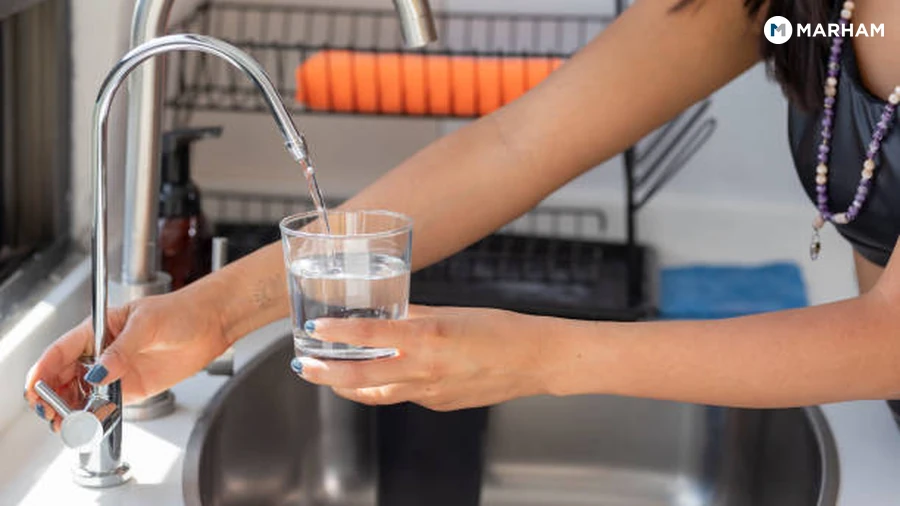
Comparison: Which Method Is Right for You?
| Method | Removes Bacteria/Viruses | Removes Heavy Metals/TDS | Needs Electricity | Approx. Cost (PKR) |
|---|---|---|---|---|
| Boiling | Yes | No | No (gas/stove) | Minimal |
| RO Filter | Yes | Yes | Yes | 8,000 to 18,000 |
| UV Purifier | Yes | No | Yes | 6,000 to 14,000 |
| UF System | Partial (no viruses) | No | No | 4,000 to 10,000 |
| Chlorination | Yes | No | No | Very low |
| SODIS | Yes | No | No (sunlight) | Free |
How to Purify Water at Home: Step-by-Step for Daily Use
This sequence works for most urban Pakistani households using municipal or bore supply.
- Pre-filter for turbidity. Pour water through a clean muslin cloth or a sediment pre-filter canister (available at hardware stores in Lahore’s Brandreth Road or Karachi’s Saddar market for PKR 300 to 600). This removes visible sediment and rust that would otherwise clog your main filter.
- Test your TDS. A basic TDS meter costs PKR 500 to 800 online. If your reading is above 600 mg/L, an RO system is the right next step. Below 300 mg/L with no known chemical risk, UV or UF may be enough.
- Run water through your main purifier. For high-TDS bore water: RO. For low-TDS municipal supply with biological risk: UV or UF. For emergencies: boiling or chlorination.
- Store in a covered, food-grade container. A stainless steel or hard-plastic food-grade matka (clay pot) or sealed jerry can works well. Avoid storing purified water in open buckets, which recontaminate within hours in warm Pakistani kitchens.
- Replace filters on schedule. Mark the date on your RO or UF unit when you install a new cartridge. Most Pakistani households skip this and wonder why their purified water still tastes off after a year.
- Boil as a final step when in doubt. During monsoon season in Karachi and Lahore, when pipe contamination risk spikes, boiling RO-filtered water for 1 minute adds a biological safety net at zero extra cost.
When Should You See a Doctor?
If anyone in your household develops persistent diarrhoea, vomiting, fever, or jaundice after drinking tap water, these may be signs of a waterborne illness such as typhoid, hepatitis A, or acute gastroenteritis. Children under five and elderly family members are most vulnerable. Do not wait more than 24 to 48 hours before seeking medical advice, as dehydration from diarrhoea can become serious quickly. Consulting a general physician in Pakistan early can help identify the cause and prevent complications.
For families with a household member who has kidney disease, the mineral content of drinking water matters too. High-TDS water and low-TDS RO water both have implications for patients managing kidney disease — a doctor or dietitian can advise on the right water quality for their specific condition.
Get Expert Health Advice from Marham
Sometimes water-related illness is not obvious at first. A child with recurring stomach aches, a family member with unexplained fatigue, or repeated bouts of loose motions in the household can all point to a chronic water quality problem that has gone unnoticed for months.
Marham connects you with verified nutritionists in Pakistan and general physicians who can assess whether your family’s symptoms may be linked to water quality, and advise on the right purification approach for your home’s specific water type. An online consultation typically takes 15 to 20 minutes and can save a family from months of recurring illness.
Frequently Asked Questions
Does boiling water purify it completely?
Boiling kills bacteria, viruses, and most parasites effectively. It does not remove dissolved heavy metals, arsenic, fluoride, or chemical contaminants. For complete purification of Pakistani bore water with high TDS, combine boiling with an RO or activated carbon filter.
What is the best method to purify water at home in Pakistan?
For bore water with high TDS, an RO filter is the most effective option. For low-TDS municipal supply, a UV purifier handles biological contamination well. Boiling remains the best emergency backup when no filter is available.
How do you purify water without a filter or purifier?
Boiling is the most reliable no-equipment method. Bring water to a rolling boil for 1 minute, let it cool, and store it covered. For emergencies, unscented household bleach (2 drops per litre) or SODIS in a clear plastic bottle under direct sunlight for 6 hours are recognised alternatives per WHO guidelines.
Is RO water safe to drink every day?
Yes, RO water is safe for daily drinking. The concern some people raise is that RO removes beneficial minerals along with contaminants. For most people eating a balanced diet, this is not a practical problem. Patients with specific kidney or metabolic conditions should check with their doctor.
What diseases can contaminated water cause in Pakistan?
Contaminated drinking water in Pakistan is associated with typhoid fever, hepatitis A, acute gastroenteritis, cholera during outbreaks, and chronic arsenic exposure in areas with affected groundwater. Children under five are at the highest risk of serious illness from waterborne pathogens.
How often should I change my RO filter?
Most RO pre-filters and post-filters need replacing every 6 to 12 months. The RO membrane itself typically lasts 2 years with regular maintenance. In cities with heavily contaminated supply like Karachi, filters may need changing closer to the 6-month mark.
Can I use a clay pot (matka) to purify water?
A clay matka cools water and may reduce some sediment through its porous surface, but it does not kill bacteria or remove dissolved contaminants. It is a storage and cooling vessel, not a purifier. Always use purified water when filling a matka.
Conclusion
Purifying water at home in Pakistan is not a single-method problem. Boiling handles biological risk reliably and costs almost nothing. An RO filter solves high-TDS bore water and heavy metal concerns for the long term. UV and UF systems sit in between, useful where electricity is stable and TDS is not the main issue. The step that most households skip — matching the method to the actual water problem — is the one that makes the biggest difference. A PKR 500 TDS meter and one honest look at your water source can guide the right choice better than any generic advice.