


Most Pakistani mornings start with chai and a paratha. It’s comforting, it’s fast, and it has been the default for generations. But if you’re trying to manage your weight, that combination, made with refined maida and generous desi ghee, can quietly work against you by spiking blood sugar and leaving you hungry again by 10 a.m.
The good news is that eating well at breakfast doesn’t mean giving up desi food. It means choosing smarter versions of what’s already in your kitchen. Lahore, Karachi, and Islamabad all have the same local markets stocked with eggs, dahi, oats, and seasonal fruit. The raw material for a genuinely healthy morning already exists.
The seven ideas below are built around foods a Pakistani household actually buys. Each one is practical enough for a busy weekday and satisfying enough that you won’t be raiding the biscuit tin before lunch.
صحت مند ناشتے کے خیالات
صحت مند ناشتہ وزن کم کرنے میں اہم کردار ادا کرتا ہے، خاص طور پر پاکستانی غذا میں جہاں پراٹھا اور چائے روایتی ناشتہ ہے۔ پروٹین اور فائبر سے بھرپور ناشتہ، جیسے انڈے، دہی، اور جَو کا دلیہ، دیر تک پیٹ بھرا رکھتا ہے اور دن بھر کی توانائی فراہم کرتا ہے۔ ناشتے میں چینی اور میدے کی مقدار کم رکھنا ضروری ہے کیونکہ یہ بلڈ شوگر تیزی سے بڑھاتے اور پھر گراتے ہیں جس سے بھوک جلد لگتی ہے۔ بہترین نتائج کے لیے کسی ماہرِ غذائیت سے مشورہ کریں جو آپ کی صحت اور وزن کے مطابق ناشتے کا منصوبہ بنا سکے۔
Why Breakfast Matters for Weight Loss
A well-composed breakfast sets your appetite hormones for the rest of the day. When you eat protein and fibre in the morning, your body releases satiety signals that reduce how much you eat at lunch and in the evening. Skipping breakfast or eating a high-sugar one, like sweet chai with biscuits, tends to cause a blood sugar spike followed by a crash, which drives mid-morning hunger and overeating later.
According to the American Heart Association, eating a breakfast that includes whole grains and lean protein is associated with better weight management and lower cardiovascular risk over time. For Pakistani adults managing weight, the practical translation is straightforward: build breakfast around protein and fibre, keep refined carbohydrates low, and make sure it’s filling enough to carry you through to lunch without snacking.

One thing many people in Pakistan get wrong is treating breakfast as optional. Skipping it entirely is not a neutral act. Your body has been fasting for 7 to 9 hours overnight, and starting the day without fuel tends to push people toward larger, less controlled meals later. If you’re on medication for diabetes or blood pressure, skipping breakfast can also affect how your body processes those medicines. Always check with your doctor if you’re unsure.
7 Healthy Breakfast Ideas for Weight Loss in Pakistan
These ideas are ranked loosely from simplest to slightly more involved. Each one takes under 15 minutes.
1. Egg Bhurji with Brown Bread
Two scrambled eggs cooked with chopped onion, tomato, green chilli, and a pinch of turmeric give you roughly 12 to 14 grams of protein. According to the USDA, two large eggs contain about 12.6 grams of protein and 10 grams of fat, with zero carbohydrates. Pair them with one or two slices of Dawn Brown Bread (available at most kiryana stores for around Rs 120 to 140 a loaf) instead of white bread for added fibre. This combination keeps you full for 3 to 4 hours. You can read more about eggs at sehri and their benefits in our dedicated guide.
2. Dahi with Fruit and a Handful of Almonds
Plain low-fat dahi (yogurt) with half a sliced banana or a few pieces of guava, topped with 10 to 12 raw almonds, is one of the most underrated breakfasts in Pakistan. Dahi provides protein and probiotics that support gut health. Almonds add healthy fats and slow digestion. Guava, widely available across Pakistan from October to February, is rich in vitamin C and dietary fibre. The whole bowl takes two minutes to assemble and costs under Rs 100.
3. Oats Porridge with Desi Touches
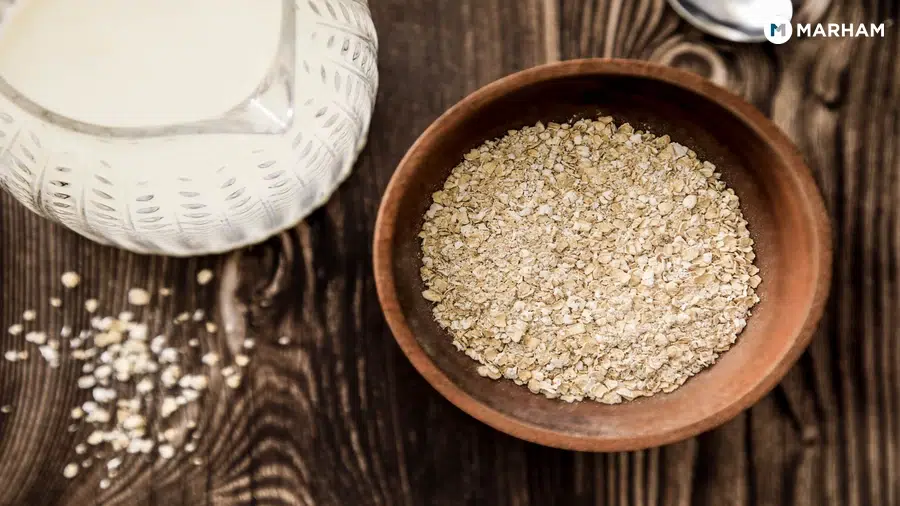
Rolled oats (Quaker Oats, widely available at Rs 350 to 450 per 500g pack) cooked in low-fat milk with a small amount of honey and a sprinkle of crushed walnuts make a genuinely filling breakfast. Oats contain beta-glucan, a soluble fibre that the American Heart Association recognises as beneficial for maintaining healthy cholesterol levels. For a Pakistani twist, add a pinch of elaichi (cardamom) or a few soaked kishmish (raisins) for natural sweetness instead of sugar. Avoid the flavoured instant sachets, which often contain added sugar.
4. Multigrain Paratha with Mint Dahi
If you can’t start the day without a paratha, make it work for you rather than against you. Use a mix of atta (whole wheat flour) and oat flour in a 2:1 ratio, cook it in a teaspoon of olive oil or just a light brush of desi ghee, and pair it with a small bowl of dahi blended with fresh pudina (mint) and a pinch of rock salt. This version has significantly more fibre than a standard maida paratha and the dahi adds protein. One medium paratha made this way has roughly 180 to 200 calories, compared to 280 to 350 for a ghee-heavy maida version.
5. Chana Chaat Breakfast Bowl
Boiled chickpeas (chana) tossed with diced cucumber, tomato, a squeeze of lemon, and a pinch of chaat masala is a high-protein, high-fibre option that most Pakistani households can make from tinned or pre-boiled chana kept in the fridge. A 100g serving of boiled chickpeas contains approximately 8.9 grams of protein and 7.6 grams of dietary fibre, according to the USDA. This is particularly useful for people managing blood sugar, as chickpeas have a low glycaemic index. It’s also a practical option for those who observe Ramadan and want a filling sehri that isn’t heavy.
6. Banana Smoothie with Milk and Chia Seeds
Blend one banana, a glass of low-fat milk, a teaspoon of chia seeds, and a small piece of ginger. Chia seeds are available at most grocery stores in Lahore and Karachi for around Rs 400 to 600 per 250g. They absorb liquid and expand in the stomach, which helps with satiety. This smoothie takes under three minutes and works well for people who have no appetite in the morning but still need fuel before a commute.
7. Vegetable Omelette with Leftover Roti
A two-egg omelette stuffed with spinach, capsicum, and onion, served with one leftover whole wheat roti from the night before, is a complete and balanced meal. The roti provides complex carbohydrates, the eggs provide protein, and the vegetables add micronutrients and bulk. This is a practical option for families in Karachi or Islamabad where rotis are typically made fresh each evening and there are always a few left over.
What to Avoid at Breakfast for Weight Loss
Several common Pakistani breakfast habits actively work against weight loss goals.
- Sweet chai with two or three biscuits adds 150 to 250 empty calories with almost no protein or fibre.
- Packaged juices labelled “natural” often contain as much sugar as a soft drink. Whole fruit is a better choice.
- Kheer or halwa puri, while delicious on a weekend, are high in refined carbohydrates and saturated fat. They’re fine occasionally, not daily.
- Skipping breakfast entirely and having a large lunch tends to increase overall calorie intake across the day.
| Breakfast Option | Approx. Calories | Protein | Fibre | Good for Weight Loss? |
|---|---|---|---|---|
| Egg bhurji + brown bread | 280 to 320 kcal | 16g | 3g | Yes |
| Dahi + fruit + almonds | 250 to 280 kcal | 12g | 4g | Yes |
| Oats porridge (milk) | 300 to 340 kcal | 10g | 5g | Yes |
| Multigrain paratha + dahi | 350 to 400 kcal | 14g | 5g | Moderate |
| Maida paratha + ghee | 420 to 500 kcal | 7g | 1g | No |
| Sweet chai + biscuits | 200 to 280 kcal | 2g | 0g | No |
Calorie estimates are approximate. Actual values depend on portion size and preparation method.
When to See a Nutritionist
Most people can improve their breakfast habits without professional help, but there are situations where a nutritionist in Pakistan can make a real difference. If you have type 2 diabetes, PCOS, a thyroid condition, or have been trying to lose weight for more than three months without meaningful progress, a registered nutritionist can build a plan tailored to your specific metabolic profile. General advice works for general situations. For a condition that affects how your body processes food, personalised guidance is worth it.
Nutritional needs also change with age, activity level, and pregnancy. A breakfast that works well for a 28-year-old office worker in Karachi may not be appropriate for a 50-year-old woman managing pre-diabetes in Multan. Getting the balance right is not always intuitive. For a broader look at daily habits that support long-term health, the healthy way of living guide on Marham covers practical lifestyle changes beyond just food.
Speak to a Nutritionist on Marham
Changing your breakfast is one of the simplest and most effective steps you can take for weight management. But if you’re dealing with a health condition, have specific weight goals, or just want a structured eating plan that fits your lifestyle and budget in Pakistan, a professional consultation removes the guesswork.
Marham connects you with verified nutritionists in Pakistan who consult online from anywhere in the country. A short online consultation typically takes 15 to 20 minutes and can give you a personalised breakfast and meal plan built around desi foods you already eat, without having to travel to a clinic or wait weeks for an appointment.
Frequently Asked Questions
What is the healthiest breakfast in Pakistan for weight loss?
Egg bhurji with brown bread or a bowl of dahi with fruit and almonds are among the best options. Both are high in protein and fibre, keep you full for hours, and use ingredients available at any local market in Pakistan.
Is paratha good for weight loss?
A standard maida paratha cooked in generous ghee is not ideal for weight loss because it’s high in refined carbohydrates and saturated fat. A multigrain paratha made with whole wheat and oat flour, cooked in minimal oil, can be part of a balanced breakfast in moderation.
Can I eat eggs every day for breakfast?
For most healthy adults, yes. Major health bodies including the American Heart Association do not set a strict daily limit for eggs in healthy individuals. If you have high cholesterol or cardiovascular disease, consult your doctor about how many eggs are appropriate for you.
What is a good breakfast for diabetics in Pakistan?
A breakfast low in refined carbohydrates and high in protein and fibre works best. Good options include a vegetable omelette with whole wheat roti, plain dahi with nuts, or oats porridge made with low-fat milk. Avoid sweet chai, white bread, and packaged cereals with added sugar.
Is skipping breakfast bad for weight loss?
Skipping breakfast can lead to overeating later in the day for many people, which may work against weight loss goals. It also affects blood sugar regulation. That said, individual responses vary, and some people manage well with intermittent fasting. If you’re on medication, always check with your doctor before skipping meals.
What is the best time to eat breakfast?
Eating within 1 to 2 hours of waking is generally recommended by nutritionists. This helps regulate appetite hormones and provides energy for the morning. Eating too late, past 10 a.m. for someone who wakes at 7, can disrupt hunger signals for the rest of the day.
What should I eat for breakfast if I have no time in the morning?
A banana smoothie with milk and chia seeds takes under three minutes. Alternatively, overnight oats prepared the evening before require no morning effort at all. Both are nutritious, filling, and practical for busy mornings in Pakistani cities.
Conclusion
A healthy breakfast for weight loss in Pakistan doesn’t require expensive ingredients or complicated recipes. Eggs, dahi, oats, whole wheat roti, chickpeas, and seasonal fruit are all available at local markets across the country and can be combined into satisfying morning meals in under 15 minutes. The key shift is moving away from refined carbohydrates and empty calories toward protein and fibre, which keep hunger in check and support steady energy through the morning. Small, consistent changes at breakfast tend to have a larger effect on overall eating patterns than any single dietary rule.