

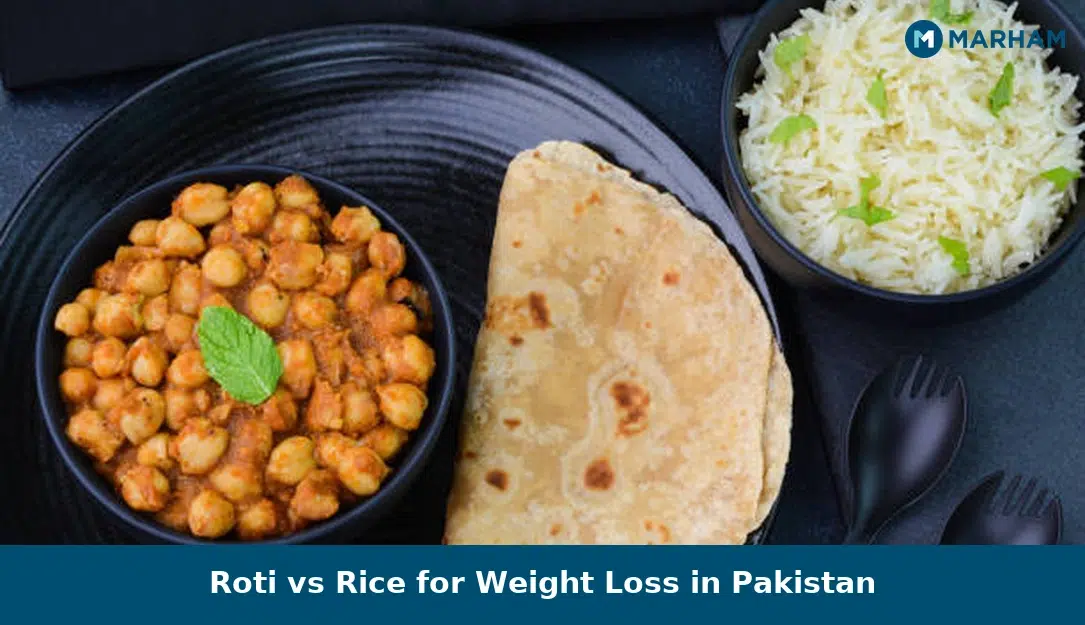

Roti and rice sit at the centre of almost every Pakistani meal. Whether it’s a plate of daal chawal after a long day or a few rotis with sabzi at dinner, these two carbs are non-negotiable for most families. So when someone decides to lose weight, the first question is almost always: which one do I keep?
The honest answer is that neither is the enemy. But they are not equal either, and the difference matters more in a Pakistani diet than most generic articles admit. The way we actually eat roti and rice here — the portion sizes, the ghee, the biryani on Sundays — changes the calculation significantly.
This guide breaks down the real nutritional differences, explains the glycemic index in plain terms, and gives you a practical Pakistani plate formula you can use from today.
Which Is Better for Weight Loss: Roti or Rice?
Roti vs rice for weight loss comes down to three factors: fiber content, glycemic index, and how easy each is to overeat. Whole wheat roti made from chakki-ground atta contains roughly 3g of fiber and 3g of protein per medium roti, while an equal calorie serving of white rice provides less than 0.5g of fiber and minimal protein, according to USDA nutrition data (2023). The fiber and protein in roti slow digestion, keep blood sugar steadier, and reduce hunger sooner — all of which support weight loss.
Roti vs Rice: Nutrition Comparison
Whole wheat roti edges ahead of white rice on nearly every nutrient that matters for weight management. The table below compares a typical serving of each — two medium whole wheat rotis (about 80g) versus one cup of cooked white rice (about 150g), both providing roughly 200 calories.
| Nutrient | 2 Whole Wheat Rotis (~80g) | 1 Cup White Rice (~150g cooked) |
|---|---|---|
| Calories | ~190 kcal | ~195 kcal |
| Carbohydrates | ~38g | ~44g |
| Protein | ~6g | ~4g |
| Fiber | ~5 to 6g | ~0.5g |
| Fat | ~1g | ~0.4g |
| Glycemic Index | ~55 to 62 | ~70 to 73 |
| Iron | Higher | Lower |
| Sodium | ~190mg | ~5mg |
Sources: USDA FoodData Central (2023); glycemic index values per the International Tables of Glycemic Index, University of Sydney (2021).
Calories are nearly identical. The real gap is fiber and glycemic index (GI), a measure of how quickly a food raises blood sugar. White rice has a GI of roughly 70 to 73, meaning it digests fast and causes a sharper blood sugar spike. Whole wheat roti sits at around 55 to 62. A lower GI means a gentler rise in blood glucose, less of an insulin surge, and a longer feeling of fullness.
The Pakistani Roti Problem Nobody Talks About
Here is the nuance most articles skip entirely: not all roti is equal, and in Pakistan this matters a great deal.
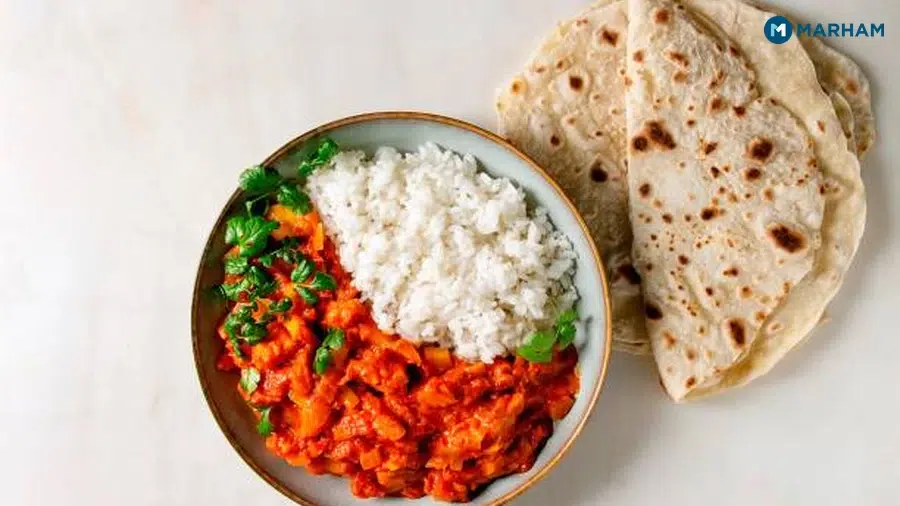
Many households, and almost every dhaba or restaurant, use maida (refined white flour) or a maida-heavy atta blend rather than pure whole wheat chakki atta. Maida roti has a GI close to white rice and almost no fiber. If you’re eating maida rotis thinking you’re making the healthier choice, you’re not getting the benefit.
The fix is simple. Look for atta labeled “whole wheat” or “chakki fresh” at your local kiryana store or supermarket. Brands like Sunridge, Bake Parlor, and Fauji Foods all sell whole wheat atta in Pakistan. A 5kg bag typically costs between Rs. 600 and Rs. 900. That one swap changes the nutritional profile of your roti entirely.
Similarly, adding a large spoonful of ghee to every roti adds roughly 45 calories per roti. Two rotis with ghee can easily reach 280 to 300 calories — more than a cup of plain rice. Ghee is not bad in small amounts, but it’s worth being aware of when weight loss is the goal.
Glycemic Index and Why It Matters for Pakistani Diets
The glycemic index is a ranking from 0 to 100 that measures how fast a food raises blood sugar. Foods above 70 are considered high GI; foods below 55 are low GI.
White rice, the kind served in biryani, pulao, and plain daal chawal, has a GI of around 70 to 73. This means it digests quickly, blood sugar rises fast, and hunger returns sooner. For someone trying to manage weight, that cycle of quick energy followed by a hunger rebound is a real obstacle.
Whole wheat roti, by contrast, sits at around 55 to 62. The fiber slows the breakdown of starch, glucose enters the bloodstream more gradually, and you stay full longer. For Pakistani patients managing type 2 diabetes alongside weight, this difference is especially relevant.
One practical tip that most people don’t know: cooling cooked rice and then reheating it increases its resistant starch content. Resistant starch behaves more like fiber in the body, slowing digestion and reducing the glycemic impact. Day-old rice used in a simple khichdi or reheated with a little zeera tadka has a meaningfully lower blood sugar effect than freshly cooked rice. This is a genuinely useful trick for Pakistani households where rice is unavoidable.
How to Build a Pakistani Weight Loss Plate
The single most useful thing you can do is fix your plate ratio, regardless of whether you choose roti or rice. Pakistani nutritionists commonly recommend this formula for weight management:
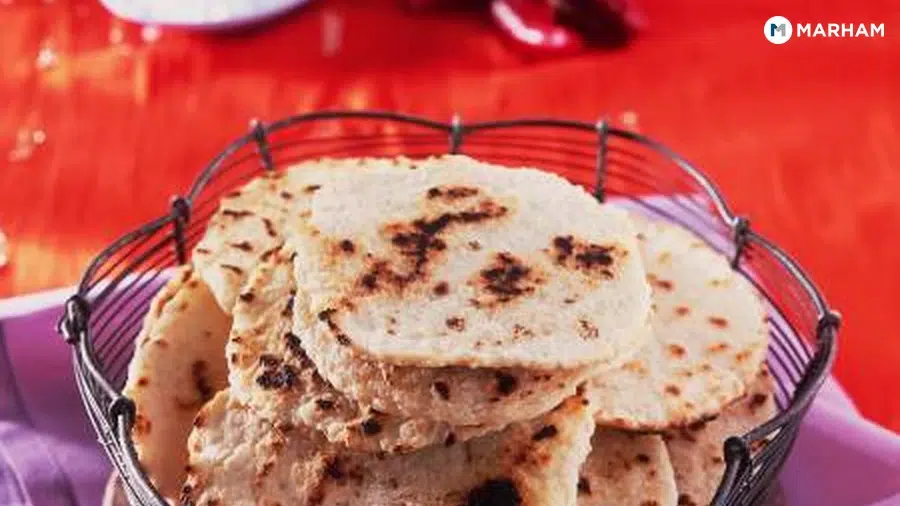
- Fill half your plate with sabzi or salad. Cooked vegetables, a simple kachumber salad, or a bowl of daal counts. This adds fiber and volume without many calories.
- Add a quarter plate of protein. Daal, chana, grilled chicken, or eggs. Protein is the most filling macronutrient and protects muscle while you lose fat.
- Keep the remaining quarter for your carb. That’s either 2 medium rotis or half a cup of cooked rice — not both, and not a heaped serving.
- Choose whole wheat atta for roti. Check the label. If it says maida or refined flour, it’s not the healthier option.
- If eating rice, try the cool-and-reheat method. Cook rice, let it cool completely (refrigerate for a few hours), then reheat before eating. This raises resistant starch and lowers the glycemic impact.
- Go easy on ghee and oil. One small teaspoon of ghee on a roti is fine. A large dollop on every roti adds up fast.
- Pair with a protein at every meal. A bowl of daal mash with roti is far better for weight loss than roti with achar alone.
This plate formula works whether you’re in Lahore eating roti with saag or in Karachi having daal chawal. The carb portion stays controlled; the rest of the plate does the heavy lifting.
Roti vs Rice in Urdu
روٹی اور چاول دونوں پاکستانی غذا کا لازمی حصہ ہیں، لیکن وزن کم کرنے کے لیے پوری گندم کی چکی آٹے سے بنی روٹی زیادہ فائدہ مند ہے کیونکہ اس میں فائبر زیادہ اور گلائسیمک انڈیکس کم ہوتا ہے۔ میدے کی روٹی سے پرہیز کریں کیونکہ اس کا اثر سفید چاول جیسا ہوتا ہے۔ اگر چاول کھانا ہو تو بھورے چاول استعمال کریں یا پکے ہوئے چاول ٹھنڈے کر کے دوبارہ گرم کریں تاکہ بلڈ شوگر پر اثر کم ہو۔ اپنی پلیٹ کا آدھا حصہ سبزیوں سے، ایک چوتھائی پروٹین سے اور باقی روٹی یا چاول سے بھریں۔
Rice for Weight Loss: When It Can Work
Rice is not automatically off the table. There are situations where it’s the more practical choice, and forcing yourself to eat roti when you genuinely dislike it is not a sustainable weight loss strategy.
Brown rice has a GI of around 50, lower than both white rice and whole wheat roti, and contains significantly more fiber and micronutrients than polished white rice. It’s available in most large supermarkets in Pakistan, including Imtiaz and Carrefour, typically priced between Rs. 250 and Rs. 400 per kg.
Rice is also the better option for people who need to limit sodium. Wheat contains roughly 190mg of sodium per 120g, while rice has almost none. For Pakistani patients managing hypertension alongside weight, a cardiologist in Pakistan may specifically recommend reducing wheat intake.
Rice is also gluten-free, making it the only option for anyone with celiac disease or gluten sensitivity.
When to See a Specialist
If you’ve been trying to manage your weight through diet changes for more than 4 to 6 weeks without results, or if you have an underlying condition like diabetes, thyroid disease, or PCOS, a general diet swap won’t be enough on its own. Consulting a nutritionist in Pakistan can help you build a meal plan that accounts for your specific health profile, activity level, and food preferences — rather than following generic advice that wasn’t designed for a Pakistani diet.
Key Takeaways
- Whole wheat roti has a glycemic index of roughly 55 to 62, compared to white rice at 70 to 73, according to the International Tables of Glycemic Index, University of Sydney (2021).
- Two medium whole wheat rotis and one cup of cooked white rice contain nearly the same calories (around 190 to 195 kcal), but roti provides 5 to 6g of fiber versus less than 0.5g in white rice, per USDA FoodData Central (2023).
- Many Pakistani households use maida or maida-blend atta, which has a GI close to white rice and almost no fiber — switching to pure whole wheat chakki atta is the single most impactful change.
- Cooling cooked rice and reheating it increases resistant starch, lowering its glycemic impact — a practical tip for Pakistani households where rice is a daily staple.
- Brown rice (GI around 50) is a better alternative to white rice and is available at major Pakistani supermarkets for Rs. 250 to 400 per kg.
- For weight loss, the plate ratio matters more than the roti-or-rice choice: half sabzi, quarter protein, quarter carb.
Get Personalised Diet Advice from Marham
Choosing between roti and rice is just one piece of a weight loss plan. For many Pakistani adults, the bigger challenges are portion sizes, late-night eating, and managing weight alongside conditions like diabetes or thyroid disease — none of which a single food swap can fix.
Marham connects you with verified nutritionists in Pakistan who understand desi diets and can build a meal plan around what you actually eat, not a generic Western template. You can also explore cardio vs weights for weight loss if you want to combine diet changes with the right exercise approach. A short online consultation typically takes 15 to 20 minutes and can give you a clear, personalised starting point.
Frequently Asked Questions
Is roti better than rice for weight loss?
Whole wheat roti is generally better for weight loss than white rice because it has more fiber, a lower glycemic index, and keeps you full longer. That said, the difference is small if you’re eating maida roti or large portions of either.
How many rotis per day for weight loss?
Two medium whole wheat rotis per meal, twice a day, is a reasonable starting point for most adults trying to lose weight. Pair each meal with a generous serving of vegetables and a protein source like daal or chicken.
Can I eat rice at night for weight loss?
Yes, but keep the portion small — about half a cup of cooked rice. Pair it with daal and sabzi rather than a heavy curry. Cooling and reheating the rice before eating also lowers its glycemic impact.
Is brown rice better than white rice for weight loss in Pakistan?
Brown rice has a lower glycemic index (around 50) and more fiber than white rice, making it a better choice for weight management. It’s available at most large supermarkets in Pakistan for Rs. 250 to 400 per kg.
Can I eat both roti and rice in the same day?
Yes. Many Pakistani nutritionists suggest having roti at one meal and a small portion of rice at another, rather than cutting either out completely. Total daily carbohydrate intake and portion size matter more than which grain you choose.
Is roti good for people with diabetes trying to lose weight?
Whole wheat roti is generally preferred over white rice for people managing diabetes, because its lower glycemic index causes a gentler rise in blood sugar. However, individual responses vary and a doctor or nutritionist should guide the meal plan.
When should I see a doctor about my weight?
If you’ve made consistent diet changes for 4 to 6 weeks without results, or if you have an underlying condition like diabetes, PCOS, or thyroid disease, it’s worth consulting a specialist. Unexplained or sudden weight loss without trying also warrants a medical check.
Conclusion
For most Pakistani adults trying to lose weight, whole wheat roti made from genuine chakki atta is the better daily choice over white rice. The fiber advantage is real, the glycemic index is meaningfully lower, and it’s harder to accidentally overeat. But the gap closes quickly if you’re using maida atta, adding heavy ghee, or eating oversized portions. Rice isn’t off limits — brown rice is a solid alternative, and the cool-and-reheat trick makes even white rice a more manageable option. What matters most is the overall plate: half vegetables, a good protein source, and a controlled carb portion, whether that’s roti or rice.