

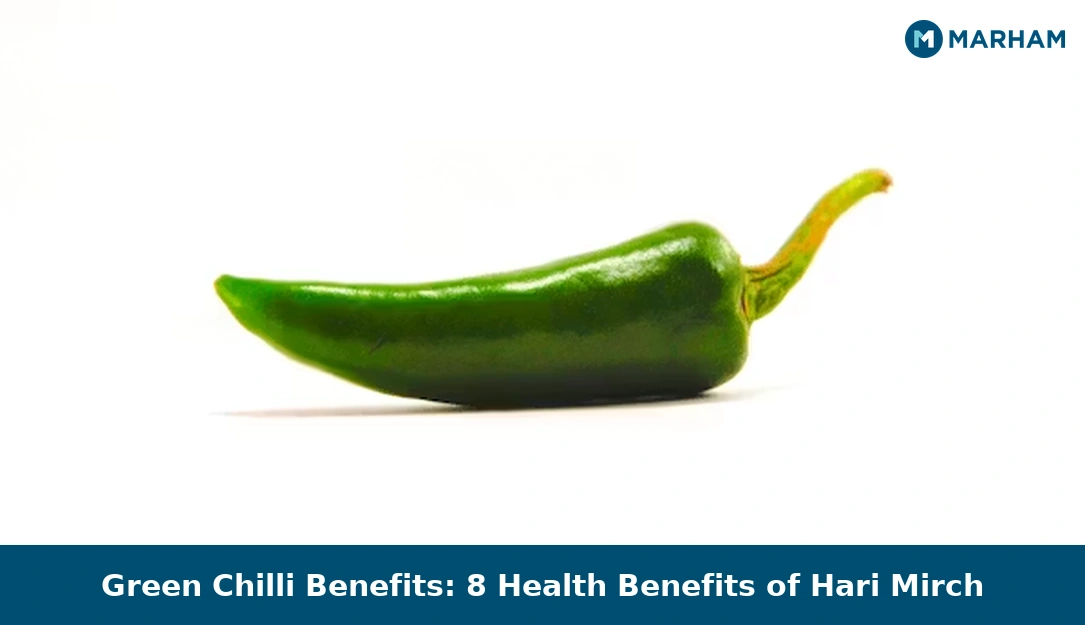

Green chilli benefits go far beyond adding heat to your food. Hari mirch is one of the most nutrient-dense ingredients in everyday Pakistani cooking, delivering over 100% of your daily vitamin C in just 100 grams. Whether eaten raw with dal-chawal or stirred into a tarka, it earns its place on the plate for health reasons, not just flavour.
ہری مرچ کے فوائد
ہری مرچ میں کیپسیسن نامی مرکب پایا جاتا ہے جو میٹابولزم کو تیز کرتا ہے اور جسم میں سوزش کو کم کرنے میں مدد دیتا ہے۔ اس کے علاوہ ہری مرچ وٹامن سی، وٹامن اے اور پوٹاشیم کا اچھا ذریعہ ہے جو قوتِ مدافعت، آنکھوں کی صحت اور دل کی حفاظت کے لیے مفید ہیں۔ روزانہ ایک سے دو ہری مرچیں کھانا زیادہ تر صحت مند افراد کے لیے محفوظ ہے، البتہ معدے کی تکلیف یا السر کے مریضوں کو احتیاط کرنی چاہیے۔ اگر آپ کو کوئی دائمی بیماری ہے تو غذائی تبدیلی سے پہلے ماہر غذائیت سے مشورہ ضرور کریں۔
Want personalised diet advice for your health condition?
A verified nutritionist on Marham can tell you exactly how hari mirch and other everyday Pakistani foods fit your specific health needs, from home, in 15 minutes.
Green Chilli Nutrition Per 100g
According to the USDA National Nutrient Database, 100 grams of raw green chilli provides the following:
| Nutrient | Amount per 100g |
|---|---|
| Calories | 40 kcal |
| Vitamin C | 109 mg (over 100% of daily needs) |
| Vitamin A | 530 IU |
| Potassium | 153 mg |
| Dietary Fibre | 1.5 g |
| Iron | 1.2 mg |
| Calcium | 14 mg |
| Fat | 0.2 g |
The standout number is vitamin C: 109 mg per 100g, which exceeds the daily recommended intake for most adults. For context, that’s more vitamin C per gram than a standard orange.
8 Green Chilli Benefits Backed by Research
1. Supports Immunity
Green chilli is one of the richest plant sources of vitamin C available in everyday Pakistani cooking. Vitamin C stimulates the production of white blood cells, the body’s first line of defence against infection. Eating hari mirch regularly with meals may help maintain immune function, particularly during winter months in cities like Lahore and Islamabad when respiratory infections are common.
2. May Help with Weight Management
Capsaicin, the compound that gives green chilli its heat, has a well-studied thermogenic effect. It raises the body’s core temperature slightly, which causes it to burn a few extra calories in the hours after eating. A review published in the journal Appetite (2014) found that capsaicin consumption was associated with modest reductions in calorie intake and increased fat oxidation. The effect isn’t dramatic, but for Pakistani diets already high in roti and rice, adding hari mirch to meals is a low-calorie way to support metabolism without changing the core meal.
3. Good for Heart Health
Capsaicin may help reduce LDL cholesterol (the type that clogs arteries) and support healthy blood circulation. Green chilli also contains potassium, which helps counterbalance the sodium in a typical Pakistani diet heavy in pickles, papadums, and salty curries. Potassium supports normal blood pressure by helping the kidneys excrete excess sodium. Consult a cardiologist in Pakistan if you have existing heart disease before making dietary changes.
4. Helps the Body Absorb Iron from Desi Food
This is the benefit most Pakistani readers won’t find in generic English-language blogs. The iron in roti, dal, and sabzi is non-haem iron, a form the body absorbs poorly on its own. Vitamin C dramatically improves non-haem iron absorption. Eating hari mirch alongside a plate of masoor dal or chana can meaningfully increase how much iron your body actually takes in from that meal. This matters especially for women of childbearing age in Pakistan, where iron-deficiency anaemia remains common according to Pakistan’s National Nutrition Survey.
5. Supports Blood Sugar Management
Green chilli has a low glycaemic index, meaning it doesn’t cause a spike in blood sugar on its own. Research published in the Journal of Nutritional Biochemistry (2017) found that capsaicin may improve insulin sensitivity and help the body manage glucose more efficiently. For Pakistani patients managing diabetes, adding hari mirch to meals is generally considered safe and may offer a modest benefit, though it is not a substitute for prescribed treatment or medical advice.
6. Aids Digestion
Capsaicin stimulates the secretion of gastric juices and digestive enzymes, which helps break down food more efficiently. It also has mild carminative properties, meaning it can help reduce gas and bloating. Many Pakistanis eat a raw green chilli alongside heavy meals like biryani or qorma, and this is actually a sensible habit: the chilli helps the digestive system cope with a rich, fatty meal. The caveat is quantity: one or two chillies support digestion, but excess can irritate the stomach lining.
7. Rich in Antioxidants for Skin Health
Green chilli contains both vitamin C and beta-carotene (a precursor to vitamin A), two antioxidants that protect skin cells from oxidative damage. Vitamin C also plays a direct role in collagen synthesis, which keeps skin firm. For Pakistani women dealing with sun exposure in Karachi’s intense summer heat, a diet that includes vitamin C-rich foods like hari mirch may offer some protective benefit alongside proper sun care. The green tea benefits for skin article on this site covers another useful antioxidant source worth pairing with hari mirch.
8. Natural Decongestant
Capsaicin is a natural decongestant. It triggers the nasal passages to open and temporarily clears congestion. During Karachi’s humid monsoon season or Lahore’s winter smog months, eating a spicy meal with green chilli can provide short-term relief from a blocked nose. This isn’t a treatment for sinusitis or respiratory infection, but it’s a well-known practical effect.
Green Chilli Side Effects and Who Should Be Careful
Green chilli is safe for most people in moderate amounts, but it’s worth knowing the limits.
- Stomach irritation: Capsaicin increases stomach acid production. People with gastritis, acid reflux, or peptic ulcers may experience worsening symptoms.
- IBS and sensitive gut: Those with irritable bowel syndrome often find that spicy food triggers flare-ups. Start with very small amounts.
- Skin irritation: Handling raw chillies without washing hands can transfer capsaicin to eyes or skin, causing a burning sensation.
- Pregnancy: Pregnant women should discuss spicy food intake with their doctor, particularly in the first trimester when nausea is common.
- Children: Green chilli is generally too spicy for young children and can cause stomach upset.
If you’re on blood-thinning medication, note that capsaicin has mild antiplatelet effects. Speak to your doctor before significantly increasing your intake.
How Much Green Chilli Per Day Is Safe?
1 to 2 medium green chillies per day is a reasonable amount for most healthy adults. Some people tolerate more without any issue, while others find even one chilli causes discomfort. Start low and adjust based on how your body responds. Eating them with food rather than on an empty stomach reduces the risk of irritation.
How to Add Hari Mirch to Your Daily Diet
- Eat one raw with dal-chawal. A single raw hari mirch alongside a plate of masoor or moong dal is the simplest way to get the iron-absorption benefit described above.
- Add to morning omelette. Chop half a green chilli into your anda (egg) with pyaz and tomato. The combination is a complete breakfast common in Pakistani households.
- Use in tarka. When making tarka for dal or sabzi, add a slit green chilli to the hot oil along with zeera. This releases capsaicin into the oil and distributes it evenly through the dish.
- Make hari chutney at home. Blend fresh hari mirch with dhania (coriander), lehsan (garlic), and a squeeze of lemon. This chutney, common at dhabas across Lahore and Karachi, delivers both the vitamin C and the digestive benefits in one condiment.
- Avoid frying at high heat for long. Prolonged high-heat cooking degrades vitamin C. Add green chilli toward the end of cooking to preserve more of its nutritional value.
When to See a Nutritionist or Doctor
Most people don’t need professional guidance to eat green chilli. But if you have a chronic condition like diabetes, hypertension, or a digestive disorder, it’s worth getting personalised dietary advice rather than applying general guidelines. A qualified nutritionist in Pakistan can tell you exactly how much spice is appropriate for your specific health situation and how to structure your meals for maximum benefit.
Speak to a Nutritionist on Marham
If you’re managing a health condition and want to know how hari mirch and other everyday Pakistani foods fit into your diet, a short consultation with a nutritionist can give you a clear, personalised answer. Many Pakistani patients are told vague things like “eat healthy” without any specific guidance on the foods they actually eat every day.
Marham connects you with verified nutritionists in Pakistan who consult online from anywhere in the country. A consultation typically takes 15 to 20 minutes and can give you a practical meal plan based on your local diet, health goals, and any existing conditions.
Frequently Asked Questions
Is green chilli good for weight loss?
Green chilli can support weight management as part of a balanced diet. Capsaicin has a mild thermogenic effect that may increase calorie burning, but it’s not a weight-loss treatment on its own.
Can we eat green chilli every day?
Yes, for most healthy adults, 1 to 2 green chillies daily is considered safe. People with acid reflux, gastritis, or peptic ulcers should limit intake or avoid it, as capsaicin can worsen those conditions.
What are the side effects of green chilli?
Excessive intake can cause stomach irritation, acid reflux, heartburn, and diarrhoea. Handling raw chillies can also irritate skin and eyes. People with sensitive stomachs should start with small amounts.
Is green chilli good for blood sugar?
Green chilli has a low glycaemic index and capsaicin may improve insulin sensitivity, according to research in the Journal of Nutritional Biochemistry (2017). It can be part of a diabetic-friendly diet, but it doesn’t replace prescribed diabetes management.
How many green chillies per day is safe?
1 to 2 medium chillies per day is a reasonable starting point for most adults. Tolerance varies, so adjust based on your own digestive comfort. Always eat them with food rather than on an empty stomach.
Is green chilli good for skin?
Yes. The vitamin C in green chilli supports collagen production and protects skin from oxidative damage. Regular dietary intake may contribute to healthier skin, though it works best alongside a balanced diet and sun protection.
Can green chilli cause acidity?
It can, particularly in people prone to acid reflux or gastritis. Capsaicin stimulates stomach acid secretion. If you notice heartburn or discomfort after eating spicy food, reduce your intake and consult a doctor if symptoms persist.
Conclusion
Hari mirch is more than a flavour ingredient. It’s a practical source of vitamin C, a metabolism supporter, and a useful addition to the iron-rich desi meals most Pakistanis already eat. The key is moderation: one to two chillies a day gives you the benefits without the stomach irritation. People with existing digestive conditions should be cautious, and anyone managing a chronic illness should get personalised advice before making dietary changes.
Green Chilli Benefits for Eye Health
Green chilli is a useful dietary source of vitamin A and beta-carotene, both of which support healthy vision. Vitamin A helps maintain the cornea, reduces the risk of night blindness, and supports the mucous membranes that protect the eye surface.
The antioxidants in hari mirch, including vitamin C and carotenoids, also help reduce oxidative stress in the eyes. This may lower the long-term risk of cataracts and age-related macular degeneration, conditions that become more common with age.
For Pakistani families where diets can be low in fresh fruit and vegetables, adding one or two green chillies to daily meals is a simple, low-cost way to contribute to eye nutrition. It is not a treatment for any eye condition, but it is a sensible dietary habit. If you notice changes in your vision, consult an eye specialist rather than relying on dietary adjustments alone.
Green Chilli and Mood: The Endorphin Connection
Eating spicy food triggers the release of endorphins, the body’s natural feel-good chemicals. Capsaicin activates heat receptors in the mouth, and the brain responds by releasing endorphins to counteract the sensation. The result is a mild but real mood lift after a spicy meal.
Vitamin C in green chilli also plays a supporting role. It is involved in the synthesis of neurotransmitters, including serotonin, which helps regulate mood and sleep. A diet consistently low in vitamin C has been associated with lower mood and fatigue in some studies.
This does not mean green chilli treats depression or anxiety. If you are experiencing persistent low mood, difficulty sleeping, or anxiety, speaking to a qualified doctor is the right step. Marham connects you with nutritionists in Pakistan who can advise on diet and overall wellbeing, and can refer you onward if needed.
Green Chilli vs Red Chilli: Which Is Healthier?
Green and red chillies are the same fruit at different stages of ripeness. Green chilli is harvested early and has a higher vitamin C content. Red chilli, which is the fully ripened version, contains more beta-carotene and lycopene because pigment develops as the fruit matures.
- Vitamin C: Green chilli wins. It contains significantly more vitamin C per gram than dried red chilli.
- Beta-carotene: Red chilli has more, as the carotenoid content increases with ripening.
- Capsaicin: Both contain capsaicin, though the heat level varies by variety, not just colour.
- Calories: Both are very low in calories. Fresh green chilli has around 40 kcal per 100g.
For most Pakistani diets, fresh green chilli is the better everyday choice because it is eaten raw or lightly cooked, preserving more of its vitamin C. Dried red chilli powder, used in most cooked dishes, loses much of its vitamin C during drying and high-heat cooking.
Anti-Inflammatory Properties of Green Chilli
Capsaicin, the active compound in green chilli, has well-documented anti-inflammatory properties. It works by inhibiting certain inflammatory pathways in the body, which may help reduce chronic low-grade inflammation over time.
This is relevant for Pakistani patients managing conditions like joint pain, arthritis, or metabolic disorders where inflammation plays a role. Eating hari mirch regularly as part of a balanced diet may contribute modestly to managing inflammation, though it is not a substitute for prescribed treatment.
Green chilli also contains flavonoids and other plant compounds that act as antioxidants, neutralising free radicals that contribute to cellular damage and inflammation. The combination of capsaicin and antioxidant vitamins makes it one of the more nutritionally active spices in the Pakistani kitchen.
If you have a chronic inflammatory condition and want to understand how diet fits into your management plan, a nutritionist in Pakistan can give you specific, personalised guidance.
Online nutrition consultation from Rs 500
Marham connects you with 16,000+ PMC-verified doctors across 155 cities. Get a practical meal plan based on your local diet, health goals, and any existing conditions, without leaving home.
Frequently Asked Questions
Is green chilli good for weight loss?
Green chilli supports weight management as part of a balanced diet. Capsaicin has a mild thermogenic effect that temporarily increases calorie burning and may reduce appetite, but it is not a standalone weight-loss treatment. Pair it with a calorie-appropriate diet for best results.
Can we eat green chilli every day?
Yes, 1 to 2 medium green chillies daily is safe for most healthy adults. People with acid reflux, gastritis, or peptic ulcers should limit intake, as capsaicin can worsen those conditions. Always eat chilli with food rather than on an empty stomach.
What are the side effects of eating too much green chilli?
Eating too much green chilli can cause stomach irritation, acid reflux, heartburn, and loose stools. Handling raw chillies without washing hands can transfer capsaicin to eyes and skin, causing a burning sensation. People with IBS or a sensitive gut should start with very small amounts.
Is green chilli good for blood sugar control?
Green chilli has a low glycaemic index and capsaicin may improve insulin sensitivity, making it a reasonable addition to a diabetic-friendly diet. It does not replace prescribed diabetes medication or medical advice. Patients managing diabetes should consult their doctor before making dietary changes.
Is hari mirch good for skin?
Yes, the vitamin C in hari mirch supports collagen production and protects skin cells from oxidative damage, which may contribute to healthier, firmer skin. It works best as part of a balanced diet that includes other antioxidant-rich foods, alongside proper sun protection, especially in Pakistan’s intense summer climate.
Does green chilli help with a blocked nose?
Yes, capsaicin is a natural decongestant that temporarily opens nasal passages and clears congestion. Eating a spicy meal with hari mirch can provide short-term relief from a blocked nose during Lahore’s winter smog season or Karachi’s humid monsoon months. It is not a treatment for sinusitis or respiratory infection.
Can green chilli cause acidity?
Green chilli can trigger acidity in people prone to acid reflux or gastritis, because capsaicin stimulates stomach acid production. Eating it with food rather than alone reduces the risk. If you notice regular heartburn or discomfort after spicy food, reduce your intake and speak to a doctor if symptoms persist.
Medically reviewed by Marham Medical Team. Updated July 2026.