

Quick Answer
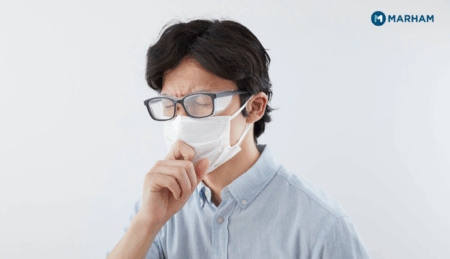
A cough caused by pneumonia tends to produce coloured mucus (yellow, green, or blood-tinged), comes with a high fever and chest pain, and does not improve after five to seven days. A regular cold or throat infection stays in the upper airways and usually clears within a week without causing breathlessness. If your cough is getting worse instead of better, that is the clearest signal to see a doctor.
Most coughs in Pakistan start the same way: a scratchy throat, a few days of runny nose, and a dry hack that wakes you at night. For the majority of people, that cough fades within a week. For some, it doesn’t. It deepens, turns productive, and starts pulling at the chest. That shift matters more than most people realise.
Pneumonia is a lung infection in which the tiny air sacs called alveoli fill with fluid or pus, making it hard to breathe and hard to clear the lungs. It is not simply a “bad cough.” According to a 2018 systematic analysis published in The Lancet Global Health, Pakistan is among the five countries that together account for nearly half of all global pneumonia deaths in children under five. A 2026 observational study in the Journal of Global Health placed Pakistan’s annual under-five pneumonia death toll at approximately 58,000, making early recognition a genuine public-health priority for Pakistani families.
The challenge is that pneumonia can start looking exactly like a cold or the flu. Understanding what separates a routine cough from a persistent cough that signals a chest infection can help you act before the illness becomes severe.
Warning Signs That Your Cough May Be Pneumonia
Pneumonia does not always announce itself dramatically. The clearest way to distinguish it from a simple upper respiratory infection is to look at the combination of symptoms rather than any single one. The American Lung Association notes that pneumonia symptoms can range from barely noticeable to severe enough to require hospitalisation, depending on the cause, your age, and your general health.
Watch for these signals:

- Coloured or bloody mucus — yellow, green, brown, or rust-tinged phlegm when you cough suggests infection in the lower airways, not just the throat.
- High fever (above 38.5°C) — a mild cold rarely pushes temperature this high; bacterial pneumonia in particular can cause sudden, sharp fever spikes with heavy sweating.
- Chest pain when you breathe or cough — pleuritic pain, a sharp ache that worsens with each breath, points to inflammation in or around the lungs.
- Shortness of breath at rest — feeling breathless while sitting still is not a cold symptom; it signals that your lungs are not exchanging oxygen properly.
- Cough that worsens after day five — a normal upper respiratory infection begins improving by day three to five; a cough that deepens or produces more phlegm after that window deserves medical attention.
- Rapid breathing or visible chest retractions in children — the WHO uses fast breathing (more than 50 breaths per minute in infants, more than 40 in children aged one to five) as a key field sign of pneumonia.
- Confusion or unusual drowsiness — in older adults, sudden confusion without an obvious cause can be the primary sign of pneumonia, even without a classic cough or high fever.
Pneumonia Cough vs Cold Cough: Key Differences
The cough itself carries useful information. A cold cough stays dry or produces clear, watery mucus and tends to sit in the throat. A pneumonia cough comes from deeper in the chest, sounds wet or rattling, and produces thicker, coloured phlegm. Viral pneumonia may start with a dry cough that gradually turns productive over several days, while bacterial pneumonia can produce coloured mucus almost from the start.
| Feature | Common Cold / Throat Infection | Pneumonia |
|---|---|---|
| Cough type | Dry or clear mucus | Wet, coloured or bloody mucus |
| Fever | Low-grade or absent in adults | High (often above 38.5°C), with chills |
| Chest pain | Absent | Sharp pain on breathing or coughing |
| Shortness of breath | Absent | Present, even at rest in severe cases |
| Where symptoms sit | Nose, throat, sinuses | Deep in the chest and lungs |
| Duration | Improves in 5 to 7 days | Worsens or plateaus beyond 7 days |
| Fatigue level | Mild tiredness | Extreme exhaustion, difficulty standing |
| Typical treatment | Rest and fluids | Antibiotics (bacterial) or supportive care (viral); doctor-guided |
Types of Pneumonia and Why They Feel Different
Not all pneumonia presents the same way, and knowing the type can explain why some people feel extremely unwell while others barely notice they are sick.
Bacterial pneumonia is the most common form in adults and tends to be the most severe. Symptoms can develop quickly, sometimes within hours. A high fever, productive cough with coloured phlegm, rapid breathing, and chest pain are typical. Streptococcus pneumoniae (pneumococcus) is the most frequent bacterial cause. Antibiotics are required; this type will not resolve on its own.
Viral pneumonia develops more gradually over several days. Early signs resemble the flu: dry cough, headache, muscle aches, and mild fever. The cough may stay dry for a day or two before turning productive. Influenza and respiratory syncytial virus (RSV) are common triggers. Most viral pneumonias are managed with rest, fluids, and fever control, though antivirals may be used in specific cases.
Atypical pneumonia (sometimes called walking pneumonia) is caused by organisms such as Mycoplasma pneumoniae. Symptoms are milder than typical pneumonia and can be mistaken for a prolonged cold. A persistent dry cough that worsens at night, low-grade fever, and fatigue that lasts weeks are the hallmarks. Many people with walking pneumonia continue their daily routine without realising they have a lung infection.

A research study conducted in low-income communities of Karachi, published in PubMed by the Aga Khan University Department of Paediatrics and Child Health, found that roughly one in four under-five deaths in those communities was attributable to clinical pneumonia. This underlines why even mild-seeming respiratory symptoms in young children in Pakistan deserve prompt evaluation.
Pneumonia in Children: Signs Pakistani Parents Should Know
Children’s symptoms can be harder to read. Infants may not cough at all. Instead, they become restless, feed poorly, or develop a bluish tinge around the lips. Older children are more likely to have fever, rapid breathing, and a cough, but they may also vomit or complain of stomach pain, which can mislead parents into thinking it is a stomach bug.
In Pakistan, where many families in cities like Karachi, Lahore, and Rawalpindi rely on local pharmacies before seeing a doctor, the risk is that a child is given a cough syrup or antihistamine and observed at home while the infection deepens. Pulmonologists and paediatricians in Pakistan recommend treating any child under five with fast breathing, chest retractions (the skin pulling inward between the ribs with each breath), or persistent fever above 38°C as a medical emergency that needs same-day evaluation.
How Doctors Diagnose Pneumonia in Pakistan
A doctor cannot confirm pneumonia from symptoms alone, and a blog certainly cannot. Diagnosis requires clinical assessment combined with one or more of the following investigations, most of which are available at district hospitals and private clinics across major Pakistani cities:
- Chest X-ray — the most practical first-line test; shows a shadow or consolidation in the lung tissue where fluid has collected. A chest X-ray at a private clinic in Lahore or Karachi typically costs between PKR 800 and PKR 2,000.
- Complete blood count (CBC) — a raised white cell count suggests bacterial infection; a normal count with lymphocyte dominance suggests viral cause.
- Pulse oximetry — a clip placed on the finger measures blood oxygen saturation; a reading below 94% at rest is a sign the lungs are not working efficiently and may indicate the need for hospital admission.
- Sputum culture — a sample of coughed-up phlegm is sent to a lab to identify the specific bacteria or organism causing the infection, which guides antibiotic choice.
- CT scan of the chest — reserved for complex cases or when a chest X-ray is inconclusive; more detailed but also more expensive (PKR 8,000 to PKR 20,000 at most private centres).
Chest auscultation (listening to the lungs with a stethoscope) is an equally important part of the physical examination. A doctor listening for crackling sounds (crepitations) or a hollow bronchial quality over an infected area can often suspect pneumonia before any test result returns.

When to See a Doctor for a Cough in Pakistan
Most coughs do not need a specialist. A cough that stays in the throat, comes with a runny nose, and improves within five to seven days is almost certainly a viral upper respiratory infection that will resolve with rest and fluids. The threshold for seeking medical care should be lower in Pakistan than in cooler climates, because the combination of heat, humidity, air pollution in cities like Karachi and Lahore, and indoor cooking smoke can make respiratory infections progress faster and harder.
Seek medical attention the same day if you or your child experience any of the following:
- Cough with coloured or blood-tinged mucus lasting more than five days
- Fever above 38.5°C that does not come down with paracetamol
- Shortness of breath at rest or while speaking
- Chest pain that worsens with breathing
- Lips, fingertips, or nailbeds turning blue or grey
- A child under five with fast breathing or visible chest retractions
- An older adult who becomes confused or unusually drowsy alongside any respiratory symptom
If three or more of the above apply to you right now, do not wait. Consulting a chest and respiratory specialist promptly can prevent a manageable infection from becoming a hospitalisation.
Pneumonia Aur Khansi | نمونیا اور کھانسی
نمونیا ایک پھیپھڑوں کا انفیکشن ہے جس میں ہوا کی تھیلیاں سیال یا پیپ سے بھر جاتی ہیں، جس سے سانس لینا مشکل ہو جاتا ہے۔ اگر کھانسی پانچ سے سات دن میں بہتر نہ ہو، بلکہ گہری اور بلغم والی ہو جائے، تیز بخار اور سینے میں درد بھی ہو، تو یہ عام نزلہ زکام نہیں بلکہ نمونیا کی علامت ہو سکتی ہے۔ پاکستان میں، خاص طور پر کراچی اور لاہور جیسے شہروں میں، فضائی آلودگی اور گرم موسم کی وجہ سے سانس کی بیماریاں تیزی سے بڑھ سکتی ہیں۔ پانچ سال سے کم عمر بچوں میں تیز سانس، سینے کا اندر دھنسنا، یا ہونٹوں کا نیلا پڑنا فوری طبی توجہ کا تقاضا کرتا ہے۔ کسی بھی شک کی صورت میں ڈاکٹر سے مشورہ کریں اور سینے کا ایکسرے ضرور کروائیں۔
If your cough has lasted more than a week, comes with fever, or makes it hard to breathe, it is worth speaking to a doctor today. Waiting to see if it resolves on its own carries real risk, especially for children, older adults, and anyone with diabetes, asthma, or a weakened immune system.
Frequently Asked Questions
Can you have pneumonia without a fever?
Yes. Older adults and people with weakened immune systems may develop pneumonia with a lower-than-normal temperature rather than a high fever, according to the American Lung Association. Confusion, extreme fatigue, and breathlessness can be the only signs in these groups.
What does a pneumonia cough sound like?
A pneumonia cough sounds wet and rattling, coming from deep in the chest rather than the throat. It produces thicker mucus than a cold cough and may cause a crackling or bubbling sensation in the chest. A dry cough that turns progressively wetter over several days is also a recognisable pattern in viral pneumonia.
How long does it take to recover from pneumonia without treatment?
Bacterial pneumonia will not clear without antibiotics and can become life-threatening if left untreated, according to clinical guidance from Johns Hopkins Medicine. Mild viral pneumonia may resolve on its own in two to three weeks with rest and fluids, but a doctor should still assess whether antibiotic or antiviral treatment is needed.
Can walking pneumonia go undiagnosed for weeks?
Yes. Atypical pneumonia caused by Mycoplasma pneumoniae produces such mild symptoms that many people mistake it for a prolonged cold. The persistent dry cough, low-grade fever, and fatigue can linger for two to four weeks before a person seeks care. A chest X-ray or blood test is needed to confirm it.
When should I see a doctor for a cough in Pakistan?
See a doctor the same day if your cough produces coloured mucus, comes with a fever above 38.5°C, causes chest pain, or makes you breathless at rest. Children under five with fast breathing or chest retractions need immediate evaluation. Consulting a respiratory specialist early leads to faster, safer recovery.
Conclusion
A cough that deepens, produces coloured phlegm, comes with high fever, and does not improve after five to seven days is not a cold. It may be pneumonia, and pneumonia needs a proper diagnosis before any treatment decision is made. In Pakistan, where respiratory infections can escalate quickly due to air quality, heat, and crowded living conditions, recognising these warning signs early and getting a chest X-ray or blood test done is the most practical step a family can take. Trust your instincts: if the cough feels different this time, it probably is.
This article is for informational purposes only and does not constitute medical advice. Always consult a qualified doctor for diagnosis and treatment.