



Soaked almonds offer real, evidence-backed benefits including easier digestion, heart health support, and steadier blood sugar, making them one of the simplest additions to a Pakistani morning routine. Whether you buy Gurbandi badam from a local dry-fruit shop or California almonds from a supermarket, soaking them overnight costs nothing extra and takes under a minute.
بھیگے ہوئے بادام کے فوائد
بھیگے ہوئے بادام پاکستان میں صدیوں سے صبح کی غذا کا حصہ رہے ہیں۔ بادام کو رات بھر پانی میں بھگونے سے ان کی بیرونی جھلی نرم ہو جاتی ہے جس سے ہاضمہ بہتر ہوتا ہے اور غذائی اجزاء جذب کرنا آسان ہو جاتا ہے۔ بادام میں وٹامن ای، میگنیشیم، صحت مند چکنائی اور پروٹین پائی جاتی ہے جو دل، دماغ اور جلد کی صحت کے لیے مفید ہے۔ روزانہ 6 سے 8 بھیگے ہوئے بادام خالی پیٹ کھانا ایک آسان اور سستی صحت مند عادت ہے جسے ہر عمر کے افراد اپنا سکتے ہیں۔
Get personalised dietary advice from a verified nutritionist
Not sure how many almonds fit your health goals? A PMC-verified nutritionist on Marham can build a practical desi-diet plan tailored to your conditions, from home, in 15 to 20 minutes.
What Soaking Actually Does to Almonds
Soaking softens the brown skin of the almond, which contains tannins and phytic acid. These are antinutrients, meaning they can bind to minerals like calcium, iron, zinc, and magnesium and reduce how much your body absorbs. Removing the skin after soaking reduces this interference.
Here is where honesty matters: the evidence on how much soaking actually reduces phytic acid in almonds is mixed. One study cited by Healthline found that soaking almonds at room temperature for 24 hours decreased phytic acid by less than 5%. A separate study showed a modest 4% reduction after 12 hours. These are real but small reductions. Soaking does not dramatically transform the nutritional profile the way some blogs claim. What it reliably does is soften the texture, make the skin easy to peel, and make the nut gentler on the stomach for people who find raw almonds hard to digest.
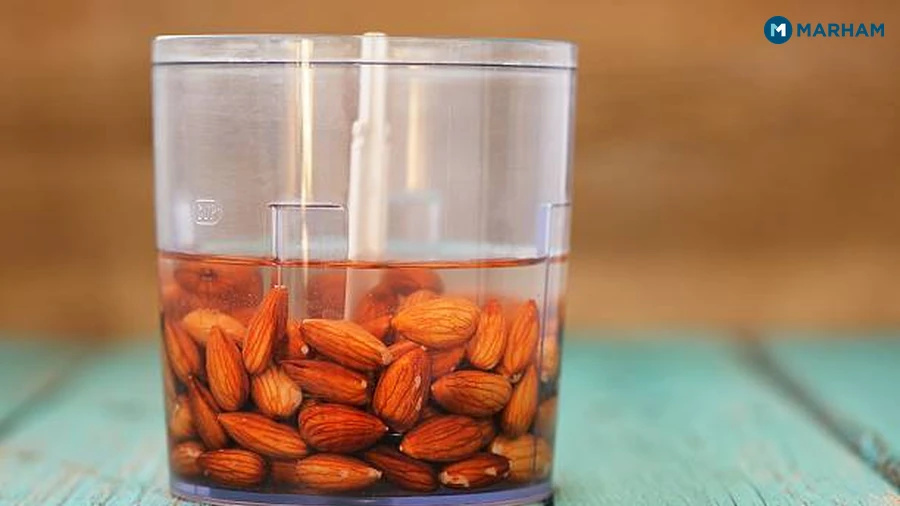
The honest bottom line: soaked almonds are not magic, but they are a genuinely nutritious food. Whether you eat them soaked or raw, you get most of the same benefits.
7 Soaked Almonds Benefits Worth Knowing
1. Easier on the Stomach
Raw almonds have a hard, dense texture. Soaking makes them softer and slightly easier to chew and break down. For people with sensitive digestion, acidity, or those who find raw nuts cause bloating, the soaked version tends to sit better. Peeling the skin removes most of the tannins, which can irritate the stomach lining in some individuals.
2. Heart Health Support
Almonds are a rich source of monounsaturated fats, the same type found in olive oil. According to a study published in the Journal of Nutrition, regular almond consumption is associated with increased HDL (good) cholesterol and reduced LDL (bad) cholesterol levels. Magnesium in almonds also supports healthy blood pressure. These benefits apply whether the almonds are soaked or raw, but eating them consistently is what matters.
3. Brain Function and Memory
Almonds contain riboflavin (vitamin B2) and L-carnitine, two nutrients associated with neurological health. Riboflavin supports energy production in brain cells, while L-carnitine is involved in fat metabolism and has been studied for its role in cognitive function. Pakistani parents have long given children badam with warm milk before exams, and while the science is not dramatic, the nutrients are real.
4. Blood Sugar Management
Almonds have a low glycaemic index, meaning they cause a slow, steady rise in blood sugar rather than a spike. Their combination of healthy fats, protein, and fibre helps slow glucose absorption from other foods eaten at the same time. A study of 20 adults with type 2 diabetes, published in the journal Metabolism, found that almond consumption improved lipid profiles and glycaemic control. People managing diabetes in Pakistan may find a small serving of soaked almonds a useful between-meal snack, though this should always be discussed with their doctor.
5. Weight Management
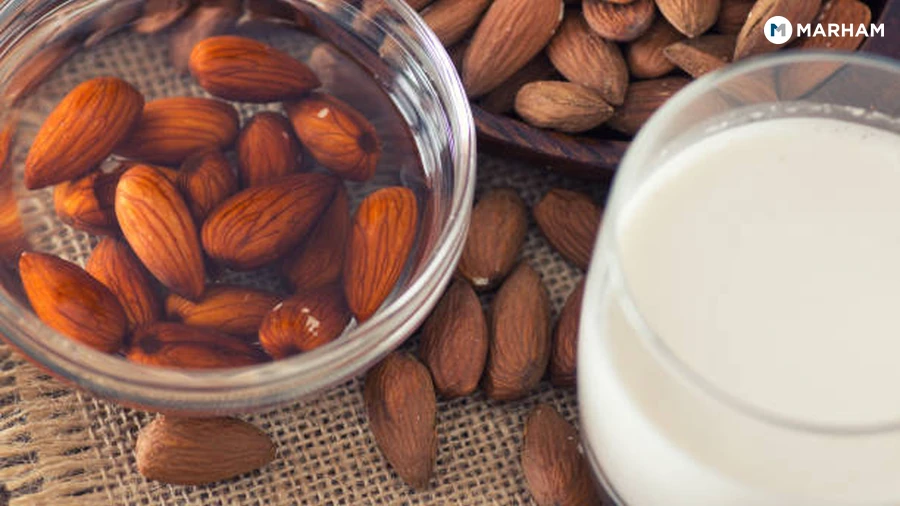
Almonds are calorie-dense. One 28g serving (about 23 almonds) provides roughly 160 calories, 6g of protein, 14g of fat, and 3.5g of fibre, according to USDA nutritional data. The protein and fibre combination promotes satiety, which can help reduce overall calorie intake across the day. Eating 6 to 8 soaked almonds in the morning, before chai and paratha, may reduce the urge to snack on heavier foods mid-morning. The key word is moderation: a full handful every hour adds up quickly.
6. Skin and Hair Nourishment
Vitamin E is one of almonds’ standout nutrients. It acts as an antioxidant, protecting skin cells from oxidative damage caused by sun exposure and pollution, both of which are real concerns in cities like Karachi and Lahore. Almonds also contain biotin, a B-vitamin that supports hair follicle health and is often linked to reduced hair breakage with consistent dietary intake. These benefits come from eating almonds regularly over weeks, not overnight.
7. Bone Strength
Almonds provide calcium, phosphorus, and magnesium, three minerals involved in maintaining bone density. While dairy remains the primary calcium source in the Pakistani diet, almonds offer a meaningful plant-based contribution, particularly useful for people who are lactose intolerant or reduce dairy during certain periods.
Soaked vs Raw Almonds: Is There a Real Difference?
| Feature | Soaked Almonds | Raw Almonds |
|---|---|---|
| Texture | Soft, easy to chew | Hard, crunchy |
| Skin removal | Easy to peel | Difficult to peel |
| Digestibility | Gentler for sensitive stomachs | Can cause bloating in some |
| Phytic acid reduction | Modest (under 5%) | Higher phytic acid |
| Nutrient content | Similar overall | Similar overall |
| Taste | Milder, buttery | Slightly bitter |
| Best for | Children, elderly, sensitive digestion | Everyone else |
The verdict: soaked almonds are not nutritionally superior in a dramatic way. They are gentler, easier to eat, and more practical for certain groups. If you prefer raw almonds and digest them well, you are not missing out.
How to Soak Almonds Properly
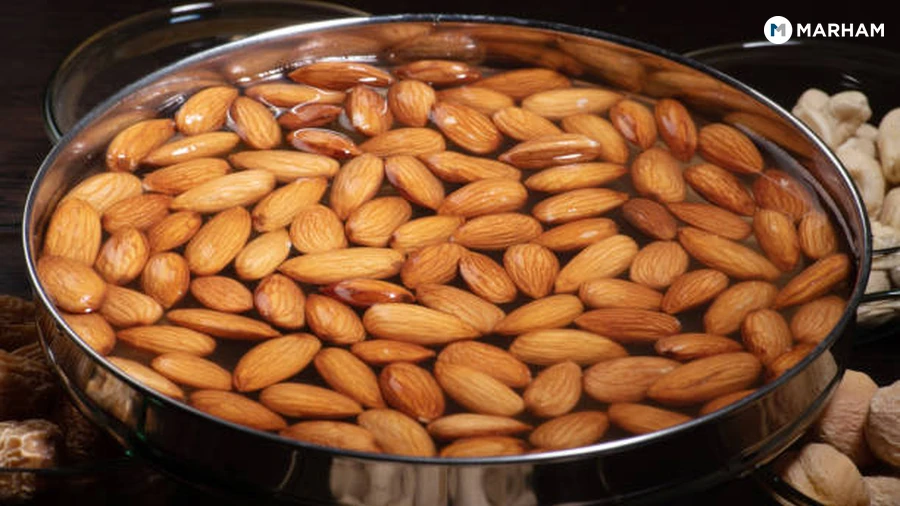
- Take 8 to 10 raw almonds (Gurbandi badam or California almonds both work well).
- Rinse them under clean tap water to remove any surface dust.
- Place them in a small bowl and cover fully with water. Room-temperature water is fine.
- Add a small pinch of sea salt or plain table salt if you like, though this is optional.
- Cover the bowl and leave overnight, 8 to 12 hours. In Karachi’s humid summers, keep the bowl in the refrigerator to prevent any fermentation.
- In the morning, drain the water and discard it. The soaking water contains the released tannins and phytic acid.
- Peel the brown skin off with your fingers. It slides off easily. Eat the peeled almonds on an empty stomach, or add them to a glass of warm milk with a pinch of haldi (turmeric) for a traditional Pakistani morning drink.
Who Should Be Careful with Almonds
Almonds are safe for most people, but a few groups need to be thoughtful:
- Tree nut allergy: Anyone with a known nut allergy should avoid almonds entirely.
- Kidney stone history: Almonds are moderately high in oxalates. People with a history of calcium-oxalate kidney stones should check with their doctor before eating almonds daily.
- High-calorie diets: People already eating calorie-dense diets should count almonds as part of their daily intake, not add them on top.
- Children under 3: Whole almonds pose a choking risk. Grind or mash them instead.
- Overconsumption: Eating more than 20 to 25 almonds daily can cause bloating or loose stools in some people due to the high fibre content.
When to See a Nutritionist
Most healthy adults can add 6 to 10 soaked almonds to their daily routine without any guidance. But if you have diabetes, hypertension, kidney disease, or are managing your weight after a medical event, it helps to get personalised advice on portion sizes and timing. A registered nutritionist can also help you build a desi-diet plan around foods like badam, daal, sabzi, and dahi that fits your health goals without expensive supplements.
Get Personalised Dietary Advice from Marham
Finding a good nutritionist in Pakistan used to mean long waits or limited availability outside major cities. Many Pakistani families in smaller cities like Multan or Faisalabad have limited access to qualified dietary counselling. Marham connects you with verified nutritionists in Pakistan who offer online consultations, so you can get personalised guidance from wherever you are.
A typical online consultation takes 15 to 20 minutes and can cover your current diet, health conditions, and practical recommendations for foods like soaked almonds that fit your lifestyle. If you have a specific condition like diabetes or high cholesterol, an endocrinologist in Pakistan can advise on how dietary changes complement your treatment plan.
Frequently Asked Questions
Is it good to eat soaked almonds every day?
Yes, eating 6 to 10 soaked almonds daily is generally safe and beneficial for most adults. They provide vitamin E, healthy fats, and protein as part of a balanced diet. Consistency over weeks matters more than any single day.
How many soaked almonds should I eat per day?
For most adults, 6 to 10 soaked almonds per day is a practical and well-tolerated amount. Children aged 4 and above can have 2 to 4. Eating more than 20 to 25 daily can cause digestive discomfort in some people.
Should I peel soaked almonds before eating?
Peeling is recommended because the brown skin contains tannins that can mildly interfere with nutrient absorption and may irritate sensitive stomachs. After soaking overnight, the skin slides off easily with your fingers.
Can I eat soaked almonds at night?
Yes, you can eat soaked almonds at night. Morning on an empty stomach is often recommended because nutrients absorb more readily without competing foods, but there is no strong clinical evidence that timing dramatically changes the benefit. Eat them when it works for your routine.
Are soaked almonds good for weight loss?
They can support weight management when eaten in moderation. The protein and fibre in 6 to 8 almonds promote satiety and may reduce overall calorie intake during the day. They should be part of a calorie-aware diet, not eaten in addition to large meals.
What happens if you eat soaked almonds on an empty stomach?
Eating soaked almonds on an empty stomach means there are no competing foods slowing absorption of their nutrients. Many people find this helps with energy and focus in the morning. It is also gentler on the stomach than eating raw almonds first thing.
Can people with diabetes eat soaked almonds?
Almonds have a low glycaemic index and may help moderate blood sugar spikes when eaten with or before a meal. However, portion size matters. People managing diabetes should discuss almond intake with their doctor or a nutritionist rather than making changes independently.
Conclusion
Soaked almonds are a simple, affordable addition to the Pakistani diet. The evidence for dramatic benefits from soaking specifically is modest, but the evidence for almonds as a whole food is strong: they support heart health, help manage blood sugar, promote satiety, and provide skin-nourishing vitamin E. Eating 6 to 10 soaked badam every morning, peeled and eaten before your first cup of chai, is one of the easier healthy habits to build. The traditional wisdom was not wrong, it just did not need to be oversold.
Soaked Almonds Benefits for Skin and Hair: What the Evidence Says
Almonds are one of the richest dietary sources of vitamin E, a fat-soluble antioxidant that protects skin cells from oxidative damage caused by UV exposure and air pollution. In cities like Karachi and Lahore, where pollution levels are consistently high, this matters more than in cleaner environments.
Vitamin E works by neutralising free radicals before they break down collagen, which keeps skin firm and even-toned. Eating 6 to 8 soaked almonds daily provides a meaningful contribution toward your daily vitamin E requirement, though it should be part of a broader diet rich in vegetables and healthy fats.
For hair, almonds supply biotin (vitamin B7) and magnesium. Biotin supports the keratin structure of hair strands, and low biotin intake is associated with increased hair breakage. Magnesium deficiency has been linked to hair loss in some studies, making almonds a useful dietary addition for people experiencing thinning hair.
- Vitamin E: Protects skin from sun and pollution damage.
- Biotin: Supports hair follicle health and reduces breakage.
- Magnesium: Involved in hair growth cycles.
- Healthy fats: Keep skin moisturised from within.
These benefits build over weeks of consistent intake, not overnight. If you are experiencing significant hair loss or persistent skin problems, a nutritionist can assess whether dietary gaps are contributing.
Soaked Almonds During Pregnancy: Are They Safe?
Yes, soaked almonds are generally safe and beneficial during pregnancy when eaten in moderate amounts of 6 to 10 per day. They provide folate, iron, calcium, and healthy fats, all of which support fetal development and maternal health.
Folate in almonds contributes to the prevention of neural tube defects, though almonds alone cannot replace a prescribed folic acid supplement. The iron content supports healthy haemoglobin levels, which is particularly relevant in Pakistan where iron-deficiency anaemia is common among pregnant women.
A few cautions apply during pregnancy:
- Stick to 6 to 10 almonds daily. Excess intake adds unnecessary calories and oxalates.
- Avoid almond-based products with added sugar or salt.
- If you have gestational diabetes, discuss portion size with your doctor. Research published in the European Journal of Nutrition suggests almonds eaten before meals may help moderate post-meal blood sugar spikes.
- Women with a nut allergy should avoid almonds entirely.
If you are pregnant and unsure how to adjust your diet, a registered nutritionist can build a practical desi-diet plan that includes badam alongside daal, sabzi, and dahi in the right proportions for your trimester.
Soaked Almonds for Children: Age-Appropriate Serving Sizes
Soaked almonds are a nutritious addition to a child’s diet from around age 4 onward, provided they are given in age-appropriate amounts and forms. The soaking process makes them soft enough for children to chew safely, unlike hard raw almonds.
Recommended serving sizes by age:
- Under 3 years: Do not give whole almonds. Grind soaked, peeled almonds into a paste and mix into warm milk or porridge.
- Ages 3 to 5: 2 to 3 soaked, peeled almonds per day, cut into small pieces.
- Ages 6 to 12: 4 to 6 soaked almonds per day.
- Teenagers: 6 to 10 per day, same as adults.
Many Pakistani families give children badam with warm milk before school exams, a tradition with a reasonable nutritional basis. Almonds provide riboflavin and L-carnitine, nutrients associated with energy metabolism and neurological function.
Always check for nut allergies before introducing almonds to a child’s diet. Start with one or two and watch for any reaction over 24 hours. If your child has a known food allergy history, consult a paediatrician before adding tree nuts to their meals.
How Soaked Almonds Fit Into a Pakistani Diet
The easiest way to build the soaked-almond habit is to attach it to something you already do every morning. Eat 6 to 8 peeled soaked almonds before your first cup of chai. This takes under two minutes and means you are not adding a new routine, just a small step before an existing one.
Practical ways to include soaked almonds in everyday Pakistani meals:
- With warm milk: Blend 6 soaked almonds with a glass of warm milk and a pinch of haldi. A traditional morning drink with a real nutritional basis.
- In porridge or daliya: Chop soaked almonds and stir into daliya or oats for added protein and healthy fats.
- As a mid-morning snack: A small portion between breakfast and lunch helps manage hunger before the main meal.
- During Ramadan: Soaked almonds eaten at Sehri provide slow-release energy and help manage hunger during the fast. Their protein and fibre slow gastric emptying, which extends the feeling of fullness.
- In kheer or sheer khurma: Soaked, peeled almonds are a traditional ingredient in festive desserts and add texture without changing the flavour significantly.
One practical note: if you are already eating a calorie-dense diet with heavy salan, rice, and fried snacks, count almonds as part of your daily intake rather than adding them on top. A nutritionist can help you find the right balance for your specific eating pattern.
Online nutrition consultation from Rs 500
Marham connects you with 16,000+ PMC-verified doctors across 155 cities in Pakistan. Speak to a registered nutritionist online without leaving home, starting from Rs 500.
Frequently Asked Questions
Is it good to eat soaked almonds every day?
Yes, eating 6 to 10 soaked almonds daily is safe and beneficial for most healthy adults. They provide vitamin E, healthy fats, protein, and fibre as part of a balanced diet. Consistency over weeks matters more than any single serving. People with kidney stones, nut allergies, or specific medical conditions should check with their doctor first.
How many soaked almonds should I eat per day?
For most adults, 6 to 10 soaked almonds per day is a practical and well-tolerated amount. Children aged 4 to 6 can have 2 to 3, and older children up to 6. Eating more than 20 to 25 daily can cause bloating or loose stools in some people due to the high fibre content.
Should I peel soaked almonds before eating?
Peeling soaked almonds is recommended because the brown skin contains tannins that can mildly irritate sensitive stomachs and interfere with mineral absorption. After soaking overnight, the skin slides off easily with your fingers. Peeled almonds also have a milder, slightly buttery taste that most people prefer.
Are soaked almonds good for weight loss?
Soaked almonds can support weight management when eaten in moderation. The protein and fibre in 6 to 8 almonds promote satiety and may reduce overall calorie intake during the day. They should be part of a calorie-aware diet, not eaten in addition to large meals. A nutritionist can advise on the right portion for your specific goals.
Can people with diabetes eat soaked almonds?
People with diabetes can generally eat soaked almonds in moderate portions, as almonds have a low glycaemic index and their protein and fat content may help moderate post-meal blood sugar spikes. However, evidence on long-term glycaemic control from almond consumption is mixed. Always discuss dietary changes with your doctor or a registered nutritionist before adjusting your routine.
Medically reviewed by Marham Medical Team. Updated July 2026.