

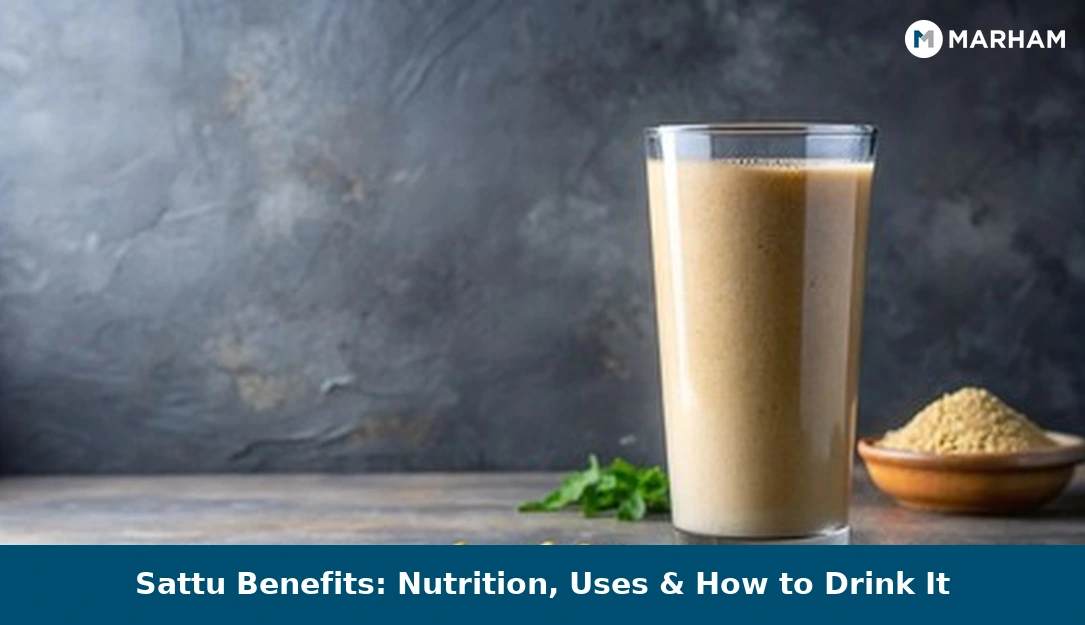

Sattu is a roasted grain flour that has been part of Pakistani households for generations, especially in Punjab and Sindh. Called ستو in Urdu, it’s made by dry-roasting chickpeas (chana) or barley (jau) and grinding them into a fine powder. The result is a humble, nutty flour that dissolves in water in seconds and keeps you full for hours.
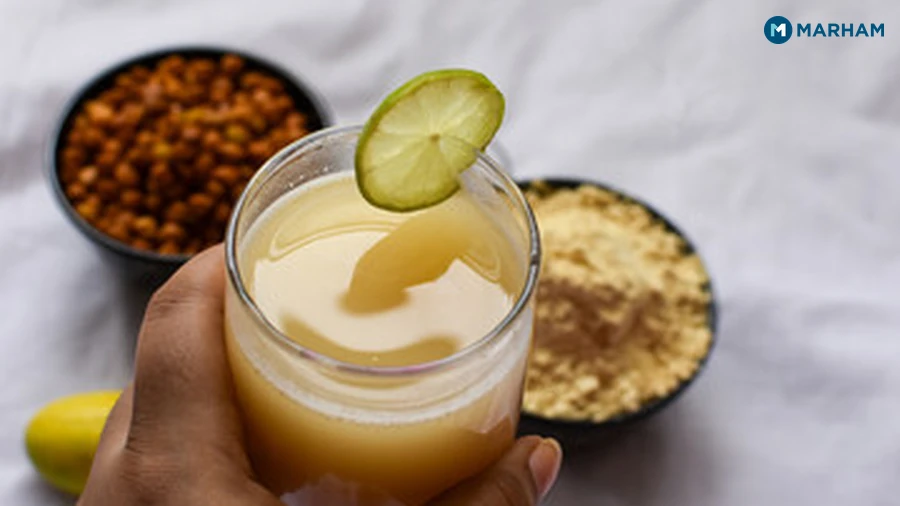
During the summer months, when Lahore and Karachi temperatures cross 40°C, sattu sharbat is one of the most practical things you can drink. It cools the body, replaces lost minerals, and provides steady energy without the sugar crash that comes from packaged drinks. Street vendors across Punjab sell it mixed with gur (jaggery) and kala namak, and it has been doing this job long before protein shakes existed.
Below you’ll find what the science says about sattu’s nutrition, which benefits are well-supported, how to use it at home, and who should be cautious about it.
Sattu in Urdu
ستو ایک روایتی پاکستانی غذا ہے جو بھنے ہوئے چنے یا جَو کو پیس کر بنائی جاتی ہے۔ یہ پروٹین، فائبر، آئرن اور میگنیشیم سے بھرپور ہوتی ہے اور گرمیوں میں جسم کو ٹھنڈا رکھنے کے لیے بہترین مشروب ہے۔ ستو شربت خاص طور پر پنجاب اور سندھ میں بہت مشہور ہے، جہاں لوگ اسے گڑ، کالے نمک اور پانی کے ساتھ پیتے ہیں۔ ذیابیطس کے مریضوں کے لیے بھی یہ فائدہ مند ہو سکتا ہے کیونکہ اس کا گلائسیمک انڈیکس کم ہوتا ہے۔ تاہم، زیادہ مقدار میں کھانے سے پیٹ پھولنے کی شکایت ہو سکتی ہے، اس لیے اعتدال ضروری ہے۔
What Is Sattu and How Is It Made?
Sattu is a ready-to-eat flour made by dry-roasting grains or pulses and then grinding them finely. The roasting step is what separates it from ordinary besan (gram flour): heat breaks down some of the complex sugars that cause bloating, making sattu easier to digest than raw chickpea flour.
In Pakistan, two types are common. Chana sattu, made from roasted black chickpeas (kala chana), is the most widely sold variety and is available at most kiryana stores. Jau sattu, made from roasted barley, is rarer but has a lower glycemic index and a more pronounced cooling effect, making it the traditional choice in rural Punjab. Both types can be used interchangeably in drinks, though jau sattu has a slightly earthier taste.
A third option, multigrain sattu, combines chickpeas, barley, and wheat. It’s increasingly available from online sellers in Pakistan and offers a broader mineral profile.
Sattu Nutrition Per 100g
According to values reported by the USDA and cross-referenced with Indian food composition data, 100g of chana sattu provides approximately:
| Nutrient | Amount per 100g |
|---|---|
| Calories | 406 kcal |
| Protein | 20 to 22g |
| Carbohydrates | 65g (mostly complex) |
| Dietary Fibre | 7 to 9g |
| Fat | 5 to 6g |
| Iron | 4 to 5mg |
| Magnesium | 120 to 140mg |
| Calcium | 50 to 60mg |
| Glycemic Index | 35 to 45 (low) |
The protein content of 20 to 22g per 100g is comparable to dal mash (urad dal) and significantly higher than ordinary atta. For a plant-based protein source that costs a fraction of imported supplements, this is a strong profile. The glycemic index of 35 to 45, as noted by food composition researchers, is well below that of white bread (70 to 75) or even regular roti made from refined atta.
One practical note: sattu contains phytic acid, an antinutrient that can slightly reduce the absorption of iron and zinc. Pairing your sattu drink with a squeeze of lemon juice (a vitamin C source) helps counteract this, which is exactly what the classic Pakistani recipe does anyway.
Key Sattu Benefits
Sustained Energy Without a Sugar Crash
Sattu’s complex carbohydrates digest slowly, releasing glucose into the bloodstream gradually rather than all at once. This makes it a practical choice for sehri during Ramadan: a glass of sattu sharbat with gur at sehri can provide energy that lasts well into the fasting hours, without the mid-morning slump that sugary drinks cause.
Supports Digestion
The dietary fibre in sattu, roughly 7 to 9g per 100g, helps regulate bowel movements and may reduce constipation. The roasting process makes it gentler on the stomach than raw legume flours. Nutritionists in Pakistan often recommend it for people who struggle with sluggish digestion, particularly during the summer when heat slows gut motility.
May Help Manage Blood Sugar Levels
Sattu’s low glycemic index means it causes a slower, smaller rise in blood glucose compared to refined grains. Some studies on low-GI foods suggest this can be helpful for people managing type 2 diabetes. That said, people with diabetes in Pakistan should consult their doctor before making sattu a regular part of their diet, especially if they are on medication, as dietary changes can affect how blood sugar is controlled.
Natural Cooling Drink in Summer
Sattu has a well-established reputation as a body-cooling food across South Asia. Mixed with cold water, it helps replace electrolytes like potassium and magnesium lost through sweat. This makes sattu sharbat a more nutritionally complete alternative to plain water or sugary packaged drinks when temperatures are high.
Plant-Based Protein for Vegetarians
Many Pakistani households eat vegetarian meals several times a week, and sattu fills a genuine protein gap. At 20 to 22g of protein per 100g, a single serving of two tablespoons (roughly 30g) delivers around 6 to 7g of protein alongside fibre and minerals. This is more than you’d get from a glass of milk.
May Support Iron Levels in Women
Sattu contains 4 to 5mg of iron per 100g. For women in Pakistan, where iron deficiency anaemia is common according to the Pakistan National Nutrition Survey 2018, sattu can be a useful dietary addition. Pairing it with lemon juice improves iron absorption, as vitamin C converts iron into a form the gut absorbs more readily. Women who are menstruating or pregnant should still discuss iron supplementation with their doctor rather than relying on diet alone.
Weight Management
The combination of protein and fibre in sattu promotes satiety, meaning you feel full longer after drinking it. This can reduce overall calorie intake throughout the day. Sattu itself is calorie-dense at around 406 kcal per 100g, so portion size matters. A serving of two to three tablespoons mixed in water is satisfying without being excessive.
How to Make Sattu Sharbat at Home (Pakistani Recipe)
This is the classic method used across Punjab. It takes under two minutes.
- Add 2 to 3 tablespoons of sattu powder to a glass.
- Pour in 250ml of cold water and stir briskly until no lumps remain.
- Add a small piece of gur (jaggery, about 10 to 15g) or one teaspoon of shakkar and stir until dissolved. Avoid refined white sugar if you want to keep the glycemic load lower.
- Squeeze in half a lemon. This improves iron absorption and adds a refreshing tartness.
- Add a pinch of kala namak (black salt) and a pinch of roasted zeera (cumin) powder. Both are standard at any Pakistani kiryana store and are what give sattu sharbat its distinctive flavour.
- Add 3 to 4 ice cubes and serve immediately.
For a higher-protein version, replace water with cold milk and sweeten with a teaspoon of honey. This version suits people who want to use sattu for weight gain or muscle recovery after exercise.
Sattu can also be stirred into paratha dough as a protein-rich filling, mixed with dahi (yoghurt) as a quick breakfast, or added to halwa with ghee and gur for a traditional energy snack.
Sattu vs Besan: What’s the Difference?
Many Pakistani readers confuse sattu with besan (gram flour used for pakoras and karhi). They come from the same base ingredient, but the process differs.
| Feature | Sattu | Besan |
|---|---|---|
| Processing | Roasted then ground | Raw chickpeas ground |
| Digestibility | Easier to digest | Can cause more bloating |
| Taste | Nutty, earthy | Raw, slightly bitter |
| Glycemic Index | 35 to 45 (low) | Similar but less studied |
| Best use | Drinks, energy snacks | Cooking (pakoras, karhi) |
| Protein per 100g | 20 to 22g | 20 to 22g (similar) |
The roasting step is the key difference. It reduces some of the oligosaccharides (complex sugars) that cause gas and bloating, which is why sattu is easier on the stomach than besan eaten raw.
Who Should Be Careful with Sattu
Sattu is safe for most healthy adults, but a few groups need to be cautious.
People with irritable bowel syndrome (IBS) or chronic bloating may find that even moderate amounts of sattu worsen symptoms, because of its high fibre and residual oligosaccharide content. Starting with one tablespoon and increasing gradually is sensible.
Those with kidney disease should be careful. Sattu is relatively high in protein and potassium, and people with chronic kidney disease are often advised to limit both. Consulting a doctor before adding sattu regularly to the diet is advisable in this case.
Anyone with a chickpea or legume allergy should avoid chana sattu entirely. Jau (barley) sattu is an alternative, though barley contains gluten, so it’s not suitable for people with coeliac disease.
People on antihypertensive medications should note that chickpeas contain compounds with mild ACE-inhibitory activity. This is unlikely to cause problems in normal dietary amounts, but if you take blood pressure medication, mention any significant dietary changes to your doctor.
When to See a Nutritionist
Sattu is a food, not a treatment, and it can’t replace medical care for conditions like diabetes, anaemia, or digestive disorders. If you’re adding sattu to your diet to manage a specific health condition, or if you notice persistent digestive discomfort after consuming it, speaking to a qualified professional is the right step. A nutritionist in Pakistan can help you work out the right portion, the right type of sattu, and how it fits alongside your existing diet and any medications you take.
Sattu Price and Where to Buy in Pakistan
Sattu is widely available across Pakistan and is one of the most affordable functional foods you’ll find. Loose sattu powder at kiryana stores in Lahore and Rawalpindi typically costs Rs. 60 to 100 per 250g. Packaged options from brands like ChiltanPure are available online for around Rs. 999 per pack and are delivered nationwide. Jau sattu, being rarer, tends to cost slightly more than chana sattu.
When buying, look for sattu that has a fresh, nutty smell and a fine, even texture. Sattu that smells stale or has visible clumping may have absorbed moisture, which affects both taste and shelf life.
Speak to a Nutritionist on Marham
Adding a traditional food like sattu to your daily routine is straightforward for most people. But if you have a specific health goal, whether that’s managing blood sugar, improving digestion, losing weight, or recovering from anaemia, a personalised plan works better than a general guide.
Marham connects you with verified nutritionists in Pakistan through online consultations, so you can get specific advice without travelling to a clinic. A short online consultation, typically 15 to 20 minutes, can help you understand exactly how much sattu to include, which type suits your health profile, and what to pair it with for maximum benefit. If your concern is blood sugar or a digestive condition, you can also consult a relevant specialist through Marham.
Frequently Asked Questions
Is sattu good for weight loss?
Sattu can support weight management because its protein and fibre content promote satiety, reducing how much you eat later in the day. Mix it with water rather than milk, avoid added sugar, and keep portions to 2 to 3 tablespoons per serving.
Can I drink sattu daily?
Yes, most healthy adults can drink sattu daily without problems. One glass a day, made with 2 to 3 tablespoons of sattu powder, is a reasonable amount. Start with a smaller quantity if your digestive system isn’t used to high-fibre foods.
Is sattu good for diabetes?
Sattu has a low glycemic index (35 to 45), which means it causes a slower rise in blood sugar than refined grains. It may be a useful dietary addition for people managing type 2 diabetes, but always consult your doctor before making changes to your diet if you are on medication.
What are the side effects of sattu?
Excessive sattu can cause bloating, gas, or constipation, particularly if you don’t drink enough water alongside it. People with chickpea allergies, kidney disease, or IBS should be cautious and consult a doctor before using it regularly.
Can sattu be eaten at night?
Sattu is generally light and easy to digest, so eating it at night is not harmful for most people. However, its fibre content may cause mild bloating in sensitive individuals if consumed in large amounts close to bedtime. A small serving is fine.
Is sattu good for women?
Sattu can be beneficial for women because of its iron content, which may help with energy levels during menstruation. It also provides protein and magnesium. Pregnant women should consult their doctor before adding it regularly, as individual nutritional needs vary during pregnancy.
When should I see a doctor about my diet?
If you have a chronic condition like diabetes, kidney disease, or IBS, or if you experience persistent digestive symptoms after dietary changes, consult a specialist. A nutritionist in Pakistan can give you personalised guidance based on your health history.
Conclusion
Sattu is one of those traditional Pakistani foods that genuinely holds up under nutritional scrutiny. Its protein content, low glycemic index, fibre, and mineral profile make it a practical everyday addition to a Pakistani diet, particularly in the summer months when the body needs hydration and sustained energy. Use it as a morning drink with gur and lemon, add it to your sehri during Ramadan, or stir it into paratha dough for a protein-rich meal. Keep portions sensible, drink plenty of water alongside it, and check with a doctor if you have an existing health condition.