

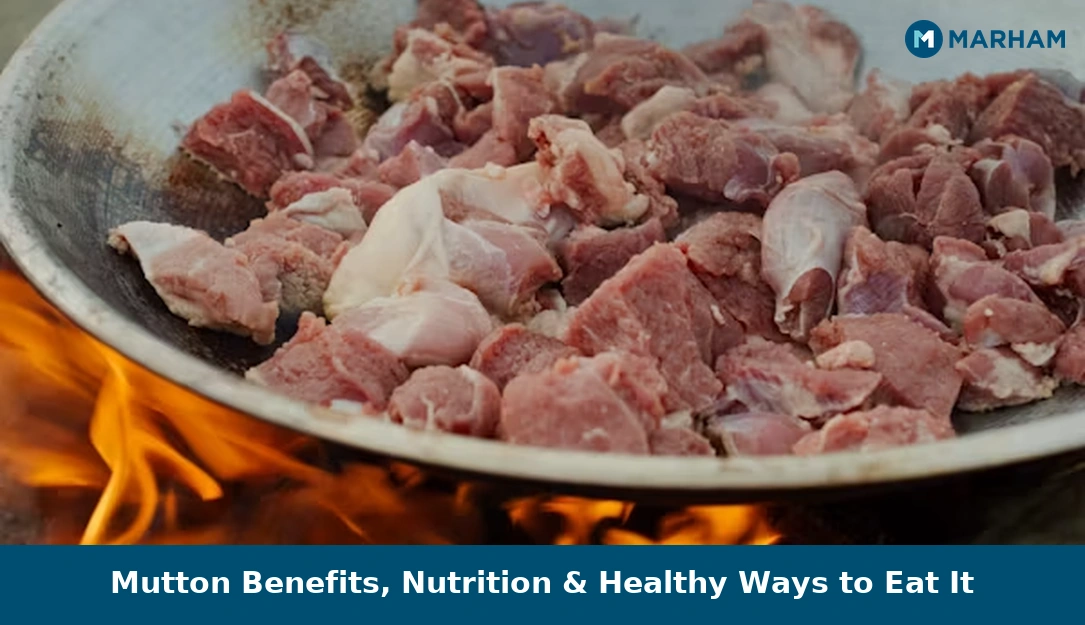

Mutton is one of the most beloved meats in Pakistani households. Whether it’s a slow-cooked karahi on a Sunday afternoon, a pot of nihari simmering overnight, or the Eid-ul-Adha rush of fresh gosht, bakra gosht holds a special place on the dastarkhan.
What many people don’t stop to consider is what that plate of mutton actually does inside the body. It’s not just a festive indulgence. Eaten in the right amounts and cooked the right way, mutton is a genuinely nutritious red meat, and in some respects leaner than beef. The problem in Pakistan isn’t the meat itself; it’s often the cooking style: deep karahi oil, fatty paya broth, or daily portions that are far too large.
This guide covers the real nutrition profile, the benefits that are actually backed by evidence, and the practical adjustments that let Pakistani families enjoy gosht without the health trade-offs.
بکرا گوشت: اہم باتیں
بکرا گوشت پاکستان میں ایک مقبول اور غذائیت سے بھرپور گوشت ہے جو پروٹین، آئرن، زنک اور وٹامن بی 12 کا اہم ذریعہ ہے۔ 100 گرام پکے ہوئے گوشت میں تقریباً 27 گرام پروٹین اور صرف 3 گرام چکنائی ہوتی ہے، جو اسے گائے کے گوشت سے کم چکنائی والا بناتی ہے۔ تاہم زیادہ مقدار میں یا تلے ہوئے انداز میں کھانے سے دل کی بیماری اور کولیسٹرول کا خطرہ بڑھ سکتا ہے۔ ہفتے میں ایک سے دو بار اعتدال کے ساتھ کھانا اور گریل یا سٹو کا طریقہ اپنانا صحت کے لیے بہتر ہے۔
Mutton Nutrition Facts Per 100g
Mutton (goat meat) is leaner than most people assume. According to USDA FoodData Central data, a 100g serving of raw goat meat provides approximately 143 calories, 27g of protein, and just 3g of total fat. That fat profile is closer to chicken breast than to beef.
| Nutrient | Per 100g (raw goat meat) | % Approx. Daily Value |
|---|---|---|
| Calories | 143 kcal | 7% |
| Protein | 27.1 g | 54% |
| Total Fat | 3 g | 4% |
| Saturated Fat | 0.9 g | 5% |
| Iron | 3.7 mg | 20% |
| Zinc | 4 mg | 36% |
| Vitamin B12 | 1.2 µg | 50% |
| Potassium | 405 mg | 9% |
| Selenium | 8.8 µg | 16% |
Source: USDA FoodData Central (goat meat, raw, domesticated)
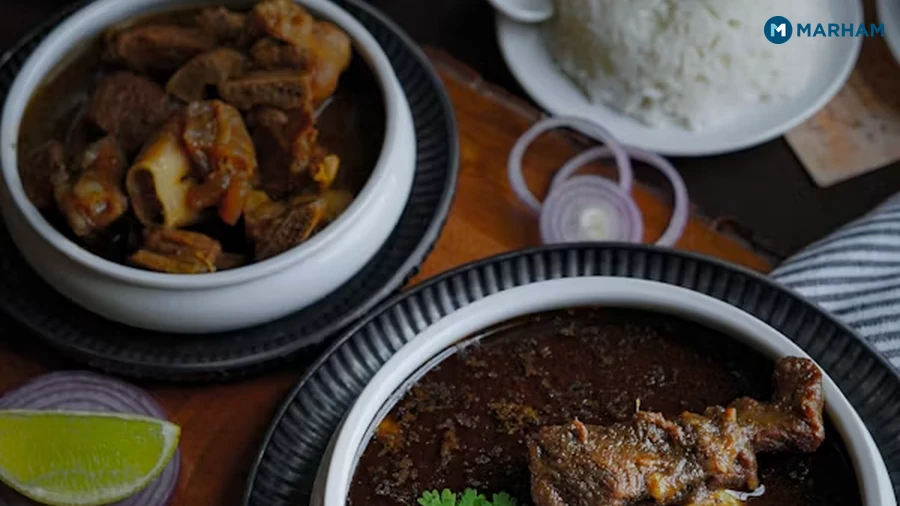
One note for Pakistani cooks: these numbers change significantly depending on how the meat is prepared. A slow-cooked paya (trotters) dish carries considerably more fat because of the bone marrow and collagen-rich broth. A grilled champ (mutton chop) with visible fat trimmed off stays close to the raw figures above.
If you want personalised guidance on fitting gosht into your diet, a nutritionist in Pakistan can help you work out the right portion for your health goals.
Key Health Benefits of Mutton
Mutton’s benefits come from its nutrient density, not from any single miraculous compound. Here’s what the evidence actually supports.
High-Quality Protein for Muscle and Recovery
Goat meat is a complete protein source, meaning it contains all nine essential amino acids the body can’t make on its own. At roughly 27g of protein per 100g, it supports muscle repair, tissue maintenance, and immune function. This matters particularly for older adults in Pakistan, where protein intake from plant sources alone is often insufficient, and for anyone recovering from illness or surgery.
Heme Iron That the Body Actually Absorbs
Mutton contains heme iron, the form of iron found only in animal foods. The body absorbs heme iron at a significantly higher rate than the non-heme iron in plant foods like dal or spinach. Iron deficiency anaemia is common in Pakistani women, particularly in Lahore and Karachi where dietary surveys consistently show low iron intake among young women. Including mutton in meals once or twice a week can help maintain haemoglobin levels, especially alongside a roti-and-sabzi meal that might otherwise lack sufficient iron.
Vitamin B12 for Nerves and Energy
Vitamin B12 is essential for healthy nerve function, red blood cell production, and preventing a type of anaemia called megaloblastic anaemia. Mutton provides roughly 50% of the daily B12 requirement in a 100g serving. B12 is found almost exclusively in animal foods, so for Pakistanis who eat little to no red meat, deficiency is a real risk. Neurobion (a B-vitamin supplement) is commonly prescribed in Pakistan for deficiency, but getting B12 from food is always preferable when possible.
Zinc for Immunity and Wound Healing
Zinc supports immune cell production, wound healing, and normal testosterone levels in men. A 100g serving of mutton provides around 36% of the daily zinc requirement. Most Pakistanis get zinc from roti (wheat) and legumes, but the zinc in plant foods is less bioavailable because of phytates. Mutton is one of the most practical zinc sources in a typical desi diet.
Lower Saturated Fat Than Beef
This is the detail most Pakistani eaters don’t know. Raw goat meat has roughly 0.9g of saturated fat per 100g, compared to around 4.5g in raw beef (per USDA data). That makes mutton a meaningfully leaner choice within the red meat category. The caveat, again, is cooking method. A karahi made with a generous pour of cooking oil can easily add 10 to 15g of fat per serving regardless of how lean the meat was to begin with.
Mutton vs Beef vs Chicken: How They Compare
| Meat (100g raw) | Calories | Protein | Total Fat | Saturated Fat |
|---|---|---|---|---|
| Goat/Mutton | 143 kcal | 27.1 g | 3 g | 0.9 g |
| Beef (lean) | ~215 kcal | 26 g | 12 g | 4.5 g |
| Chicken breast | ~120 kcal | 23 g | 2.6 g | 0.6 g |
Sources: USDA FoodData Central
The comparison shows that mutton sits between chicken and beef in terms of fat. For Pakistani families who eat red meat regularly, switching from beef to goat meat at some meals is a practical way to reduce saturated fat without giving up the flavour of gosht entirely.
Healthy Ways to Cook Mutton in Pakistan
The meat itself is nutritious. The cooking method is where things often go wrong. These steps make a real difference.
- Trim visible fat before cooking. The thick white fat around mutton cuts adds saturated fat and calories. Removing it before the pot goes on the stove takes two minutes and meaningfully changes the nutrition profile.
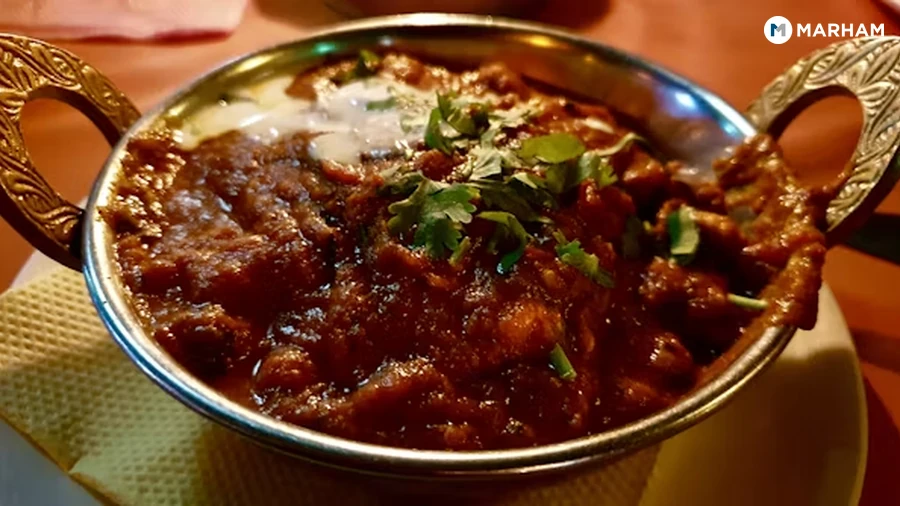
- Use less oil in karahi. A standard Pakistani karahi recipe can call for up to half a cup of oil per kg of meat. Cutting this to two to three tablespoons and compensating with a splash of water or tomato puree preserves the flavour while reducing fat significantly.
- Prefer grilling or baking for chops. Mutton champs (chops) grilled on a tawa or in an oven at home lose fat as they cook, rather than sitting in it. Marinate in dahi (yoghurt), zeera, and adrak-lehsan paste for at least two hours before grilling.
- Add vegetables to the pot. Cooking mutton with spinach (palak gosht) or turnips (shaljam gosht) is a traditional Pakistani approach that adds fibre, vitamins, and bulk, which means you naturally eat less meat per serving.
- Skip the paya oil layer. Paya (trotters) soup is nutritious for its collagen content, but the thick layer of fat that rises to the top after cooling is almost entirely saturated fat. Skim it off before reheating, especially if anyone at the table has a history of high cholesterol or heart disease.
- Pair with roti rather than naan. A plain roti has fewer calories and less fat than a tandoori naan. When gosht is already a rich dish, the bread choice matters.
- Limit portion size to 100 to 150g cooked meat per meal. In a typical Pakistani dastarkhwan, especially at weddings or Eid gatherings, portions of 300g or more are common. Keeping it to one moderate serving and filling the rest of the plate with salad or daal is a practical habit.
Who Should Be Careful with Mutton
Mutton is not off-limits for most people, but a few groups need to be thoughtful.
People with cardiovascular disease or high blood pressure should limit red meat intake and prioritise the lower-fat cooking methods above. The heart-healthy diet for Pakistani eating habits guide on Marham covers this in more detail.
People with gout should be cautious. Mutton is moderately high in purines, compounds that can raise uric acid levels and trigger gout flare-ups. If you’ve been diagnosed with gout, discuss frequency with your doctor before making mutton a regular part of your diet.
People with kidney disease should also check with their doctor, as the high protein content may add strain to already-compromised kidneys.
Pregnant women can generally eat mutton safely and may benefit from the iron and B12 content, but the meat should always be thoroughly cooked. Partially cooked or raw meat carries a risk of toxoplasmosis, which is particularly dangerous during pregnancy.
If you have any of these conditions and are unsure how much mutton is safe for you, consult a nutritionist in Pakistan who can give you a personalised plan.
Get Dietary Guidance from Marham
For many Pakistani families, questions about diet come up most often around health conditions: a family member diagnosed with diabetes, someone managing high blood pressure, or a new mother trying to recover her iron levels. Knowing that mutton has benefits doesn’t automatically tell you how much is right for your specific situation.
Marham connects you with verified nutritionists in Pakistan through online consultations available from anywhere in the country, so you don’t need to travel to a major city for a dietary review. A short consultation can help you work out exactly how often to include gosht in your meals, which cuts to prefer, and how to balance it with the rest of a typical Pakistani diet.
Frequently Asked Questions
Is mutton good for weight loss?
Mutton can be part of a weight-loss diet when eaten in moderate portions and cooked with minimal oil. Its high protein content supports satiety, but the cooking method matters greatly. A grilled chop is very different from a karahi swimming in oil.
How many times a week should I eat mutton?
Most nutritionists suggest limiting red meat, including mutton, to one to two times per week as part of a balanced diet. Daily consumption over long periods is associated with a higher risk of cardiovascular disease, according to research published in journals including The Lancet.
Is mutton bad for cholesterol and heart health?
Mutton is lower in saturated fat than beef, but it still contributes to saturated fat intake. People with existing high cholesterol or heart disease should limit portions and choose lean cuts with visible fat trimmed. Cooking method makes a significant difference.
What is the difference between mutton and lamb in Pakistan?
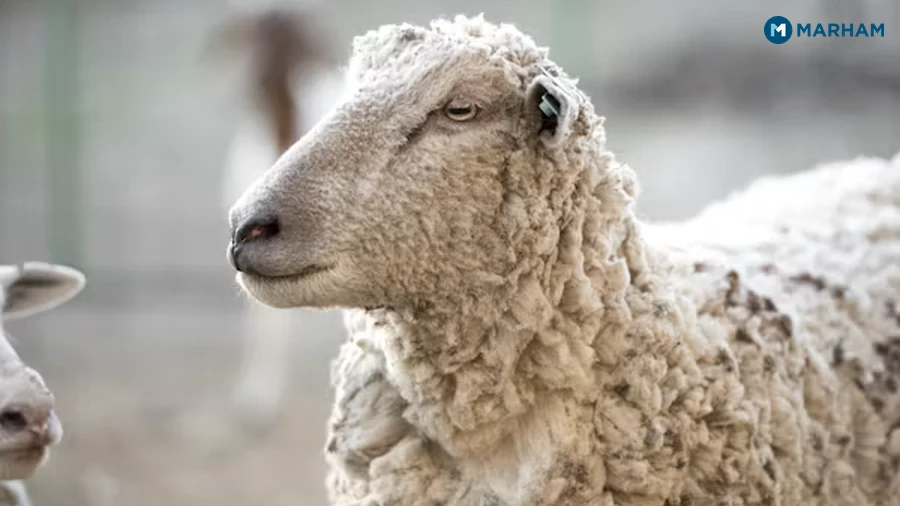
In Pakistan, the word mutton almost always refers to goat meat (bakra gosht), not sheep. Internationally, mutton means meat from a mature sheep and lamb means meat from a young sheep. This is a common source of confusion when reading foreign nutrition articles.
Is mutton good for pregnant women?
Mutton can be beneficial during pregnancy because of its iron, zinc, and B12 content, all of which support foetal development. It must be thoroughly cooked to avoid foodborne infections. A gynaecologist or nutritionist can advise on appropriate portion sizes during each trimester.
Can people with diabetes eat mutton?
Yes, mutton is low in carbohydrates and does not directly raise blood sugar. However, people with diabetes should watch the overall fat and calorie content of the meal, especially when gosht is cooked in large amounts of oil. A lean preparation is preferable.
What is the healthiest way to cook mutton?
Grilling, baking, or slow-stewing with vegetables and minimal oil are the healthiest options. Trimming visible fat before cooking and skimming fat from broth after cooling both reduce the saturated fat content significantly.
Conclusion
Mutton deserves its place in the Pakistani diet. It’s a genuinely lean red meat when prepared well, rich in protein, heme iron, zinc, and vitamin B12 in quantities that are hard to match from plant foods alone. The real variables are portion size and cooking method, both of which are entirely within your control. Trim the fat, ease up on the cooking oil, pair it with sabzi, and keep portions to a sensible size. Done that way, gosht is not a guilty pleasure; it’s a nutritious part of a balanced desi diet.