


Low carb diet foods in Pakistan include eggs, chicken, mutton, leafy greens like palak and methi, low-carb sabzis like karela and bhindi, full-fat dahi, and nuts. Cutting back on roti, chawal, naan, and sweet chai keeps daily carbs between 50 and 130 grams, which supports weight loss and blood sugar control without abandoning desi food.
کم کاربوہائیڈریٹ غذائیں | Low Carb Diet Foods
پاکستان میں کم کاربوہائیڈریٹ غذا اپنانا مشکل نہیں ہے اگر آپ صحیح غذاؤں کا انتخاب کریں۔ انڈے، مرغی، مٹن، پالک، میتھی، کریلہ، بھنڈی، اور دہی جیسی غذائیں کاربوہائیڈریٹ میں کم اور غذائیت میں بھرپور ہیں۔ روٹی، چاول، اور میٹھی چائے جیسی اشیاء کو کم کرنا ضروری ہے۔ وزن کم کرنے یا ذیابیطس کو کنٹرول کرنے کے لیے ماہر غذائیت سے مشورہ کرنا سب سے بہتر طریقہ ہے۔

Want a low carb plan built around your desi meals?
A PMC-verified nutritionist on Marham can review your daily food habits and build a practical low-carb plan that works with Pakistani cooking, not against it. Available for in-clinic and online visits across 155 cities.
Find a Nutritionist Near YouBook online video consultation instead
What Counts as a Low Carb Diet?
A low-carb diet limits total daily carbohydrate intake, typically to somewhere between 20 and 130 grams per day depending on the approach. The strictest version, the ketogenic diet, keeps carbs below 20 to 50 grams daily. A moderate low-carb approach — which most Pakistani nutritionists recommend as more sustainable — sits between 50 and 130 grams per day. For context, a single medium roti contains roughly 25 to 30 grams of carbohydrates, so three rotis at one meal already uses up a moderate daily budget.
The goal isn’t to eliminate carbohydrates entirely. It’s to replace high-glycaemic, low-nutrient carbs (white roti, white rice, maida naan) with protein, healthy fat, and fibre-rich vegetables, so blood sugar stays steadier and hunger is better controlled.
Best Low Carb Diet Foods Available in Pakistan
Most of the foods below are sold at any sabzi mandi or kiryana store in Karachi, Lahore, or Islamabad, and they’re affordable year-round.
Proteins
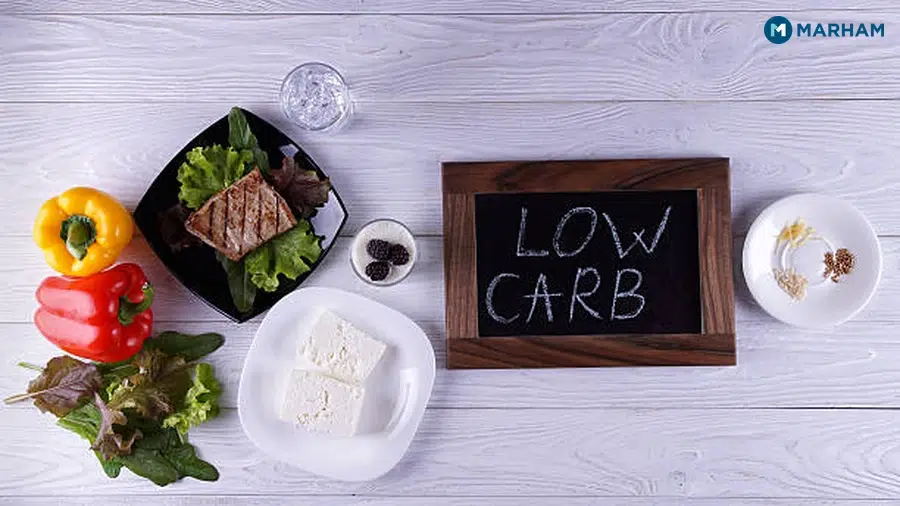
Eggs are the most practical low-carb food in Pakistan. A single egg contains less than 1 gram of carbohydrate and roughly 6 grams of protein, according to USDA nutritional data. Chicken, mutton, beef, and fish all contain negligible carbohydrates and are staples of the Pakistani diet already. Seekh kebab, chicken karahi cooked without added sugar, and grilled fish are all naturally low-carb dishes. Paneer (fresh cottage cheese) is a good vegetarian protein option at roughly 3 to 4 grams of carbs per 100 grams.
Low-Carb Vegetables Common in Pakistan
Leafy greens like palak (spinach), methi (fenugreek leaves), and saag are among the lowest-carb vegetables available and are eaten regularly across Pakistan. Karela (bitter gourd), tinda (round gourd), turai (ridge gourd), and bhindi (okra) are all low-carb sabzis that fit naturally into a desi meal plan. Baingan (eggplant) works well grilled or as baingan bharta. Gobhi (cauliflower) is particularly useful because it can substitute for rice when grated and lightly cooked, a swap that cuts the carb count of a meal significantly.
Dairy and Fats
Full-fat dahi (yogurt) contains around 4 to 5 grams of carbohydrate per 100 grams and is a good source of protein and probiotics. Plain raita made with dahi and cucumber is a solid low-carb side dish. Desi ghee and cooking oil are carbohydrate-free and don’t need to be avoided on a low-carb plan, though portion size still matters for overall calorie balance. Unsweetened lassi made with dahi and water is a much better choice than the sweet, sugar-heavy version sold at roadside stalls.
Nuts and Seeds
Badam (almonds), akhrot (walnuts), and pumpkin seeds are low in carbs and high in healthy fats and protein. A small handful of badam, around 20 to 25 grams, contains roughly 3 grams of net carbohydrate and keeps hunger at bay between meals. These are easy to carry and widely available at dry-fruit shops in every major city for around Rs. 800 to Rs. 1,200 per 250 grams depending on the season.
Carb Counts of Common Pakistani Foods
The table below shows approximate carbohydrate content of everyday Pakistani foods. Numbers are per standard serving and are based on USDA nutritional data and published South Asian food composition tables. Use these as a rough guide, not a precise prescription.
| Food Item | Serving Size | Approx. Carbs (g) | Low Carb? |
|---|---|---|---|
| Medium roti (whole wheat) | 1 piece (~40g) | 25 to 30 | No |
| Cooked white rice | 1 cup (~150g) | 45 to 50 | No |
| Naan (plain) | 1 piece (~90g) | 45 to 55 | No |
| Masoor daal (cooked) | 1 cup (~200g) | 35 to 40 | Moderate |
| Palak (cooked) | 1 cup (~180g) | 6 to 7 | Yes |
| Karela (bitter gourd, cooked) | 1 cup (~120g) | 5 to 6 | Yes |
| Egg (whole) | 1 large | Less than 1 | Yes |
| Full-fat dahi | 1 cup (~245g) | 10 to 12 | Yes |
| Chicken (cooked, no sauce) | 100g | 0 | Yes |
| Banana | 1 medium | 25 to 27 | No |
| Guava (amrood) | 1 medium (~100g) | 12 to 14 | Moderate |
Foods to Avoid on a Low Carb Diet in Pakistan
The biggest carb sources in a typical Pakistani diet are roti, chawal, and naan. These aren’t bad foods, but they’re dense in carbohydrates and easy to overeat. Three rotis at a single meal can deliver 75 to 90 grams of carbs before anything else on the plate is counted.
Sweet chai deserves a mention here. A single cup of doodh pati chai made with full milk and two teaspoons of sugar contains roughly 15 to 20 grams of carbohydrate. Four or five cups a day, which is common in many Pakistani households, adds 60 to 100 grams of carbs from chai alone. Switching to unsweetened or lightly sweetened green tea or black chai cuts this significantly.
Other foods to limit include: mithai and biscuits (very high in sugar and refined flour), fruit juices and packaged drinks, biryani and pulao (the rice base is the issue, not the spices or meat), and sweet lassi. Potatoes and sweet potatoes are also high in starch and should be reduced, though they’re not as problematic as refined grains.
The Daal Question: Is Daal Low Carb?
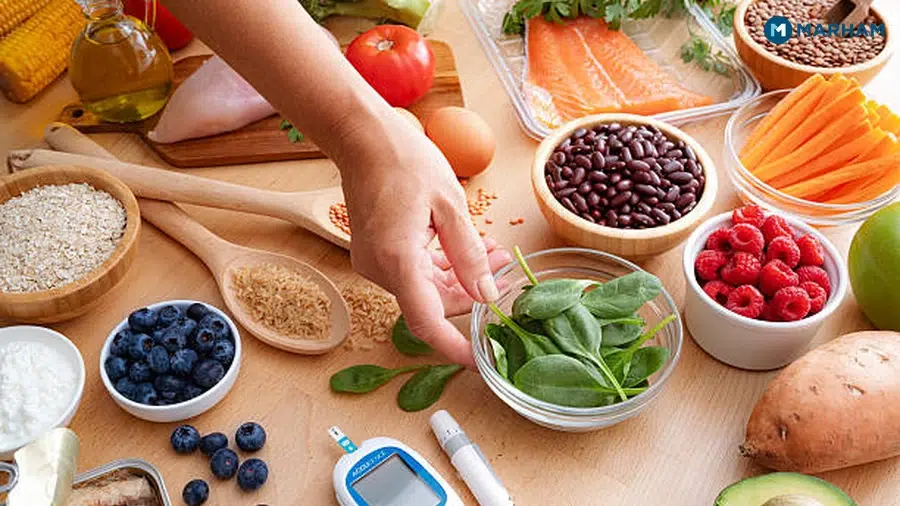
This is the question most Pakistani low-carb guides skip over, and it matters. Daal is nutritious and high in protein, but it’s also a significant source of carbohydrates. A cup of cooked masoor daal contains around 35 to 40 grams of carbs. That doesn’t make it off-limits, but it does mean daal should be treated as a moderate-carb food, not a free food. On a strict low-carb plan, a small portion of daal alongside a large serving of sabzi is workable. Eating a full bowl of daal with two rotis is not a low-carb meal, even though it feels like a light one.
How to Start Eating Low Carb in Pakistan: 6 Practical Steps
- Cut roti in half first. Don’t try to eliminate roti immediately. Start by reducing from three rotis per meal to one or one and a half. This alone can cut 50 to 60 grams of carbs per meal without feeling deprived.
- Build the plate around sabzi and protein. Fill half the plate with a low-carb sabzi like palak, bhindi, or karela. Add a palm-sized portion of chicken, mutton, or eggs. The roti or rice becomes a small side, not the base.
- Switch chai to unsweetened. Cutting sugar from chai and reducing milk quantity is one of the quickest carb reductions available in the Pakistani diet. Kahwa (green tea with cardamom) is a zero-carb alternative that’s easy to find in Lahore, Islamabad, and Peshawar.
- Use cauliflower rice for one meal a week. Grated gobhi, lightly cooked in a tawa with a little ghee, cumin, and salt, is a convincing rice substitute that cuts the carb count from roughly 45 grams to under 8 grams per cup. Gobhi is available year-round at sabzi mandis across Pakistan for Rs. 40 to Rs. 80 per kg.
- Choose eggs or dahi for breakfast instead of paratha. A paratha made with ghee and maida can contain 50 to 60 grams of carbs. Two eggs fried in a little desi ghee with a side of tomato and green chilli contain under 2 grams. This swap alone makes a meaningful difference over a week.
- Read daal and fruit portions carefully. Daal, bananas, mangoes, and grapes are often assumed to be diet-friendly but carry a moderate to high carb load. Keep daal portions to half a cup and choose lower-carb fruits like guava, papaya, or jamun over bananas and mangoes when managing carb intake.
Who Should Be Careful with a Low Carb Diet?
A low-carb approach is generally safe for healthy adults, but certain groups need to consult a doctor or nutritionist before making significant changes. People with type 1 diabetes should not adjust their carbohydrate intake without medical supervision, as it directly affects insulin dosing. Pregnant and breastfeeding women have higher carbohydrate requirements and should not follow a strict low-carb plan without guidance. People with kidney disease may need to moderate protein intake alongside carbs, and the two goals can conflict on a standard low-carb plan.
Anyone with existing type 2 diabetes who is on medication should also check with their doctor before starting a low-carb diet. As carb intake drops, blood sugar levels may fall, which can interact with glucose-lowering medication. This is a good outcome in the long run, but it needs to be monitored. Consulting a registered nutritionist in Pakistan before making major dietary changes is always the safer route, particularly if you have a chronic condition.
If you’re managing diabetes, PCOS, or weight and want a low-carb plan tailored to Pakistani food, a verified nutritionist can help you build one that actually works with your daily meals.
Frequently Asked Questions
How many carbs per day on a low carb diet?
Most low-carb diets aim for 50 to 130 grams of carbohydrates per day for general weight management. Strict ketogenic diets go as low as 20 to 50 grams daily. The right level depends on your health goals and should ideally be set with a nutritionist.
Is roti allowed on a low carb diet?
Roti can be included in small amounts, typically one small roti per meal, on a moderate low-carb plan. A single medium whole-wheat roti contains roughly 25 to 30 grams of carbs, so quantity matters. Most strict low-carb plans reduce or replace roti with low-carb alternatives.
Is a low carb diet good for diabetes in Pakistan?
Evidence suggests that reducing carbohydrate intake can help manage blood sugar levels in type 2 diabetes, according to the American Diabetes Association’s 2023 nutrition guidelines. However, people on diabetes medication must consult their doctor before starting, as medication doses may need adjustment.
Can I eat daal on a low carb diet?
Daal is moderate in carbohydrates, with around 35 to 40 grams per cup of cooked masoor daal. Small portions of half a cup alongside low-carb sabzi are workable. A full bowl of daal with roti is not a low-carb meal, even though it seems light.
What Pakistani breakfast is low carb?
Two fried or boiled eggs with tomato and green chilli is one of the best low-carb Pakistani breakfasts, with under 2 grams of carbs. Omelette with palak or paneer bhurji with dahi are other practical options that keep carbs low without sacrificing flavour.
What fruits are low carb in Pakistan?
Guava (amrood), papaya, jamun, and strawberries are among the lower-carb fruits commonly available in Pakistan. Bananas, mangoes, and grapes are higher in natural sugars and should be eaten in small portions on a low-carb plan.
When should I see a doctor or nutritionist about a low carb diet?
See a specialist if you have type 2 diabetes, kidney disease, PCOS, or are pregnant, as these conditions require a personalised approach. You should also seek guidance if you feel persistently fatigued, dizzy, or unwell after starting a low-carb diet, as electrolyte imbalances can occur. A nutritionist in Pakistan can build a plan suited to your specific health profile.
Conclusion
Low carb diet foods in Pakistan are more accessible than most people realise. Eggs, desi sabzis, chicken, dahi, and nuts are already part of the Pakistani kitchen. The practical shift is reducing roti, chawal, and sweet chai rather than overhauling the entire diet. A moderate low-carb approach, built around real Pakistani food, is sustainable, affordable, and supported by evidence for both weight management and blood sugar control. For a plan tailored to your specific meals and health conditions, a registered nutritionist is the best starting point. You can also explore a practical Pakistani diet plan for weight loss for a broader framework to work from.
This article is for general informational purposes only and does not constitute medical advice. Consult a qualified healthcare professional before making significant dietary changes, especially if you have a chronic health condition.
Sample Low Carb Meal Plan for a Pakistani Day
This one-day template is built around foods available at any sabzi mandi or kiryana store. Carb counts are approximate and based on USDA nutritional data.
- Breakfast: Two eggs fried in desi ghee with tomato and green chilli, plus one cup of unsweetened green tea. Total carbs: under 3 g.
- Mid-morning snack: A small handful of badam (20 to 25 g) and one cup of plain dahi. Total carbs: roughly 7 to 8 g.
- Lunch: Chicken karahi (no added sugar) with a large serving of bhindi or palak sabzi and one small whole-wheat roti. Total carbs: roughly 30 to 35 g.
- Afternoon snack: One medium guava (amrood) or a few slices of papaya. Total carbs: roughly 12 to 14 g.
- Dinner: Grilled or baked fish with baingan bharta and a side of plain raita. Total carbs: roughly 15 to 18 g.
This template stays within a moderate low-carb range of 65 to 80 grams for the day. Adjust portion sizes based on your specific health goals. A registered nutritionist can tailor this further to your medical history and the foods your household already cooks.
Low Carb Diet for Weight Loss vs. Diabetes: What Changes?
The foods are largely the same, but the targets and monitoring differ between the two goals.
For Weight Loss
A moderate low-carb range of 80 to 130 grams per day is usually sustainable and effective for gradual weight loss. The priority is replacing high-calorie, low-nutrient carbs, such as maida naan and sweet chai, with protein and fibre-rich sabzis. Hunger control improves because protein and fat are more satiating than refined carbs.
For Type 2 Diabetes Management
A stricter range of 50 to 80 grams per day is often recommended to meaningfully reduce post-meal blood sugar spikes. Pakistan has one of the highest diabetes burdens globally, with the IDF Diabetes Atlas 2021 reporting around 33 million adults living with the condition. For anyone on glucose-lowering medication, reducing carbs can cause blood sugar to drop, so medication doses may need adjustment. This must be done under medical supervision. Karela, methi, and palak are particularly useful vegetables in this context, as they are low in carbs and have been studied for their role in blood sugar regulation.
Both goals benefit from the same practical swap: build the plate around sabzi and protein first, then add a small portion of roti or rice rather than the other way around.
Low Carb Swaps for Common Pakistani Dishes
You do not need to cook separate meals. These swaps work within the dishes your household already makes.
- Instead of white rice in biryani or pulao: Use grated gobhi (cauliflower rice) cooked with the same whole spices. Carbs drop from roughly 45 g per cup to under 8 g.
- Instead of maida naan: Try a small whole-wheat roti or an almond-flour roti. Almond flour is available at health stores in Karachi, Lahore, and Islamabad for around Rs. 600 to Rs. 900 per 250 g.
- Instead of sweet doodh pati chai: Kahwa (green tea with cardamom and a sliver of ginger) or plain black chai with no sugar. This alone can remove 60 to 100 g of daily carbs for households drinking four to five cups a day.
- Instead of potato in qeema or aloo gosht: Substitute tinda (round gourd) or turnip (shalgam). Both hold their shape in a curry and carry under 5 g of carbs per 100 g.
- Instead of sweet lassi: Plain unsweetened lassi made with dahi and water, with a pinch of salt and zeera. Carbs fall from roughly 35 to 40 g per glass to around 10 to 12 g.
- Instead of paratha at breakfast: Paneer bhurji or a two-egg omelette with green chilli and tomato. Carbs drop from 50 to 60 g to under 3 g.
Small, consistent swaps like these are more sustainable than a complete diet overhaul, and they work with the food already in your kitchen.
PCOS and Low Carb Diet in Pakistan: What You Should Know
Polycystic ovary syndrome (PCOS) is closely linked to insulin resistance, which means the same dietary principles that help manage blood sugar also tend to benefit women with PCOS. Reducing refined carbs, roti, chawal, and sweet chai, can help lower insulin levels, which in turn may support more regular menstrual cycles and reduce androgen-related symptoms like excess hair growth and acne.
A moderate low-carb approach, rather than a strict ketogenic diet, is generally better tolerated for women with PCOS who are also managing energy levels and hormonal fluctuations. Key foods to prioritise include:
- Eggs and paneer for protein without high carbs.
- Palak, methi, and bhindi as everyday sabzis.
- Full-fat dahi for probiotics and protein.
- Badam and akhrot as snacks instead of biscuits or mithai.
PCOS management is individual. What works for one person may not work for another, depending on body weight, insulin levels, and other hormonal factors. A nutritionist familiar with PCOS can build a plan that fits your specific lab results and daily food habits, rather than a generic template.
Online nutrition consultation from Rs 500
Marham connects you with 16,000+ PMC-verified doctors, including registered nutritionists, for online video consultations starting from Rs 500. Get a personalised low-carb plan without leaving home.
Book a Nutritionist on MarhamBook online video consultation instead
Frequently Asked Questions
How many carbs per day on a low carb diet in Pakistan?
A moderate low-carb diet in Pakistan targets 50 to 130 grams of carbohydrates per day, which is achievable by reducing roti and chawal portions and cutting sweet chai. Strict ketogenic diets go as low as 20 to 50 grams daily, but most Pakistani nutritionists recommend the moderate range as more sustainable long-term. The right level depends on your health goal and should be set with a registered nutritionist.
Is roti allowed on a low carb diet?
Yes, one small whole-wheat roti per meal can fit into a moderate low-carb plan, as a single medium roti contains roughly 25 to 30 grams of carbohydrates. The problem is quantity: three rotis at one meal already uses up most of a moderate daily carb budget. Reducing to one roti and filling the rest of the plate with sabzi and protein is the practical approach most nutritionists recommend.
What is the best low carb Pakistani breakfast?
Two fried or boiled eggs with tomato and green chilli is one of the best low-carb Pakistani breakfasts, with under 3 grams of carbohydrates. A palak omelette, paneer bhurji with plain dahi, or a small bowl of full-fat dahi with a handful of badam are equally practical options. All of these are faster to prepare than a paratha and keep blood sugar steadier through the morning.
Can I eat daal on a low carb diet?
Daal is a moderate-carb food, not a free food. A cup of cooked masoor daal contains around 35 to 40 grams of carbohydrates, so a half-cup portion alongside a large serving of low-carb sabzi is workable on a moderate plan. Eating a full bowl of daal with two rotis is not a low-carb meal, even though it feels light. Treat daal as a protein source that also carries a meaningful carb load.
Which fruits are low carb and available in Pakistan?
Guava (amrood), papaya, jamun, and strawberries are the lowest-carb fruits commonly available in Pakistan. Guava contains roughly 12 to 14 grams of carbs per medium fruit and is widely available year-round. Bananas, mangoes, and grapes are significantly higher in natural sugars and should be eaten in small portions or avoided on a strict low-carb plan.
Medically reviewed by Marham Medical Team. Updated July 2026.