



Lemongrass tea is one of those quiet herbal drinks that has been sitting in Pakistani pansar shops for decades, long before herbal wellness became a trend. Known locally as lemon grass or barbed wire grass, it brews into a light, citrusy cup that smells faintly of fresh lemon without any sourness. On a warm Lahore afternoon or after a heavy daal chawal dinner, it genuinely earns its place.
The plant, Cymbopogon citratus, grows well in the warm, humid climate of South Asia. In Pakistan you’ll find dried lemongrass stalks sold at pansar shops across Karachi, Lahore, and Islamabad, and pre-packaged versions from brands like ChiltanPure starting at around Rs 200 to Rs 400 for 50 to 100g. It’s also increasingly available on Daraz. The tea is naturally caffeine-free, which makes it a practical alternative to the third or fourth cup of chai in the evening.
Below you’ll find what the research actually says about lemongrass tea benefits, how to make it properly at home with a desi twist, and when it’s worth talking to a professional about your diet.
لیمن گراس چائے کے فوائد
لیمن گراس چائے ایک قدرتی جڑی بوٹیوں کا مشروب ہے جو ہاضمے کو بہتر بنانے، اضطراب کم کرنے اور جسم کو آرام دینے میں مددگار ہو سکتی ہے۔ اس میں اینٹی آکسیڈنٹس اور سائٹرل جیسے فعال مرکبات پائے جاتے ہیں جو سوزش کو کم کرنے میں کردار ادا کرتے ہیں۔ یہ چائے کیفین سے پاک ہے اس لیے رات کو پینے کے لیے بھی موزوں ہے۔ پاکستان میں یہ پنسار کی دکانوں پر آسانی سے دستیاب ہے اور گھر میں تازہ یا خشک لیمن گراس سے بنائی جا سکتی ہے۔
Key Benefits of Lemongrass Tea
Lemongrass tea benefits come primarily from its active compound, citral, along with antioxidants like chlorogenic acid, isoorientin, and swertiajaponin. Most of the research is still at the animal or early human-trial stage, so the claims below reflect what current evidence suggests rather than confirmed medical fact. That said, the evidence is promising enough that many nutritionists recommend it as a low-risk, enjoyable addition to a balanced diet.
1. Supports Digestion After Meals
Lemongrass has mild carminative properties, meaning it may help relax the digestive tract, ease gas, and reduce bloating. A study published in the Journal of Young Pharmacists found protective effects against gastric irritation in animal models, though human evidence is still limited. In Pakistan, it’s traditionally served after dinner at dhabas in Peshawar and Rawalpindi, a practice that aligns with what early research suggests.
2. May Help Reduce Anxiety and Promote Calm
Several animal studies have found that lemongrass decoctions showed anti-anxiety effects, and inhaling lemongrass essential oil has been associated with a calming response in preliminary human research. Drinking a warm, caffeine-free cup in the evening may support relaxation through a combination of the ritual itself and lemongrass’s naturally soothing compounds. This does not replace treatment for anxiety disorders. If you’re dealing with persistent anxiety, speaking with a psychiatrist in Pakistan is the right step.
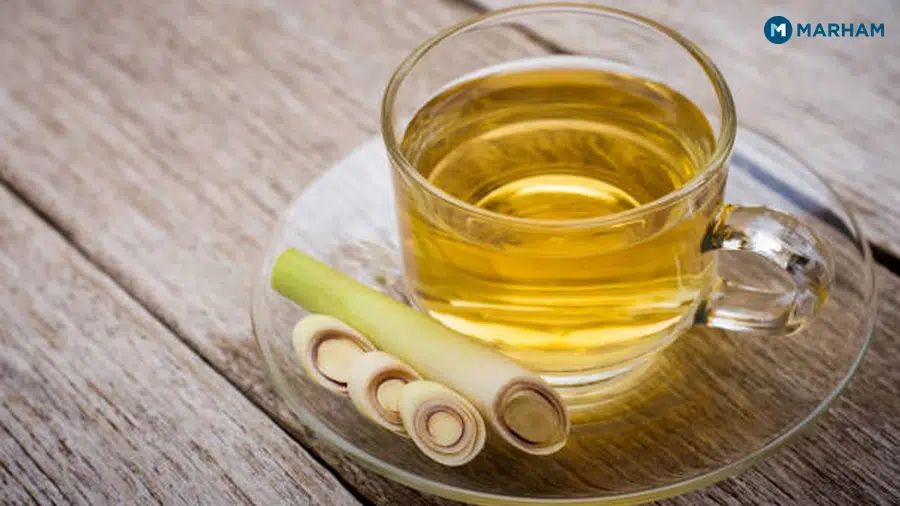
3. Rich in Antioxidants
According to a 2021 review of studies cited by Healthline, lemongrass contains several antioxidants, including chlorogenic acid and isoorientin, that may help reduce oxidative stress in the body. Oxidative stress is linked to chronic diseases including cardiovascular disease and type 2 diabetes. One cup of lemongrass tea contributes to your daily antioxidant intake without any added sugar, which matters in a Pakistani diet already high in refined carbohydrates.
4. May Support Healthy Blood Pressure
A 2022 review of animal and human studies found that lemongrass may have anti-hypertensive properties, partly because citral supports vasodilation (widening of blood vessels). This is encouraging, but the evidence is not strong enough to use lemongrass tea as a replacement for prescribed blood pressure medication. Anyone already on antihypertensive drugs should be cautious, since the tea may add to the medication’s effect. Talk to a cardiologist in Pakistan before making any changes if you’re managing hypertension.
5. Has Antimicrobial Properties
Citral, the compound responsible for lemongrass’s lemony scent, has demonstrated antibacterial and antifungal activity in laboratory studies. A 2021 study found that lemongrass essential oil was effective against several common bacterial strains. For everyday use, this means lemongrass tea may offer mild immune support during cold and flu season, which in Pakistan tends to peak between November and February. It’s not a treatment for active infections, but it’s a sensible addition to your winter routine.
6. Mild Diuretic Effect That Aids Detoxification
Lemongrass tea has a gentle diuretic effect, meaning it encourages more frequent urination. This can help flush out waste and reduce water retention. The key word is mild: it’s not a medical detox, but for someone who drinks very little water during the day, swapping one cup of sugary squash for lemongrass tea is a practical, low-effort improvement.
7. May Help Manage Cholesterol
Laboratory and some early human studies found that lemongrass extract was associated with lower LDL cholesterol levels. A study referenced by PharmEasy noted this effect, though researchers acknowledged that more robust human trials are needed before firm recommendations can be made. Paired with a diet lower in ghee-heavy dishes and fried snacks, lemongrass tea may be a sensible supporting habit for heart health.
8. Skin and Hair Support
Lemongrass is a source of vitamins A and C, both of which play a role in skin health and collagen production. Some evidence suggests its antimicrobial properties may also help with acne-prone skin. This is more relevant as a dietary contribution than as a topical treatment. For Pakistani women dealing with oily skin during the Karachi or Lahore summer, replacing a sugary fizzy drink with lemongrass tea is a simple swap that reduces sugar load and adds antioxidants at the same time.
Lemongrass Tea Nutrition Facts (Per 240ml Brewed Cup)
| Nutrient | Amount | Notes |
|---|---|---|
| Calories | ~2 to 5 kcal | Virtually calorie-free |
| Caffeine | 0 mg | Fully caffeine-free |
| Vitamin C | Trace amounts | From the plant material |
| Potassium | Trace amounts | Supports fluid balance |
| Antioxidants | Chlorogenic acid, isoorientin | Confirmed in 2021 review |
Note: Brewed tea contains far lower concentrations of nutrients than raw lemongrass. The benefits come from bioactive compounds, not macro-nutrients.
How to Make Lemongrass Tea at Home in Pakistan
Making lemongrass tea at home is straightforward. Fresh stalks give a stronger flavour; dried stalks from your local pansar work just as well.
- Get your lemongrass. Buy fresh lemongrass stalks from a sabzi mandi (vegetable market) in Lahore, Karachi, or Islamabad, or pick up dried lemongrass from a pansar shop. Dried versions from ChiltanPure or local herbal stores cost around Rs 200 to Rs 400 per pack.
- Prepare the stalks. If using fresh stalks, cut two to three pieces roughly 5cm long and lightly crush them with the flat side of a knife to release the citral oils. For dried grass, use about one tablespoon.
- Boil the water. Add the lemongrass to two cups of water and bring to a gentle boil. Let it simmer for 8 to 10 minutes. The longer it simmers, the stronger and more fragrant the brew.
- Add a desi twist. Drop in a small piece of fresh adrak (ginger) for warmth, or two elaichi (cardamom) pods for fragrance. A squeeze of fresh lemon and a teaspoon of local honey from a Lahore or Islamabad herbal store rounds it out nicely. This combination is common in qehwa culture across Khyber Pakhtunkhwa.
- Strain and serve. Pour through a fine strainer into a cup. Drink warm after meals for digestion, or at room temperature in summer as a light, refreshing herbal drink.
- Adjust for the season. In Karachi’s summer heat (April to July), brew a batch, let it cool, and serve over ice with a mint sprig. In winter, keep it hot and add a pinch of cinnamon.
- Limit to one or two cups per day. More than that may cause excessive urination or mild dizziness in some people.
Side Effects and Who Should Be Careful
Lemongrass tea is generally safe for most adults when consumed in moderate amounts, typically one to two cups per day. That said, a few groups should take care.
Pregnant women should avoid large amounts of lemongrass tea. Some sources note it may stimulate uterine contractions, and it’s best to check with a gynaecologist before drinking it regularly during pregnancy.
People on blood pressure or blood sugar medication should monitor their intake. The tea may have a mild additive effect with these medications, which can occasionally push readings lower than intended.
Those prone to allergies should start with a small amount. Rare allergic reactions, including skin rash or itching, have been reported. If you notice any reaction, stop and consult a doctor.
People with kidney conditions should be cautious about the diuretic effect, particularly if they are on a fluid-restricted regimen.
If you’re unsure whether lemongrass tea fits your health situation, a quick consultation with a nutritionist in Pakistan can give you a personalised answer in minutes.
Get Dietary Advice from Marham
Adding herbal teas to your routine is a sensible wellness step, but the right dietary choices depend on your individual health picture. Someone managing hypertension, diabetes, or a digestive condition has different needs from someone who is generally healthy and just looking for a chai alternative.
Marham connects you with verified nutritionists in Pakistan who consult online from anywhere in the country, whether you’re in Karachi, Multan, or a smaller city where specialist access is limited. A short online consultation typically takes 15 to 20 minutes and can help you build a practical, Pakistan-appropriate diet plan that accounts for your desi food habits, your health conditions, and your budget. You can also explore related reads like chamomile tea benefits and uses in Pakistan and ginger tea benefits for daily health to build out your herbal tea knowledge.
Frequently Asked Questions
Is lemongrass tea good for weight loss?
Lemongrass tea can support weight management as part of a calorie-controlled diet, mainly by replacing sugary drinks and providing a mild diuretic effect that reduces water retention. It doesn’t burn fat on its own, and no herbal tea is a substitute for a balanced diet and physical activity.
Can I drink lemongrass tea every day?
Yes, one to two cups per day is considered safe for most healthy adults. Drinking more than that may cause excessive urination, dizziness, or dry mouth in some people, so moderation is sensible.
What is the best time to drink lemongrass tea?
After meals is a popular and practical time, since its carminative properties may help ease bloating and digestion. In the evening it works well as a caffeine-free wind-down drink that won’t disrupt sleep.
Does lemongrass tea help with sleep?
Lemongrass tea is caffeine-free and has mild calming properties that may support relaxation before bed. The evidence for a direct sleep benefit is limited, but replacing an evening cup of regular chai with lemongrass tea removes the caffeine that often disrupts sleep in Pakistan’s late-night tea culture.
Who should not drink lemongrass tea?
Pregnant women, people on blood pressure or blood sugar medication, and those with known grass allergies should be cautious. Anyone with a chronic health condition should check with their doctor before making it a daily habit.
Conclusion
Lemongrass tea is a low-risk, genuinely pleasant herbal drink with real but still-emerging evidence behind its benefits. For most Pakistani adults, swapping one sugary beverage a day for a cup of lemongrass tea brewed with adrak and a drizzle of local honey is a small, sensible change. The benefits are supportive, not curative, and they work best as part of a diet that already prioritises whole foods, hydration, and movement.