

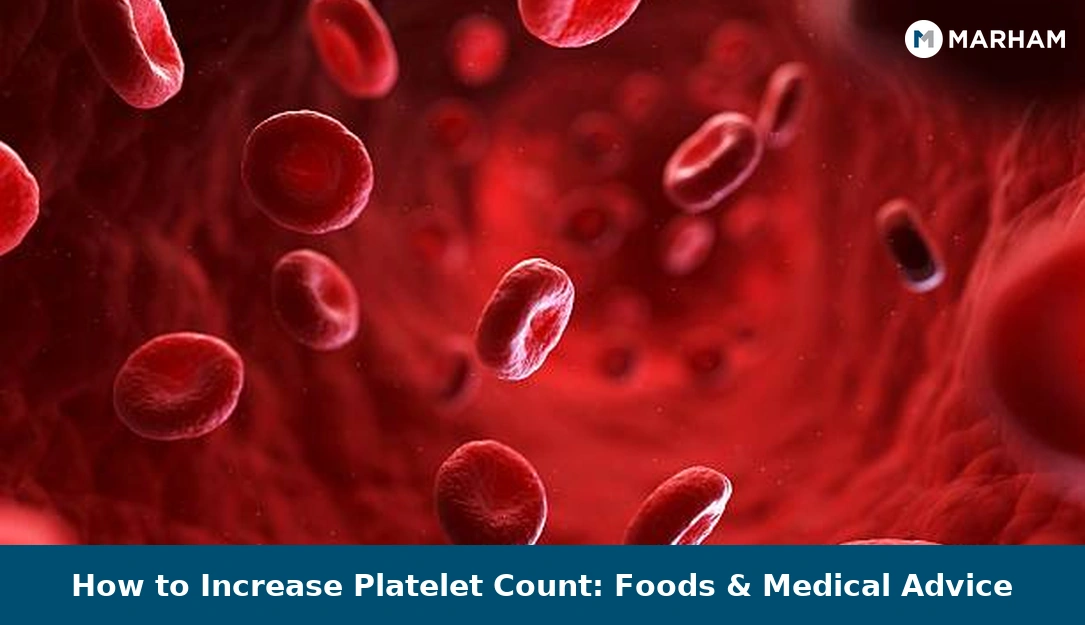

Platelet count drops are a familiar worry for Pakistani families, especially during dengue season. Every monsoon, hospitals in Lahore and Karachi see a surge in patients whose platelet levels have fallen sharply after a viral fever, and families scramble for advice on what to eat and what to do.
A CBC is the test that shows your platelet count.
CBC Test at Marham Lab: Rs 560
Home sample collection in Lahore.
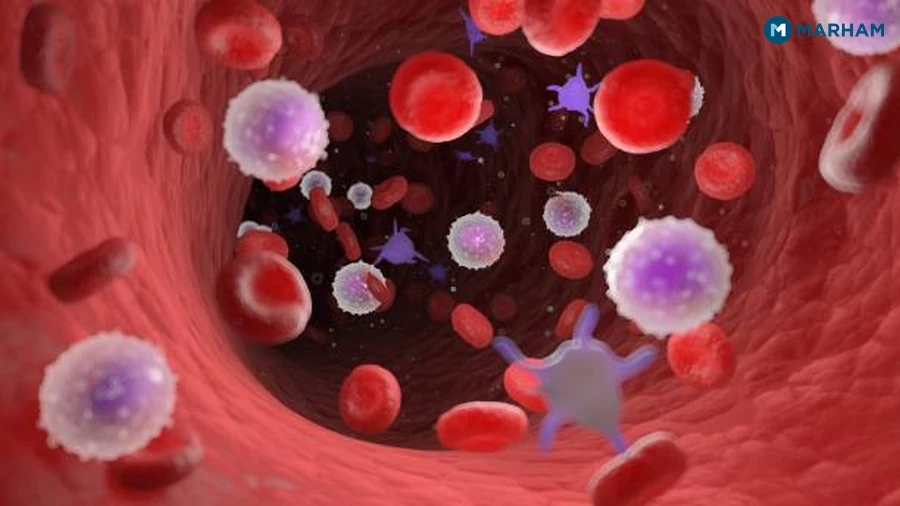
Platelets are tiny blood cells produced in the bone marrow that help your blood clot when you bleed. A healthy count sits between 150,000 and 450,000 platelets per microlitre of blood, according to standard clinical references. When the count drops below that range, the condition is called thrombocytopenia, and it can range from mild and manageable to serious enough to need hospital care.
The right foods can support platelet production when the cause is nutritional or when you are recovering from a viral illness. But diet alone is not a substitute for medical evaluation, particularly when the drop is severe. This guide covers both sides: what to eat and when to get help.
پلیٹلیٹ بڑھانے کے اہم نکات
پلیٹلیٹ خون کے وہ چھوٹے خلیے ہیں جو زخم پر خون روکنے میں مدد کرتے ہیں۔ پاکستان میں ڈینگی بخار، وائرل انفیکشن اور غذائی کمی پلیٹلیٹ کم ہونے کی عام وجوہات ہیں۔ فولیٹ، وٹامن بی 12، وٹامن سی اور آئرن سے بھرپور غذائیں جیسے پالک، انار، پپیتے کے پتوں کا رس اور دال پلیٹلیٹ کی پیداوار میں مددگار ثابت ہو سکتی ہیں۔ اگر پلیٹلیٹ 50,000 سے کم ہو جائیں یا ناک سے خون آئے، جلد پر نشانات ظاہر ہوں تو فوری طور پر ڈاکٹر سے رجوع کریں۔
What Is a Normal Platelet Count?
A normal platelet count ranges from 150,000 to 450,000 platelets per microlitre of blood. Mild thrombocytopenia (50,000 to 150,000) often causes no symptoms and can sometimes be managed with dietary changes and rest. Counts below 50,000 carry a real risk of spontaneous bleeding and generally require medical attention. Counts below 20,000 are a medical emergency.
A complete blood count (CBC) test is the standard way to check your platelet level. In Pakistan, a CBC typically costs between Rs. 400 and Rs. 900 at most private labs, making it one of the most accessible diagnostic tests available.
Common Causes of Low Platelet Count in Pakistan
Understanding why platelets drop matters because the treatment depends on the cause. Dietary changes only help when the cause is nutritional or when you are recovering from a mild viral illness.
Common causes in Pakistan include:
- Dengue fever, which is widespread in Lahore, Karachi, and Rawalpindi during the monsoon months (July to October). If you have fever with a falling platelet count, a dengue NS1 test (Rs 2,100) can confirm whether dengue is the cause.
- Other viral infections such as hepatitis C and typhoid
- Iron or folate deficiency, often linked to poor dietary variety
- Vitamin B12 deficiency, common in people who eat little meat or dairy
- Autoimmune conditions like immune thrombocytopenic purpura (ITP), where the body’s own immune system destroys platelets
- Certain medications, including some antibiotics and chemotherapy drugs
- Bone marrow disorders
If the cause is dengue or another active infection, food helps support recovery but cannot replace medical monitoring. Platelet counts in severe dengue can fall below 20,000, according to the World Health Organization, which classifies severe thrombocytopenia as a warning sign requiring hospital-level care.
8 Foods That Support Platelet Production
These foods supply the key nutrients your bone marrow needs to produce and maintain healthy platelets. They work best when the underlying cause is nutritional or when you are in the recovery phase of a mild illness.
1. Papaya and Papaya Leaf Juice
Papaya is the most talked-about food for low platelets in Pakistan, and there is real research behind it. A study published in the journal Evidence-Based Complementary and Alternative Medicine (2013, Subenthiran et al.) found that papaya leaf juice significantly accelerated platelet recovery in dengue patients compared to a control group. The active compounds include acetogenin and papain, which appear to stimulate bone marrow activity.
Fresh papaya fruit is easy to find in any Pakistani bazaar. For the leaf juice, wash two to three young papaya leaves, blend them, and strain out two tablespoons of juice. Mix with a tablespoon of honey and drink twice daily. It tastes bitter, but many families in Pakistan use this during dengue recovery. Always consult your doctor before starting it if you are on any medication.
2. Pomegranate (Anar)
Pomegranate is rich in iron, vitamin C, and polyphenol antioxidants. Iron supports overall blood cell production, and vitamin C helps the body absorb iron more efficiently. A glass of fresh anar juice daily is a practical and widely available option across Pakistan, particularly in winter when the fruit is in season. It also has anti-inflammatory properties that may reduce platelet destruction in mild autoimmune conditions.
3. Spinach and Fenugreek Leaves (Palak and Methi)
Dark leafy greens are among the best dietary sources of folate (vitamin B9) and vitamin K. Folate is essential for healthy cell division, including the production of new platelets. Vitamin K supports the clotting process. Palak and methi are staples of the Pakistani desi diet and are available year-round. Add them to daal, saag, or omelettes. A single cup of cooked palak provides a meaningful portion of your daily folate requirement.
4. Lentils and Kidney Beans (Daal and Rajma)
Lentils are one of the richest plant-based sources of folate and iron in the Pakistani diet. A bowl of masoor daal or chana daal at lunch and dinner covers a significant share of the daily folate target of 400 mcg that the NIH recommends for adults. Kidney beans (rajma) are similarly rich. These are affordable, available everywhere, and fit naturally into how most Pakistani families already eat.
5. Eggs
Eggs supply vitamin B12, protein, and iron, all of which support platelet and red blood cell production. Vitamin B12 deficiency is one of the documented nutritional causes of low platelet count, according to the NIH. Two eggs a day is a practical and affordable way to address B12 intake, particularly for people who do not eat much red meat.
6. Citrus Fruits and Amla (Vitamin C Sources)
Vitamin C does not directly raise platelet numbers, but it enhances platelet function and significantly improves iron absorption from plant-based foods. Oranges, lemons, and guava are widely available in Pakistan. Amla (Indian gooseberry) is exceptionally rich in vitamin C and is sold dried or as juice at most herbal stores across the country. Squeezing lemon over your daal or eating an orange after meals is a small habit with a real nutritional payoff.
7. Pumpkin and Pumpkin Seeds
Pumpkin is rich in vitamin A, which plays a role in regulating platelet production in the bone marrow. Pumpkin seeds (kaddu ke beej) provide zinc, which supports immune function and cell division. Both are inexpensive and widely available in Pakistani vegetable markets. Roasted pumpkin seeds make a practical snack during recovery.
8. Dates (Khajoor)
Dates are a concentrated source of iron and natural sugars that provide energy during recovery. They are a familiar part of the Pakistani diet, particularly during Ramadan, and are available year-round at any kiryana store. Two to three dates a day add meaningful iron without any preparation.
Key Nutrients for Platelet Health at a Glance
| Nutrient | Role in Platelet Health | Pakistani Food Sources |
|---|---|---|
| Folate (B9) | Cell division; platelet production | Palak, masoor daal, rajma, methi |
| Vitamin B12 | Red blood cell and platelet formation | Eggs, meat, dairy, fish |
| Vitamin C | Iron absorption; platelet function | Amla, guava, lemon, orange |
| Vitamin K | Blood clotting support | Palak, methi, broccoli |
| Iron | Blood cell production | Dates, rajma, red meat, daal |
| Zinc | Immune function; cell division | Pumpkin seeds, chickpeas, nuts |
What to Avoid If Your Platelet Count Is Low
Certain foods and habits can suppress platelet production or accelerate platelet destruction.
- Alcohol actively destroys platelets and causes folate deficiency, according to clinical literature
- Tonic water contains quinine, which can reduce platelet count in susceptible individuals
- Highly processed foods and refined sugars contribute to inflammation and poor bone marrow nutrition
- Excessive caffeine from multiple cups of strong chai throughout the day may impair iron absorption
- Tahini (sesame paste) and cranberry juice have been flagged in some studies as potentially reducing platelet function in people with immune thrombocytopenia (ITP), though evidence is limited
When to See a Doctor for Low Platelets
Dietary changes can support mild cases, but some situations need a doctor immediately. Do not rely on food alone if you notice any of the following:
- Small red or purple spots on the skin (petechiae), which look like a rash that does not fade when pressed
- Unexplained bruising, especially on the legs
- Bleeding from the nose or gums that does not stop within a few minutes
- Blood in urine or stools
- Unusually heavy menstrual bleeding
- Fever alongside a dropping platelet count (a classic dengue pattern)
A platelet count below 50,000 warrants prompt medical review regardless of symptoms. Counts below 20,000 are a medical emergency. Consulting a hematologist or general physician in Pakistan is the right step when counts are falling quickly or when you cannot identify a dietary cause. A general physician can order a CBC, review your medication list, and refer you to a hematologist if needed.
For patients recovering from dengue, doctors in Lahore and Karachi typically monitor CBC every 24 to 48 hours during the critical phase. Do not skip these follow-up tests, even if you feel better.
Get Expert Dietary and Medical Advice from Marham
Finding reliable medical guidance when your platelet count drops can feel urgent, especially if you are managing dengue recovery at home or trying to figure out whether a nutritional deficiency is the cause. Many Pakistani families spend days trying different home remedies before seeing a specialist, which can delay care when the situation is actually serious.
Marham connects you with verified nutritionists in Pakistan who can review your diet and suggest a structured plan based on your CBC results, as well as general physicians who can assess whether your low platelet count needs further investigation. A short online consultation typically takes 15 to 20 minutes and can clarify whether dietary changes are sufficient or whether you need in-person testing and treatment. You can also read more about anti-inflammatory foods for a Pakistani diet to support your overall blood health.
Frequently Asked Questions
What is a normal platelet count in adults?
A normal platelet count ranges from 150,000 to 450,000 platelets per microlitre of blood. Counts below 150,000 are considered low (thrombocytopenia), though mild drops between 100,000 and 150,000 often cause no symptoms and may not need treatment.
How quickly can platelet count increase with diet?
Dietary changes are not a quick fix. When the cause is a nutritional deficiency, meaningful improvement typically takes one to two weeks of consistent dietary changes. During dengue recovery, platelet counts often begin rising on their own within five to seven days after the fever breaks, with good nutrition supporting the process.
Is papaya leaf juice really effective for low platelets?
Research suggests it may help, particularly during dengue recovery. A peer-reviewed study published in Evidence-Based Complementary and Alternative Medicine (2013) found papaya leaf juice significantly accelerated platelet recovery in dengue patients. However, evidence is still limited and it should be used alongside, not instead of, medical care.
What foods should I avoid if I have low platelet count?
Avoid alcohol, tonic water (which contains quinine), heavily processed foods, and excessive caffeine. People with immune thrombocytopenia (ITP) should also discuss tahini and cranberry juice with their doctor, as some studies suggest these may reduce platelet function in that specific condition.
Can stress lower platelet count?
Chronic stress may contribute to lower platelet counts indirectly. Stress activates inflammatory pathways and can impair immune regulation, which in some people with autoimmune conditions like ITP may worsen platelet destruction. Adequate sleep and stress management are reasonable supportive measures, though they cannot replace medical treatment.
When should I see a doctor for low platelet count?
See a doctor promptly if your count drops below 50,000, if you notice petechiae (small red spots on the skin), unexplained bruising, nosebleeds that won’t stop, or blood in urine or stools. A fever alongside falling platelets during monsoon season in Pakistan should always be evaluated for dengue without delay.
Can I check my platelet count at home?
No. Platelet count is measured through a complete blood count (CBC) test, which requires a blood sample analysed in a lab. In Pakistan, a CBC costs roughly Rs. 400 to Rs. 900 at most private labs. If you suspect low platelets, book a CBC rather than relying on symptoms alone.
Conclusion
Low platelet count is common in Pakistan, especially during and after dengue season, and the right foods genuinely help support recovery when the cause is nutritional or viral. Papaya leaf juice, palak, anar, daal, eggs, and citrus fruits are practical, locally available options that supply the folate, vitamin B12, vitamin C, iron, and zinc your bone marrow needs. That said, diet is a support tool, not a treatment. A falling platelet count with warning signs like petechiae, nosebleeds, or fever needs a doctor, not just a dietary change.