

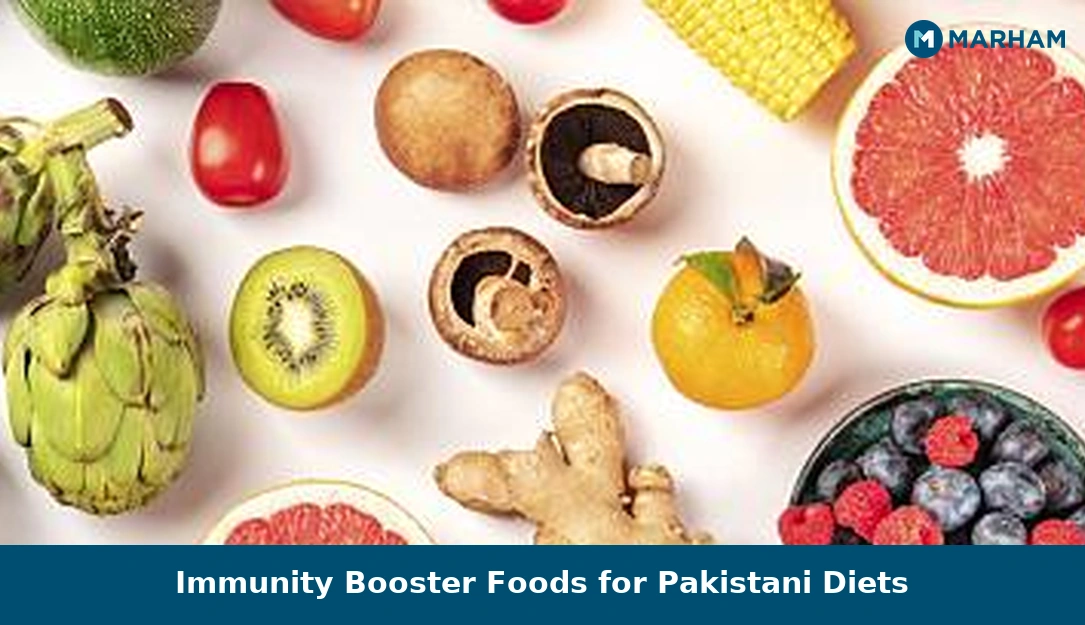

Every Pakistani kitchen already stocks most of the best immunity booster foods available. Garlic, adrak, haldi, amla — these are not exotic imports. They are the everyday ingredients that generations of Pakistani families have reached for at the first sign of a cold or seasonal flu.
Winter in Lahore and Karachi brings a familiar pattern: smog settles over the city, temperatures drop, and coughs spread through schools and offices within days. According to a 2023 review published in the journal Nutrients, a diet consistently rich in vitamins C, D, and zinc is associated with measurably stronger immune cell responses. The good news is that most of these nutrients come from foods already common in Pakistani households.
This guide covers the ten most effective immunity-supporting foods, explains the mechanism behind each one, and shows exactly how to fit them into a desi diet — including during Ramadan.
قوت مدافعت بڑھانے والی غذائیں
قوت مدافعت یعنی immune system ہمارے جسم کی قدرتی دفاعی ڈھال ہے جو وائرس اور بیکٹیریا سے لڑتی ہے۔ لہسن، ادرک، ہلدی، کلونجی اور آملہ جیسی غذائیں پاکستانی باورچی خانوں میں آسانی سے دستیاب ہیں اور یہ سفید خون کے خلیوں کو مضبوط بناتی ہیں۔ وٹامن سی، وٹامن ڈی، اور زنک سے بھرپور غذائیں کھانے سے موسمی بیماریوں کا خطرہ کم ہوتا ہے۔ ان غذاؤں کو روزانہ کی خوراک میں شامل کرنا قوت مدافعت بڑھانے کا سب سے محفوظ اور مؤثر طریقہ ہے۔
Key Takeaways
- Garlic, ginger, and turmeric are the most accessible immunity-supporting spices in Pakistan.
- Vitamin C, vitamin D, and zinc are the three nutrients most directly linked to immune cell function, per research published in Nutrients (2023).
- Kalonji (nigella seeds) is a locally available seed with well-studied antimicrobial properties.
- Yogurt (dahi) supports gut health, and roughly 70% of immune cells are located in the gut lining, according to the NIH.
- No single food prevents illness. A varied diet, adequate sleep, and hydration work together.
- During Ramadan, breaking the fast with dates, warm lemon water, and a protein-rich meal helps maintain immune function across long fasting hours.
Which Foods Actually Boost Immunity?
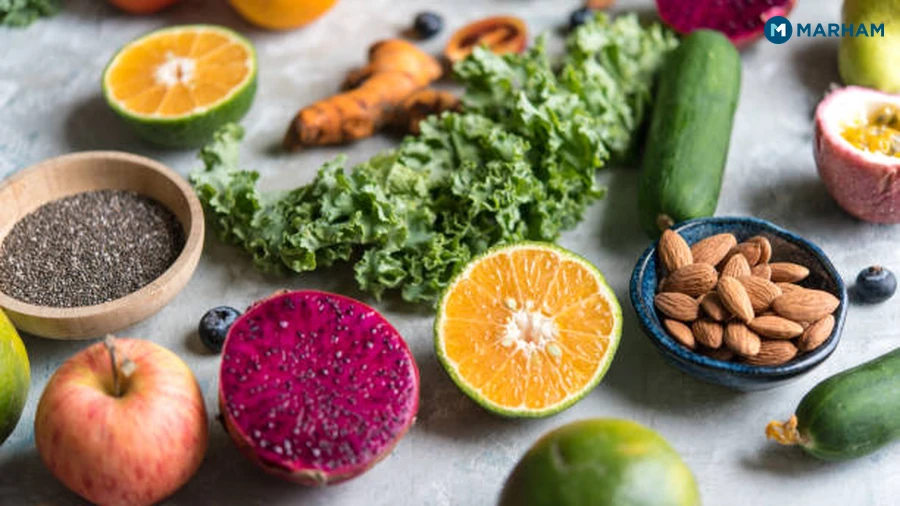
Immunity booster foods are foods that supply the specific vitamins, minerals, and antioxidants your immune system needs to produce and activate white blood cells. No food can prevent infection on its own. What these foods do is give your body the raw materials to respond faster and more effectively when a pathogen enters.
The nutrients most directly linked to immune function, per the NIH Office of Dietary Supplements, are vitamin C, vitamin D, zinc, and selenium. The foods below are the best Pakistani-accessible sources of these nutrients.
Garlic (Lehsun)
Garlic contains allicin, a sulfur compound released when a clove is crushed or chopped. Research published in the Journal of Immunology Research suggests allicin may stimulate the activity of white blood cells. In Pakistani cooking, garlic goes into almost every salan — but the allicin is partially destroyed by prolonged high heat. Adding one crushed clove to a dish in the final two minutes of cooking preserves more of its active compounds.
Ginger (Adrak)
Ginger contains gingerol and shogaol, compounds with anti-inflammatory and antioxidant properties. A warm cup of adrak chai with a squeeze of lemon is one of the most practical immunity-supporting drinks in Pakistan, particularly during the November to February smog season in Lahore and Islamabad. Ginger may also help reduce nausea and soothe a sore throat, though it is not a treatment for infection.
Turmeric (Haldi)
Curcumin, the active compound in haldi, has been studied for its anti-inflammatory effects. Haldi doodh — warm milk with half a teaspoon of turmeric and a pinch of black pepper — is a traditional Pakistani remedy that has scientific backing: black pepper contains piperine, which research suggests may improve curcumin absorption by up to 20 times, according to a study in Planta Medica. One cup before bed is a practical habit, especially for children during flu season.
Kalonji (Nigella Seeds)
Kalonji, known in Arabic as Habbatus Sauda, is one of the most uniquely Pakistani-accessible immunity-supporting foods. Its active compound, thymoquinone, has demonstrated antimicrobial and anti-inflammatory properties in multiple laboratory studies reviewed by the NIH. A half-teaspoon of kalonji oil or seeds added to warm honey in the morning is a common practice in Pakistani households. Kalonji is widely available in kirana stores across Pakistan at roughly Rs. 200 to Rs. 400 per 100g.
Amla (Indian Gooseberry)
Amla is one of the richest natural sources of vitamin C available in Pakistan. According to the USDA, 100g of amla contains approximately 445mg of vitamin C — roughly five times the amount in an orange. Fresh amla appears in Lahore and Karachi markets from October to February. A small amla murabba (preserve) or a tablespoon of amla powder in water each morning is a practical way to maintain vitamin C intake through winter.
Citrus Fruits (Malta, Lemon, Kinoo)
Malta and kinoo are winter staples in Pakistan and among the most affordable sources of vitamin C available between November and March. Vitamin C supports the production of white blood cells, which are the body’s primary infection fighters. The daily recommended intake for adults is 65 to 90mg, according to the NIH — one medium kinoo provides roughly 70mg. Drinking fresh kinoo juice without added sugar is more effective than packaged juice, which often loses vitamin C during processing.
Dahi (Yogurt)
Dahi is a probiotic food, meaning it contains live bacterial cultures that support the gut microbiome. The NIH estimates that roughly 70% of the body’s immune cells are located in the gut-associated lymphoid tissue. A daily serving of plain, unsweetened dahi — particularly the thicker variety common in Pakistani households — may help maintain this gut-immune balance. Avoid flavored or sweetened commercial yogurts, which often contain added sugar that can counteract the benefit.
Spinach (Palak)
Palak is rich in vitamins A, C, and E, as well as beta-carotene and folate. Vitamin A, in the form of beta-carotene, supports the integrity of the mucosal lining in the nose and throat — the body’s first physical barrier against airborne pathogens. Palak gosht and palak daal are two common Pakistani dishes that make it easy to include spinach regularly. Light cooking is better than prolonged boiling, which reduces the vitamin C content.
Eggs (Anday)
Eggs are one of the few dietary sources of vitamin D, a nutrient that plays a direct role in regulating immune responses. Vitamin D deficiency is widespread in Pakistan: a study published in the Pakistan Journal of Medical Sciences found deficiency rates of over 70% in urban Pakistani adults. One egg provides roughly 6% of the daily recommended vitamin D intake. Combined with regular sun exposure — which is often limited in smoggy winter months in major cities — eggs are a practical daily source. For a deeper look at vitamin D-rich foods available in Pakistan, see Vitamin D3 Rich Foods for Pakistanis.
Nuts and Seeds (Badam, Akhrot, Til)
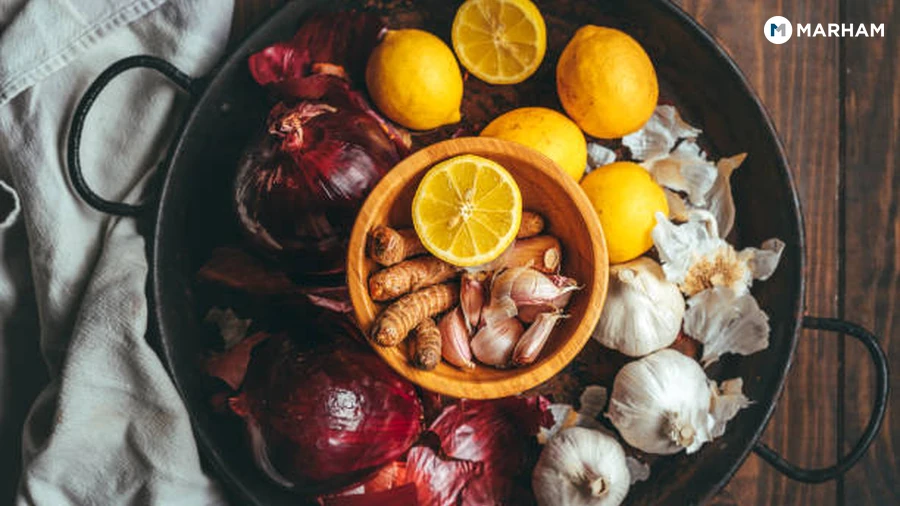
Almonds (badam) are a good source of vitamin E, a fat-soluble antioxidant that helps regulate immune function. Walnuts (akhrot) provide omega-3 fatty acids, which have anti-inflammatory properties. Sesame seeds (til) supply zinc, a mineral the immune system needs to produce and activate T-cells. A small daily handful of mixed nuts — available at any dry fruit shop in Pakistan for Rs. 300 to Rs. 600 per 100g — covers multiple immune-supporting nutrients at once.
Nutrition at a Glance: Key Immunity Nutrients
| Nutrient | Main Function | Best Pakistani Sources |
|---|---|---|
| Vitamin C | White blood cell production | Amla, kinoo, lemon, guava |
| Vitamin D | Immune cell regulation | Eggs, sunlight, fortified milk |
| Zinc | T-cell activation | Badam, akhrot, daal, meat |
| Vitamin A | Mucosal barrier integrity | Palak, carrots, pumpkin |
| Probiotics | Gut microbiome support | Dahi, lassi |
| Allicin | Antimicrobial activity | Garlic (crushed, lightly cooked) |
| Curcumin | Anti-inflammatory | Haldi (with black pepper) |
How to Add These Foods to a Pakistani Diet: A Daily Plan
- Morning: One tablespoon of amla powder in warm water, or a small amla murabba. Add half a teaspoon of kalonji seeds to a teaspoon of honey.
- Breakfast: Two eggs (anday), any style. A cup of adrak chai with fresh ginger and a squeeze of lemon instead of plain doodh pati.
- Lunch: Any daal or salan that includes garlic — add one extra crushed clove near the end of cooking. Include a side of palak or gajar (carrots).
- Afternoon snack: A small handful of badam and akhrot from your local dry fruit shop. Costs roughly Rs. 50 to Rs. 80 per day.
- Dinner: A bowl of plain dahi alongside your main meal. During winter, a cup of haldi doodh (warm milk, half teaspoon haldi, pinch of black pepper) before bed.
- During Ramadan: Break the fast with dates and warm lemon water before the main meal. This restores blood sugar and provides an immediate vitamin C dose after a long fast. Include dahi in sehri to support gut health through the fasting hours.
Foods That Weaken Immunity (What Most Lists Skip)
This is the section most immunity food guides leave out. What you avoid matters as much as what you eat.
- Excess sugar: High sugar intake may suppress white blood cell activity for several hours after consumption, according to research reviewed by the American Journal of Clinical Nutrition.
- Ultra-processed snacks: Chips, packaged biscuits, and fizzy drinks are low in the micronutrients the immune system needs and high in additives that may promote inflammation.
- Excessive chai with little sleep: Caffeine in large amounts can disrupt sleep. The immune system performs key repair and memory functions during deep sleep, per the NIH. Cutting down to two to three cups of chai per day and sleeping seven to eight hours is one of the most effective immune-supporting habits available.
When to See a Specialist
Recurrent infections, slow wound healing, or illness that drags on for more than two weeks despite a reasonable diet are signs worth discussing with a doctor. These patterns can sometimes indicate an underlying nutritional deficiency, an autoimmune condition, or another issue that food alone cannot address. A nutritionist in Pakistan can assess your specific dietary gaps and recommend a plan suited to your age, health status, and daily routine. If recurrent illness is accompanied by fatigue, joint pain, or unexplained weight changes, a general physician or specialist review is appropriate.
For patients concerned about low platelet counts alongside immune issues, how to increase platelet count through diet covers the relevant foods and when to seek medical advice.
Get Expert Dietary Advice from Marham
Many Pakistani adults are eating reasonably well but still getting sick frequently each winter. The reason is often a specific micronutrient gap — vitamin D deficiency being the most common, given how limited sunlight exposure can be in smoggy urban winters in Lahore or Karachi. A dietary assessment from a qualified professional can identify exactly what your body is missing.
Marham connects you with verified nutritionists in Pakistan through online consultations available from anywhere in the country. A short session typically takes 15 to 20 minutes and can produce a practical, personalised eating plan based on your health history, not a generic list.
Frequently Asked Questions
Which food boosts immunity the fastest?
No single food produces an immediate immune boost. That said, vitamin C-rich foods like amla and fresh kinoo juice support white blood cell production relatively quickly when there is an existing deficiency. Consistent daily intake matters more than any single large dose.
Is garlic good for the immune system?
Yes, garlic contains allicin, a sulfur compound that may stimulate white blood cell activity. For best results, crush or chop garlic and let it sit for a few minutes before cooking, then add it near the end of cooking to preserve the active compounds.
What is the best drink to boost your immune system in Pakistan?
Adrak chai with fresh ginger and lemon is one of the most practical options. Warm haldi doodh (turmeric milk with black pepper) is another well-supported choice. Plain water and fresh kinoo juice are also effective, especially during winter months.
Which fruit is best for immunity in Pakistan?
Amla (Indian gooseberry) provides the highest concentration of vitamin C of any fruit commonly available in Pakistan, roughly 445mg per 100g according to the USDA. Kinoo and guava are close alternatives and easier to find year-round.
Can I boost my immune system in 24 hours?
Not meaningfully. Immune function reflects weeks and months of dietary habits, sleep, and lifestyle. You can support your body in the short term by staying hydrated, sleeping well, and eating nutrient-rich meals, but there is no reliable 24-hour fix.
Are immunity booster foods safe during Ramadan?
Yes. Most of these foods fit naturally into sehri and iftar. Dates, dahi, eggs, amla, adrak chai, and haldi doodh can all be included without disrupting the fast. Avoid large doses of supplements without consulting a doctor, as some may cause digestive discomfort on an empty stomach.
When should I see a doctor about a weak immune system?
If you are getting sick more than four to five times a year, infections are lasting unusually long, or wounds are slow to heal, consult a doctor. These patterns may indicate a deficiency or an underlying condition that needs proper evaluation, not just a dietary change.
Conclusion
The best immunity booster foods are not expensive imports or supplements — they are already in Pakistani kitchens. Garlic, haldi, adrak, kalonji, amla, dahi, palak, and kinoo collectively cover the key nutrients your immune system depends on. The practical step is building consistent daily habits around these foods, staying mindful of what undermines immunity, and getting a professional assessment if recurring illness suggests something more than a dietary gap.