

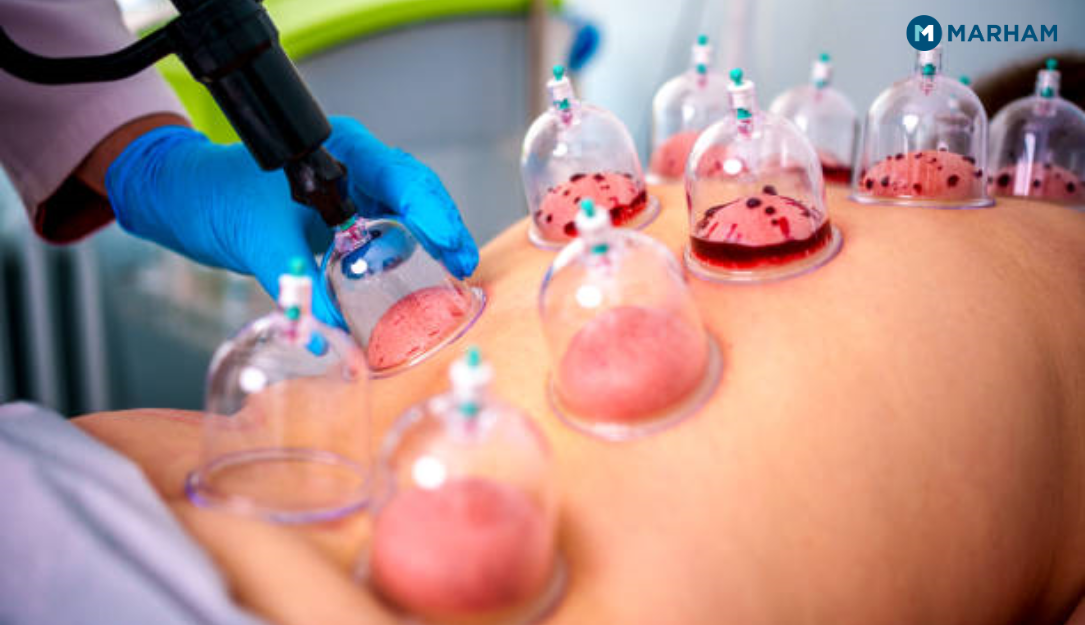
Hijama, or wet cupping therapy, relieves chronic pain, improves circulation, and supports conditions like high blood pressure, making it one of the most widely used complementary therapies in Pakistan. Practiced for centuries in Islamic, Egyptian, and Chinese medicine, it combines religious tradition with a growing body of clinical research. This guide covers how it works, what the evidence says, and how to find a safe practitioner.
What is Hijama Cupping Therapy?
Hijama is a type of cupping therapy where small cups are applied to the skin to create suction. The word Hijama comes from Arabic, meaning “sucking” or “vacuum,” and in Urdu it’s written as حجامہ.
The therapy works by drawing stagnant blood to the surface, improving circulation and promoting healing. Hijama has a long history of use as a therapeutic practice for addressing different physical conditions. Exploring Hijama benefits shows why this therapy is still relevant today.
Not sure if Hijama is right for you? Talk to a doctor first.
A General Physician can review your health history and advise whether Hijama is safe and suitable for your condition. Book with a PMC-verified doctor on Marham from the comfort of your home.
Find a General PhysicianBook online video consultation instead
Not sure if Hijama is right for you? Ask a verified doctor first.
A General Physician can review your health history and confirm whether Hijama is safe for your condition. Marham connects you with 16,000+ PMC-verified doctors across 155 cities in Pakistan, for online and in-clinic visits.
The Science Behind Hijama Benefits
Now, let’s discuss what actually happens when you get Hijama and how it works inside your body.
Hijama works by creating controlled suction on the skin, which gently lifts the tissue underneath. This negative pressure encourages blood that has slowed down or pooled in one area to move again. As blood flow increases, fresh oxygen and nutrients are delivered to the tissues. On the other hand, waste products that build up over time are carried away through the body’s natural systems.
Instead of directly treating symptoms, Hijama activates the body’s own natural healing mechanisms. It improves circulation, stimulating nerve communication, releasing endorphins, and supporting detox pathways. This is why many people feel lighter, more relaxed, and rejuvenated after a session.
Top 8 Hijama Benefits for Your Health
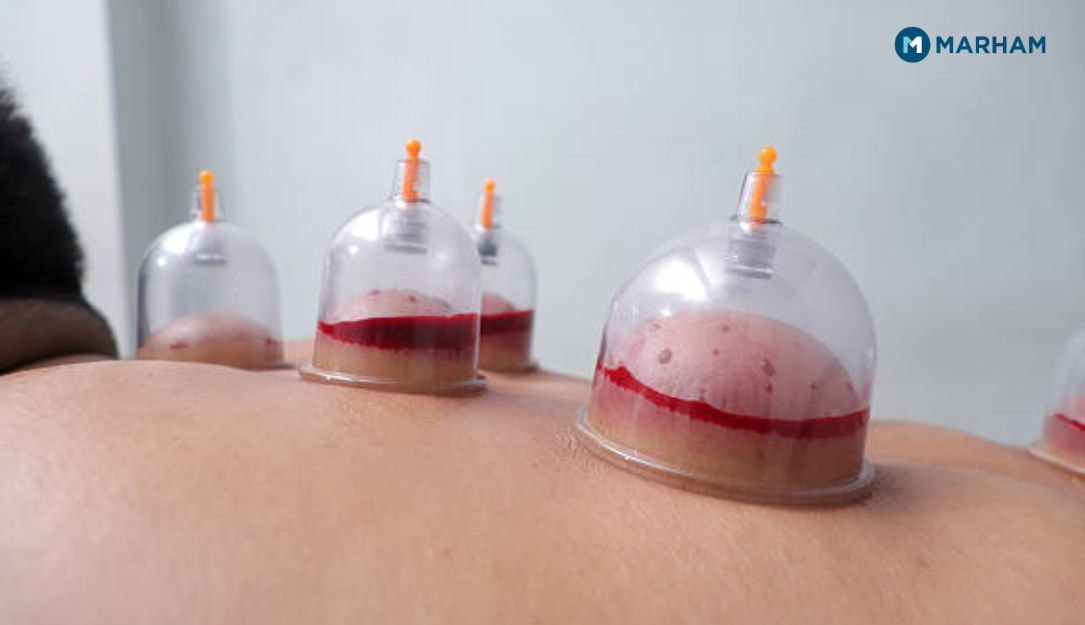
Hijama works with your body in remarkable ways. The wide-ranging Hijama benefits extend from physical relief to mental wellness. Here’s how this cupping therapy can make a real difference to your health.
1. Pain Relief
One of the biggest reasons people try Hijama is for pain management. No matter if you are dealing with back pain, neck stiffness, shoulder discomfort, or headaches, Hijama targets the problem area directly. By improving blood flow and reducing inflammation, it eases various types of chronic pain.
2. Better Blood Circulation
When cups are applied to your skin, they create suction that draws blood toward the surface. This boost in circulation delivers more oxygen and nutrients throughout your body. It also helps your cells function better.
3. Detoxification
Wet cupping (the complete Hijama process) involves making tiny, superficial cuts after suction. This allows stagnant blood containing toxins to leave your body. Many practitioners believe this detoxification process supports liver and kidney function.
4. Stress and Anxiety Relief
Feeling stressed? Hijama might help. The therapy promotes relaxation by triggering the release of endorphins, your body’s feel-good chemicals. Many people report feeling calmer and more balanced after sessions.
5. Immune System Support
By removing toxins and improving circulation, Hijama may help strengthen your immune system. Better blood flow means your body can fight off infections more effectively.
6. Skin Health
The increased blood flow from cupping brings nutrients to your skin cells. Some people use Hijama to manage conditions like acne or eczema, as it promotes cellular repair and skin renewal.
7. Digestive Health
Hijama can stimulate internal organs and improve nutrient absorption. It’s sometimes used to help with digestive issues like constipation or bloating.
8. Women’s Health
Women also use Hijama for menstrual problems, fertility concerns, and menopausal symptoms. It may help regulate cycles and reduce period pain.
Hijama Points on Your Body
Hijama is not done randomly. There are specific points on your body where practitioners apply the cups. These points correspond to different health concerns.
The 9 Hijama Sunnah Points
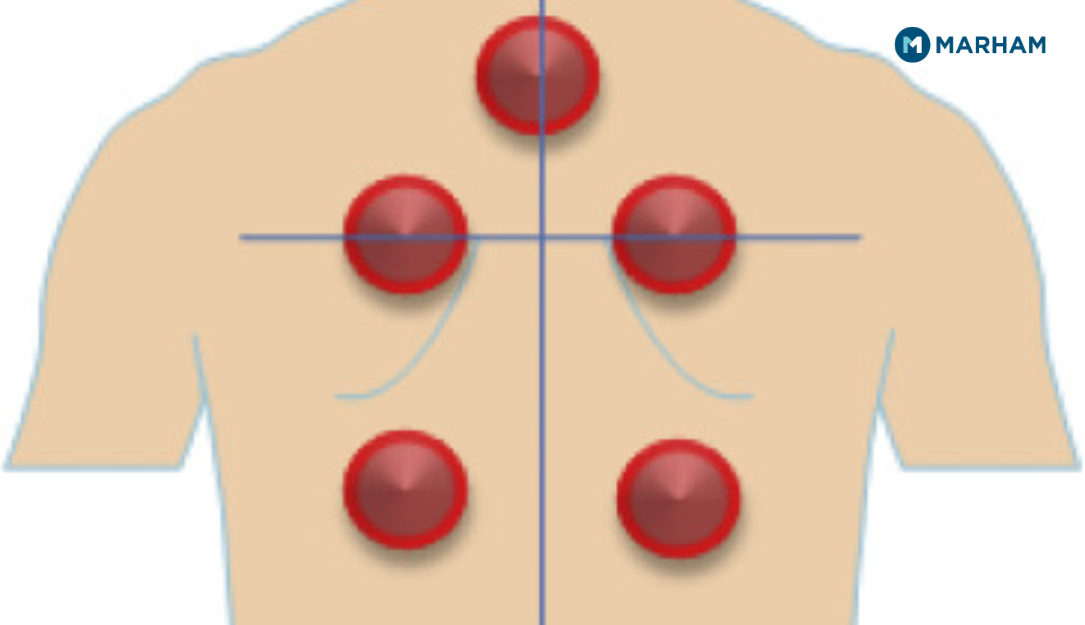
In traditional Islamic medicine, Hijama is applied to specific points on the body known as Sunnah points. These points have been used for centuries and are believed to provide targeted therapeutic benefits. Practitioners today continue to use these locations as a guide for effective treatment.
- Point 1 (Head/Crown): Located at the top of your head, known as Yafookh. This point is sometimes called the “mother of diseases.”
- Points 2 & 3 (Neck): Found at the back of your neck, just under the hairline. These points may help with up to 72 different conditions according to tradition.
- Point 4 (Upper Back): Located between your shoulder blades, called Al-Kahil. This is one of the most important detoxification points.
- Points 5 & 6 (Shoulders): Situated on both sides of point 4, these help with muscle pain and skin issues.
- Points 7 & 8 (Mid-Back): Help with kidney problems, urinary issues, and lower back pain.
- Point 9 (Feet): Found on top of your feet, this point addresses swelling, fertility issues, and arthritis.
Beyond these traditional points, practitioners may use additional locations on your back, chest, and limbs according to your specific health concerns. Knowing these points helps you maximize the Hijama benefits during therapy.
Best Hijama Dates: When Should You Get It Done?
Timing matters in Hijama therapy. Islamic tradition recommends specific dates for optimal results.
The Recommended Dates
According to Prophetic guidance, the best days are the 17th, 19th, and 21st of the Islamic lunar month. These dates are believed to maximize healing benefits. The practice is most beneficial when these dates fall on Monday, Tuesday, or Thursday.
Days to Avoid
Many practitioners suggest avoiding Hijama on:
- Fridays (most commonly avoided)
- Wednesdays
- The 13th, 14th, and 15th of the lunar month
Best Time of Day
Hijama works best on an empty stomach, preferably in the early morning hours before breakfast. This timing helps your body focus its energy on the healing process and fully reap the Hijama benefits.
Hijama Meaning in Urdu
حجامہ ایک قدیم طریقہ علاج ہے جس میں جسم کے مخصوص حصوں پر کپ لگا کر سکشن پیدا کیا جاتا ہے۔ اس عمل سے جسم میں رک گیا خون حرکت میں آتا ہے اور زہریلے مادے خارج ہوتے ہیں، جس سے صحت بہتر ہوتی ہے اور جسم کی قدرتی صفائی اور تندرستی کو فروغ ملتا ہے۔
The Process of Hijama
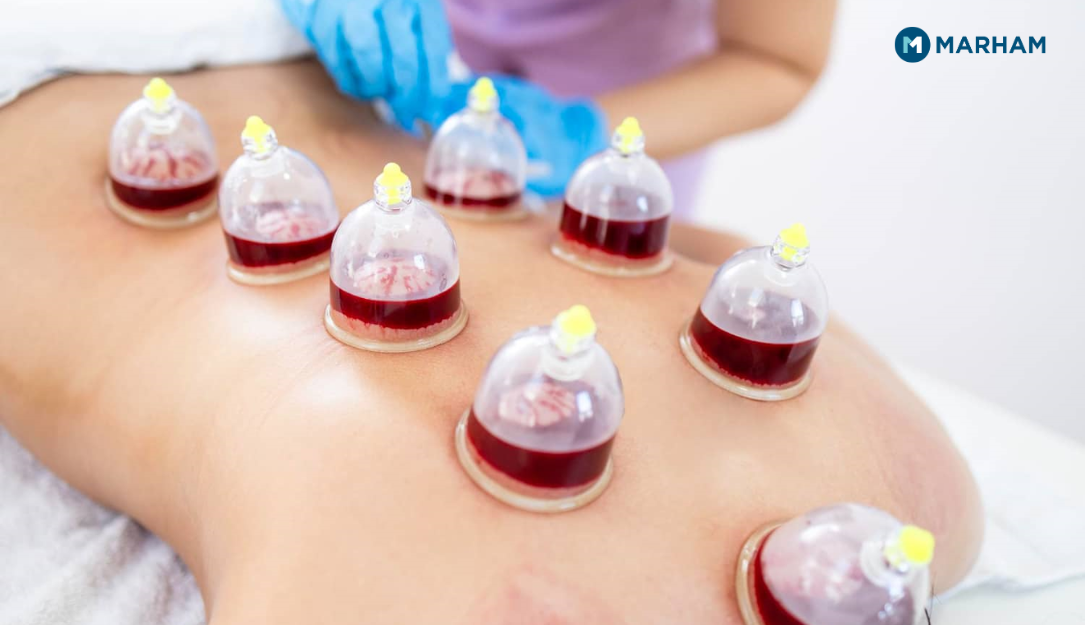
Let’s break down what happens during a Hijama session:
Step 1: Your practitioner identifies the right points on your body based on your health concerns.
Step 2: The area is cleaned and sterilized thoroughly.
Step 3: For dry cupping, cups are placed on your skin and suction is created. This might be done with heat or a suction pump.
Step 4: For wet cupping (complete Hijama), after removing the cups, tiny superficial cuts are made on your skin.
Step 5: Cups are applied again to draw out a small amount of blood.
Step 6: The area is cleaned again and bandaged.
The entire process typically takes 20 to 40 minutes. Cups are usually left on for 5 to 10 minutes at a time.
What You Need to Do Before & After Hijama Treatment
Before Your Session
- Eat a light meal 2-3 hours before (don’t go hungry or too full).
- Stay hydrated by drinking plenty of water.
- Wear loose, comfortable clothing.
- Inform your practitioner about any medical conditions or medications.
- Avoid caffeine on the day of treatment.
After Your Session
- Rest for at least 24 hours and avoid strenuous exercise.
- Drink lots of water to help flush out toxins.
- Avoid caffeine, sugary drinks, and soft drinks for 6 hours.
- Stay away from red meat and dairy products for 48 hours.
- Keep the treated areas clean and dry.
- Don’t expose the areas to extreme temperatures.
- Avoid swimming for 24-48 hours.
You will likely see round, circular marks on your skin that look like bruises. Don’t worry as these are normal and will fade within a week or two. You might feel a bit tired afterwards, similar to fighting off a mild cold, but this is temporary.
Who Should Consider Hijama?
Hijama can be beneficial for many people dealing with:
- Chronic pain conditions
- Muscle tension and stiffness
- Sports injuries
- Headaches and migraines
- High blood pressure
- Digestive problems
- Skin conditions
- Stress and anxiety
- Menstrual issues
However, Hijama is not for everyone. Avoid it if you are:
- Pregnant
- Taking blood-thinning medications
- Recently had surgery
- Have a bleeding disorder
- Have very thin or damaged skin at the treatment site
Finding a Hijama Center Near Me
Looking for a qualified practitioner? Here’s what to check:
- Proper certification and training
- Clean, hygienic environment
- Use of sterile, disposable equipment
- Good reviews and recommendations
- Clear communication about the process
- Reasonable pricing
Many wellness centers, alternative medicine clinics, and specialized Hijama centers offer this service. Marham makes it simple for you. Instead of spending hours researching and worrying about whether a practitioner is qualified, let Marham connect you with verified, experienced Hijama specialists in your area.
With just a few clicks, you can compare profiles, read real patient reviews, and book your consultation at a time that works for you. No more calling multiple clinics or settling for whoever’s available.
No matter if you are in Lahore, Karachi, Islamabad, or any other city, Marham’s network of certified practitioners provides you with safe and professional Hijama therapy. Now everyone can safely experience the Hijama benefits firsthand.
Is Hijama Right for You?
Hijama therapy offers a natural, holistic approach to health that’s been trusted for centuries. From pain relief to detoxification, the benefits are diverse and backed by both traditional wisdom and emerging scientific research.
Keep in mind, Hijama works best as a complementary therapy alongside modern medical treatment, not as a replacement. Always consult your doctor before trying Hijama, especially if you have existing health conditions.
If you want to improve your health, manage specific concerns, or just support overall wellness, knowing the right points, timing, and aftercare will help you get the most out of this ancient practice. The combination of physical healing and spiritual tradition makes Hijama a unique therapy that continues to help people worldwide.
Ready to try Hijama cupping therapy? Find a qualified practitioner near you and experience the benefits of this time-tested healing method for yourself.
Hijama Side Effects and Safety Risks You Should Know
Hijama is generally well-tolerated, but it does carry side effects that every patient should understand before booking a session.
Common, Mild Side Effects
- Circular skin marks: The most visible result of cupping. These bruise-like marks are normal and fade within one to two weeks.
- Soreness at the site: Mild tenderness for 24 to 72 hours is common, similar to post-massage soreness.
- Lightheadedness or nausea: Can occur immediately after the session, especially if you came in dehydrated or on an empty stomach.
- Temporary fatigue: Some people feel tired for a day after treatment as the body adjusts.
Serious Risks (Rare but Real)
- Infection: Wet cupping breaks the skin. If equipment is not properly sterilized, infection risk rises significantly. Always confirm that your practitioner uses single-use, disposable blades and cups.
- Excessive bleeding: People on blood thinners (warfarin, aspirin) or with clotting disorders face a higher risk of uncontrolled bleeding.
- Skin damage: Improper suction strength or duration can cause burns or deeper tissue injury.
Pakistan currently lacks a formal regulatory body for Hijama practitioners, which means the quality of care varies widely between clinics. Always choose a certified practitioner who operates in a clean, hygienic environment and discloses their training credentials before your session.
Hijama for Hypertension and Chronic Conditions: What the Evidence Says
Hijama is increasingly studied as a supportive therapy for chronic conditions common in Pakistan, including high blood pressure and metabolic disorders.
Blood Pressure (Hypertension)
A randomized controlled trial published on PubMed found that wet cupping, used alongside conventional hypertension treatment, reduced mean systolic blood pressure by 8.4 mmHg compared to the control group after four weeks. Importantly, Hijama was used in addition to prescribed medication, not as a replacement. If you have hypertension, never stop or reduce your medication without your doctor’s approval.
Metabolic Conditions
A controlled clinical study found that wet cupping significantly reduced fasting blood sugar, cholesterol, and triglyceride levels in patients with hyperlipidemia, hypertension, and diabetes. These results are promising, but the evidence base is still growing and study sizes remain small.
Pain Conditions
A large meta-analysis of 72 clinical trials involving over 5,700 participants found that cupping therapy significantly reduced chronic pain in conditions like low back pain, neck pain, and knee osteoarthritis. A separate systematic evidence map confirmed statistically significant benefits for ankylosing spondylitis, herpes zoster, migraine, and plaque psoriasis.
The key takeaway: Hijama works best as a complementary therapy alongside, not instead of, your prescribed medical treatment. Always consult a doctor before starting Hijama if you have a chronic condition.
Dry Cupping vs. Wet Cupping (Hijama): What Is the Difference?
Both types use suction cups on the skin, but they differ in purpose, process, and who they are suitable for.
- Dry cupping: Cups are placed on the skin and suction is created using heat or a pump. No incisions are made. The skin is lifted, blood flow increases, and muscle tension is released. It is considered the safer option and is suitable for a wider range of patients, including those who are nervous about needles or cuts.
- Wet cupping (Hijama): After the initial suction phase, the cups are removed and the practitioner makes tiny, superficial cuts on the skin. Cups are reapplied to draw out a small amount of blood. This is the complete Hijama process as described in Islamic prophetic tradition. It is believed to remove stagnant blood and metabolic waste from the body.
Which One Is Right for You?
Dry cupping is a good starting point for first-time patients or those with contraindications to blood loss. Wet cupping is the traditional Hijama method and is more commonly sought in Pakistan for its spiritual and therapeutic significance. A qualified practitioner will assess your health history and recommend the appropriate type for your condition.
If you are unsure which option suits you, speaking to a General Physician first is a sensible step before booking a Hijama session.
How to Choose a Safe Hijama Practitioner in Pakistan
Pakistan currently has no dedicated regulatory body for Hijama, which means patients must do their own due diligence. Here is what to check before booking.
- Formal training and certification: Ask the practitioner where they trained and whether they hold a recognized certificate in Hijama or complementary medicine. Avoid anyone who cannot answer this clearly.
- Sterile, single-use equipment: Every blade and cup that touches your skin should be disposable and opened in front of you. Reused equipment is a serious infection risk.
- Clean clinical environment: The treatment room should look and feel like a medical space, not a home setting with no visible hygiene protocols.
- Transparent pricing and process: A trustworthy practitioner explains the full process, expected side effects, and aftercare before starting. Hidden charges or pressure to book multiple sessions upfront are red flags.
- Medical history review: A responsible practitioner always asks about your existing conditions, medications, and allergies before proceeding.
Marham connects patients across 155 cities in Pakistan with verified, experienced practitioners. You can compare profiles, read real patient reviews, and book a consultation online without calling multiple clinics. Find a verified General Physician on Marham to discuss whether Hijama is appropriate for your specific health condition before booking a session.
Online doctor consultation from Rs 500
Marham has 16,000+ PMC-verified doctors available across 155 cities in Pakistan. Speak to a General Physician online today to get personalised guidance on Hijama and your overall health.
Book a General PhysicianBook online video consultation instead
Frequently Asked Questions
What are the main benefits of Hijama cupping therapy?
Hijama’s main benefits include chronic pain relief, improved blood circulation, stress reduction, and support for conditions like high blood pressure and skin disorders. A meta-analysis of 72 clinical trials found significant pain reduction in conditions such as low back pain, neck pain, and knee osteoarthritis. It works best as a complementary therapy alongside conventional medical treatment, not as a standalone cure.
Is Hijama safe, and what are its side effects?
Hijama is generally safe when performed by a trained practitioner using sterile, single-use equipment. Common side effects include circular skin marks that fade within one to two weeks, mild soreness, and temporary fatigue. More serious risks, including infection and excessive bleeding, are rare but possible, especially if equipment is not properly sterilized or if the patient has a bleeding disorder or takes blood thinners.
Who should not get Hijama therapy?
Hijama is contraindicated for pregnant women, people taking blood-thinning medications, those with bleeding disorders, patients who have recently had surgery, and anyone with open wounds or active skin infections at the treatment site. People with serious chronic conditions such as heart failure, renal failure, or cancer should also avoid it. Always consult your doctor before trying Hijama if you have any existing health condition.
What is the difference between dry cupping and wet cupping (Hijama)?
Dry cupping uses suction cups on unbroken skin to improve circulation and relieve muscle tension, with no incisions made. Wet cupping, which is the complete Hijama process, involves making tiny superficial cuts after the initial suction to draw out a small amount of blood. Wet cupping is the traditional method described in Islamic prophetic tradition and is more widely practiced in Pakistan for both its therapeutic and spiritual significance.
When is the best time to get Hijama done?
Islamic tradition recommends the 17th, 19th, and 21st of the Islamic lunar month as the best dates for Hijama, ideally falling on a Monday, Tuesday, or Thursday. From a practical standpoint, Hijama is best done in the early morning on an empty stomach or after a light meal two to three hours before the session. Staying well-hydrated before and after the session helps reduce the risk of dizziness and supports recovery.
Medically reviewed by Marham Medical Team. Updated July 2026.
How Much Does Hijama Cost in Pakistan?
Hijama session costs in Pakistan vary depending on the city, the number of cups used, and whether the practitioner operates from a clinic or a home-visit setup. Prices generally range from Rs 1,500 to Rs 6,000 per session in major cities like Lahore, Karachi, and Islamabad, with smaller cities typically on the lower end.
Before booking, always confirm what the price includes: the consultation, the number of cups, disposable equipment, and aftercare advice. A practitioner who cannot give a clear breakdown upfront is a red flag.
- Single-area session (e.g., upper back only): Rs 1,500 to Rs 2,500
- Full Sunnah points session: Rs 3,000 to Rs 6,000
- Home-visit sessions: Often carry an additional travel charge of Rs 500 to Rs 1,000
If you are unsure whether Hijama is appropriate for your condition, speaking to a General Physician first is a cost-effective first step. An online consultation on Marham starts from Rs 500, so you can get personalised medical advice before committing to a Hijama session.
Hijama for Diabetes and Metabolic Health: What Patients in Pakistan Should Know
Hijama is sometimes sought by patients managing diabetes and related metabolic conditions as a complementary therapy alongside their prescribed treatment. A controlled clinical study published in the International Journal of Surgery Open found that wet cupping significantly reduced fasting blood sugar, cholesterol, and triglyceride levels in patients with hyperlipidemia, hypertension, and diabetes. These results are promising, but study sizes remain small and the evidence base is still growing.
For patients in Pakistan, where diabetes prevalence is among the highest globally, this is an important distinction: Hijama is not a replacement for insulin, oral hypoglycaemics, or dietary management. It should only be considered as an add-on therapy, and only after your doctor has confirmed it is safe for your specific situation.
- Never stop or reduce diabetes medication before or after a Hijama session without your doctor’s approval.
- Monitor blood glucose closely around the time of a session, as the physical stress of the procedure can cause fluctuations.
- Inform your practitioner about your diabetes diagnosis and current medications before the session begins.
- Avoid Hijama if you have active diabetic foot ulcers, poor wound healing, or neuropathy at the treatment site.
If you have diabetes and are considering Hijama, consult a General Physician first to review your health history and confirm whether the therapy is appropriate for you.
Hijama and Depression: Can Cupping Therapy Support Mental Health?
Hijama is increasingly discussed as a supportive therapy for stress, anxiety, and low mood, though the evidence for its effect on clinical depression specifically remains limited. The therapy is thought to trigger the release of endorphins and promote parasympathetic nervous system activity, which can produce a noticeable sense of calm and relaxation after a session.
A cross-sectional study conducted at Hijama centres in Islamabad found that some patients sought cupping therapy specifically for anxiety and depression, and the majority reported satisfaction with their outcomes. However, self-reported satisfaction is not the same as clinical evidence, and Hijama should not be used as a substitute for professional mental health treatment.
- Hijama may complement conventional treatment for mild stress and anxiety by promoting relaxation.
- It is not a treatment for clinical depression, bipolar disorder, or other diagnosed psychiatric conditions.
- If you are on antidepressants or other psychiatric medications, always inform your practitioner before a session.
- Seek professional help first if you are experiencing persistent low mood, loss of interest, or thoughts of self-harm.
If you are struggling with your mental health, speaking to a General Physician is a good first step. They can assess your symptoms and refer you to the right specialist if needed.
How Often Should You Get Hijama Done?
The right frequency for Hijama depends on your health goal, your general condition, and your practitioner’s assessment. There is no single universal schedule, but the following general guidance is widely used.
- For general wellness and prevention: Once every one to three months is a common recommendation. Some practitioners suggest once or twice a year for healthy adults with no specific complaint.
- For chronic pain or a specific condition: An initial course of three to four sessions spaced two to four weeks apart is often recommended, followed by a maintenance schedule based on your response.
- During Ramadan or on Sunnah dates: Many patients in Pakistan schedule sessions on the 17th, 19th, or 21st of the Islamic lunar month, which aligns with prophetic tradition.
- After surgery or illness: Wait until you have fully recovered and your doctor has cleared you before resuming Hijama.
Avoid booking sessions too frequently. Wet cupping breaks the skin and the body needs adequate time to heal between sessions. A qualified practitioner will assess your recovery before scheduling the next appointment. If you are unsure what schedule is right for you, a General Physician can advise based on your health history.
Online doctor consultation from Rs 500
Get personalised guidance on Hijama and your overall health from a PMC-verified General Physician, from the comfort of your home. Same-day appointments available across Pakistan.
Frequently Asked Questions
What are the main benefits of Hijama cupping therapy?
Hijama’s main benefits include chronic pain relief, improved blood circulation, stress reduction, and support for conditions like high blood pressure and skin disorders. A meta-analysis of 72 clinical trials found significant pain reduction in conditions such as low back pain, neck pain, and knee osteoarthritis. It works best as a complementary therapy alongside conventional medical treatment, not as a standalone cure.
Is Hijama safe, and what are its side effects?
Hijama is generally safe when performed by a trained practitioner using sterile, single-use equipment. Common side effects include circular skin marks that fade within one to two weeks, mild soreness for 24 to 72 hours, and temporary fatigue. More serious risks, including infection and excessive bleeding, are rare but possible if equipment is not properly sterilized or if the patient has a bleeding disorder or takes blood thinners.
Who should not get Hijama therapy?
Hijama is not suitable for pregnant women, people taking blood-thinning medications, those with bleeding disorders, patients who have recently had surgery, and anyone with open wounds or active skin infections at the treatment site. People with serious chronic conditions such as heart failure, renal failure, or cancer should also avoid it. Always consult your doctor before trying Hijama if you have any existing health condition.
What is the difference between dry cupping and wet cupping (Hijama)?
Dry cupping uses suction cups on unbroken skin to improve circulation and relieve muscle tension, with no incisions made. Wet cupping, which is the complete Hijama process, involves making tiny superficial cuts after the initial suction to draw out a small amount of blood. Wet cupping is the traditional method described in Islamic prophetic tradition and is more widely practiced in Pakistan for both its therapeutic and spiritual significance.
How often should you get Hijama done in Pakistan?
For general wellness, most practitioners recommend Hijama once every one to three months. For a specific chronic condition, an initial course of three to four sessions spaced two to four weeks apart is common, followed by a maintenance schedule. Many patients in Pakistan time their sessions to the 17th, 19th, or 21st of the Islamic lunar month in line with prophetic tradition. A qualified practitioner will assess your recovery before scheduling the next session.
Medically reviewed by Marham Medical Team. Updated July 2026.