


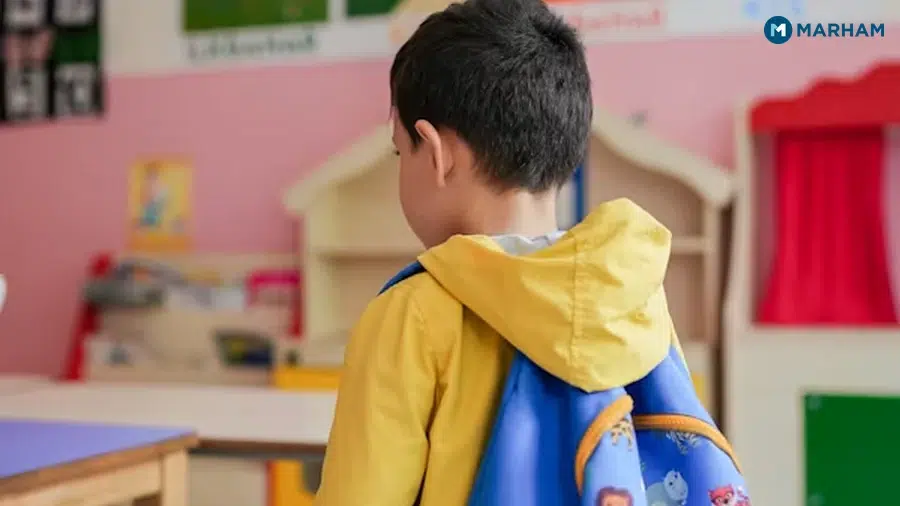
School reopening in Pakistan is a season parents know well. The alarm goes off at 6 a.m., the child who was sleeping until 9 all summer is dragged out of bed, and by week two the sniffles have started. It feels like bad luck. It isn’t.
The shift from summer freedom to a structured school timetable disrupts two things at once: your child’s sleep rhythm and the immune defences that depend on it. In Karachi and Lahore, where many private schools start as early as 7:30 a.m., the gap between a child’s natural summer bedtime and the new wake-up call can be three hours or more. That gap has real consequences.
Understanding what’s happening biologically, and what you can do about it at home, makes the back-to-school transition far less punishing for both child and parent.
How Does Back-to-School Season Affect a Child’s Sleep and Immunity?
Back-to-school sleep disruption occurs when a child’s internal body clock, set by weeks of late summer nights, collides with an early school schedule. The mismatch reduces total sleep time, suppresses the immune proteins the body produces overnight, and leaves children more vulnerable to the colds and infections that circulate in crowded classrooms. The effect is not gradual; it can show up within the first week.
During sleep, the body releases cytokines, which are signalling proteins that coordinate the immune response against viruses and bacteria. Sleep is where much of children’s immune resilience is built, and disrupted sleep is linked to higher susceptibility to infection. When sleep is cut short night after night, cytokine production drops, and a child who was perfectly healthy in July starts catching every bug that goes around the classroom by September.
There is also a growth hormone angle that Pakistani parents rarely hear about. Growth hormone is primarily secreted during deep sleep, making adequate rest vital for growing children. A child who is chronically under-slept is not just tired; their physical development is quietly affected too.
How Many Hours of Sleep Does a School-Age Child Actually Need?
Most Pakistani parents assume their child is getting enough sleep if they’re in bed by 10 p.m. For a primary school child, that’s often not enough. The American Academy of Sleep Medicine recommends that children aged 3 to 5 sleep 10 to 13 hours per 24 hours, and children aged 6 to 12 sleep 9 to 12 hours per 24 hours. Teens should sleep 8 to 10 hours per night.
The table below shows what that looks like against a typical Pakistani school-day schedule.
| Age Group | Recommended Sleep | Typical Pakistani Bedtime | Wake-Up for School | Sleep Gap |
|---|---|---|---|---|
| 3 to 5 years | 10 to 13 hours | 10:00 p.m. | 7:00 a.m. | 1 to 3 hours short |
| 6 to 12 years | 9 to 12 hours | 10:30 p.m. | 6:30 a.m. | 1 to 4 hours short |
| 13 to 18 years | 8 to 10 hours | 11:30 p.m. | 6:00 a.m. | 1.5 to 3.5 hours short |
These are rough estimates based on common household patterns in urban Pakistan, not official survey data. But the direction is consistent with what pediatricians in Lahore and Karachi report anecdotally: most school-going children are sleeping significantly less than the recommended minimum.

Students sleeping late are more likely to get less daily and nocturnal sleep, require multiple wake-up reminders in the morning, fall asleep in a morning class, and feel tired during the day. A PubMed-indexed study on secondary school children in Karachi found that more than three-quarters of them slept late, with homework and screen time being the most common reasons.
For a deeper look at age-wise sleep targets, sleep hours by age for Pakistani children breaks down the numbers clearly.
Signs Your Child Is Not Getting Enough Sleep
Sleep deprivation in children does not always look like tiredness. Signs of sleep deprivation include difficulty concentrating, mood changes, and frequent illness. Pakistani parents often attribute these to exam stress or a picky diet, missing the simpler explanation.
Watch for these patterns in the first few weeks of school:
- Grumpy or tearful in the mornings, more than usual
- Falling asleep in the car or rickshaw on the way to school
- Frequent colds, throat infections, or stomach bugs
- Difficulty finishing homework that would normally take half the time
- Asking to skip school without a clear reason
- Needing multiple reminders to wake up
Lack of sleep can lead to reduced academic performance and increased stress, and this stress can further weaken the immune system, creating a cycle of poor sleep and declining health. Once that cycle starts, it tends to compound through the term.
How to Reset Your Child’s Sleep Schedule for School: 6 Steps
The single most common mistake Pakistani parents make is trying to fix the sleep schedule the night before school starts. That doesn’t work. Waiting until the night before school starts to fix a summer sleep schedule doesn’t work. Instead, shift bed and wake times by 10 to 15 minutes a day for about a week, until the family lands on the schedule school will actually require.
Here is a practical reset plan that fits a Pakistani household:
- Start two weeks before school opens. Move bedtime 15 minutes earlier every two days. If your child was sleeping at 11 p.m., aim to reach 9 p.m. by the time school starts. Small shifts are far easier than a sudden one-hour jump.
- Cut screens an hour before bed. The blue light from phones and tablets suppresses melatonin, the hormone that signals the brain to sleep. A study on school children in Karachi found that children who own mobile phones are 3.7 times more at risk of a sleeping disorder. Keep devices out of the bedroom after 8:30 p.m. For more on this, how screens before bed steal your child’s sleep is worth reading.
- Use a consistent wind-down routine. A bath, a short Quran recitation or story, and dimmed lights in that order, every night, trains the nervous system to expect sleep. The sequence matters more than the exact time.
- Serve a light Pakistani dinner at least 90 minutes before bed. Heavy meals of biryani or nihari close to bedtime raise core body temperature and delay sleep onset. A lighter option like daal with roti, or khichdi, is easier on the digestive system at night.
- Keep the bedroom cool. Karachi and Lahore summers mean rooms can stay above 30°C well into the night. A ceiling fan or air conditioning set to 24 to 26°C supports the drop in core body temperature the body needs to enter deep sleep.
- Hold the weekend sleep-in. Letting children sleep two hours later on Saturdays and Sundays undoes the weekday progress. A 30-minute flexibility window is fine; anything more resets the body clock.
Immunity-Boosting Foods for Pakistani School Children
Sleep is the foundation, but nutrition is the second pillar. The good news is that a traditional Pakistani diet already contains many of the nutrients that support immune function, provided the child is actually eating them.
Vitamins A, C, D, and E, selenium, and zinc all play roles in normal immune function. Here is where to find them in everyday Pakistani meals:
- Vitamin C: Amla (Indian gooseberry), guava, and fresh lemon squeezed over daal. One medium guava contains more vitamin C than an orange.
- Zinc: Meat, chicken, and lentils. A bowl of masoor daal provides a meaningful amount of zinc for a school-age child.
- Vitamin D: Eggs, fatty fish like rohu or singhara, and sunlight. Many Pakistani children are deficient because they spend most of the school day indoors.
- Iron: Spinach cooked with a squeeze of lemon (the vitamin C improves iron absorption), chicken liver, and kidney beans.
- Probiotics: Dahi (yoghurt) with meals supports gut health, which is closely linked to immune function.
For a broader list of locally available options, immunity booster foods for Pakistani diets covers the evidence well.
One practical tip that most global blogs skip: Pakistani school tiffin boxes are often packed with biscuits, chips, or a plain paratha with nothing else. Swapping even one item for a boiled egg, a small container of dahi, or a handful of peanuts makes a real nutritional difference across a school week.
When Should You See a Doctor About Your Child’s Sleep?
Most children adjust to the school schedule within two to three weeks. If your child is still struggling after a month, or if you notice any of the following, a professional assessment is worth seeking.
Loud snoring, gasping during sleep, or observed pauses in breathing may indicate obstructive sleep apnea, a condition that is underdiagnosed in Pakistani children and treatable once identified. Persistent bedwetting that started after school began, extreme daytime sleepiness despite adequate hours in bed, or a child who seems genuinely anxious about school every morning for weeks, all warrant a conversation with a doctor.
If sleep problems continue despite a consistent routine, parents should talk with their child’s pediatrician. Parents do not need to wait until sleep becomes a major problem to ask for help. Consulting a child specialist or pediatrician in Pakistan early tends to produce better outcomes than waiting through a full school term.
Key Takeaways
- Back-to-school sleep disruption in Pakistani children is driven by the gap between summer late-night habits and early school start times, often 6:30 to 7:30 a.m. in Karachi and Lahore.
- The American Academy of Sleep Medicine (2016) recommends 9 to 12 hours of sleep for children aged 6 to 12, and 8 to 10 hours for teenagers aged 13 to 18.
- Disrupted sleep reduces cytokine production overnight, directly weakening a child’s immune defences and increasing susceptibility to classroom infections.
- A PubMed-indexed study on Karachi secondary school children found that more than three-quarters slept late, with screen time and homework as the leading causes.
- The sleep schedule reset should begin at least two weeks before school opens, shifting bedtime by 15 minutes every two days, not overnight.
- Pakistani immunity-supporting foods include guava, masoor daal, dahi, eggs, and rohu fish, all of which are affordable and widely available.
Get Expert Advice from Marham
Some children genuinely struggle with the back-to-school transition despite a parent’s best efforts. Sleep problems that persist beyond a few weeks, frequent infections that keep a child home from school, or concerns about growth and nutrition are all situations where a specialist’s input makes a real difference.
Marham connects Pakistani families with over 16,000 PMC-verified doctors across 155 cities, including nutritionists in Pakistan who can review your child’s diet and suggest practical adjustments suited to a Pakistani household. Online consultations start from Rs 500, and a free GP consultation is available at marham.pk/free-online-consultation for parents who want a quick first opinion before deciding on next steps.
Frequently Asked Questions
How many hours should a school-age child sleep in Pakistan?
Children aged 6 to 12 need 9 to 12 hours of sleep per night, according to the American Academy of Sleep Medicine (2016). Most Pakistani school children in urban areas are getting significantly less due to late bedtimes and early school start times.
How does poor sleep weaken a child’s immune system?
During sleep, the body produces cytokines, which are proteins that help fight infections. When sleep is cut short, cytokine production drops, leaving the immune system less equipped to handle the viruses and bacteria children encounter in classrooms.
How do I fix my child’s sleep schedule before school starts?
Shift bedtime 15 minutes earlier every two days, starting at least two weeks before school reopens. Avoid trying to fix the schedule the night before school begins, as the body clock cannot adjust that quickly.
Can screen time before bed really affect my child’s sleep?
Yes. Screens emit blue light that suppresses melatonin, the hormone that triggers sleep. A study on school children in Karachi found that children with mobile phones were 3.7 times more likely to have a sleeping disorder. Switching off devices at least an hour before bed helps significantly.
What Pakistani foods help boost a child’s immunity during school season?
Guava, masoor daal, dahi, eggs, and leafy greens like spinach are all good options. These provide vitamin C, zinc, probiotics, and iron, which support immune function and are easy to include in everyday Pakistani meals.
When should I take my child to a doctor for sleep problems?
If sleep difficulties persist for more than three to four weeks after school starts, or if you notice loud snoring, breathing pauses during sleep, or extreme daytime fatigue, consult a doctor. These may indicate an underlying condition like sleep apnea that needs proper evaluation.
Back-to-School Sleep and Immunity in Urdu
جب پاکستان میں اسکول دوبارہ کھلتے ہیں تو بچوں کی نیند کا معمول اچانک بدل جاتا ہے، جس سے ان کا مدافعتی نظام کمزور پڑ سکتا ہے۔ چھ سے بارہ سال کے بچوں کو رات میں نو سے بارہ گھنٹے کی نیند ضروری ہے، لیکن کراچی اور لاہور میں اسکول کا وقت اکثر صبح ساڑھے سات بجے شروع ہوتا ہے، جس کی وجہ سے بچے کافی نیند نہیں لے پاتے۔ نیند کے دوران جسم وہ پروٹین بناتا ہے جو انفیکشن سے لڑتے ہیں، اس لیے نیند کی کمی بچوں کو بیمار کرنے کا سبب بنتی ہے۔ اسکول شروع ہونے سے دو ہفتے پہلے بچے کا سونے کا وقت آہستہ آہستہ پہلے کریں، رات کو موبائل اسکرین بند رکھیں، اور کھانے میں امرود، دہی، مسور کی دال اور انڈے شامل کریں تاکہ بچے کا مدافعتی نظام مضبوط رہے۔
Conclusion
The back-to-school season does not have to mean six weeks of sniffles and exhausted mornings. The connection between disrupted sleep and a weakened immune system is well-established, and the fix is largely practical: start the schedule reset early, protect the hour before bed from screens, keep the bedroom cool, and lean on the immunity-supporting foods already present in a Pakistani kitchen. Small, consistent changes made before school opens are far more effective than scrambling once the term is already underway.