

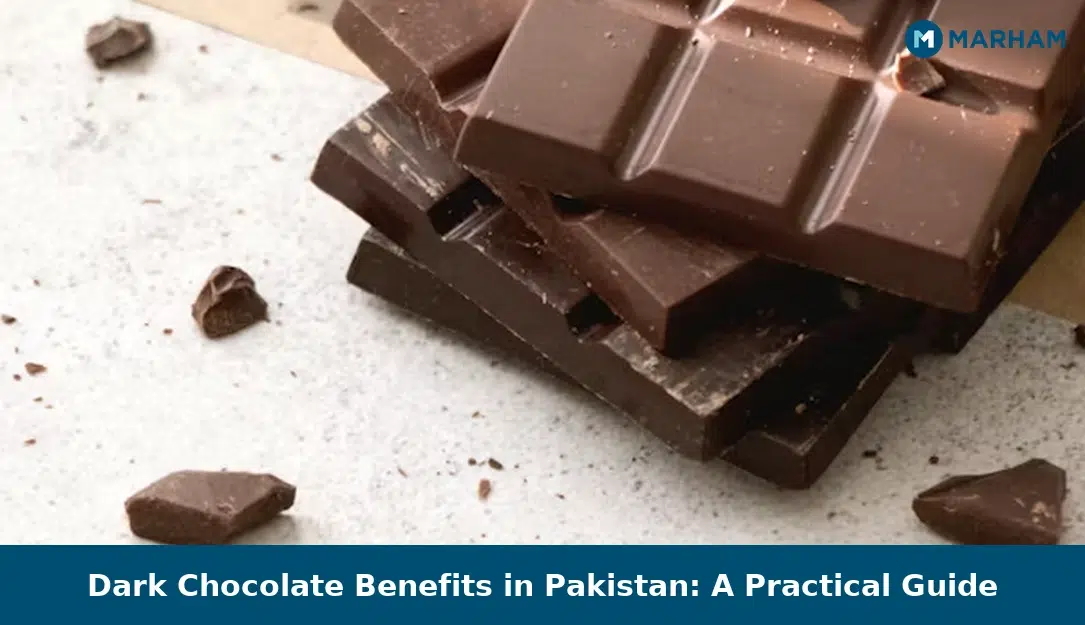

Dark chocolate has quietly become a staple in Pakistani households, sitting on shelves at Al-Fatah in Lahore and Imtiaz in Karachi alongside the mithai and biscuits that have always been there. What changed is why people are buying it. More Pakistani consumers are now reaching for a 70% cocoa bar not just as a treat but as a deliberate dietary choice.
Pakistan is ranked among the top 30 chocolate-consuming countries globally, with annual expenditure on chocolate estimated at over 250,000 US dollars, according to market data cited by local retail analysts. A growing share of that spend is shifting toward dark chocolate, driven partly by rising awareness of its nutritional profile and partly by the fact that imported bars from brands like Lindt and Torras are now widely available at prices ranging from Rs. 500 to Rs. 2,500 per bar in major cities.
This guide covers what the research actually says about dark chocolate benefits in Pakistan, how much is a reasonable daily amount, who should be careful, and what to look for on the label when you’re standing in the aisle.
Dark Chocolate in Urdu
ڈارک چاکلیٹ میں فلیوانولز اور اینٹی آکسیڈنٹس پائے جاتے ہیں جو دل کی صحت کے لیے مفید ہو سکتے ہیں۔ روزانہ 20 سے 30 گرام ڈارک چاکلیٹ کھانا محفوظ سمجھا جاتا ہے، بشرطیکہ اس میں کوکو کی مقدار 70 فیصد یا اس سے زیادہ ہو۔ پاکستان میں دستیاب مقامی اور درآمدی برانڈز میں قیمت اور معیار کا فرق ہوتا ہے، اس لیے لیبل پڑھنا ضروری ہے۔ ذیابیطس، بلڈ پریشر، یا دل کے مریض ڈارک چاکلیٹ کھانے سے پہلے اپنے ڈاکٹر سے مشورہ کریں۔
Dark Chocolate Benefits in Pakistan: What the Research Shows
Dark chocolate, specifically bars with 70% or more cocoa solids, contains a class of plant compounds called flavanols. These are the same antioxidant compounds found in green tea and red wine, and according to the Harvard T.H. Chan School of Public Health, they are associated with several measurable health effects when consumed in moderate amounts.
Here are the benefits that have reasonable scientific backing:
Heart Health
Flavanols in dark chocolate stimulate the production of nitric oxide in the body. Nitric oxide relaxes and widens blood vessels, which can improve blood flow and may help lower blood pressure. A 2015 study published in peer-reviewed research found that participants who ate 25 g of dark chocolate daily for 8 weeks had measurably lower blood pressure compared to a control group. Research reviewed by the Cleveland Clinic also suggests dark chocolate may help lower LDL (bad) cholesterol and raise HDL (good) cholesterol, both relevant concerns for Pakistani adults given the high prevalence of cardiovascular disease in South Asian populations.
The Cocoa Supplement and Multivitamin Outcomes Study (COSMOS), a long-term randomized trial, found that daily cocoa flavanol intake was associated with lower cardiovascular mortality and reduced inflammation, though it did not consistently reduce heart attacks or strokes on its own. This means dark chocolate can support heart health as part of a balanced diet, not replace medical treatment.
Brain and Mood
Flavanols increase blood flow to the brain, which research links to improved memory, reaction time, and alertness. Dark chocolate also contains theobromine and small amounts of caffeine, both of which have mild stimulant effects. It triggers the release of endorphins and may support serotonin levels, which is why many people notice a genuine lift in mood after eating it. For Pakistani readers who already consume a lot of chai through the day, it helps to know that a 30 g piece of 70% dark chocolate contains roughly 20 to 30 mg of caffeine, about a quarter of a standard cup of tea.
Skin Health
The flavanols in dark chocolate may help protect skin from UV-related damage by improving skin hydration and blood flow to the outer layers. A 2021 review cited by Healthline suggests these compounds could reduce skin roughness and improve texture with regular consumption. This is a modest benefit and should not replace sunscreen, particularly in Pakistan’s intense summer sun.
Gut Health
Dark chocolate acts as a prebiotic, meaning it provides fuel for beneficial gut bacteria. Research published in nutritional science journals suggests the fiber and polyphenols in cocoa promote the growth of healthy gut microbiota. This is an area of active research and the effect size is still being studied.
Dark Chocolate Nutrition Facts (Per 100g, 70 to 85% Cocoa)
The table below uses data from the USDA Standard Reference database for 70 to 85% cacao solids dark chocolate.
| Nutrient | Amount per 100g |
|---|---|
| Calories | 598 kcal |
| Total Fat | 43 g |
| Saturated Fat | 25 g |
| Total Carbohydrates | 46 g |
| Sugar | 24 g |
| Dietary Fiber | 11 g |
| Protein | 8 g |
| Iron | 12 mg (67% DV) |
| Magnesium | 228 mg (54% DV) |
| Zinc | 3.3 mg |
| Caffeine | ~80 mg |
A standard serving is 20 to 30 g, not 100 g. At 30 g, you’re consuming roughly 180 calories and about 7 g of sugar. That’s a manageable amount within a typical Pakistani diet.
Dark Chocolate vs Milk Chocolate: Key Differences
Many Pakistani shoppers still reach for milk chocolate out of habit. Here’s why the two are nutritionally quite different:
| Feature | Dark Chocolate (70%+) | Milk Chocolate |
|---|---|---|
| Cocoa content | 70 to 85% | 10 to 40% |
| Sugar per 100g | ~24 g | ~50 to 60 g |
| Flavanols | High | Low |
| Calcium | Low | Higher (from milk) |
| Calories per 100g | ~598 kcal | ~535 kcal |
| Suitable for lactose sensitivity | Generally yes | No |
The higher sugar content in milk chocolate is a meaningful difference for Pakistani adults managing blood sugar or weight, given that type 2 diabetes affects an estimated 26% of Pakistani adults according to the International Diabetes Federation (IDF) Pakistan data.
How to Add Dark Chocolate to a Pakistani Diet
This is where most global guides fall short. They say “eat a square a day” without accounting for how Pakistani eating patterns actually work. Here’s a practical approach:

- Choose the right bar. Look for 70% cocoa content or higher on the label. Lindt 70% and Torras 70% are widely available at Jalal Sons and Al-Fatah in Lahore and Karachi for Rs. 700 to Rs. 1,200. Local brand Candyland also produces a dark chocolate variant worth checking.
- Set a daily limit. A 20 to 30 g portion (roughly two to three small squares) is a reasonable daily amount. The American Heart Association advises keeping added sugar under 25 to 36 g per day, and a 30 g piece of 70% dark chocolate contributes about 7 g toward that total.
- Time it around meals. Many nutritionists suggest eating dark chocolate after a main meal rather than on an empty stomach, as the fat content slows absorption and reduces the blood sugar spike. After lunch or dinner works well.
- Replace the afternoon mithai. The average piece of barfi or gulab jamun contains 150 to 250 calories and 30 to 50 g of sugar. Swapping one piece for two squares of dark chocolate cuts sugar intake significantly while still satisfying a sweet craving.
- Use it in desi recipes. Melt a 70% bar and drizzle over fresh fruit chaat with a pinch of chaat masala. The slight bitterness of dark chocolate pairs surprisingly well with the tangy-salty profile of Pakistani fruit chaat.
- During Ramadan. Dark chocolate makes a reasonable suhoor addition in small amounts. Its fiber content and fat slow digestion, and the magnesium may help with muscle cramps that some people experience during long fasting hours in summer.
- Store it correctly. Pakistan’s heat, especially in Karachi and Multan from May to August, melts chocolate fast. Keep it in an airtight container in the refrigerator, but let it come to room temperature for 5 minutes before eating to get the full flavour.
Side Effects and Who Should Be Careful
Dark chocolate is generally safe for most adults in moderate amounts. But there are real cautions worth knowing:
- High caffeine sensitivity. Pakistanis who already drink 4 to 6 cups of chai daily are consuming significant caffeine. Adding dark chocolate on top can cause jitteriness, disrupted sleep, or palpitations in sensitive individuals.
- Acid reflux. Chocolate relaxes the lower oesophageal sphincter, which can worsen acid reflux or GERD. This is a common complaint among Pakistani adults, particularly those who eat late dinners.
- High calorie load. At 598 kcal per 100 g, eating dark chocolate freely can contribute to weight gain. The benefit requires moderation, not indulgence.
- Kidney stones. Dark chocolate contains oxalates, compounds that can contribute to calcium oxalate kidney stones in people who are already prone to them.
- Pregnancy. Pregnant women should limit caffeine intake to under 200 mg per day as per WHO guidelines. A 30 g piece of dark chocolate contributes roughly 20 to 25 mg, which is low but worth tracking alongside other caffeine sources.
- Children under 5. The caffeine and theobromine content make dark chocolate unsuitable as a regular food for very young children.
People managing diabetes in Pakistan or hypertension should speak to their doctor before making dark chocolate a daily habit, as both conditions require careful dietary management.
Speak to a Nutritionist on Marham
For most healthy Pakistani adults, a small daily portion of quality dark chocolate fits comfortably into a balanced diet. The picture changes if you have an existing condition, are managing your weight closely, or take medications that interact with caffeine or theobromine.
If you want personalised guidance on how dark chocolate or other dietary changes fit into your health goals, nutritionists in Pakistan on Marham consult online from anywhere in the country. A short consultation, typically 15 to 20 minutes, can give you a clear picture of what adjustments actually make sense for your specific situation rather than generic advice.
Frequently Asked Questions
What is dark chocolate and how is it different from regular chocolate?
Dark chocolate is chocolate made primarily from cocoa solids, cocoa butter, and sugar, with little to no milk solids added. The key difference from milk chocolate is the cocoa content: dark chocolate typically contains 50% to 85% cocoa, while milk chocolate contains 10% to 40%. The higher the cocoa percentage, the more flavanols and the less sugar the bar contains.
How much dark chocolate per day is safe?
Most nutritional research points to 20 to 30 g per day as a reasonable amount for healthy adults. That’s roughly two to three small squares of a standard bar. Eating more than this regularly adds significant calories, sugar, and saturated fat without proportionally more benefit. Researchers note that consuming more than 100 g per week does not appear to produce additional health gains, according to a 2018 review of cardiovascular studies.
Is dark chocolate good for weight loss?
Dark chocolate is not a weight loss food, but it may help indirectly. Its fiber content and fat slow digestion and increase satiety, which can reduce overall snacking. Harvard T.H. Chan School of Public Health notes that, like nuts, chocolate can induce a feeling of fullness, though the long-term implications for weight control are not fully established. The key is that a small portion can replace higher-sugar alternatives like mithai, reducing total sugar intake over time.
Is dark chocolate good for diabetics in Pakistan?
This requires caution. Some studies suggest that flavanols in dark chocolate may improve insulin sensitivity, but dark chocolate still contains sugar and calories that affect blood glucose. A 2015 study found blood pressure benefits in people with type 2 diabetes who ate 25 g daily, but this was a small study. Pakistani patients managing diabetes should consult their doctor or a registered nutritionist before adding dark chocolate to their diet, as individual blood sugar responses vary.
What are the side effects of eating too much dark chocolate?
Eating dark chocolate in excess can cause weight gain, acid reflux, disrupted sleep from caffeine, headaches, and digestive discomfort. People prone to kidney stones should be aware that dark chocolate contains oxalates. Those with caffeine sensitivity, especially people who already drink several cups of chai daily, may notice palpitations or anxiety if they consume too much.
Is dark chocolate good for skin?
There is modest evidence that the flavanols in dark chocolate can improve skin hydration and may offer some protection against UV-related skin damage by improving blood flow to the skin. A 2021 review cited in nutritional dermatology literature supports this. However, the effect is subtle and should not replace a proper skincare routine or sun protection, particularly in Pakistan’s climate where UV exposure is high for most of the year.
What is the best dark chocolate available in Pakistan?
For health benefits, look for bars with at least 70% cocoa content. Imported options like Lindt 70% Excellence and Torras 70% are widely available at major supermarkets in Karachi, Lahore, and Islamabad, typically priced between Rs. 700 and Rs. 2,500 depending on weight and packaging. Local brand Candyland produces a more affordable dark chocolate option. Always check the ingredient list: the first ingredient should be cocoa mass or cocoa solids, not sugar.
Conclusion
Dark chocolate benefits in Pakistan are real but context-dependent. A 20 to 30 g daily portion of a 70% or higher cocoa bar can support heart health, improve mood, and offer a genuinely better alternative to the high-sugar sweets most Pakistanis eat regularly. The gains come from the flavanols in cocoa, and those flavanols are only present in meaningful amounts in good-quality dark chocolate. Read the label, keep the portion reasonable, and treat it as one small part of a varied diet rather than a health solution on its own.