

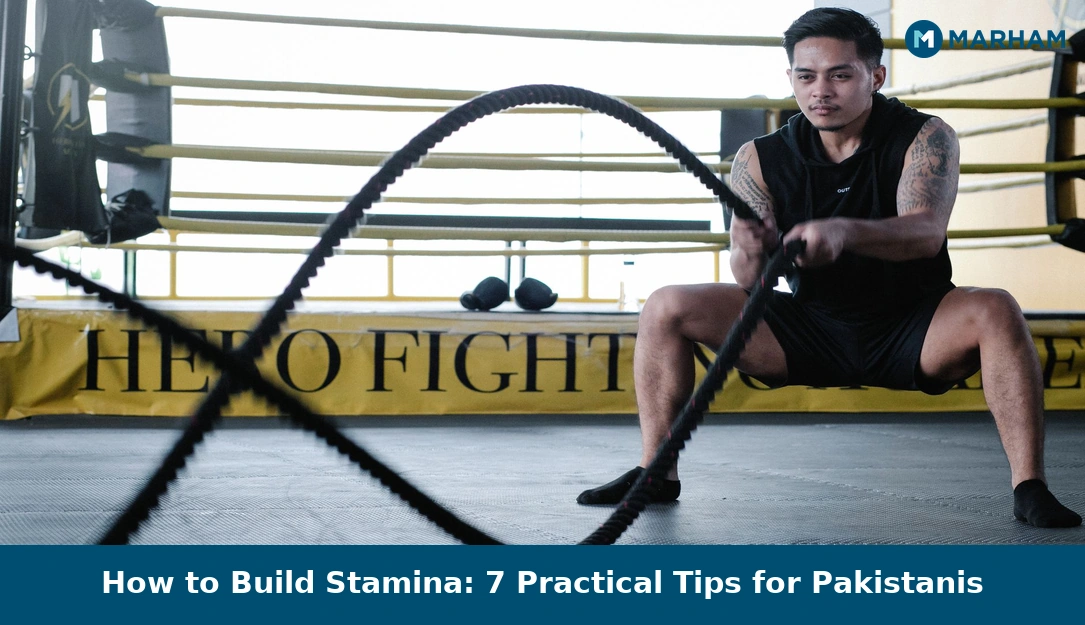
Feeling winded after climbing a few flights of stairs, or exhausted by mid-afternoon even on a light day? Many people in Pakistan put this down to the heat, long work hours, or simply getting older. In most cases, the real answer is low stamina, and the good news is that it responds well to consistent, practical effort.
Stamina is your body’s ability to sustain physical or mental effort over time without fatigue setting in too quickly. It depends on three things working together: cardiovascular fitness (how well your heart and lungs deliver oxygen), muscular endurance (how long your muscles can keep working), and adequate recovery. According to the WHO, adults should aim for at least 150 minutes of moderate-intensity aerobic activity per week, yet surveys suggest a large share of urban Pakistanis in cities like Lahore and Karachi fall well short of this.

The sections below cover the most effective ways to build stamina and improve your overall fitness using steps that fit a Pakistani lifestyle, from morning walks in Defence Housing Authority parks to desi foods you already have in your kitchen.

اسٹیمنا بڑھانے کے اہم نکات
اسٹیمنا جسم کی وہ صلاحیت ہے جو آپ کو تھکاوٹ کے بغیر دیر تک کام کرنے کے قابل بناتی ہے۔ باقاعدہ ورزش، متوازن خوراک، اور مناسب نیند اسٹیمنا بڑھانے کے تین بنیادی ستون ہیں۔ پاکستان میں دستیاب غذائیں جیسے دال، انڈے، کیلے اور چنے قدرتی طور پر توانائی فراہم کرتے ہیں اور جسمانی برداشت میں اضافہ کرتے ہیں۔ روزانہ تیز چہل قدمی، ہفتے میں تین بار طاقت کی ورزش، اور سات سے آٹھ گھنٹے کی نیند سے چند ہفتوں میں واضح فرق محسوس کیا جا سکتا ہے۔ اگر تھکاوٹ بہت زیادہ ہو یا کوئی بیماری کا شبہ ہو تو کسی ماہر ڈاکٹر سے مشورہ ضروری ہے۔
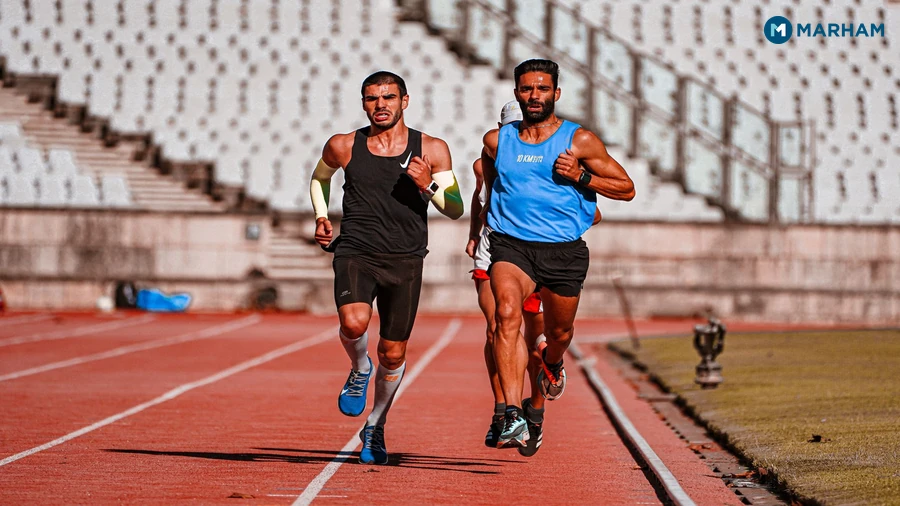
Key Takeaways
- Stamina improves through consistent aerobic exercise, strength training, and adequate sleep.
- The WHO recommends at least 150 minutes of moderate aerobic activity per week for healthy adults.
- Desi staples like daal, eggs, bananas, and chana are among the best stamina-supporting foods available in Pakistan.
- Dehydration is a major, often overlooked cause of low energy, especially during Karachi and Lahore summers.
- Most people notice meaningful improvement within four to eight weeks of structured effort.
- Persistent fatigue that does not improve with lifestyle changes may signal an underlying condition and warrants a doctor’s visit.
What Is Stamina and Why Does It Drop?
Stamina is your body’s capacity to keep performing, whether that means finishing a workout, getting through a full workday, or chasing your kids around the house. It drops when your cardiovascular system, muscles, or recovery habits fall behind what your daily demands require.
Common causes of low stamina in Pakistani adults include:
- Poor sleep, often under six hours due to late-night routines
- A diet heavy in refined carbs (white roti, maida, sugary chai) with little protein
- Dehydration, worsened by summer heat above 40°C in Sindh and Punjab
- A sedentary desk job with little movement through the day
- Iron deficiency anaemia, which is common in Pakistani women and reduces the blood’s ability to carry oxygen
- Unmanaged conditions like diabetes or hypertension, both of which affect energy and cardiovascular capacity
Identifying which of these applies to you is the first step. If you suspect a medical cause, a basic blood panel (available at most labs in Pakistan for around PKR 1,500 to 2,500) can check haemoglobin, thyroid, and blood sugar in one go.
How to Build Stamina: 7 Steps That Work
Building stamina naturally takes consistency over weeks, not days. Follow these steps in order, and expect to notice real improvement within four to eight weeks.
- Start with daily walks, then progress. A 30-minute brisk walk five days a week is where most beginners should start. Walk at a pace where you can talk but feel slightly breathless. Karachi and Islamabad residents can use early morning hours (6 to 7 am) before heat peaks. After two weeks, add five minutes per session or include a short uphill stretch.
- Add interval training two days a week. Interval training, alternating between a burst of effort and a rest period, builds cardiovascular stamina faster than steady-state exercise alone. A simple version: walk briskly for two minutes, jog for one minute, repeat six times. No gym needed. A flat road or a building rooftop works fine.
- Include strength training twice a week. Muscular endurance supports overall stamina. Bodyweight exercises such as squats, push-ups, and lunges done as a circuit with 30-second rests between sets are effective. Reducing rest time between sets over weeks is one of the most practical ways to build stamina at home without any equipment.
- Eat for sustained energy, not quick spikes. Replace refined carbs with complex ones where you can. Swap white roti for a whole-wheat roti (available at most Lahore and Karachi tandoors now), and add a serving of daal or chana to lunch. These release energy slowly and prevent the mid-afternoon crash many office workers experience. A boiled egg or a small handful of almonds (readily available at any kirana store for roughly PKR 100 to 150 per 100g) makes a solid pre-workout snack.
- Prioritise protein at each meal. Protein supports muscle repair after exercise, which is how endurance improves over time. Pakistani diets are often protein-light at breakfast. Adding two eggs, a cup of dahi (yogurt), or a glass of milk to your morning meal makes a meaningful difference. Masoor daal and chana are affordable plant-based options that work equally well.
- Stay hydrated, especially in summer. Dehydration reduces physical performance noticeably even before you feel thirsty. In Pakistan’s summer months, aim for two to three litres of water daily. Adding a pinch of table salt and a squeeze of lemon to water after exercise replaces electrolytes lost through sweat, a simple alternative to expensive sports drinks.
- Protect your sleep. Sleep is when your muscles repair and your cardiovascular system adapts to the training load you’ve placed on it. Consistently sleeping fewer than seven hours slows stamina gains. According to research published in the National Library of Medicine, sleep deprivation increases fatigue and reduces exercise performance. Aim for seven to eight hours and keep a consistent wake time, even on weekends.
Best Foods for Stamina in a Pakistani Diet
You don’t need imported superfoods. The desi pantry already has most of what your body needs.
| Food | Why It Helps | How to Use It |
|---|---|---|
| Banana | Rich in natural carbs, potassium, and vitamin B6 | Eat one 30 minutes before exercise |
| Chana (chickpeas) | Complex carbs and plant protein for sustained energy | Add to salad or eat as boiled chana chaat |
| Masoor/Mash daal | Iron, protein, and slow-release carbs | Daily at lunch or dinner |
| Eggs | High-quality protein for muscle repair | Two boiled eggs at breakfast |
| Dahi (yogurt) | Protein and probiotics for gut health and energy | One cup daily, plain |
| Almonds | Healthy fats, magnesium, and vitamin E | Small handful as a mid-morning snack |
| Spinach (palak) | Iron and folate, supports oxygen transport in blood | Palak gosht or palak daal, two to three times weekly |
Foods to reduce include deep-fried items (samosas, pakoras daily), heavily sweetened chai, and white-flour snacks. These cause blood sugar spikes followed by crashes, which drain energy rather than sustain it.
Stamina vs. Endurance: What’s the Difference?
The two terms are often used interchangeably, but there is a practical distinction worth knowing.
| Feature | Stamina | Endurance |
|---|---|---|
| Definition | Sustaining high-intensity effort without fatigue | Sustaining lower-intensity effort over long duration |
| Example | Sprinting, HIIT, heavy lifting | Long-distance walking, cycling, swimming |
| Built by | Interval training, circuit training | Steady-state cardio, long slow runs |
| Time to improve | Four to six weeks | Six to twelve weeks |
Most people in Pakistan need both. A working professional needs endurance to stay alert through a long day, and stamina to handle physical tasks without getting winded. Training that mixes cardio with strength work covers both bases.
When to See a Doctor About Low Stamina
Lifestyle changes work for most people, but some cases of persistent fatigue point to something the body can’t fix on its own. See a doctor if you feel consistently exhausted despite seven to eight hours of sleep, if you become breathless during very light activity like walking slowly, or if fatigue has come on suddenly without an obvious cause.
These symptoms can sometimes indicate anaemia, hypothyroidism, uncontrolled diabetes, or a cardiac issue. A qualified general physician or specialist in Pakistan can run the appropriate tests and rule out anything serious. Don’t assume it’s just the heat or stress if the tiredness is persistent.
Get Expert Guidance from Marham
Sometimes fatigue and low stamina are signs that the body needs more than a better routine. If you’ve made consistent changes to your sleep, diet, and exercise over four to six weeks and still feel drained, it may be time to speak to a professional.
Marham connects you with verified nutritionists in Pakistan who can build a personalised energy and diet plan based on your specific health profile, whether you’re managing a chronic condition, recovering from illness, or simply trying to get back to your best. A short online consultation, typically 15 to 20 minutes, can help identify nutritional gaps or underlying issues that a general fitness guide can’t address.
Frequently Asked Questions
How long does it take to build stamina?
Most people notice initial improvements within four to eight weeks of consistent training. Major gains in cardiovascular fitness typically appear between eight and twelve weeks, according to structured exercise research.
What foods increase stamina quickly?
Bananas, boiled chana, eggs, dahi, and masoor daal are among the best options for Pakistani diets. They provide a mix of complex carbs, protein, and iron that supports sustained energy without blood sugar crashes.
Is walking enough to build stamina?
Walking is a good starting point and does improve cardiovascular endurance over time. To build stamina more effectively, gradually increase pace, add short running intervals, or include bodyweight strength exercises alongside your walks.
What causes low stamina in adults?
Common causes include poor sleep, a low-protein or high-refined-carb diet, dehydration, physical inactivity, and iron deficiency anaemia. Underlying conditions like diabetes, thyroid disorders, or heart disease can also reduce energy and stamina significantly.
Can I build stamina at home without a gym?
Yes. Brisk walking, stair climbing, bodyweight circuits (squats, push-ups, lunges), and interval jogging all build stamina effectively without any equipment. Consistency matters far more than having a gym membership.
Conclusion
Building stamina is a gradual process, but it responds reliably to the right inputs: regular aerobic and strength exercise, a protein-rich desi diet, proper hydration, and consistent sleep. Most Pakistani adults can make meaningful progress within two months by focusing on these basics. Start small, stay consistent, and let the improvements compound week by week.