

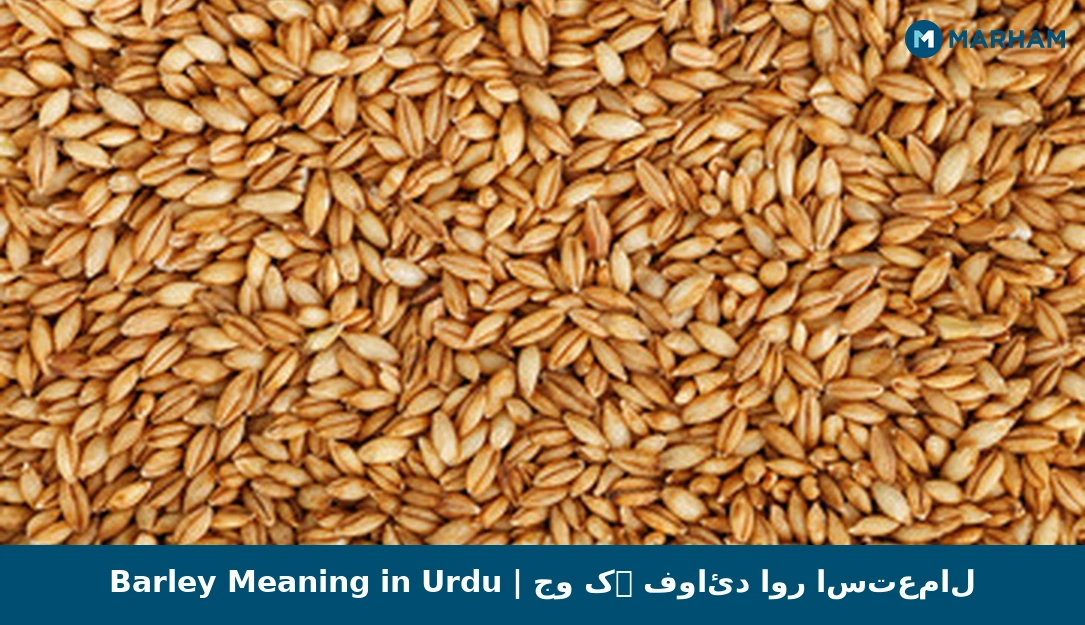

Barley is one of those grains that most Pakistani households already know by another name. Ask any older relative and they’ll tell you it’s جو (Jau), a grain that has been eaten across the subcontinent for centuries. It shows up in everything from desi dalia to herbal drinks prescribed by hakims.
Yet somewhere along the way, wheat and rice took over the Pakistani table, and jau quietly disappeared from daily meals. That’s worth reconsidering. Research on Pakistani barley varieties conducted at the Ayub Agricultural Research Institute (AARI) in Faisalabad confirms that locally grown jau carries an impressive nutritional profile, including high protein content (10 to 12%) and potent antioxidant compounds.
This guide covers what barley means in Urdu, what makes it nutritionally useful, how to actually use it in a Pakistani kitchen, and who should be careful with it.
Barley in Urdu
Barley is called جو (pronounced Jau) in Urdu. It is also written as شَعیر (Sha’eer) in classical Arabic-influenced Urdu texts, though جو is the word most Pakistanis use in everyday speech. In Roman Urdu it is written as Jo or Jau. Barley flour is known as جو کا آٹا (Jau ka Atta) and barley water as جو کا پانی (Jau ka Pani).
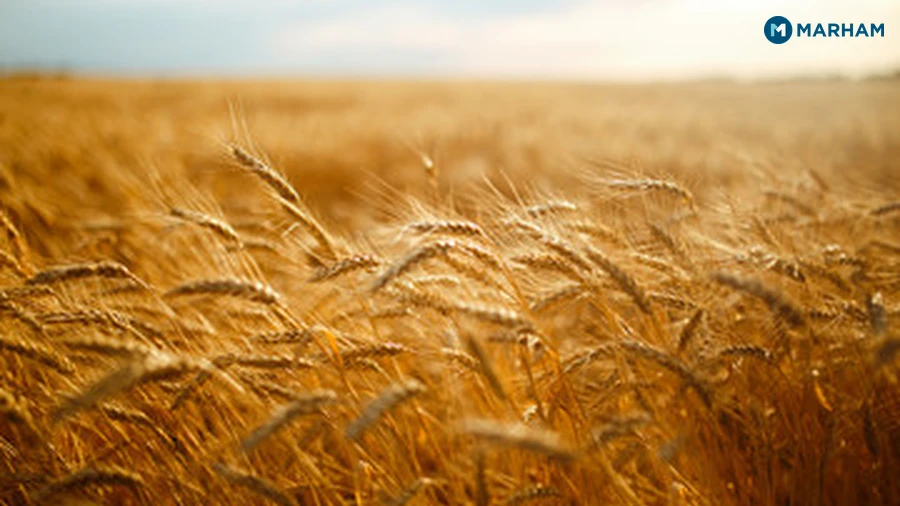
The grain belongs to the grass family Hordeum vulgare and is among the oldest cultivated crops in human history. In Pakistani markets you will find it in two main forms: hulled barley (with the outer bran intact, more nutritious) and pearl barley (polished, cooks faster, slightly less fibre). Both are available at pansari shops and larger grocery stores in Lahore, Karachi, and Islamabad, typically for Rs 150 to Rs 300 per kilogram depending on the variety.
Jau (Barley) Nutrition Facts per 100g
The numbers below are for uncooked hulled barley, per the USDA FoodData Central database.
| Nutrient | Amount per 100g |
|---|---|
| Calories | 354 kcal |
| Carbohydrates | 73 g |
| Dietary Fibre | 17 g |
| Protein | 12 g |
| Fat | 2.3 g |
| Beta-glucan (soluble fibre) | 3 to 8 g |
| Magnesium | 79 mg |
| Phosphorus | 264 mg |
| Iron | 3.6 mg |
| Vitamin B1 (Thiamine) | 0.6 mg |
The standout number is dietary fibre at 17g per 100g, which is higher than wheat, rice, and most other grains commonly eaten in Pakistan. Beta-glucan, a type of soluble fibre found in barley and oats, is the compound responsible for many of its studied health effects.
Health Benefits of Jau (Barley)
Barley’s benefits are tied closely to its beta-glucan content and its relatively low glycemic index (GI of around 28, according to published glycemic index research). Here is what the evidence actually supports.
Supports Blood Sugar Management
Barley has one of the lowest glycemic index scores among all grains. Beta-glucan slows glucose absorption in the gut, which can help reduce post-meal blood sugar spikes. This is particularly relevant in Pakistan, where type 2 diabetes affects an estimated 33 million adults according to the International Diabetes Federation (IDF, 2021). Barley is not a treatment for diabetes, but including it as part of a balanced diet may support better blood sugar control. Anyone managing diabetes should discuss dietary changes with their doctor before making a switch.
May Help Lower Cholesterol
Beta-glucan in barley has been studied for its effect on LDL (bad) cholesterol. The US FDA has acknowledged that beta-glucan from barley may reduce the risk of coronary heart disease when consumed as part of a low-fat diet. For Pakistani households where ghee-heavy cooking is common, adding jau to the diet is a practical way to increase soluble fibre intake without overhauling the whole menu.
Supports Digestive Health
With 17g of fibre per 100g, barley feeds beneficial gut bacteria and supports regular bowel movements. Jau ka dalia (barley porridge) has traditionally been given to people recovering from illness in Pakistani homes, and this folk wisdom has a nutritional basis. The insoluble fibre adds bulk to stool, while beta-glucan acts as a prebiotic, supporting a healthy gut microbiome.
Aids Weight Management
High-fibre foods slow stomach emptying, which means you feel full for longer after eating. Replacing a portion of white rice or refined wheat roti with jau-based alternatives at one meal a day can help reduce overall calorie intake without leaving you hungry. This is a practical step for people trying to manage weight in Pakistan’s carbohydrate-heavy diet culture.
Rich in B Vitamins and Minerals
Barley provides thiamine (B1), niacin (B3), and B6, along with magnesium, phosphorus, and iron. Magnesium plays a role in over 300 enzymatic reactions in the body, including those involved in energy metabolism and muscle function. Iron from plant sources is less readily absorbed than iron from meat, but combining jau with vitamin C-rich foods (a squeeze of lemon in jau ka pani, for example) improves absorption.
How to Add Jau to a Pakistani Diet
This is where most guides fall short. Here is how to actually use barley in a desi kitchen, not just in theory.
- Jau ka Dalia (Barley Porridge): Cook pearl barley with water or low-fat milk, add a pinch of salt or a small amount of gur (jaggery) for flavour. Available pre-packed from brands like Shan or in loose form from any pansari. A filling sahari option during Ramadan.
- Jau ka Atta Roti: Mix 30% barley flour with 70% whole wheat atta. The roti comes out slightly denser but the fibre content is noticeably higher. Jau ka atta is sold at most kiryana stores in Lahore and Karachi for around Rs 200 to Rs 250 per kg.
- Jau ka Pani (Barley Water): Boil 2 tablespoons of barley grains in 4 cups of water for 30 to 40 minutes. Strain, let cool, and add lemon juice and a pinch of kala namak (black salt). This is a popular cooling drink in Karachi summers when temperatures exceed 40°C.
- Add to Dal or Soup: Toss a handful of soaked pearl barley into any dal or vegetable soup in place of some of the lentils. It absorbs the masala well and adds chew without changing the flavour significantly.
- Barley Khichdi: Replace half the rice in a basic khichdi with barley. Cook it the same way. The result has more protein and fibre than standard rice khichdi and works well for people managing blood sugar.
Barley vs Wheat: Key Differences
| Feature | Barley (جو) | Whole Wheat (گندم) |
|---|---|---|
| Glycemic Index | ~28 (very low) | ~45 to 50 |
| Dietary Fibre per 100g | 17g | 10 to 12g |
| Beta-glucan | Present (3 to 8g) | Absent |
| Gluten | Present | Present |
| Common Pakistani use | Dalia, pani, atta | Roti, paratha, bread |
| Availability | Pansari, select grocery | Widely available |
Both grains contain gluten, so neither is suitable for people with coeliac disease or gluten intolerance.
Who Should Be Careful with Barley
Barley is safe for most healthy adults, but a few groups need to be aware of specific considerations.
- Gluten sensitivity or coeliac disease: Barley contains gluten and must be avoided entirely.
- People on blood-thinning medication: Barley contains vitamin K, which can interact with anticoagulant drugs. Consult your doctor.
- Irritable bowel syndrome (IBS): Barley is high in FODMAPs (fermentable carbohydrates) and may worsen bloating or gas in some IBS patients.
- Pregnancy: Moderate dietary amounts are generally considered safe, but very high intakes or barley supplements should be discussed with a gynaecologist.
- Children under 12 months: Barley grains are not appropriate as a first food for infants; consult a paediatrician.
If you notice persistent bloating, diarrhoea, or discomfort after introducing barley, reduce the amount or stop and consult a doctor.
Jau in Urdu
جو (Jau) ایک قدیم اور غذائیت سے بھرپور اناج ہے جو صدیوں سے پاکستان اور جنوبی ایشیا میں استعمال ہوتا آیا ہے۔ اس کا اردو نام جو یا شعیر ہے اور یہ پنساری کی دکانوں پر آسانی سے مل جاتا ہے۔ جو میں بیٹا گلوکن نامی حل پذیر فائبر پایا جاتا ہے جو خون میں شکر کی سطح کو قابو میں رکھنے اور کولیسٹرول کم کرنے میں مددگار ہو سکتا ہے۔ جو کا دلیہ، جو کا پانی اور جو کا آٹا پاکستانی گھروں میں مختلف طریقوں سے استعمال کیا جا سکتا ہے۔ جن لوگوں کو گلوٹن سے الرجی ہو یا آنتوں کی بیماری ہو، انہیں جو استعمال کرنے سے پہلے اپنے ڈاکٹر سے مشورہ کرنا چاہیے۔
Get Nutritional Guidance from Marham
Switching grains or making changes to a long-standing diet is not always straightforward, especially when managing a condition like diabetes, high cholesterol, or digestive issues. A nutritionist in Pakistan can help you work out exactly how much barley fits into your current meal plan without disrupting your overall nutrition balance.
Marham connects you with verified nutritionists and endocrinologists in Pakistan through online consultations, so you can get personalised advice from home. A short session typically takes 15 to 20 minutes and can give you a practical, Pakistan-specific eating plan rather than generic global advice.
Frequently Asked Questions
What is barley called in Urdu?
Barley is called جو (Jau) in Urdu. It is also referred to as شعیر (Sha’eer) in classical texts. Barley flour is جو کا آٹا and barley water is جو کا پانی.
Is barley (jau) good for diabetes?
Barley has a very low glycemic index of around 28 and contains beta-glucan fibre, which may help slow glucose absorption after meals. It is not a treatment for diabetes, but it can be a useful dietary addition when recommended by a doctor or nutritionist.
Can I drink barley water (jau ka pani) every day?
For most healthy adults, a glass of jau ka pani daily is considered safe and may support digestion and hydration. People with gluten sensitivity, IBS, or those on certain medications should check with their doctor first.
What are the side effects of eating barley?
Barley is generally well-tolerated, but it contains gluten (unsuitable for coeliac disease) and is high in FODMAPs, which can cause bloating or gas in people with IBS. Very large amounts may also interact with blood-thinning medications.
Is jau good for weight loss?
Barley’s high fibre content promotes satiety, meaning you feel full for longer after eating it. Replacing refined grains with barley at one or two meals a day may support weight management as part of an overall balanced diet.
When should I see a doctor about my diet?
If you have diabetes, high cholesterol, kidney disease, or digestive conditions, any significant dietary change including adding barley should be discussed with a specialist. You can consult a nutritionist in Pakistan online through Marham for personalised guidance.
Conclusion
Barley, or جو (Jau), is a grain that Pakistani kitchens largely overlooked in favour of wheat and rice. Its low glycemic index, high fibre content, and beta-glucan profile give it a genuine nutritional edge, particularly for people managing blood sugar or cholesterol. Adding it to your diet doesn’t require a complete overhaul: jau ka pani in summer, a jau roti a few times a week, or barley dalia at sahari are practical starting points that fit naturally into how people already eat in Pakistan.