

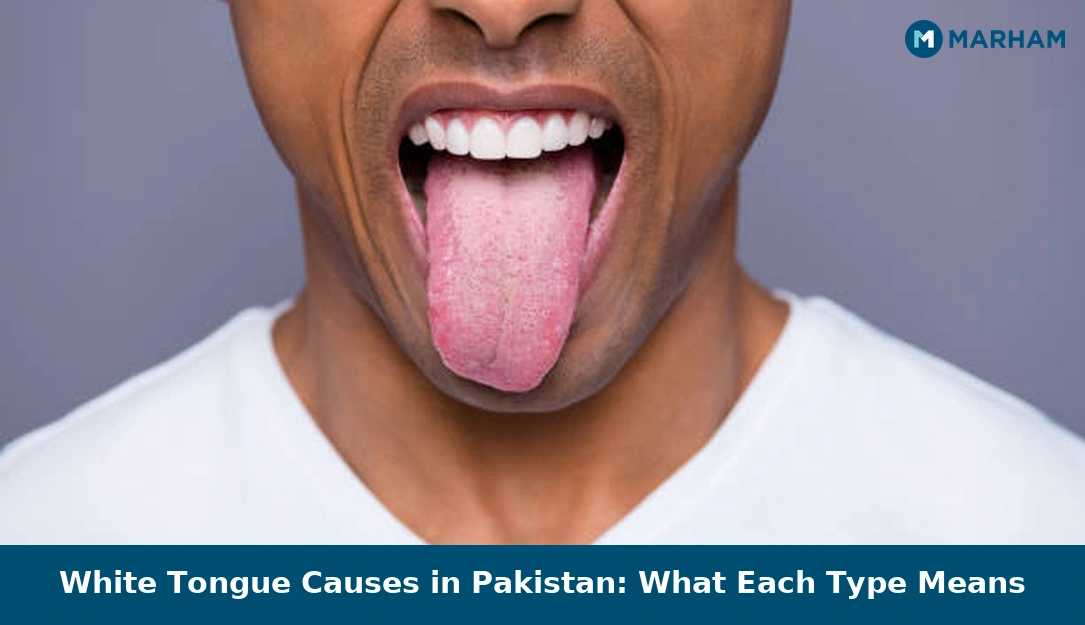
Waking up to a pale or white coating on your tongue is one of those things that feels alarming but is, in most cases, harmless. It is a common complaint in Pakistani clinics, particularly during the summer months when dehydration sets in fast and people reach for chai instead of water.
That said, not every white tongue is the same. The coating’s texture, location, and whether it wipes off cleanly are the three things that tell a doctor the most. A thin, even film that scrapes away easily is very different from a thick, raised patch that stays put no matter what you do.
A 2024 cross-sectional study conducted in Lahore and published in PubMed Central found that over 74% of adults in the study group had dietary habits strongly correlated with oral disease, pointing to how closely everyday Pakistani eating patterns connect to mouth health. Understanding what is driving your white tongue is the first step toward fixing it.
Quick Answer
A white tongue appears when bacteria, dead cells, or food debris get trapped between the tiny bumps (papillae) on the tongue’s surface, causing them to swell. Most cases clear up with better oral hygiene and hydration within a few weeks. A coating that cannot be scraped off, persists beyond two to three weeks, or comes with pain or difficulty swallowing may indicate a condition that needs professional evaluation.
What Is White Tongue?
White tongue is not a disease in itself. It is a sign, a visible change in the tongue’s surface caused by the swelling or overgrowth of papillae, the tiny finger-like projections that cover the tongue. When these papillae enlarge, they create gaps where bacteria, food particles, and dead cells accumulate, producing a white or off-white coating. The coating may cover the whole tongue, appear only at the back, or show up as scattered patches.
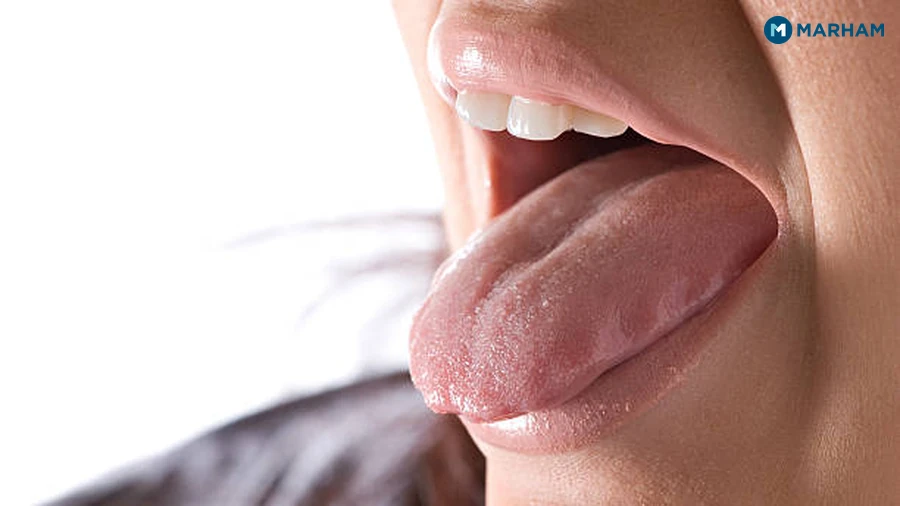
Common White Tongue Causes: A Comparison
The cause determines the treatment, so identifying which type of white tongue you have matters. The key diagnostic clue most people miss: try gently scraping the white area with a clean spoon. If it lifts off and leaves healthy pink tissue beneath, the cause is almost certainly superficial. If it stays, bleeds, or leaves a raw red base, you need a clinical assessment.
| Cause | Appearance | Scrapable? | Common in Pakistan? | Action Needed |
|---|---|---|---|---|
| Poor oral hygiene | Thin, even white film | Yes | Very common | Brush tongue daily, use tongue scraper |
| Dehydration / dry mouth | Pale, dry coating | Yes | Very common (summer, Ramadan) | Increase water intake |
| Oral thrush (Candida) | Creamy white patches, inner cheeks too | Yes, but leaves red raw base | Common in antibiotic users, diabetics | Antifungal medication from a doctor |
| Leukoplakia | Thick white or grey raised patches | No | Common in paan/gutka users | Urgent dental or ENT review |
| Geographic tongue | Red patches with white borders, shifting | No | Moderate | Usually no treatment needed |
| Oral lichen planus | White lacy lines or patches | No | Moderate | Specialist evaluation |
| Tobacco use | Diffuse whitening or hairy tongue | Partially | Common (smoking, naswar) | Cessation, dental review |
8 Specific Causes of White Tongue Explained
1. Poor Oral Hygiene
This is the most common cause worldwide. When the tongue is not cleaned regularly, bacteria and food debris accumulate between the papillae, producing a white film. In Pakistan, tongue cleaning is not always part of the morning routine the way miswak or toothbrushing is, and that gap shows up clinically. A tongue scraper, available at most pharmacies in Karachi and Lahore for under Rs. 150, removes this buildup in seconds.
2. Dehydration and Dry Mouth (Xerostomia)
Saliva is the mouth’s natural cleaning agent. When saliva production drops, because of dehydration, mouth breathing, or certain medications, bacteria multiply on the tongue’s surface. During Ramadan fasting hours and in Karachi’s peak summer heat (when temperatures regularly exceed 40°C), dehydration-related white tongue is extremely common. Drinking at least 8 glasses of water across sehri and iftar hours makes a measurable difference.
3. Oral Thrush (Candida Overgrowth)
Oral thrush is a fungal infection caused by Candida albicans, a yeast that normally lives in the mouth in small amounts. According to the World Health Organization, people with compromised or immature immune systems, including infants, older adults, and individuals living with HIV, are more prone to oral thrush. Antibiotics disrupt the normal bacterial balance in the mouth, allowing Candida to overgrow. This is particularly relevant in Pakistan, where antibiotic self-medication without a prescription is widespread.
The coating in oral thrush is creamy white and may also appear on the inner cheeks and palate. Scraping it off leaves a red, raw, sometimes bleeding base. It can cause a burning sensation and altered taste. People with uncontrolled diabetes are at higher risk because elevated blood sugar feeds yeast growth. Treatment requires antifungal medication prescribed by a doctor.
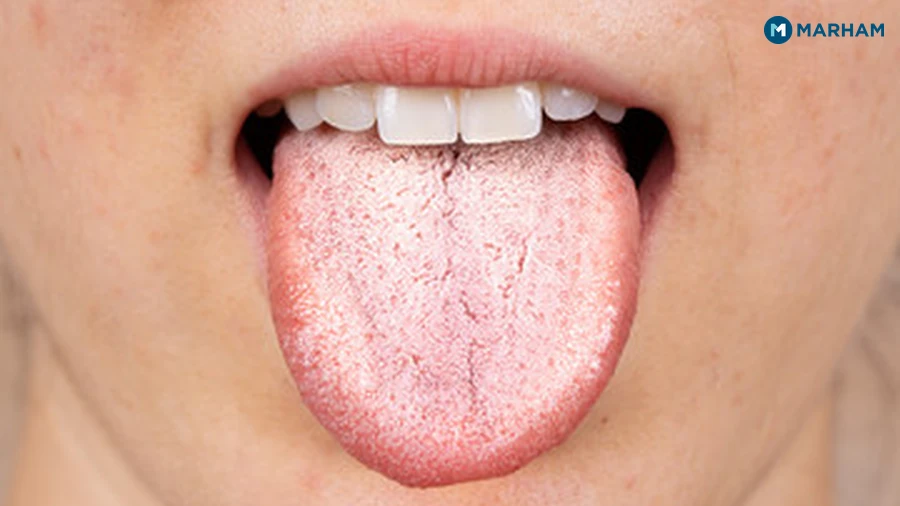
4. Leukoplakia
Leukoplakia refers to thick white or grey patches on the tongue or inner cheeks that cannot be scraped off. According to the NHS, it may be linked to irritation from tobacco use or alcohol. In Pakistan, gutka, paan, and naswar use are established risk factors. Leukoplakia is not cancer, but it is considered a precancerous condition. Any white patch that does not clear up within two weeks and cannot be removed deserves prompt evaluation by a dentist or an ENT or gastroenterology specialist to rule out serious pathology.
5. Geographic Tongue
Geographic tongue creates irregular red patches on the tongue’s surface with white or light-coloured borders. The patches shift position over days or weeks, which is why it gets its name. According to Cleveland Clinic, there is no risk of these patches becoming cancerous. The condition is generally harmless, though it can cause mild sensitivity to spicy foods, something worth noting given how chilli-heavy Pakistani cuisine tends to be. No specific treatment is needed, though avoiding very spicy or acidic foods can reduce discomfort.
6. Oral Lichen Planus
Oral lichen planus is an inflammatory condition, meaning the immune system attacks the cells lining the mouth, that produces white lacy lines or patches on the tongue and inner cheeks. It may also cause burning or soreness. The NHS lists it as a recognised cause of white tongue. Mild cases may need no treatment. Persistent or painful cases are managed by a specialist, sometimes with steroid mouthwashes.
7. Tobacco Use (Smoking, Naswar, Gutka)
Tobacco irritates the tongue’s surface and reduces saliva flow. Long-term smokers may develop hairy tongue, a condition where the papillae grow longer than normal and trap more debris, turning the tongue white or even brown or black. Naswar (smokeless tobacco) and gutka use, common in Khyber Pakhtunkhwa and parts of Punjab, carry an added risk of leukoplakia on top of general tongue discolouration. Stopping tobacco use is the most effective step a person can take for their oral health.
8. Medications and Systemic Conditions
Certain antibiotics, antidepressants, antihistamines, and blood pressure medications reduce saliva flow, contributing to dry mouth and a white coating. Inhaled steroids used for asthma, as noted by the World Health Organization, also increase the risk of oral thrush. Systemic conditions including uncontrolled diabetes, anaemia, and immune-suppressing illnesses can all manifest partly through changes in the tongue’s appearance.
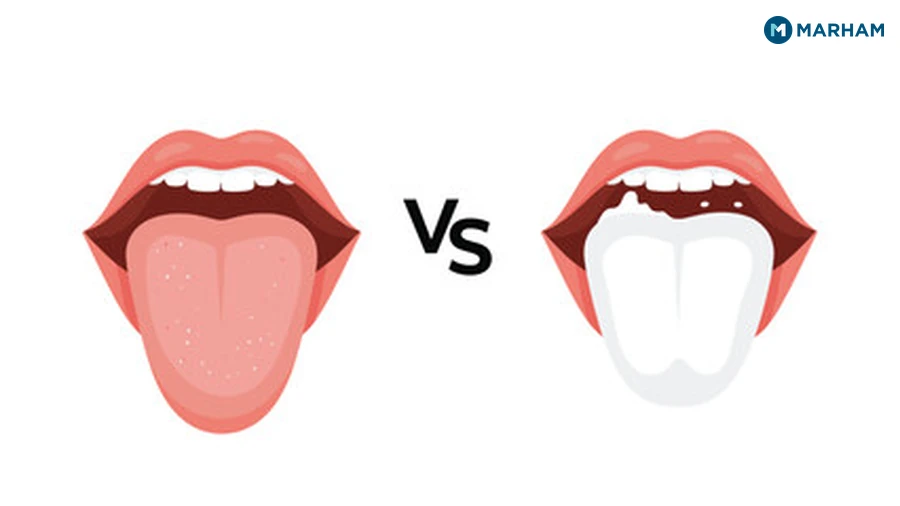
White Tongue in Urdu
زبان کا سفید ہونا اکثر ایک عام اور بے ضرر علامت ہے جو منہ کی صفائی نہ رکھنے، پانی کم پینے یا دوائیوں کے استعمال سے ہو سکتی ہے۔ پاکستان میں گرمیوں کے موسم اور رمضان کے دوران پانی کی کمی کی وجہ سے یہ مسئلہ زیادہ دیکھا جاتا ہے۔ اگر زبان پر سفید دھبے کھرچنے سے نہ ہٹیں، دو سے تین ہفتوں سے زیادہ رہیں، یا درد اور نگلنے میں تکلیف ہو، تو یہ منہ کی پھپھوندی (کینڈیڈا)، لیوکوپلاکیا، یا کسی اور طبی حالت کی علامت ہو سکتی ہے۔ ایسی صورت میں فوری طور پر کسی ڈاکٹر سے رجوع کریں۔
Do You Need to See a Specialist? A Quick Self-Check
Go through the points below. If three or more apply to you, consider booking a specialist rather than waiting it out.
- The white coating has lasted more than two to three weeks
- The coating does not scrape off or leaves a raw, bleeding surface
- You have pain, burning, or soreness in the mouth
- You have difficulty swallowing or speaking
- You have been taking antibiotics recently
- You use tobacco in any form (cigarettes, naswar, gutka, paan)
- You have diabetes, HIV, or are on immune-suppressing medication
- You have unexplained weight loss alongside the white tongue
How to Get Rid of White Tongue at Home
For the common, benign variety caused by hygiene or dehydration, these steps work well for most Pakistani adults:
- Use a tongue scraper daily. Scrape from back to front each morning before drinking anything. Tongue scrapers are widely available at pharmacies across Karachi, Lahore, and Islamabad for Rs. 100 to Rs. 200.
- Brush your tongue when you brush your teeth. A soft-bristled toothbrush works. Brush gently in circular motions, rinse thoroughly.
- Drink more water. Aim for at least 8 glasses spread across the day. During Ramadan, prioritise water over chai at sehri and iftar.
- Rinse with warm salt water. Dissolve half a teaspoon of table salt in a glass of warm water and swish for 30 seconds. Salt has mild antibacterial properties and helps reduce tongue coating.
- Cut back on very spicy or heavily fermented foods. Achaar (pickle), imli (tamarind), and very hot curries can irritate the tongue’s surface and worsen papillae inflammation.
- Stop or reduce tobacco. Even cutting down on smoking or naswar reduces tongue irritation within days.
- Review your medications. If you started a new antibiotic or antihistamine and the white tongue appeared shortly after, mention this to your doctor. Do not stop any prescribed medication without medical advice.
If your white tongue has lasted more than two weeks, won’t scrape off, or comes with pain or difficulty swallowing, it’s worth getting a proper assessment. A gastroenterologist or general physician on Marham can evaluate oral symptoms, advise on whether a biopsy or antifungal treatment is needed, and connect you with the right specialist without a long wait.
Frequently Asked Questions
Is a white tongue a sign of something serious?
Most white tongues are not serious and clear up with better oral hygiene and hydration within a few weeks. A coating that cannot be scraped off, persists beyond three weeks, or comes with pain or difficulty swallowing may indicate oral thrush, leukoplakia, or another condition that needs clinical evaluation.
Can dehydration cause a white tongue?
Yes. When the body is dehydrated, saliva production drops and bacteria accumulate on the tongue’s surface, producing a white or pale coating. This is one of the most common causes in Pakistan, especially during summer and Ramadan fasting hours. Drinking adequate water throughout the day typically resolves it.
Does white tongue go away on its own?
In most cases, yes. White tongue caused by poor oral hygiene or dehydration usually resolves within a few weeks once the underlying habit changes. White tongue caused by oral thrush, leukoplakia, or lichen planus does not go away on its own and requires treatment.
What is the difference between oral thrush and leukoplakia?
Oral thrush (Candida) produces creamy white patches that scrape off but leave a raw red base beneath. Leukoplakia produces thick white or grey patches that cannot be scraped off at all. Leukoplakia is considered a precancerous condition and requires urgent professional evaluation, particularly in people who use tobacco or paan.
When should I see a doctor for white tongue in Pakistan?
See a doctor if the coating lasts more than two to three weeks, cannot be scraped off, causes pain or burning, or is accompanied by difficulty swallowing, fever, or unexplained weight loss. People with diabetes, HIV, or a weakened immune system should seek evaluation sooner rather than later. A specialist on Marham can assess your symptoms and guide next steps.
Conclusion
White tongue causes range from something as simple as not drinking enough water to conditions that need prompt medical attention. The scrapability test, the location of the coating, and how long it has been there are the three things that matter most. For Pakistani adults, dehydration, antibiotic use, and tobacco habits are the most common drivers, and all three are addressable. If any red-flag signs appear, getting a professional assessment early is always the right call.
This content is for informational purposes only and does not constitute medical advice. Always consult a qualified healthcare professional for diagnosis and treatment.