


Most people in Pakistan know they should drink more water. What fewer people realise is that how and when you drink it matters just as much as the amount. A person who drinks two litres a day can still be functionally dehydrated if they drink it all in the wrong way.
Pakistan’s climate makes this more pressing than most places. In Lahore and Karachi, summer temperatures regularly cross 40°C, and the body loses far more fluid through sweat than the standard eight-glass guideline accounts for. Add three to four cups of chai a day — a near-universal habit — and the hydration picture gets complicated quickly.
Below are seven water drinking mistakes that Pakistani adults make most often, why each one matters, and a simple fix for each.
Quick Answer
Most water drinking mistakes in Pakistan come down to timing, quantity, and quality — not just how much you drink. Waiting until you feel thirsty, gulping large amounts at once, drinking ice-cold water on a hot day, and replacing water with chai or sugary drinks are the most common errors. Fixing these habits can improve digestion, energy, kidney health, and focus without any medication or cost.
پانی پینے کی غلطیاں | Pani Peenay Ki Ghaltiyan
پاکستان میں گرمی کی شدت اور روزمرہ کی مصروفیات کی وجہ سے لوگ اکثر پانی پینے میں غلطیاں کرتے ہیں جو صحت پر برا اثر ڈالتی ہیں۔ پیاس لگنے کا انتظار کرنا، ایک ہی وقت میں بہت زیادہ پانی پینا، کھانے کے دوران پانی پینا، اور پانی کی جگہ چائے یا میٹھے مشروبات پینا سب سے عام غلطیاں ہیں۔ ان عادات کو درست کرنے سے نظامِ ہضم، گردوں اور توانائی میں نمایاں فرق پڑ سکتا ہے۔ اگر آپ کو مسلسل تھکاوٹ، سر درد یا گہرے رنگ کا پیشاب ہو تو یہ پانی کی کمی کی علامات ہو سکتی ہیں۔
Mistake 1: Waiting Until You Feel Thirsty
Thirst is a late signal, not an early one. By the time you feel thirsty, your body is already mildly dehydrated, and even a 1 to 2 percent drop in body water can impair concentration and physical performance, according to research published in the Journal of Nutrition. You don’t feel it as dramatically as a headache or dizziness — it shows up as mild fatigue, slightly slower thinking, and a dry mouth you’ve probably learned to ignore.
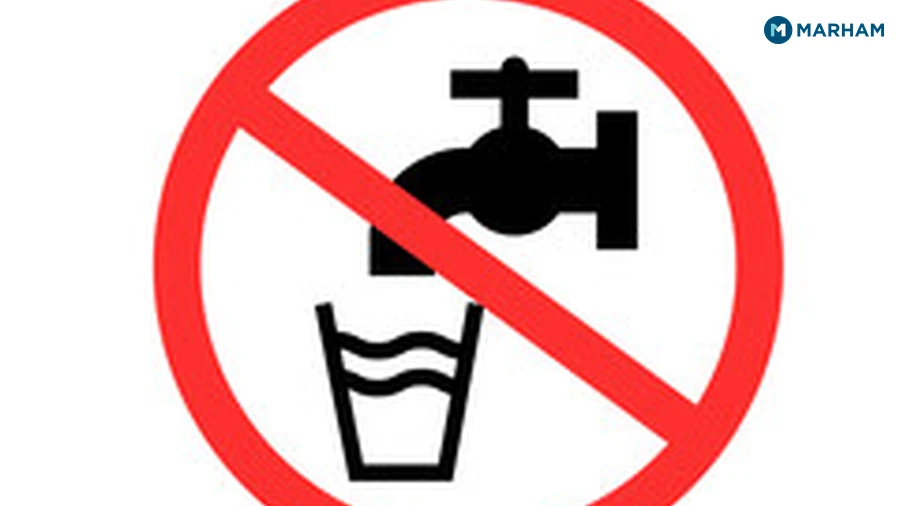
The fix is straightforward: sip water consistently through the day rather than waiting for the cue. Keeping a one-litre bottle visible on your desk or kitchen counter is one of the simplest habit changes that actually works. In Lahore’s May to August heat, aim to sip something every 30 to 45 minutes even if you don’t feel thirsty.
Mistake 2: Gulping Large Amounts All at Once
Drinking a full glass or two of water rapidly may feel productive, but your kidneys can only process roughly 800 ml to 1,000 ml of water per hour. Flooding the system faster than that dilutes the sodium in your blood, which in extreme cases causes a condition called hyponatremia — dangerously low blood sodium. Mild versions of this show up as bloating, nausea, and headaches that people often blame on something they ate.
Sipping steadily allows the intestines to absorb water gradually and your cells to actually use it. If you’ve been ignoring water all morning and suddenly down two glasses before lunch, most of that goes straight to your bladder. Small sips, spread out, are always more effective than large boluses.
Mistake 3: Drinking Ice-Cold Water in Extreme Heat
Cold water feels refreshing when it’s 42°C outside, but drinking very cold water when your body is overheated may cause the blood vessels in your stomach lining to constrict, which can slow digestion. Some people also experience throat cramping or a sudden headache. This is especially common after outdoor activity in cities like Multan and Karachi, where people come inside and immediately drink chilled water from the fridge.
Room-temperature or slightly cool water is gentler on the stomach and absorbs more efficiently. If you want something cold, let the water sit for a few minutes after taking it out of the fridge rather than drinking it at refrigerator temperature. Pudina (mint) added to room-temperature water is a traditional and genuinely cooling alternative.
Mistake 4: Counting Chai as Your Main Fluid
This is the most distinctly Pakistani hydration mistake and one that global hydration guides completely miss. The average Pakistani adult drinks three to four cups of doodh patti or karak chai daily. Caffeine is a mild diuretic, meaning it slightly increases urine output. While moderate caffeine consumption doesn’t cause severe dehydration, relying on chai as your primary fluid intake means you’re not getting the plain water your kidneys and digestive system need to function well.
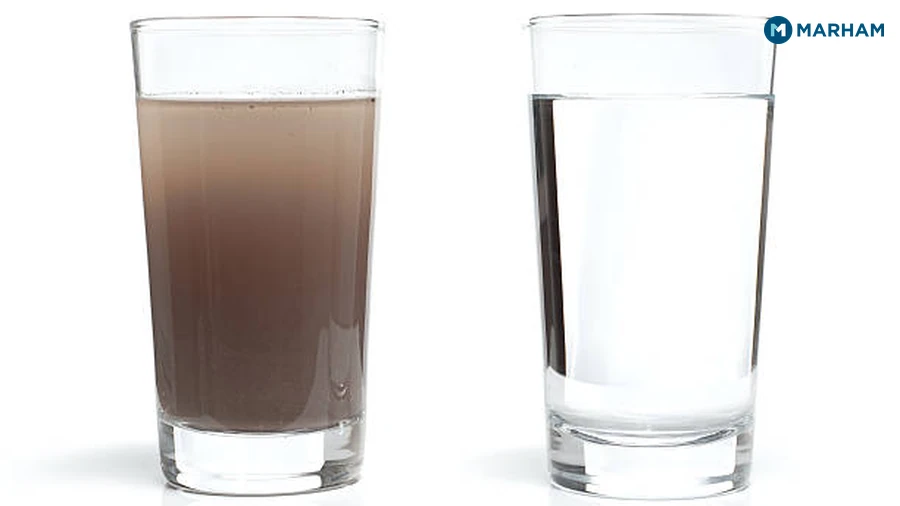
The practical rule: for every cup of chai, drink one extra glass of water. This isn’t about cutting chai — it’s about not letting it replace water. The same applies to carbonated drinks like Pakola or Pepsi, which are high in sugar and contribute to fluid loss rather than fluid gain. Learn more about how much water a Pakistani should drink in summer vs winter to calibrate your actual daily target.
Mistake 5: Drinking Large Amounts During Meals
Drinking water with meals is fine in small amounts, but gulping a full glass mid-roti can dilute stomach acid and digestive enzymes, making it harder to break down food efficiently. This is particularly relevant with heavy Pakistani meals — biryani, daal chawal, or nihari — where the stomach is already working hard.
Nutritionists generally recommend drinking a glass of water 20 to 30 minutes before a meal to prepare the digestive system, then sipping lightly during eating if needed, and having another glass 30 minutes after. Avoid large amounts of water immediately before or during a meal if you regularly experience bloating or indigestion after eating.
Mistake 6: Ignoring Water Quality
In Pakistan, what you drink matters as much as how much you drink. A peer-reviewed study published in the journal Environmental Science and Pollution Research found that a large proportion of water samples from various Pakistani cities contained bacterial contamination and elevated total dissolved solids above safe limits. Tap water in most cities — including Karachi and Rawalpindi — is not reliably safe to drink without treatment.
Boiling water for at least one minute kills most pathogens. A reverse osmosis (RO) filter, available from local hardware stores in Lahore and Islamabad for roughly PKR 8,000 to 15,000, removes both bacteria and heavy metals. If you’re buying bottled water, check that the seal is intact. Contaminated water causes waterborne illness — including typhoid and hepatitis A — which is far more common in Pakistan than most people assume. Read more about Hepatitis A and E in Pakistan: the summer water risk.
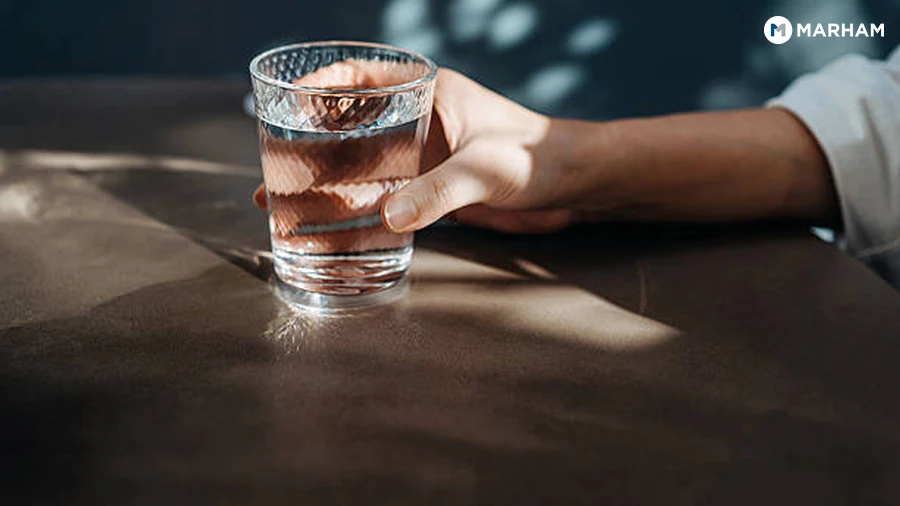
Mistake 7: Not Adjusting for Heat, Fasting, or Illness
The standard eight-glasses-a-day guideline was not designed for Pakistan’s climate. In Punjab and Sindh, summer temperatures regularly exceed 40°C, and a person doing outdoor work or exercise can lose over one litre of fluid per hour through sweat. The National Academies of Sciences recommends roughly 3.7 litres of total daily fluid for men and 2.7 litres for women — and those figures go up in hot climates and during physical activity.
During Ramadan, the window for hydration shrinks to the hours between Iftar and Sehri. Many Pakistani adults drink very little during this window, then feel exhausted and headachy through the fast. Spreading water intake evenly between Iftar and Sehri — rather than drinking a large amount at once — helps the body retain hydration through the day. If you’re unwell with fever, vomiting, or diarrhoea, plain water may not be enough; an ORS (oral rehydration solution) sachet mixed with boiled water replaces the electrolytes that illness strips away.
How to Know If You’re Hydrating Correctly
The urine colour test is the simplest and most reliable daily check. Pale yellow urine generally indicates adequate hydration. Dark yellow or amber urine is a sign you need more fluid. Colourless urine can indicate overhydration, which puts unnecessary strain on the kidneys.
| Urine Colour | What It Suggests | Action |
|---|---|---|
| Clear / colourless | Possibly overhydrated | Ease back slightly |
| Pale yellow | Well hydrated | Keep going |
| Dark yellow | Mildly dehydrated | Drink a glass now |
| Amber / brown | Significantly dehydrated | Drink water and rest; see a doctor if persistent |
When to See a Doctor About Hydration or Kidney Health
Persistent headaches, frequent kidney stones, chronic fatigue, or very low urine output are signs that your hydration habits may be affecting your health in ways that need medical attention. Kidney stones are more common in Pakistan’s hot climate than many people realise, and inadequate water intake is one of the main contributing factors. If you experience any of these symptoms regularly, consulting a nutritionist in Pakistan can help you build a hydration plan that fits your body weight, activity level, and local climate.
Persistent fatigue, frequent headaches, or recurring kidney stones may signal a hydration problem that goes beyond simply drinking more water. A qualified nutritionist can assess your specific needs based on your health history, diet, and Pakistan’s climate.
Frequently Asked Questions
Is it bad to drink water while eating?
Small sips during a meal are fine, but drinking a full glass mid-meal can dilute stomach acid and slow digestion. It’s better to drink a glass 20 to 30 minutes before eating and another 30 minutes after.
What happens if you drink too much water at once?
Drinking very large amounts rapidly can dilute sodium in the blood, a condition called hyponatremia, which causes nausea, headaches, and in severe cases, confusion. Sipping steadily throughout the day is always safer than gulping a large amount at once.
Is cold water bad for you?
Very cold water isn’t dangerous for most people, but it may slow digestion and cause stomach discomfort, especially after a heavy meal or intense outdoor activity in Pakistan’s heat. Room-temperature water is generally easier on the digestive system.
How much water should I drink per day in Pakistan?
In Pakistan’s hot climate, most adults need at least 2.5 to 3 litres of fluid daily, more during summer or physical activity. Use urine colour as your daily guide: pale yellow means you’re on track.
Can drinking water help with weight loss?
Drinking water before meals can reduce appetite and calorie intake, and replacing sugary drinks with water removes a significant source of empty calories. It supports weight management but isn’t a treatment for obesity on its own.
Is it bad to drink water late at night?
Drinking large amounts of water close to bedtime can disrupt sleep by causing you to wake for the bathroom. It’s better to front-load hydration during the day and ease off after dinner.
What are the early signs of dehydration?
Dark yellow urine, mild headache, fatigue, and difficulty concentrating are the earliest signs. By the time you feel thirsty, dehydration has already begun. Checking urine colour each morning is the simplest daily habit to catch it early.
Conclusion
Good hydration isn’t about hitting a fixed number of glasses. It’s about timing, quality, and paying attention to what your body is actually telling you. For Pakistani adults dealing with extreme heat, heavy chai habits, and variable water quality, getting these basics right can make a real difference to energy, digestion, and long-term kidney health. Start with the urine colour check tomorrow morning — it costs nothing and tells you more than any app.
This article is for general informational purposes only and does not constitute medical advice. Consult a qualified healthcare professional for personalised guidance.