


Elbow pain that flares up when you lift a chai cup, shake hands, or turn a doorknob is one of the more frustrating complaints a Pakistani patient can walk into a clinic with. It looks minor from the outside, but it can make everyday tasks feel impossible. That pain on the outer side of the elbow has a name: tennis elbow, also called lateral epicondylitis.
Despite the sporty name, most people who develop this condition have never picked up a racquet. A 2025 study published by the University of Lahore’s Institute of Physical Therapy found a 14% prevalence of tennis elbow among tannour chefs in Lahore, whose daily work involves continuous dough-kneading and gripping. Housewives who knead atta, wash clothes by hand, and use a belan (rolling pin) repeatedly are also at elevated risk, as a separate cross-sectional study on Lahore housewives confirmed. In Pakistan, this is very much an occupational condition.
The good news is that tennis elbow responds well to conservative management. Most patients recover fully without surgery if they start the right steps early.
Tennis Elbow in Urdu
ٹینس ایلبو، جسے طبی زبان میں لیٹرل ایپیکونڈیلائٹس کہا جاتا ہے، کہنی کے باہری حصے میں درد کی ایک عام وجہ ہے۔ یہ تکلیف عموماً بار بار کی جانے والی حرکات جیسے آٹا گوندھنا، کپڑے دھونا، یا بھاری چیزیں اٹھانے سے پیدا ہوتی ہے۔ پاکستان میں یہ مسئلہ کھلاڑیوں کے ساتھ ساتھ گھریلو خواتین اور مزدور پیشہ افراد میں بھی عام ہے۔ آرام، ورزش، اور بعض اوقات فزیوتھراپی سے اکثر مریض چند ہفتوں میں بہتر ہو جاتے ہیں۔
What Is Tennis Elbow (Lateral Epicondylitis)?
Tennis elbow is an overuse injury where the tendons attaching your forearm muscles to the bony bump on the outer elbow (the lateral epicondyle) develop tiny tears from repetitive strain. The main tendon affected is the extensor carpi radialis brevis (ECRB), which helps stabilise the wrist during gripping and lifting movements. Over time, repeated microtrauma causes inflammation and, in chronic cases, tendon degeneration.
According to Cleveland Clinic, tennis elbow affects roughly 2 in every 100 people between the ages of 30 and 65. It’s not a sports-only condition: more than 9 in 10 cases develop in people outside of racquet sports.
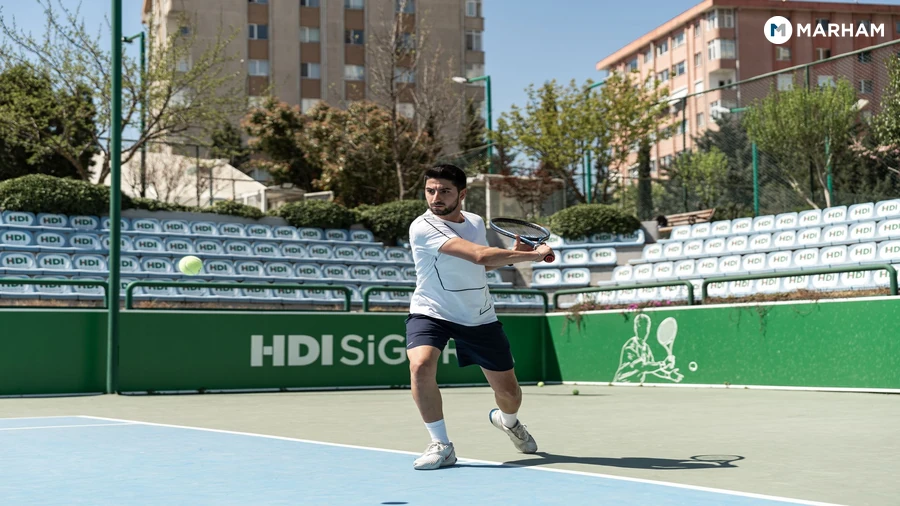
Tennis Elbow Symptoms: How to Recognise It
The hallmark symptom is pain and tenderness on the outer side of the elbow that may spread down the forearm toward the wrist. Pain tends to worsen with specific movements rather than being constant.
Common symptoms include:
- Pain on the outer elbow, especially when gripping or lifting
- Weak grip strength, making it hard to hold a glass or a shopping bag
- Stiffness in the elbow after rest or overnight
- Pain when shaking hands, turning a tap, or wringing a towel
- Burning or aching that travels down the forearm
A less obvious sign: the pain is often worst first thing in the morning or after sitting still, then eases slightly with gentle movement before worsening again with activity. Many patients in Pakistan describe it as “kaam karte waqt khanchi lagti hai” (a pulling sensation during work).
What Causes Tennis Elbow in Pakistani Patients?
The root cause is repetitive strain on the forearm tendons, but the specific trigger varies by occupation and lifestyle. Repeated gripping, twisting, and wrist extension are the common threads.
Occupational and daily-life triggers common in Pakistan:
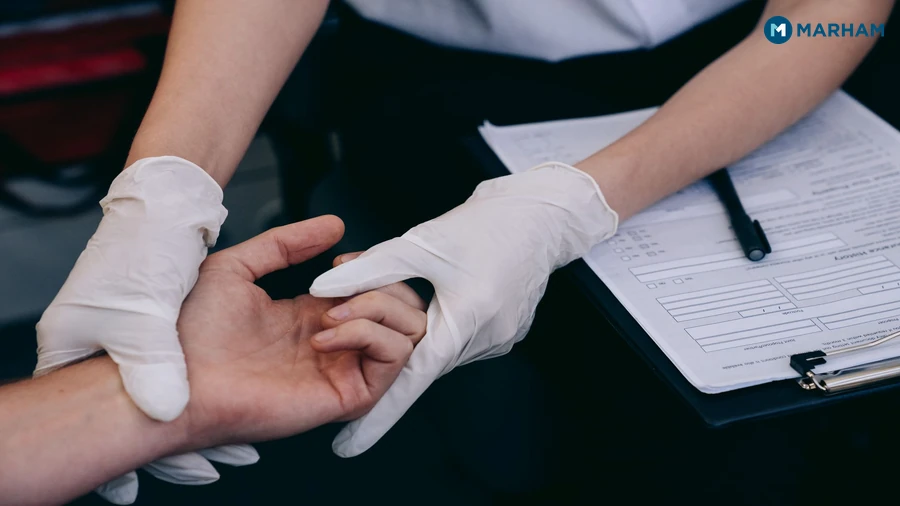
- Kneading dough (atta goondna) daily, whether at home or in a commercial bakery
- Washing clothes by hand, particularly wringing and scrubbing
- Using a belan (rolling pin) repeatedly
- Construction and carpentry work involving hammering and screwdriving
- Prolonged computer or smartphone use with poor wrist posture
- Playing squash or badminton, both widely popular in Pakistani cities
According to StatPearls (NIH), the condition primarily results from repetitive strain involving loaded gripping and wrist extension. Smoking, diabetes, and soft tissue conditions may also increase susceptibility, per published research.
Tennis Elbow vs Golfer’s Elbow: Key Differences
These two conditions are often confused because both cause elbow pain. The location tells them apart.
| Feature | Tennis Elbow (Lateral) | Golfer’s Elbow (Medial) |
|---|---|---|
| Pain location | Outer (lateral) elbow | Inner (medial) elbow |
| Tendons affected | Wrist extensor tendons | Wrist flexor tendons |
| Worsens with | Gripping, lifting, extending wrist | Gripping, flexing wrist inward |
| Common in Pakistan | Dough-kneaders, squash players | Cricketers, bowlers, golfers |
| Treatment approach | Similar: rest, physio, eccentric exercises | Similar: rest, physio, eccentric exercises |
If you’re unsure which you have, a physiotherapist can confirm with a simple physical test called Cozen’s test, which applies resistance to the wrist extensor muscles.
How to Treat Tennis Elbow at Home: A Step-by-Step Approach
Around 80 to 95 percent of patients recover without surgery, according to published clinical data. The process takes patience: recovery typically ranges from 6 weeks to 12 months depending on how long the condition has been present and how consistently treatment is followed.
- Rest the arm. Stop or significantly reduce the activity causing the pain. For a housewife kneading atta daily, this may mean using a food processor or resting for a few days during a flare.
- Apply ice to the outer elbow. Use a cloth-wrapped ice pack (or a bag of frozen peas from the freezer) for 10 to 15 minutes, 3 to 4 times a day during the first few days of a flare. Never apply ice directly on bare skin.
- Use an elbow strap or counterforce brace. These are available at pharmacies in Lahore, Karachi, and Islamabad for roughly PKR 500 to 1,500. The strap sits about 2 to 3 cm below the elbow and reduces tendon load during activity. Research suggests they provide short-term symptom relief.
- Start gentle stretching once swelling settles. Extend your arm straight, palm facing down, and use your other hand to gently pull your fingers back toward your body. Hold for 15 to 30 seconds. Repeat 3 times. Do this 2 to 3 times daily.
- Progress to eccentric strengthening exercises. Eccentric exercises (where the muscle slowly lengthens under load) are the best-studied rehabilitation method for this condition, per a 2021 systematic review in the British Journal of Sports Medicine. Sit with your forearm resting on a table, hold a light water bottle (0.5 to 1 litre), and slowly lower your wrist downward from a raised position. This slow lowering phase is the eccentric component. Do 3 sets of 10 repetitions, 3 times a day. Start with a 500ml bottle; increase weight gradually as pain allows.
- Try the towel twist. Sit upright, hold a small cotton towel with both hands, and wring it as if squeezing out water. Repeat 10 times in each direction. This works both the wrist extensors and flexors together.
- Modify your workspace or technique. If you use a computer in Karachi’s typical office setup, raise your keyboard so your wrists stay neutral. Avoid gripping objects tightly when a lighter grip will do.
When Should You See a Doctor for Elbow Pain?
Home management works for most mild to moderate cases, but some situations need professional evaluation. See a doctor or physiotherapist if:
- Pain has not improved after 4 to 6 weeks of consistent home treatment
- You cannot perform basic daily tasks like lifting a kettle or turning a key
- The pain is severe, constant, or wakes you from sleep
- You notice swelling, redness, or warmth around the elbow joint
- Grip strength is noticeably reduced in the affected hand
A physiotherapist or orthopaedic specialist can confirm the diagnosis using Cozen’s test, assess your grip strength, and design a structured rehabilitation programme. In persistent cases, a doctor may recommend a cortisone injection for short-term relief, though repeated injections can weaken tendons over time. Platelet-rich plasma (PRP) therapy is also used in some cases, though research on its effectiveness shows mixed results. Surgery is rarely needed and is considered only after 6 to 12 months of failed conservative treatment.
Consulting a qualified orthopedic or physiotherapy specialist in Pakistan early can prevent a short-term overuse injury from becoming a chronic problem.
How to Prevent Tennis Elbow from Coming Back
Prevention matters as much as treatment, especially for people in manual occupations.
- Warm up forearm muscles before any repetitive task
- Take a 5-minute break every 45 to 60 minutes during repetitive hand work
- Strengthen your forearm muscles with the eccentric exercises above, even when pain-free
- Use proper technique in squash or badminton; a coach can check your grip and swing
- Avoid gripping tools or racquets too tightly
- Keep your elbow slightly bent (not locked straight) when lifting
Get Specialist Advice from Marham
Tennis elbow can drag on for months when it’s managed only with rest and painkillers. Many patients in Pakistan go through repeated flare-ups because the underlying tendon weakness is never properly addressed. A structured physiotherapy programme, guided by someone who can assess your grip strength and movement pattern, makes a real difference to recovery time.
Marham connects you with verified physiotherapy and musculoskeletal specialists in Pakistan through online and in-clinic consultations across Lahore, Karachi, and Islamabad. A short consultation can help confirm whether what you’re experiencing is tennis elbow or something else, and give you a personalised rehabilitation plan you can follow at home.
Frequently Asked Questions
How long does tennis elbow take to heal?
Recovery typically takes 6 weeks to 12 months, depending on how long the condition has been present and how consistently treatment is followed. Mild cases with early intervention often resolve within 6 to 8 weeks.
Is tennis elbow serious?
Tennis elbow is not dangerous, but it can become a long-term problem if ignored. Without proper management, the tendon degeneration can worsen and make even light tasks painful for months or years.
How do I know if I have tennis elbow and not something else?
The key sign is pain specifically on the outer elbow that worsens when you grip or extend your wrist. A physiotherapist can confirm it with a simple physical test. Nerve pain, arthritis, and referred pain from the neck can mimic tennis elbow, so professional assessment matters.
Can I exercise with tennis elbow?
Yes, but carefully. Avoid exercises that load the wrist extensors heavily. Gentle stretching and eccentric strengthening exercises are actually part of the treatment. Stop any movement that causes sharp or worsening pain.
What is the fastest way to heal tennis elbow?
Rest the arm, apply ice during flare-ups, use a counterforce elbow strap, and start eccentric strengthening exercises consistently. According to the NIH, combining rest with targeted exercise gives better outcomes than rest alone.
Can housewives in Pakistan get tennis elbow without playing any sport?
Yes. Research from Lahore shows that daily activities like kneading dough, wringing clothes, and rolling roti are common triggers. The condition is very much an occupational and household injury, not just a sporting one.
When should I see a doctor for tennis elbow in Pakistan?
See a doctor if pain has not improved after 4 to 6 weeks of home treatment, if your grip strength is noticeably weak, or if daily tasks are significantly affected. Early specialist review helps avoid months of unnecessary suffering.
Conclusion
Tennis elbow is one of the most common causes of elbow pain in Pakistan, and it has very little to do with tennis. Manual workers, housewives who knead dough and wash clothes by hand, office workers with poor wrist posture, and squash players are all at risk. The condition responds well to rest, targeted eccentric exercises, and a counterforce brace when caught early. Patience is the hardest part: tendons heal slowly, but most people recover fully without injections or surgery if they follow a consistent plan.