


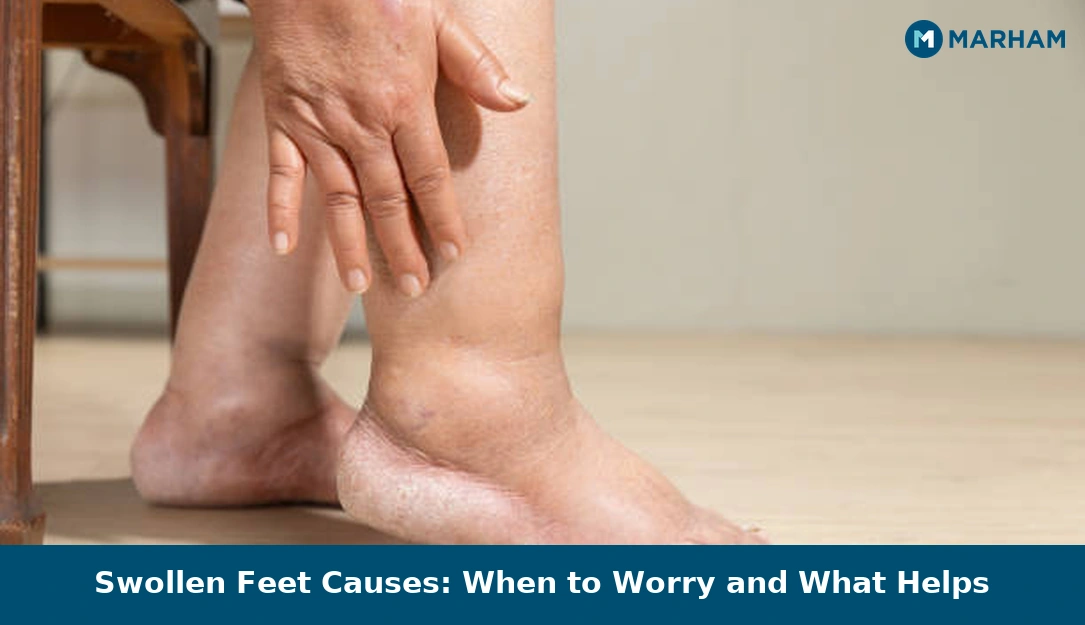

Paon ki sojan, or foot swelling, is something most Pakistanis brush off after a long day. A few hours of rest and it’s gone — so it can’t be serious, right? Not always.
During Karachi’s summer months, when temperatures regularly cross 40°C, mild foot swelling from heat alone is genuinely common. But the same symptom can also be the first visible sign of heart failure, kidney disease, or a blood clot. Knowing the difference matters.
This guide covers the nine most common swollen feet causes, the warning signs that need prompt attention, and practical steps that actually help in a Pakistani context.
پاؤں کی سوجن: اہم باتیں
پاؤں کی سوجن، جسے طبی زبان میں ایڈیما کہتے ہیں، اس وقت ہوتی ہے جب جسم کے ٹشوز میں اضافی سیال جمع ہو جاتا ہے۔ یہ اکثر لمبے عرصے تک کھڑے رہنے، گرمی، یا حمل کی وجہ سے ہوتی ہے۔ تاہم اگر سوجن صرف ایک پاؤں میں ہو، اچانک شروع ہو، یا سانس لینے میں تکلیف کے ساتھ ہو، تو یہ دل، گردے یا خون کی نالیوں کی کسی سنگین بیماری کی علامت ہو سکتی ہے۔ پاکستان میں ذیابیطس کے مریضوں کو خاص طور پر پاؤں کی سوجن اور زخموں سے محتاط رہنا چاہیے۔ فوری طبی مشورے کے لیے مرہم پر ڈاکٹر سے رابطہ کریں۔
What Is Foot Swelling (Edema)?
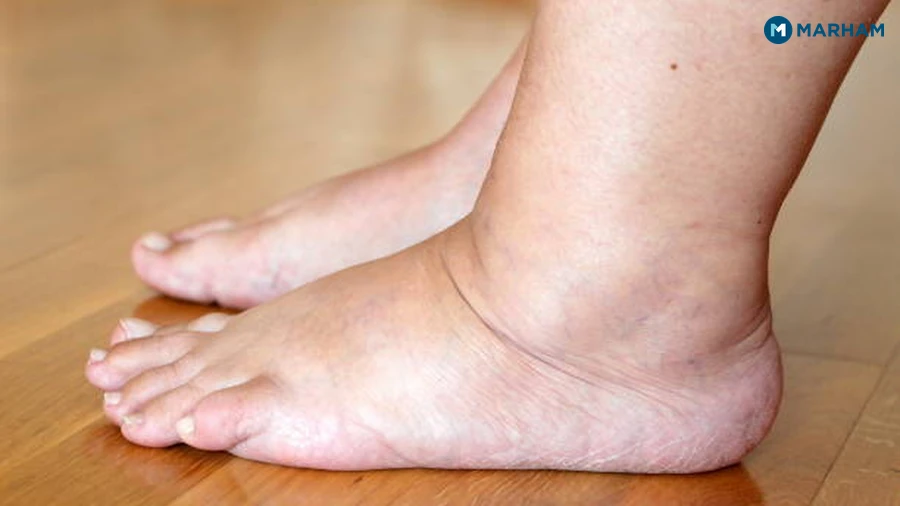
Edema is the medical term for swelling caused by excess fluid trapped in the body’s tissues. It most commonly affects the feet, ankles, and lower legs. Swelling can affect one foot or both, and it can be temporary or persistent depending on the underlying cause.
A quick self-check: press your finger firmly into the swollen area for a few seconds. If it leaves a dent (called pitting edema), that’s worth reporting to a doctor.
9 Common Swollen Feet Causes
1. Prolonged Standing or Sitting
This is the most frequent cause. Gravity pulls blood downward, and when you stand or sit for hours, fluid pools in the lower legs and feet. Shopkeepers in Lahore’s Anarkali bazaar, teachers on their feet all day, and office workers sitting through back-to-back meetings all experience this regularly. The swelling is usually mild, affects both feet equally, and improves with rest and elevation.
2. Heat and Hot Weather
In summer heat, blood vessels near the skin widen to help cool the body. This dilation allows more fluid to leak into surrounding tissues, causing temporary foot swelling. It’s one reason feet feel puffier in June and July in Pakistan than in winter. Staying well-hydrated and avoiding long periods outdoors during peak afternoon heat can reduce this.
3. Pregnancy
Foot and ankle swelling is very common during pregnancy, particularly in the third trimester, due to increased fluid retention and pressure from the growing uterus on pelvic veins. Mild swelling in both feet that improves overnight is generally normal. However, sudden severe swelling, especially in the face or hands, can be a sign of preeclampsia, a serious pregnancy complication that needs immediate medical attention.
4. High Salt Intake
Pakistani diets tend to be high in sodium. Achaar (pickles), papad, salty snacks, and heavily spiced restaurant food all contribute. Excess sodium causes the body to retain water, and that extra fluid gravitates to the feet and ankles. Reducing table salt and processed foods is one of the simplest dietary changes that can ease mild edema.
5. Heart Failure
When the heart cannot pump blood efficiently, fluid backs up in the veins of the legs and leaks into surrounding tissue. According to the American Heart Association, right-sided heart failure is a particularly common cause of bilateral (both-feet) ankle swelling that tends to worsen by evening. Other signs alongside the swelling — shortness of breath, fatigue, or waking up breathless at night — make this a medical emergency. Do not wait to see if it improves on its own.
6. Kidney Disease
Healthy kidneys filter excess fluid and sodium out of the body. When kidney function declines, that fluid accumulates in the tissues. Pakistan has a high burden of chronic kidney disease, partly linked to the country’s very high rates of diabetes and hypertension. Swelling from kidney disease often appears in the feet and around the eyes in the morning. kidney disease symptoms and management
7. Liver Disease
The liver produces albumin, a protein that keeps fluid inside blood vessels. When liver function is impaired, albumin levels fall and fluid leaks out into tissues, collecting in the legs and feet. Hepatitis B and C, both highly prevalent in Pakistan, are leading causes of liver damage that can eventually lead to this pattern of swelling. hepatitis in Pakistan
8. Diabetes and Poor Circulation
Diabetes damages blood vessels and nerves over time, reducing circulation to the feet. Pakistan has one of the highest diabetes rates in the world, with over 33 million adults affected according to the International Diabetes Federation (IDF, 2021). Poor circulation leads to fluid pooling in the feet, and diabetic patients are also at higher risk for foot infections that cause localised swelling. Any swelling, wound, or blister on a diabetic foot deserves same-day medical review.
9. Medications
Several commonly prescribed medicines can cause foot swelling as a side effect. These include calcium channel blockers (used for blood pressure), certain steroids, and some hormonal treatments. If swelling started around the same time as a new prescription, mention it to your doctor. Never stop a prescribed medication without medical advice.
One Foot vs Both Feet: A Critical Difference
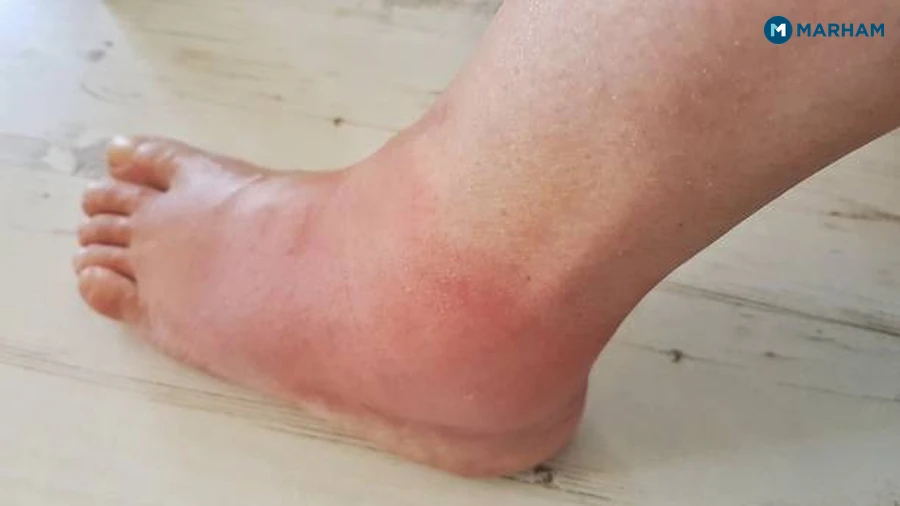
This is the distinction most Pakistani readers don’t know, and it matters enormously. Swelling in both feet simultaneously is usually caused by a systemic issue: heart, kidney, liver, or lifestyle factors. Swelling in only one foot is a red flag for deep vein thrombosis (DVT), a blood clot forming in the deep veins of the leg. DVT can be life-threatening if the clot travels to the lungs. One-sided swelling with calf pain, warmth, or redness needs urgent evaluation, not home management.
| Feature | Likely Benign | Needs Urgent Review |
|---|---|---|
| Which foot? | Both feet equally | Only one foot |
| Onset | Gradual, end of day | Sudden |
| Improves with rest? | Yes, overnight | No |
| Other symptoms? | None | Chest pain, breathlessness, calf pain |
| Skin changes? | None | Redness, warmth, shiny skin |
How to Reduce Swollen Feet at Home
These steps help with mild, lifestyle-related swelling. They do not replace treatment for an underlying medical condition.
- Elevate your feet above heart level for 15 to 20 minutes, two to three times a day. Lie down and prop your feet on a rolled-up razai or two firm pillows.
- Reduce salt in your daily meals. Skip the extra achaar and avoid packaged snacks with high sodium content.
- Stay hydrated. Drinking enough water — roughly 8 glasses a day in normal conditions, more in summer — helps the kidneys flush excess sodium.
- Walk for 20 to 30 minutes daily. Light walking activates the calf muscles, which act as a pump to push blood back up toward the heart.
- Wear compression stockings if you stand for long hours. These are available at most pharmacies in Lahore, Karachi, and Islamabad for roughly Rs. 800 to Rs. 2,000. They apply gentle pressure that prevents fluid from pooling.
- Avoid sitting cross-legged for long periods. This is a common habit in Pakistani households, especially during Ramadan taraweeh or family gatherings, and it restricts blood flow in the legs.
When to See a Doctor for Swollen Feet
Mild swelling that comes and goes is usually not dangerous. See a doctor promptly if the swelling is in only one foot, if it appeared suddenly without an obvious reason, if pressing the skin leaves a deep dent that doesn’t bounce back, or if it comes with shortness of breath, chest tightness, or reduced urination. These signs can point to DVT, heart failure, or kidney disease, all of which need proper diagnosis and treatment.
Consulting a cardiologist in Pakistan is advisable when swelling is accompanied by any cardiac symptoms. For swelling linked to diet, diabetes, or general health, a nutritionist in Pakistan can help you build a low-sodium, circulation-friendly eating plan.
Get Expert Help from Marham
Persistent foot swelling that doesn’t improve with rest and lifestyle changes deserves a proper medical opinion. Getting the right diagnosis early prevents the kind of complications that are much harder to manage later, particularly for patients with diabetes, hypertension, or a family history of heart or kidney disease in Pakistan.
Marham connects you with verified specialists across Pakistan for online consultations, so you don’t need to travel or wait weeks for an appointment. A short session with a general physician or specialist can help identify whether your swelling needs further investigation, a dietary adjustment, or simply some reassurance.
Frequently Asked Questions
Is swollen feet a sign of a serious problem?
Not always. Swelling in both feet after a long day of standing is usually harmless and resolves with rest. However, swelling in one foot, sudden swelling, or swelling with shortness of breath or chest pain can signal a serious condition like DVT or heart failure and needs prompt medical attention.
What is the fastest way to reduce swelling in feet?
Elevating your feet above heart level for 15 to 20 minutes is the quickest way to reduce mild swelling. Reducing salt intake and walking briefly to activate calf-muscle circulation also help.
Can swollen feet be a sign of heart problems?
Yes. Right-sided heart failure causes fluid to back up in the leg veins, leading to swelling in both feet and ankles that tends to worsen by evening. If swelling comes with fatigue, breathlessness, or difficulty lying flat, see a cardiologist.
What medications cause swollen feet?
Calcium channel blockers (used for blood pressure), certain steroids, and some hormonal therapies are common culprits. If you noticed swelling after starting a new medicine, tell your prescribing doctor. Never stop medication without their advice.
When should I be worried about swollen feet?
Worry when swelling is in only one foot, appeared suddenly, leaves a deep pit when pressed, or comes with pain, redness, or warmth in the calf. These are signs of possible DVT or infection and need same-day medical review.
Can a high-salt diet cause swollen feet?
Yes. Excess sodium causes the body to retain water, and that fluid tends to settle in the feet and ankles. Cutting back on achaar, packaged snacks, and heavily salted food often brings noticeable relief within a few days.
Are swollen feet during pregnancy normal?
Mild swelling in both feet, especially in the third trimester, is common and usually harmless. Sudden or severe swelling, particularly in the face or hands, may indicate preeclampsia and requires immediate medical evaluation.
Conclusion
Swollen feet causes range from something as simple as a salty meal or a long day at work to conditions as serious as heart failure or a blood clot. Most mild, bilateral swelling responds well to rest, elevation, reduced salt, and light movement. The key is knowing the red flags: one-sided swelling, sudden onset, skin changes, or swelling paired with breathing difficulty all warrant a doctor’s visit rather than a home remedy. Catching the underlying cause early is always easier than managing its complications later.
