

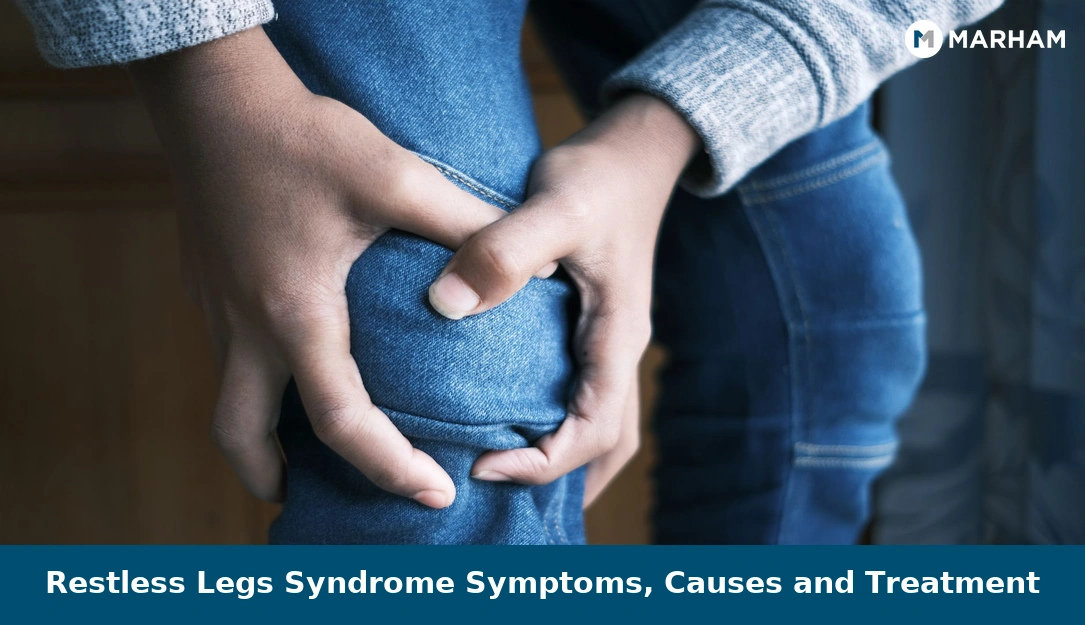
Some people lie down after a long day and feel an unbearable urge to move their legs, a crawling or pulling sensation that simply won’t stop until they get up and walk. It doesn’t feel like a cramp. It doesn’t go away with a stretch. It comes back the moment they try to rest again.
This is restless legs syndrome (RLS), also known as Willis-Ekbom disease. A cross-sectional study conducted at hospitals in Karachi, published in International Scholarly Research Notices (2015), found a point prevalence of 23.6% in a Pakistani sample, with women affected at twice the rate of men. Despite this, the condition is widely misdiagnosed in Pakistan as anxiety, varicose veins, or ordinary leg fatigue.
Understanding what RLS actually feels like, what drives it, and what genuinely helps is the first step toward getting the right care.
بے چین ٹانگوں کا سنڈروم
بے چین ٹانگوں کا سنڈروم (RLS) ایک اعصابی بیماری ہے جس میں آرام کرتے وقت ٹانگوں میں رینگنے، کھنچاؤ یا جلن کا احساس ہوتا ہے اور انہیں حرکت دینے کی شدید خواہش ہوتی ہے۔ یہ تکلیف رات کو بڑھ جاتی ہے اور نیند میں خلل ڈالتی ہے۔ پاکستان میں یہ بیماری اکثر ٹانگوں کے درد یا تھکاوٹ سمجھ کر نظرانداز کر دی جاتی ہے۔ آئرن کی کمی، ذیابیطس اور حمل اس کے اہم اسباب میں سے ہیں۔ بروقت تشخیص اور علاج سے نیند بہتر ہو سکتی ہے اور معیارِ زندگی میں نمایاں فرق آ سکتا ہے۔
What Are the Symptoms of Restless Legs Syndrome?
RLS produces sensations that are hard to describe but easy to recognise once you’ve felt them. The discomfort sits deep inside the leg, not on the skin surface, and it demands movement.
Common sensations people report include:
- Crawling or creeping feeling inside the calves or thighs
- Throbbing, pulling, or aching that builds at rest
- Tingling or “pins and needles” that don’t resolve on their own
- A burning sensation along the lower leg
- An irresistible urge to move, kick, or shake the leg
Four features distinguish RLS from ordinary leg cramps or fatigue, according to the National Institutes of Health (NIH) diagnostic criteria:
- The urge to move begins or worsens during rest or inactivity.
- Movement (walking, stretching, pacing) provides at least partial relief.
- Symptoms are worse in the evening or at night.
- The discomfort is not explained by another medical condition alone.
RLS most often affects both legs. In some people it also involves the arms, and rarely the trunk. Most people with RLS also experience periodic limb movement of sleep (PLMS), where the legs jerk or twitch involuntarily every 15 to 40 seconds through the night, per the NIH. This can wake both the patient and their sleep partner.
What Causes Restless Legs Syndrome?
RLS has two broad categories: primary (no identifiable cause) and secondary (linked to an underlying condition). Secondary RLS is where Pakistani patients often have a real advantage in treatment, because the underlying cause can sometimes be corrected.
Iron deficiency is the most clinically significant and correctable trigger. Low iron in the brain disrupts dopamine signalling in the basal ganglia, the region that regulates smooth, purposeful movement. Even when a blood test shows normal haemoglobin, ferritin (stored iron) levels may be low enough to drive symptoms. Iron deficiency anaemia is highly prevalent among Pakistani women, which may partly explain why RLS prevalence in females was twice that of males in the Karachi study mentioned above.
Diabetes mellitus is another important link for Pakistani patients. A 2024 study from Quaid-e-Azam Medical College, Bahawalpur (published in PMC) noted that RLS is significantly more common in patients with diabetes than in the general population. Diabetic neuropathy, or nerve damage caused by poorly controlled blood sugar, can produce RLS-like sensations in the legs.
Other recognised secondary causes include:
- Chronic kidney disease and dialysis
- Pregnancy, especially the third trimester (symptoms typically resolve within a month of delivery)
- Certain medications, including some antidepressants (SSRIs), antihistamines, and antipsychotics
- Family history: nearly half of people with RLS have a close relative with the condition, per the NIH
Smoking was also associated with RLS in the Karachi cross-sectional study, a finding worth noting given smoking rates in Pakistani men.

How Is Restless Legs Syndrome Diagnosed?
There is no blood test or scan that confirms RLS. Diagnosis is clinical, meaning a doctor evaluates your symptoms against the four NIH criteria listed above. A neurologist or sleep medicine physician will typically also order blood tests to check ferritin, haemoglobin, kidney function, and blood glucose levels, to rule out correctable secondary causes.
RLS is frequently confused with leg cramps, peripheral neuropathy, and even anxiety in Pakistan. The key distinction is timing and relief: cramps usually resolve quickly on their own, whereas RLS discomfort persists until you move and returns the moment you stop.
If you have diabetes in Pakistan and notice uncomfortable leg sensations at night, mention it specifically to your doctor. The connection between the two conditions is under-recognised in routine consultations.
| Feature | Restless Legs Syndrome | Leg Cramp | Peripheral Neuropathy |
|---|---|---|---|
| Timing | Worse at night, at rest | Sudden, any time | Constant or variable |
| Relief with movement | Yes, temporarily | Sometimes | Usually no |
| Sensation type | Crawling, urge to move | Sharp muscle spasm | Burning, numbness |
| Involuntary twitching | Often (PLMS) | No | Possible |
| Linked to iron/diabetes | Yes | Less directly | Yes (diabetes) |
How to Manage Restless Legs Syndrome at Home
For mild to moderate RLS, lifestyle adjustments can reduce symptom frequency and severity. These are not a substitute for medical evaluation, but they are clinically supported first steps.
- Check your iron intake first. Ask your doctor to test your ferritin level, not just haemoglobin. If it’s low, iron-rich foods like red meat, lentils (daal), spinach (palak), and fortified breakfast cereals can help. Dal chawal is genuinely useful here: red lentils are one of the better plant-based iron sources available affordably across Pakistan.
- Cut back on chai after Asr. Caffeine worsens RLS symptoms. The habit of multiple cups of strong chai in the evening is common across Pakistani households and can meaningfully aggravate nighttime leg discomfort. Switch to herbal tea or warm milk after late afternoon.
- Limit alcohol and smoking. Both are associated with worse RLS symptoms. Smoking was specifically linked to RLS in the Karachi study population.
- Take a warm bath before bed. Soaking the legs in warm water for 10 to 15 minutes in the evening can provide temporary relief. Some people find alternating warm and cool water more effective.
- Walk or stretch in the evening, not just at night. A 20-minute walk before Isha, or gentle leg stretches after dinner, can reduce the intensity of nighttime symptoms. Avoid intense exercise close to bedtime, as overexertion can worsen RLS.
- Set a consistent sleep schedule. Going to bed and waking at the same time daily helps regulate the body’s circadian rhythm. RLS symptoms follow a circadian pattern and tend to peak between 10 PM and 4 AM.
- Massage the calves before lying down. A simple self-massage using mustard oil (sarson ka tel), widely available at any kiryana store across Pakistan, can ease the restless sensation temporarily and help signal the body to wind down.
Medical Treatment for Restless Legs Syndrome
When lifestyle changes aren’t enough, a doctor may recommend medication. Treatment depends on the underlying cause and severity.
If iron deficiency is confirmed, iron supplementation is often the first step and can be highly effective. For RLS without a correctable cause, neurologists may consider medications that work on the dopamine system or anticonvulsant medications such as gabapentin or pregabalin, which the US FDA has approved for RLS treatment. These require a prescription and careful monitoring.
Do not start or stop any medication for RLS without consulting a doctor. Some common medicines taken in Pakistan for unrelated conditions, including certain antihistamines and some psychiatric medications, can actually worsen RLS symptoms. Always give your doctor a full list of what you’re currently taking.
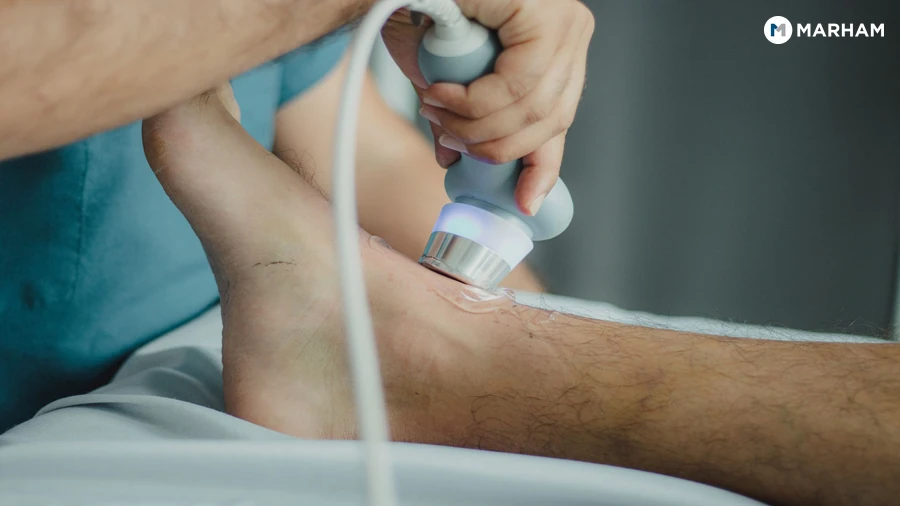
If you have kidney disease and experience RLS symptoms, tell your nephrologist. The two conditions are frequently linked, and managing kidney function can sometimes reduce RLS severity.
Patients with nerve-related symptoms should also be aware that conditions like carpal tunnel syndrome share some features with RLS, though the underlying mechanisms and treatments differ. A proper neurological evaluation separates them clearly.
Who Is at Higher Risk of Restless Legs Syndrome?
Some groups in Pakistan carry a meaningfully higher risk and should pay closer attention to nighttime leg symptoms.
- Women of reproductive age: Iron deficiency anaemia is widespread in this group across Pakistan, and RLS prevalence in females is roughly double that of males.
- Pregnant women: Pregnancy can lower iron and vitamin D levels, increasing RLS risk. Symptoms typically resolve after delivery but should still be discussed with a gynaecologist.
- People with type 2 diabetes: Diabetic neuropathy can trigger secondary RLS. Managing blood sugar carefully may help reduce symptoms.
- People on dialysis: Almost 70% of people with end-stage renal disease may develop RLS, per research published in Experimental and Therapeutic Medicine.
- Older adults: Symptoms tend to worsen with age, though RLS can begin at any stage of life.
Consult a Neurologist on Marham
RLS is underdiagnosed in Pakistan partly because patients don’t know which specialist to see, and partly because general practitioners may attribute the symptoms to tiredness or muscle pain. If your nighttime leg discomfort is disrupting sleep several times a week, or if lifestyle changes haven’t helped after a few weeks, a specialist evaluation is the right next step.
Neurologists in Pakistan on Marham consult online from Karachi, Lahore, Islamabad, and other cities, so you don’t need to travel or wait weeks for an appointment. A short consultation typically takes 15 to 20 minutes and can clarify whether your symptoms fit RLS, rule out a secondary cause like iron deficiency or diabetes-related neuropathy, and guide you toward the right tests or treatment plan.
Frequently Asked Questions
Is restless legs syndrome a serious condition?
RLS is not life-threatening, but it can seriously affect sleep quality and daily functioning. Chronic sleep disruption from RLS can contribute to fatigue, mood problems, and reduced concentration over time, so it deserves proper evaluation rather than being dismissed as tiredness.
What makes restless legs syndrome worse at night?
RLS follows a circadian rhythm, with symptoms typically peaking in the late evening and early night. Dopamine levels in the brain naturally drop at night, which may reduce the brain’s ability to suppress the abnormal sensations. Caffeine, alcohol, and inactivity in the evening can further aggravate symptoms.
Can restless legs syndrome be cured?
There is no cure for primary RLS. However, symptoms can often be well managed with lifestyle changes and, when needed, medication. If RLS is secondary to a correctable cause like iron deficiency, treating that cause can significantly reduce or even resolve symptoms.
Is restless legs syndrome linked to iron deficiency?
Yes, iron deficiency is one of the most important and treatable triggers of RLS. Low iron in the brain disrupts dopamine signalling, which is central to RLS. A ferritin blood test (not just a haemoglobin check) can identify this. Pakistani women are at particular risk given the high prevalence of iron deficiency anaemia in this population.
Can RLS occur during pregnancy?
Yes. Pregnancy increases the risk of RLS, particularly in the third trimester, partly because it lowers iron and vitamin D levels. Symptoms usually resolve within a month after delivery. Pregnant women experiencing these symptoms should mention them to their gynaecologist rather than assuming it’s normal pregnancy discomfort.
When should I see a doctor for restless legs syndrome?
See a doctor if leg discomfort at rest is disrupting your sleep more than twice a week, if it’s affecting your mood or work, or if lifestyle changes haven’t helped. A neurologist in Pakistan can confirm the diagnosis and check for underlying conditions like iron deficiency or diabetic neuropathy.
What is restless legs syndrome called in Urdu?
In Urdu, restless legs syndrome is commonly referred to as بے چین ٹانگوں کا سنڈروم (be-chain tangon ka syndrome). Some people also describe it simply as ٹانگوں کی بے چینی (tangon ki be-chaini), meaning restlessness of the legs.
Conclusion
Restless legs syndrome is a real neurological condition, not just tiredness or stress. The crawling, pulling sensations that appear at rest and ease with movement have a clinical explanation, and in many Pakistani patients there is a correctable underlying cause such as low ferritin or poorly managed blood sugar. Recognising the symptoms early, making a few targeted lifestyle changes, and getting the right blood tests done can make a substantial difference to sleep quality and overall wellbeing.