


Oily skin is one of the most common skin complaints in Pakistan, and it gets worse every summer. If your face looks shiny an hour after washing, your foundation slides off by noon, or your T-zone (forehead, nose, and chin) stays greasy no matter what you try, you’re dealing with excess sebum — the natural oil your skin produces.
The frustrating part is that oily skin rarely has a single cause. For most Pakistani people, it’s a combination of genetics, hormones, climate, and daily habits all working against each other at once. Karachi’s coastal humidity alone can push even normal skin into oily territory between May and September. Add a diet heavy in parathas, chai, and fried snacks, and the sebaceous glands (the tiny oil-producing glands in your skin) can go into overdrive.
Understanding what’s actually driving the oiliness is the first step to managing it. The causes below are the ones dermatologists see most often in Pakistani patients — and a few of them are things most skincare blogs never mention.
تیل والی جلد: اہم وجوہات اور نکات
تیل والی جلد کی سب سے بڑی وجوہات میں جینیاتی عوامل، ہارمونز کا عدم توازن، پاکستان کی گرم اور مرطوب آب و ہوا، اور غلط سکن کیئر روٹین شامل ہیں۔ جب سیبیشیس غدود ضرورت سے زیادہ سیبم پیدا کرتے ہیں تو چہرہ چمکدار اور چکنا نظر آتا ہے۔ ہارمونل تبدیلیاں جیسے بلوغت، حیض، حمل اور پی سی او ایس بھی تیل کی پیداوار بڑھا دیتی ہیں۔ غذا میں چینی اور میدے کی زیادتی، تناؤ، اور چہرے کو بار بار دھونا بھی اس مسئلے کو بڑھاتے ہیں۔ صحیح سکن کیئر اور ماہر ڈرماٹولوجسٹ سے مشورے سے اس مسئلے کو قابو کیا جا سکتا ہے۔
What Is Oily Skin and Why Does It Happen?
Oily skin occurs when the sebaceous glands produce more sebum than the skin needs. Sebum itself is not the enemy — it keeps the skin barrier intact, prevents moisture loss, and has mild antimicrobial properties. The problem starts when there’s too much of it. Excess sebum mixes with dead skin cells and clogs pores, which is why oily skin and acne so often go together.
According to a review published in the Journal of Clinical and Aesthetic Dermatology (2017), oily skin is driven by a combination of genetic, hormonal, environmental, and lifestyle factors — rarely just one. That’s why a single product rarely fixes it.
Key signs your skin is genuinely oily (not just dehydrated):
- Persistent shine on the forehead, nose, and chin within an hour of washing
- Visibly enlarged pores
- Frequent blackheads or whiteheads
- Makeup that doesn’t last past midday
- Skin that feels greasy even after cleansing
8 Main Oily Skin Causes — and What’s Happening Under the Skin
1. Genetics: The Cause You Can’t Change
If one or both of your parents have oily skin, there’s a strong chance you inherited it. The size of your sebaceous glands is largely determined by genetics, and larger glands produce more sebum. This is the most common underlying reason, and no product fully overrides it — but it can be managed well with the right routine.

2. Hormonal Changes and Androgens
Androgens — the group of hormones that includes testosterone — are the primary signal that tells sebaceous glands to produce oil. When androgen levels rise, oil production rises with them. This is why oily skin is so common during puberty, just before menstruation, during pregnancy, and around menopause.
For Pakistani women specifically, polycystic ovary syndrome (PCOS) is a particularly common hormonal driver of oily skin. PCOS causes elevated androgen levels, which leads to persistent sebum overproduction, acne along the jawline, and oily skin that doesn’t respond well to standard skincare. If your oily skin is accompanied by irregular periods or hair growth on the face, it’s worth discussing PCOS with a doctor. You can consult a gynecologist in Pakistan to get a proper hormonal assessment.
3. Pakistan’s Climate: Heat, Humidity, and Hard Water
Research published in Skin Pharmacology and Physiology (2012) found that sebum secretion increases with rising temperature — one degree Celsius rise in skin temperature can increase sebum flow. Pakistan’s summers make this unavoidable.
Karachi’s coastal humidity (often above 80% from June to September) keeps moisture in the air, which the skin responds to by producing even more sebum. Lahore and Islamabad face a different problem: dry scorching heat before the monsoon, followed by sudden high humidity in July and August. Both patterns push sebaceous glands into overdrive.
Hard tap water — common in Karachi and Lahore — is another factor most blogs skip. Hard water contains high levels of calcium and magnesium that don’t rinse cleanly from skin, leaving a residue that disrupts the skin barrier and triggers compensatory oil production.
4. Stress and Cortisol
When you’re under stress, your body releases cortisol. This hormone signals the sebaceous glands to produce more oil, which is why many people notice their skin gets greasier during exam season, work pressure, or family stress. Cortisol also depletes skin hydration, which can paradoxically cause the glands to produce even more oil to compensate.
5. Over-Cleansing or Using Harsh Products
This is the mistake dermatologists see most often. Washing your face three or four times a day, using alcohol-based toners, or scrubbing aggressively strips the skin’s natural oil. The sebaceous glands detect this and respond by producing more sebum to make up for the loss. The result: you wash more, your skin gets oilier, and the cycle repeats.
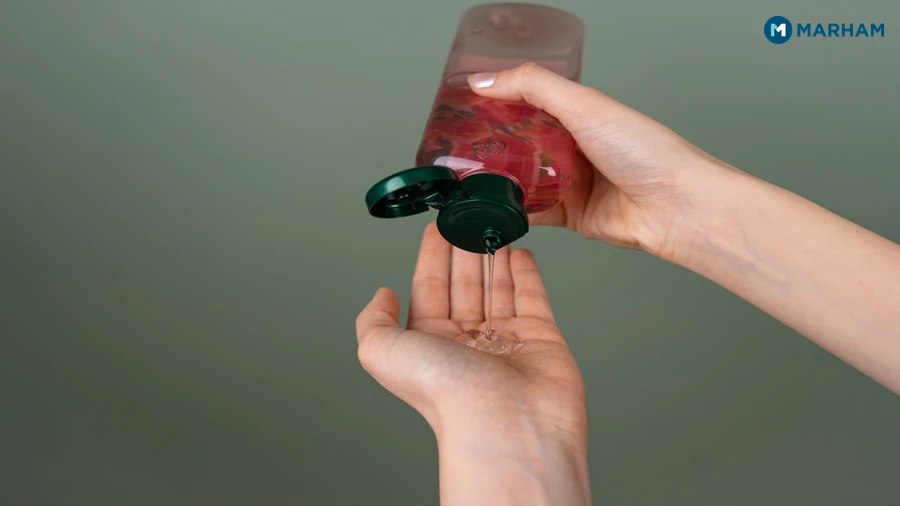
The American Academy of Dermatology recommends washing the face no more than twice daily with a gentle, non-comedogenic (non-pore-blocking) cleanser. Avoid cleansers with fragrance or alcohol.
6. Diet: Refined Carbs and High-Glycemic Foods
Greasy food doesn’t directly cause oily skin — but a diet high in refined carbohydrates does. White bread, maida-based foods (samosas, naan, biscuits), sugary chai, and sweet desserts cause blood sugar to spike quickly. The body releases insulin to bring it down, and elevated insulin stimulates androgen activity, which in turn triggers more sebum production.
A diet with a lower glycemic index — more whole grains, lentils, vegetables, and fruit — is associated with lower sebum levels, according to research in the Journal of the Academy of Nutrition and Dietetics (2014). For Pakistani diets, swapping white rice for brown rice occasionally and reducing the number of sugary drinks is a practical starting point.
7. Skipping Moisturiser (Dehydrated Oily Skin)
Many people with oily skin skip moisturiser entirely, assuming it will make things worse. This is one of the most common skincare misconceptions. When skin is dehydrated, the sebaceous glands compensate by producing more oil. The result is skin that is both dehydrated underneath and oily on the surface.
Using a lightweight, water-based, oil-free moisturiser actually helps regulate sebum over time. Look for labels that say “non-comedogenic” — this means the product won’t block pores.
8. Certain Medications
Some medications can increase oil production as a side effect. Oral contraceptives that contain progesterone-dominant formulas, corticosteroids, and some hormone replacement therapies can all raise androgen activity and stimulate the sebaceous glands. If you noticed your skin becoming significantly oilier after starting a new medication, mention it to your prescribing doctor.
Oily Skin vs. Combination Skin: A Quick Comparison
| Feature | Oily Skin | Combination Skin |
|---|---|---|
| Shine location | Entire face | T-zone only (forehead, nose, chin) |
| Pore size | Enlarged across face | Enlarged mainly on nose |
| Cheeks | Oily or normal | Often dry or normal |
| Breakouts | Frequent, widespread | Mainly in T-zone |
| Feels greasy after washing | Yes, within 1 hour | Partially, in T-zone |
| Best cleanser type | Gel or foam | Gentle foam |
Many Pakistani women mistake combination skin for fully oily skin and use products that are too stripping for the drier areas of their face, which worsens overall oil production.
How to Manage Oily Skin in Pakistan’s Climate
- Wash twice daily with a gentle foaming or gel-based face wash — morning and night. Don’t wash more than that, even if your face feels greasy by afternoon.
- Use a clay mask once a week to absorb excess sebum. Multani mitti (Fuller’s earth), widely available at general stores across Pakistan for around Rs. 50 to 100, works well mixed with rose water. Use it once weekly — not more, as overuse dries out the skin.
- Switch to a lightweight, oil-free moisturiser in summer. Heavy winter creams clog pores in Karachi’s humidity.
- Add niacinamide (vitamin B3) to your routine. This ingredient is available in affordable serums at most pharmacies in Lahore and Karachi and has good evidence for reducing sebum production over 8 to 12 weeks.
- Wear a non-comedogenic sunscreen daily. Skipping sunscreen in Pakistan’s sun dehydrates the skin, which drives more oil production. Look for gel-based or matte-finish formulas.
- Reduce high-glycemic foods gradually. Cutting back on maida, sugary chai, and fried snacks is more effective for oily skin than any topical product.
- Use blotting papers (tissue paper works too) during the day instead of washing your face again. This removes surface oil without triggering the rebound oil surge that comes from over-cleansing.
When to See a Dermatologist for Oily Skin
Oily skin is usually manageable at home, but some situations call for professional input. If your oily skin is accompanied by persistent acne that doesn’t respond to over-the-counter products, sudden worsening of oiliness, or signs that suggest a hormonal condition (irregular periods, facial hair growth in women, or skin changes after starting a new medication), a specialist can identify the root cause and recommend targeted treatment.
Dermatologists in Pakistan can prescribe topical retinoids, salicylic acid formulations, or oral medications that reduce sebum production at the gland level — options that no skincare routine alone can replicate. Consulting a dermatologist in Pakistan is particularly worth it if the oiliness is affecting your confidence or leading to scarring acne.
You may also want to read about fungal infections on skin in summer — a related problem that oily, sweaty skin in Pakistani summers makes more likely.
Get Expert Skin Advice on Marham
Finding a good dermatologist in Pakistan can take time, especially outside major cities. Many people spend months trying different products without knowing whether their oily skin is driven by hormones, diet, climate, or something else entirely. A short consultation with the right specialist can save a lot of trial and error.
Marham connects you with verified dermatologists in Pakistan who consult online from anywhere in the country. A typical online skin consultation takes 15 to 20 minutes and gives you a clear picture of what’s causing your oiliness — and what will actually help, based on your skin type, diet, and local climate.
Frequently Asked Questions
What causes oily skin on the face?
Oily skin on the face is caused by overactive sebaceous glands that produce too much sebum. The most common triggers include genetics, hormonal changes (especially androgens), hot and humid weather, stress, and a diet high in refined carbohydrates.
Does oily skin cause acne?
Oily skin doesn’t directly cause acne, but it creates the conditions for it. Excess sebum mixes with dead skin cells and clogs pores, which allows acne-causing bacteria to multiply. Managing oiliness reduces — but doesn’t always eliminate — breakouts.
Is oily skin genetic?
Yes, genetics play a significant role. The size and activity level of your sebaceous glands are largely inherited. If one or both parents have oily skin, you’re more likely to have it too. Genetics can’t be changed, but the oiliness can be managed with the right routine.
Can diet cause oily skin?
Diet can contribute to oily skin, particularly foods with a high glycemic index like white bread, sugary drinks, and maida-based snacks. These foods raise insulin levels, which stimulates androgen activity and increases sebum production. Reducing these foods may help over time.
Is oily skin a sign of a health condition?
Sometimes. In Pakistani women, persistent oily skin with acne and irregular periods can be a sign of PCOS (polycystic ovary syndrome), which causes elevated androgen levels. Sudden or severe oiliness after starting a new medication is also worth discussing with a doctor.
How do I stop my skin from being oily?
You can’t eliminate sebum production entirely, nor should you — sebum protects the skin. The goal is to reduce excess. Wash twice daily with a gentle cleanser, use a lightweight non-comedogenic moisturiser, add niacinamide to your routine, and reduce high-glycemic foods. For persistent cases, a dermatologist can prescribe more targeted treatments.
When should I see a doctor for oily skin?
See a dermatologist if your oily skin comes with persistent acne that leaves scars, if it worsened suddenly without a clear cause, or if you suspect a hormonal condition like PCOS. A doctor can identify the root cause and offer prescription-strength options that over-the-counter products can’t match.
Conclusion
Oily skin in Pakistan is rarely caused by one thing alone. Genetics set the baseline, hormones shift the dial, and the country’s heat and humidity keep pushing it higher. The good news is that once you identify which factors are driving your oiliness, the management becomes much more targeted. A gentle routine, a few dietary tweaks, and the right ingredients go a long way — and for cases that don’t respond, a dermatologist can step in with options that actually work at the root level.