

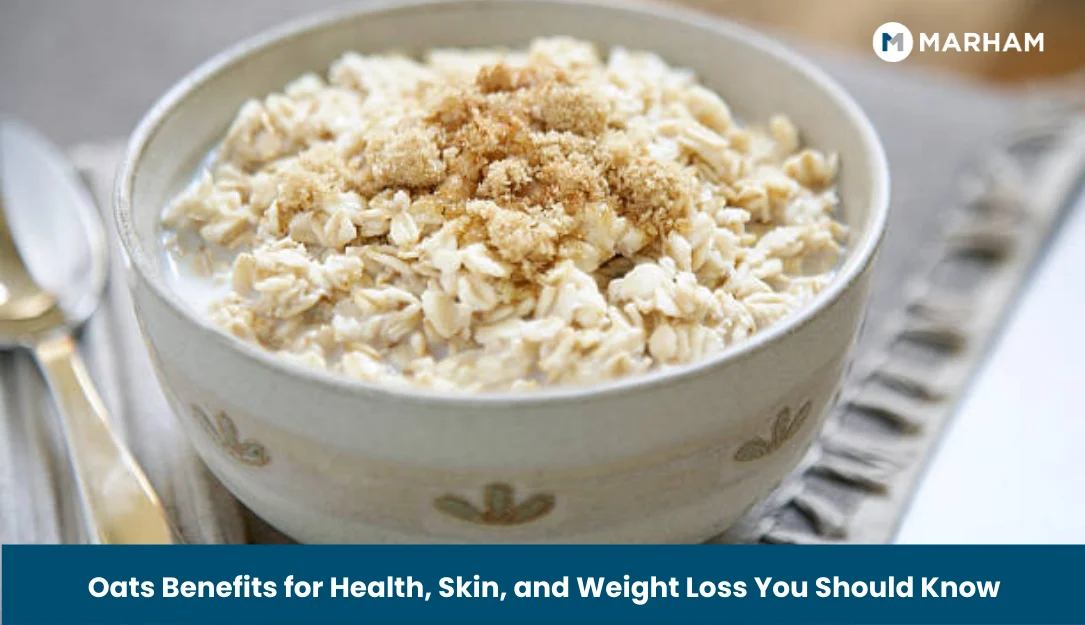
Oats (جو / دلیہ) are one of the most nutrient-dense whole grains available in Pakistan, with proven benefits for heart health, blood sugar control, weight management, and skin. Their key active compound, a soluble fiber called beta-glucan, is backed by decades of clinical research. This guide covers everything Pakistani patients need to know about oats benefits and how to use them daily.
Oats Nutrition Facts
Understanding what makes oats so nutritious helps you appreciate why experts recommend them so strongly. Here is the nutritional breakdown for half a cup (40g) of dry rolled oats:
| Nutrient | Amount | Daily Value |
| Calories | 150 | – |
| Protein | 5g | 10% |
| Carbohydrates | 27g | 10% |
| Fiber | 4g | 14% |
| Fat | 2.5g | 3% |
| Manganese | 1.5mg | 63% |
| Phosphorus | 180mg | 14% |
| Magnesium | 56mg | 13% |
| Iron | 1.7mg | 10% |
| Zinc | 1.5mg | 14% |
| Beta-Glucan | 2g | – |
Oats also contain unique antioxidants called avenanthramides, which are not found in any other cereal grain. These compounds provide anti-inflammatory benefits that contribute to heart health and overall wellbeing.
Get a personalised nutrition plan from a verified expert
A qualified nutritionist can help you use oats and other whole foods to manage your weight, blood sugar, or heart health. Marham connects you with 16,000+ PMC-verified doctors across 155 cities for online and in-clinic visits.
Get a personalised nutrition plan from a verified expert
A qualified nutritionist can help you use oats and other whole foods to manage your weight, blood sugar, or heart health, from the comfort of your home. Marham connects you with 16,000+ PMC-verified doctors across 155 cities for online and in-clinic visits.
7 Powerful Oats Benefits
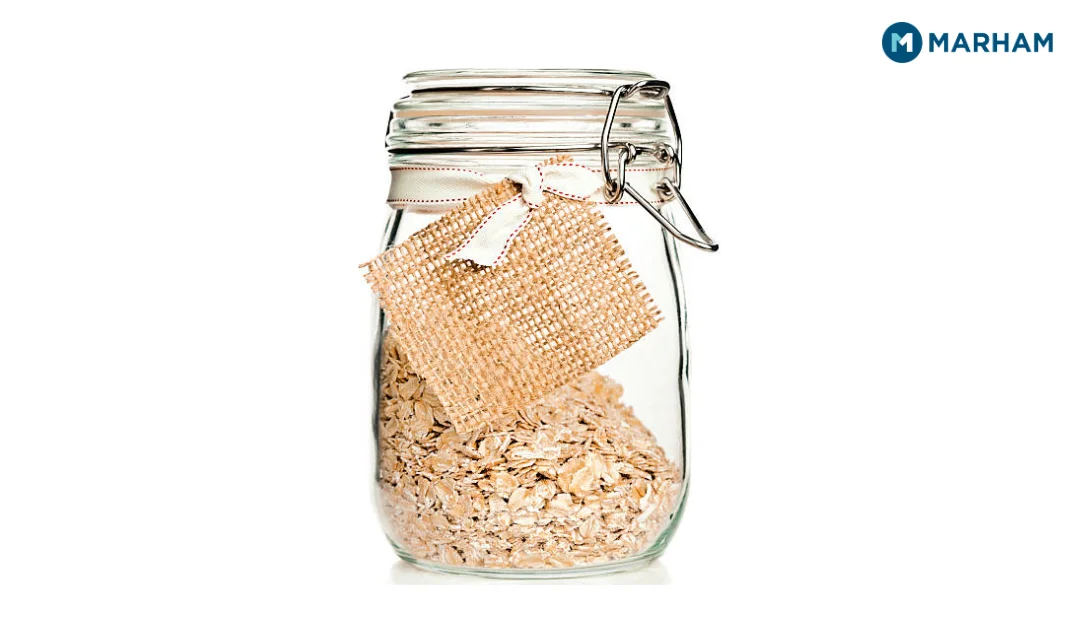
1. Supports Heart Health and Lowers Cholesterol
The most well-researched benefit of oats is their ability to lower cholesterol levels. The beta-glucan fiber in oats binds with cholesterol-rich bile acids in your gut and carries them out of the body. Research shows that eating around 3 grams of beta-glucan daily from oats can reduce LDL (bad) cholesterol by about 12 points. For Pakistanis, where heart disease is one of the leading causes of death, adding a simple bowl of oats to your morning routine can be a meaningful step toward better cardiovascular health.
2. Helps Manage Blood Sugar Levels
Pakistan has one of the highest diabetes rates in the world, and oats can play a helpful role in managing blood sugar. The beta-glucan in oats forms a thick gel during digestion that slows down the absorption of glucose into your blood. This prevents the sharp spikes and crashes in blood sugar that happen after eating refined carbohydrates like white bread or paratha. Studies on people with type 2 diabetes have shown that regular oat consumption can significantly reduce fasting blood sugar and improve insulin sensitivity over time.
3. Promotes Healthy Weight Management
Oats are one of the most filling foods you can eat. Research ranking 38 common foods for satiety found that oatmeal ranked number one among all breakfast foods for keeping people full. The combination of fiber and protein in oats slows digestion, keeps you satisfied for hours, and reduces the urge to snack between meals. For anyone trying to manage their weight, replacing a heavy Pakistani breakfast of parathas and fried eggs with a bowl of oats can make a real difference in daily calorie intake without leaving you hungry.
4. Improves Digestive Health
The fiber in oats does wonders for your digestive system. Beta-glucan acts as a prebiotic, feeding the beneficial bacteria in your gut and supporting a healthy microbiome. Regular oat consumption can help prevent constipation by promoting regular bowel movements. Studies have also shown that oat bran can reduce gastrointestinal symptoms like bloating, gas, and abdominal pain. For elderly individuals, adding just a small amount of oat bran daily has been shown to reduce dependence on laxatives significantly.
5. Boosts Immune System
Oats strengthen your body’s natural defenses in several ways. Beta-glucan has been shown to enhance the immune system’s ability to fight off bacteria, viruses, and fungi. The unique avenanthramide antioxidants in oats reduce chronic inflammation, which weakens immunity over time. Combined with the zinc, iron, and B vitamins found naturally in oats, this grain provides your immune system with the essential nutrients it needs to function at its best, especially during seasonal changes common in Pakistan’s climate.
6. Benefits Skin Health
Oats benefits for skin are backed by serious science. Colloidal oatmeal, which is simply finely ground oats, has been approved by the FDA as a safe skin protectant. The anti-inflammatory compounds in oats, particularly avenanthramides, help soothe dry, itchy, and irritated skin. Oats also contain natural saponins that gently cleanse the skin and beta-glucans that lock in moisture. You can use ground oats as a face mask to treat acne, reduce redness, and improve overall skin texture. Many dermatologists recommend oatmeal-based products for conditions like eczema and psoriasis.
7. Supports Bone Strength
Oats are an excellent source of manganese, providing over 60% of your daily requirement in just half a cup. Manganese is essential for bone formation and maintaining bone density. Oats also contain phosphorus, magnesium, and zinc, all of which play important roles in keeping your bones strong. For Pakistani women who are at higher risk of osteoporosis, making oats a regular part of the diet can contribute to better long-term bone health.
Oats Benefits in Urdu | جو کے فوائد
جو (اوٹس) ایک انتہائی مفید غذا ہے جو پوری دنیا میں صحت مند ناشتے کے طور پر مشہور ہے۔ جو میں موجود بیٹا گلوکین فائبر خون میں کولیسٹرول کی سطح کو کم کرتا ہے اور دل کی بیماریوں سے بچاتا ہے۔ یہ خون میں شکر کی سطح کو کنٹرول کرتا ہے جو ذیابیطس کے مریضوں کے لیے بہت فائدہ مند ہے۔ جو کھانے سے پیٹ دیر تک بھرا رہتا ہے جو وزن کم کرنے میں مددگار ہے۔
جو ہاضمے کو بہتر بناتا ہے اور قبض سے نجات دیتا ہے۔ اس میں موجود اینٹی آکسیڈنٹس قوت مدافعت کو مضبوط کرتے ہیں۔ جلد کی خشکی اور خارش میں جو کا استعمال بہت مفید ہے۔ ہڈیوں کی مضبوطی کے لیے جو میں مینگنیز اور فاسفورس کی بھرپور مقدار پائی جاتی ہے۔ روزانہ آدھا کپ جو کا استعمال صحت کے لیے بہترین ہے۔
White Oats Benefits | سفید جو کے فوائد
White oats are simply rolled or instant oats that have been processed slightly more than steel-cut varieties. They offer the same core health benefits as other oat types, including cholesterol reduction, blood sugar management, and improved digestion. The main difference is in texture and cooking time. White oats cook faster and have a softer texture, making them ideal for busy mornings. They are also the most commonly available variety in Pakistani grocery stores and brands like Quaker.
While steel-cut oats retain slightly more fiber due to minimal processing, white oats still contain significant amounts of beta-glucan and essential nutrients. For most people, white oats are a perfectly healthy choice that is both convenient and affordable.
Oat Milk Benefits | جو کے دودھ کے فوائد
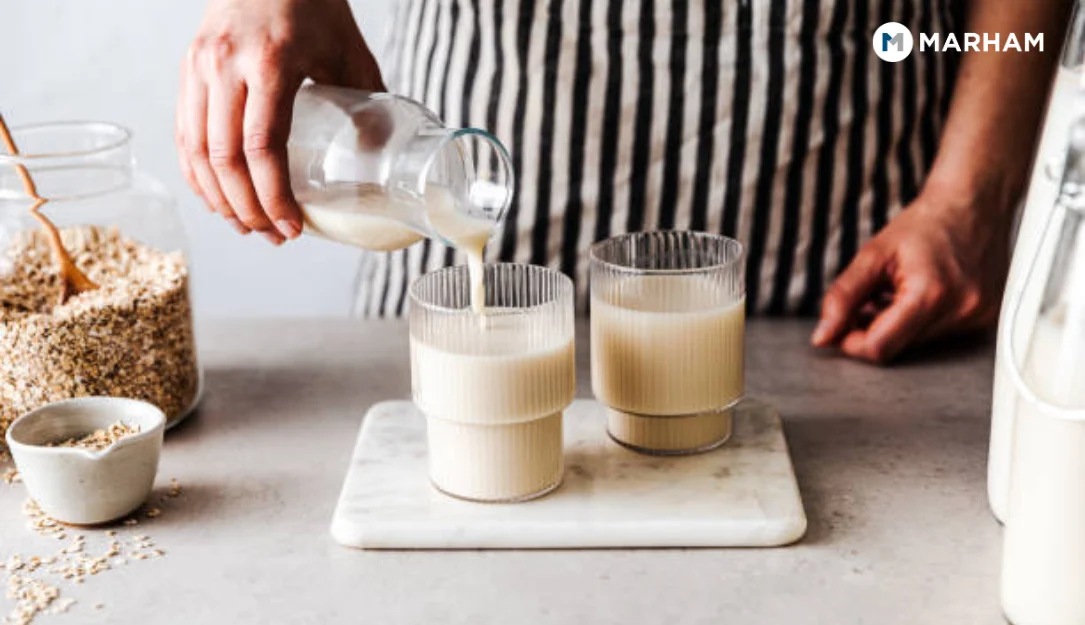
Oat milk has become one of the most popular plant-based milk alternatives worldwide, and it is now becoming available in Pakistan as well. It is made by blending oats with water and straining the mixture to create a creamy, dairy-free drink.
Oat milk is naturally free from lactose, soy, and nuts, making it suitable for people with multiple food sensitivities. It contains beta-glucan fiber that supports healthy cholesterol levels. Store-bought versions are usually fortified with calcium, vitamin D, and B vitamins, making them a reasonable alternative to regular milk. Oat milk works beautifully in coffee, smoothies, and cereal.
However, oat milk is lower in protein than cow’s milk or soy milk, and some commercial brands contain added sugar. Always choose unsweetened varieties and check the label for added ingredients.
Oats Benefits for Skin | جلد کے لیے جو کے فوائد
Beyond eating oats, you can also apply them directly to your skin for impressive results. Here are simple ways to use oats for skin care at home:
Oatmeal Face Mask: Mix two tablespoons of ground oats with warm water to form a paste. Apply to your face and leave for 15-20 minutes before rinsing. This helps soothe irritation, reduce acne, and hydrate dry skin.
Oatmeal Bath: Add a cup of finely ground oats to your bath water. This is especially helpful for people with eczema, dry skin, or general itchiness during Pakistan’s dry winter months.
Gentle Exfoliator: Mix ground oats with a little honey and use it as a gentle scrub. Unlike harsh chemical exfoliators, oats remove dead skin cells without causing irritation or redness.
Types of Oats: Which One Should You Choose?
| Type | Cooking Time | Best For |
| Steel-Cut Oats | 20-30 minutes | Highest fiber, chewier texture |
| Rolled Oats | 5-10 minutes | Everyday porridge, baking |
| Quick/Instant Oats | 1-3 minutes | Busy mornings, smoothies |
All three types provide similar health benefits. The key difference is processing level and cooking time. Steel-cut oats are the least processed and have a lower glycemic index, while instant oats cook fastest but may contain added sugar in flavored packets. For the best balance of nutrition and convenience, plain rolled oats are the most popular choice.
How to Eat Oats Daily
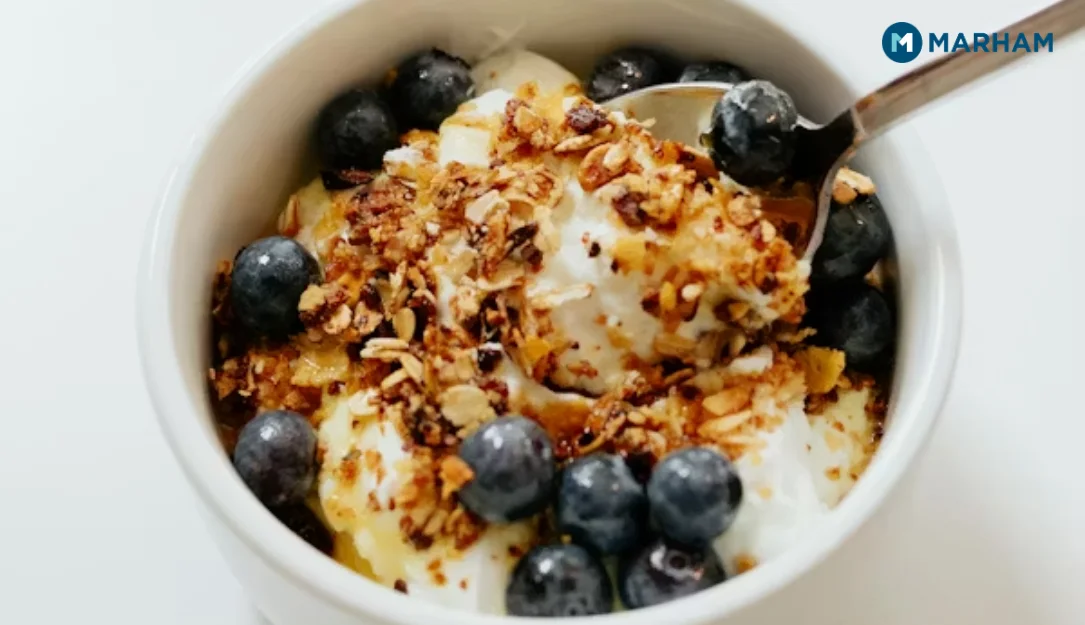
Oats are incredibly versatile. Here are easy ways to include them in your Pakistani diet:
Breakfast Porridge: Cook half a cup of oats with milk or water. Top with banana, nuts, or honey for a filling breakfast. Overnight Oats: Soak oats in yogurt or milk overnight in the fridge for a cold, ready-to-eat breakfast. In Smoothies: Blend raw oats into your morning smoothie for extra fiber and thickness. Savory Oats: Cook oats with salt, vegetables, and spices for a desi-style savory daliya. In Baking: Use ground oats in place of some flour in roti, cookies, or muffins.
For best results, aim for half a cup of oats daily. Start with smaller portions if you are not used to high-fiber foods and increase gradually to avoid any digestive discomfort.
Oats Side Effects and Precautions
Oats are safe for most people, but keep a few things in mind. If you have celiac disease or gluten sensitivity, choose certified gluten-free oats since regular oats are often processed alongside wheat. Eating too many oats at once can cause bloating or gas, especially if your body is not used to high fiber intake. People with chronic kidney disease should consult their doctor before eating oats regularly due to their phosphorus and potassium content. Always increase your water intake when adding more fiber to your diet.
Consult a Nutritionist
Want personalized advice on how to include oats in your diet for maximum health benefits? A qualified nutritionist can create a customized plan based on your specific health goals, whether it is managing diabetes, losing weight, or improving heart health.
Book an appointment with a nutritionist through Marham to get expert guidance on using oats and other healthy foods in your daily routine.
Call now: 0311 1222398
Oats for Diabetes Management in Pakistan
Pakistan has the highest age-standardised diabetes prevalence in the world, according to the IDF Diabetes Atlas 2024. For people managing type 2 diabetes, oats are one of the most practical dietary additions available.
The beta-glucan fiber in oats forms a gel during digestion that slows glucose absorption, preventing sharp blood sugar spikes after meals. This is especially relevant when replacing high-glycaemic Pakistani breakfast staples like white bread or paratha.
- Choose plain rolled or steel-cut oats over flavored instant packets, which often contain added sugar.
- Pair oats with protein such as eggs or yogurt to further blunt the glycaemic response.
- Start with half a cup of cooked oats and monitor your blood sugar response, as individual reactions vary.
- Avoid oat-based granola bars sold in Pakistani supermarkets, as many contain high amounts of added sugar and refined oils.
If you have diabetes and want a personalised meal plan that includes oats, a qualified nutritionist can help you build a diet that keeps your blood sugar stable without sacrificing taste.
Oats and Heart Health: What the Evidence Says
The cholesterol-lowering effect of oats is one of the most well-established benefits in nutrition science. Multiple meta-analyses of randomised controlled trials confirm that consuming at least 3 grams of oat beta-glucan daily reduces LDL (bad) cholesterol by around 5 to 10 percent, according to research published in PubMed.
Half a cup of dry rolled oats provides roughly 2 grams of beta-glucan, so a daily bowl of oats gets you close to the clinically effective dose. For people in Pakistan managing high cholesterol or hypertension, this is a low-cost, accessible dietary step.
- Cook oats in water or low-fat milk to keep saturated fat low.
- Add a small handful of walnuts or flaxseeds for additional heart-healthy omega-3 fats.
- Avoid adding ghee or full-fat cream, which are common in desi oat preparations and can offset the cholesterol benefit.
- Consistency matters: the cholesterol-lowering effect builds over several weeks of daily consumption.
Oats also contain avenanthramides, antioxidants unique to oats that have anti-inflammatory properties supporting overall cardiovascular health.
Oats for Hair Health | بالوں کے لیے جو کے فوائد
Oats support hair health both from the inside and outside. Eaten regularly, oats provide zinc, iron, and B vitamins that are essential for a healthy scalp and strong hair follicles. Iron deficiency, which is common in Pakistani women, is one of the leading causes of hair fall, and oats contribute a meaningful amount of dietary iron per serving.
Applied topically, oats can soothe an itchy or flaky scalp. The anti-inflammatory avenanthramides and natural saponins in oats calm scalp irritation without stripping natural oils.
- Oat hair mask: Mix two tablespoons of ground oats with coconut oil and a few drops of lemon juice. Apply to the scalp, leave for 20 minutes, then rinse thoroughly.
- Scalp scrub: Combine ground oats with yogurt and use as a gentle scalp exfoliator to remove product buildup and dead skin cells.
- Daily diet: A bowl of oats at breakfast provides zinc and iron that support hair growth over time.
If you are experiencing significant hair fall or scalp conditions, a dermatologist can identify the underlying cause and recommend a targeted treatment plan alongside dietary changes.
How to Add Oats to a Pakistani Diet: Practical Tips
Oats are versatile enough to fit into everyday Pakistani eating habits without requiring a complete diet overhaul. Here are practical ways to include them:
- Morning porridge (daliya): Cook half a cup of rolled oats in milk or water. Top with banana slices, a drizzle of honey, or a handful of almonds for a filling sehri or breakfast.
- Overnight oats: Soak oats in yogurt or milk overnight in the fridge. Add chia seeds or fresh fruit in the morning. Ready in seconds, ideal for busy routines in Karachi, Lahore, or Islamabad.
- Savory masala oats: Cook oats with cumin, onion, tomato, and green chilli for a desi-style savory daliya. A satisfying alternative to a heavy paratha breakfast.
- Smoothie booster: Blend a tablespoon of raw oats into a fruit smoothie for extra fiber and thickness without changing the flavor much.
- Baking substitute: Replace up to one-third of the flour in roti, cookies, or muffins with ground oats to increase fiber content.
Start with half a cup of cooked oats daily. If you are new to high-fiber foods, increase the amount gradually over two to three weeks and drink plenty of water to avoid bloating.
Speak to a nutritionist online from Rs 500
Get expert dietary advice tailored to your health goals, including diabetes, weight management, or heart health, starting from just Rs 500 for an online video consultation on Marham.
Frequently Asked Questions
Are oats good for weight loss in Pakistan?
Yes, oats are one of the most effective foods for weight management because their beta-glucan fiber slows digestion and keeps you full for several hours. Replacing a heavy Pakistani breakfast of parathas with a bowl of plain oats can meaningfully reduce daily calorie intake without leaving you hungry. For best results, choose plain rolled or steel-cut oats without added sugar or flavoring.
Can people with diabetes eat oats every day?
Yes, plain oats are generally safe and beneficial for people with type 2 diabetes when eaten in moderate portions. The beta-glucan fiber slows glucose absorption and helps prevent blood sugar spikes after meals. Choose plain rolled or steel-cut oats rather than flavored instant varieties, which often contain added sugar. If you are on diabetes medication, speak with your doctor or nutritionist before making significant dietary changes.
What is the difference between white oats and steel-cut oats?
White oats (rolled or instant oats) are processed more than steel-cut oats, which gives them a softer texture and shorter cooking time of one to five minutes. Steel-cut oats are minimally processed, have a chewier texture, take 20 to 30 minutes to cook, and have a slightly lower glycaemic index. Both types provide similar amounts of beta-glucan and core health benefits. White oats are the most widely available variety in Pakistani grocery stores and supermarkets.
How can I use oats for skin care at home?
You can apply finely ground oats directly to your skin as a face mask or bath soak to soothe dryness, itching, and irritation. Mix two tablespoons of ground oats with warm water to form a paste, apply to your face for 15 minutes, then rinse. For eczema or dry skin during Pakistan’s winter months, adding a cup of ground oats to bath water provides relief. Colloidal oatmeal is FDA-approved as a safe skin protectant.
How much oats should I eat per day?
Half a cup of dry rolled oats (about 40 grams) per day is the amount most commonly used in clinical research and recommended by nutritionists. This serving provides roughly 2 grams of beta-glucan, approaching the 3-gram daily dose associated with cholesterol-lowering benefits in studies. If you are new to oats, start with a smaller portion and increase gradually to allow your digestive system to adjust to the higher fiber intake.
Medically reviewed by Marham Medical Team. Updated July 2026.
Are Oats Good for Weight Loss in Pakistan?
Yes. Oats are one of the most filling breakfast options you can eat, which makes them practical for anyone managing their weight on a Pakistani diet. The combination of beta-glucan fiber and protein slows digestion and keeps hunger at bay for several hours after eating.
Replacing a typical Pakistani breakfast of two parathas with a bowl of plain rolled oats can reduce morning calorie intake significantly without leaving you hungry before lunch. The key is keeping the bowl simple: avoid flavored instant oat packets sold in Pakistani supermarkets, as many contain added sugar that offsets the benefit.
- Choose plain rolled or steel-cut oats over flavored sachets, which often contain 10 to 15 grams of added sugar per serving.
- Add protein to your bowl such as a boiled egg or a spoonful of peanut butter to extend satiety further.
- Eat oats at sehri during Ramadan for slow-release energy that reduces hunger through the fast.
- Avoid adding ghee or full-fat cream, which are common in desi oat preparations and add unnecessary calories.
If you have a specific weight target or a condition like PCOS or thyroid disorder that affects weight, a qualified nutritionist can build a personalised plan around oats and other whole foods.
Oats for Blood Sugar Control: What Pakistani Diabetics Should Know
According to the IDF Diabetes Atlas 2024, Pakistan has the highest age-standardised diabetes prevalence in the world. For people managing type 2 diabetes, oats are one of the most practical dietary additions available at any grocery store across Karachi, Lahore, or Islamabad.
The beta-glucan fiber in oats forms a gel during digestion that slows glucose absorption, preventing the sharp blood sugar spikes that follow high-glycaemic Pakistani breakfast staples like white bread or paratha. Multiple meta-analyses of randomised controlled trials published on PubMed confirm that regular oat consumption improves fasting blood sugar and insulin sensitivity in people with type 2 diabetes.
- Choose plain rolled or steel-cut oats over flavored instant packets, which often contain added sugar.
- Pair oats with protein such as eggs or plain yogurt to further reduce the glycaemic response.
- Start with half a cup of cooked oats and monitor your blood sugar response, as individual reactions vary.
- Avoid oat-based granola bars sold in Pakistani supermarkets, as many contain high amounts of added sugar and refined oils.
If you have diabetes and want a personalised meal plan that includes oats, a qualified nutritionist can help you build a diet that keeps your blood sugar stable without sacrificing taste.
Oats and Cholesterol: The Evidence for Pakistani Heart Patients
The cholesterol-lowering effect of oats is one of the most well-established findings in nutrition science. Multiple meta-analyses of randomised controlled trials confirm that consuming at least 3 grams of oat beta-glucan daily significantly reduces LDL (bad) cholesterol and non-HDL cholesterol, according to research published in peer-reviewed journals including the British Journal of Nutrition and the American Journal of Clinical Nutrition.
Half a cup of dry rolled oats provides roughly 2 grams of beta-glucan, so a daily bowl gets you close to the clinically effective dose. For people in Pakistan managing high cholesterol or hypertension, this is a low-cost, accessible dietary step available at any kiryana store.
- Cook oats in water or low-fat milk to keep saturated fat low.
- Add a small handful of walnuts or flaxseeds for additional heart-healthy omega-3 fats.
- Avoid adding ghee or full-fat cream, which are common in desi oat preparations and can offset the cholesterol benefit.
- Be consistent: the cholesterol-lowering effect builds over several weeks of daily consumption.
Oats also contain avenanthramides, antioxidants unique to oats that have anti-inflammatory properties supporting overall cardiovascular health. If you have been diagnosed with high cholesterol or hypertension, a nutritionist can help you build a heart-friendly diet plan.
Common Questions About Oats in Pakistan: Price, Availability, and Brands
Oats are now widely available across Pakistan in major supermarkets, kiryana stores, and online grocery platforms. You do not need to visit a specialty health food shop to find them.
The most commonly available brands in Pakistan include Quaker (rolled and instant oats), Nosh (local brand), and various imported options available on Daraz and other e-commerce platforms. Prices vary by type and brand, but plain rolled oats are generally one of the most affordable whole-grain breakfast options per serving.
- Rolled oats are the most widely stocked variety and the best everyday choice for porridge or overnight oats.
- Instant oats are available in flavored sachets at most supermarkets in Karachi, Lahore, and Islamabad, but check the label for added sugar before buying.
- Steel-cut oats are less common in Pakistan but available at health food stores and online.
- Oat flour can be made at home by blending rolled oats in a grinder, making it an affordable substitute for some of the flour in roti or baked goods.
When buying oats, always check the ingredient list. Plain oats should list only one ingredient: oats. Any additional ingredients, especially sugar or artificial flavoring, reduce the health benefit of the product.
Speak to a nutritionist online from Rs 500
Get expert dietary advice tailored to your health goals, including diabetes, weight management, or heart health. Online video consultations with PMC-verified nutritionists start from just Rs 500 on Marham.
Frequently Asked Questions
Are oats good for weight loss in Pakistan?
Yes, oats are one of the most effective foods for weight management because their beta-glucan fiber slows digestion and keeps you full for several hours. Replacing a heavy Pakistani breakfast of parathas with a bowl of plain oats can meaningfully reduce daily calorie intake without leaving you hungry. Choose plain rolled or steel-cut oats without added sugar or flavoring for the best results.
Can people with diabetes eat oats every day?
Yes, plain oats are generally safe and beneficial for people with type 2 diabetes when eaten in moderate portions. The beta-glucan fiber slows glucose absorption and helps prevent blood sugar spikes after meals. Choose plain rolled or steel-cut oats rather than flavored instant varieties, which often contain added sugar. If you are on diabetes medication, speak with your doctor or nutritionist before making significant dietary changes.
What is the difference between white oats and steel-cut oats?
White oats (rolled or instant oats) are processed more than steel-cut oats, giving them a softer texture and a cooking time of one to five minutes. Steel-cut oats are minimally processed, have a chewier texture, take 20 to 30 minutes to cook, and have a slightly lower glycaemic index. Both types provide similar amounts of beta-glucan and core health benefits. White oats are the most widely available variety in Pakistani grocery stores and supermarkets.
How can I use oats for skin care at home?
You can apply finely ground oats directly to your skin as a face mask or bath soak to soothe dryness, itching, and irritation. Mix two tablespoons of ground oats with warm water to form a paste, apply to your face for 15 minutes, then rinse. For eczema or dry skin during Pakistan’s winter months, adding a cup of ground oats to bath water provides relief. Colloidal oatmeal is FDA-approved as a safe skin protectant.
How much oats should I eat per day?
Half a cup of dry rolled oats (about 40 grams) per day is the amount most commonly used in clinical research and recommended by nutritionists. This serving provides roughly 2 grams of beta-glucan, approaching the 3-gram daily dose associated with cholesterol-lowering benefits in published meta-analyses. If you are new to oats, start with a smaller portion and increase gradually to allow your digestive system to adjust to the higher fiber intake.
Medically reviewed by Marham Medical Team. Updated July 2026.