

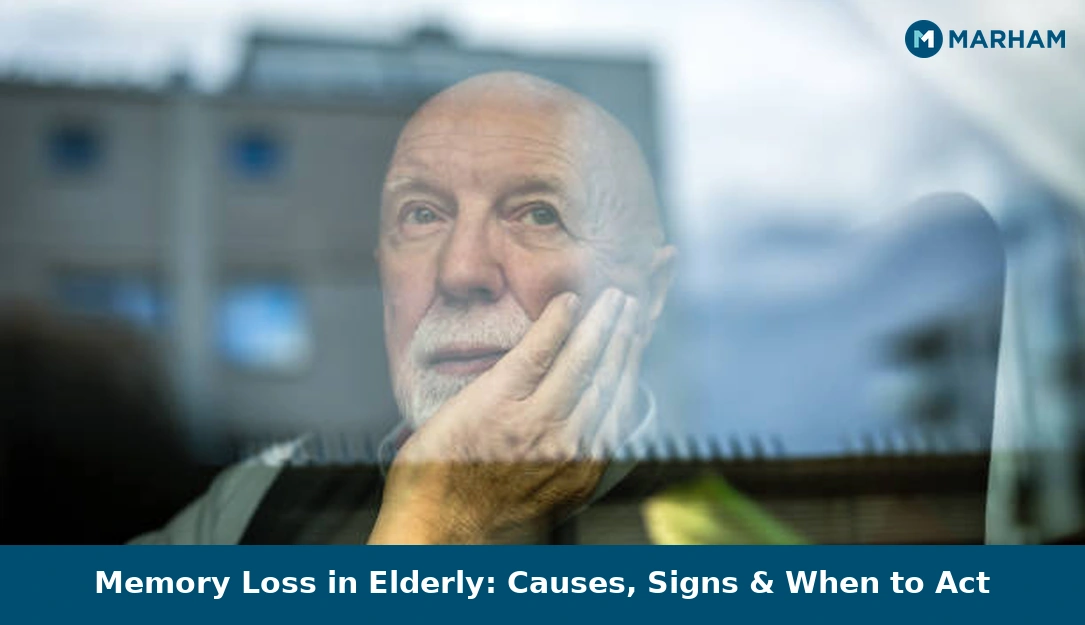
Many Pakistani families notice it gradually. An older parent starts repeating the same question at the dinner table, forgets a grandchild’s name, or gets confused about whether they have taken their morning dawa. It feels uncomfortable to name it, and in many households it gets quietly dismissed as just getting old.
But not all forgetfulness in old age is the same. Some of it is a normal slowing of recall that comes with aging. Some of it is a sign of something treatable, like a vitamin deficiency or an underactive thyroid. And some of it is early dementia, a condition where early action genuinely matters. Knowing the difference can change outcomes for your family member.
According to neurologists at Jinnah Sindh Medical University, Karachi, an estimated 8 to 10 percent of Pakistanis aged above 65 years suffer from chronic memory loss. A published review in the Journal of the Pakistan Medical Association (2024) noted that Pakistan’s rising elderly population makes this a growing concern that the healthcare system is only beginning to address.
یادداشت کی کمی: بزرگوں میں اہم معلومات
یادداشت کی کمی بڑھاپے میں ایک عام شکایت ہے، لیکن ہر قسم کی بھولنا عام عمر رسیدگی کا حصہ نہیں ہوتی۔ پاکستان میں 65 سال سے زیادہ عمر کے تقریباً 8 سے 10 فیصد بزرگ دائمی یادداشت کی کمی کا شکار ہیں۔ ڈیمنشیا اور الزائمر جیسی بیماریاں دماغ کے خلیوں کو نقصان پہنچاتی ہیں اور وقت کے ساتھ یادداشت، سوچنے کی صلاحیت اور روزمرہ کے کام متاثر ہوتے ہیں۔ وٹامن بی 12 کی کمی، تھائرائیڈ کا مسئلہ اور ڈپریشن بھی بھولنے کی وجہ بن سکتے ہیں، اور یہ قابلِ علاج ہیں۔ اگر آپ کے گھر کے بزرگ میں یادداشت کی کمی کی علامات نظر آئیں تو کسی نیورولوجسٹ سے جلد رجوع کریں۔
Normal Forgetfulness vs. Memory Loss: What Is the Real Difference?
Mild forgetfulness is a normal part of aging. Older adults may occasionally misplace their glasses, forget a name they knew well, or take a moment longer to recall something. According to the US National Institute on Aging, these lapses are not considered warning signs of dementia as long as they do not interfere with daily life.
The key distinction is function. Normal aging slows recall slightly but does not stop it entirely. A person with ordinary age-related forgetfulness will usually remember the thing they forgot given enough time, without hints. Memory loss that is part of dementia is different: it is progressive, it disrupts daily routines, and the person often cannot recall the information even later.
| Feature | Normal Aging | Dementia or MCI |
|---|---|---|
| Forgetting a name briefly | Common, recalled later | Forgets close family names entirely |
| Misplacing items occasionally | Yes, retraces steps to find them | Puts items in unusual places, can’t recall |
| Repeating a question | Rare | Asks the same question multiple times |
| Getting lost | In unfamiliar places only | Gets lost in familiar neighbourhood |
| Completing daily tasks | Independent | Struggles with cooking, bills, medicines |
| Mood changes | Mild, situational | Persistent withdrawal, irritability, suspicion |
Mild cognitive impairment (MCI) sits between normal aging and dementia. A person with MCI has more memory or thinking problems than expected for their age but can still manage daily life. MCI may progress to Alzheimer’s disease in some people, but not all, according to the National Institute on Aging.
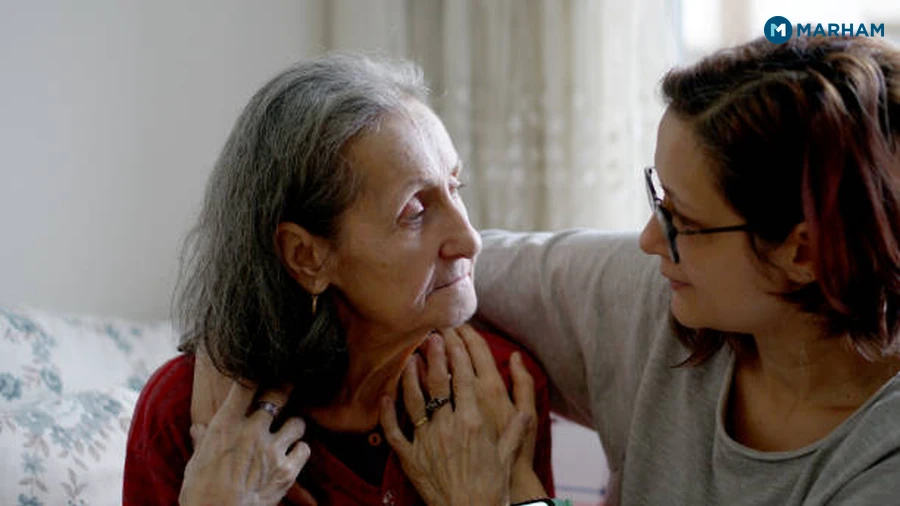
Early Warning Signs of Memory Loss in Elderly Pakistanis
Families often notice these signs before the person themselves does. Watch for:
- Asking the same question several times in a single conversation
- Forgetting recently learned information, like a doctor’s advice or a medicine schedule
- Getting confused about dates, seasons, or the time of day
- Difficulty following a conversation or finding the right word (using “woh cheez” or “tum jaante ho” as substitutes)
- Getting disoriented in a familiar street or neighbourhood
- Struggling to manage daily tasks: paying a utility bill, preparing a simple meal, or taking medicines on time
- Noticeable personality changes: increased suspicion, irritability, or withdrawal from family gatherings
- Losing interest in activities the person previously enjoyed, such as reading the newspaper or praying in congregation
One pattern Pakistani families often miss is the gradual withdrawal from social events. When an elderly relative stops attending family gatherings or avoids conversation, it is sometimes assumed to be mood or old age. It can be an early sign of cognitive decline.
Common Causes of Memory Loss in Old Age
Memory loss in elderly people has several possible causes, and not all of them are dementia. Some are fully reversible with treatment.
Alzheimer’s Disease and Dementia
Alzheimer’s disease is the most common cause of dementia, accounting for 50 to 75 percent of all dementia cases, according to a published review in PMC (NCBI, 2020). It is a neurodegenerative disorder, meaning brain cells progressively deteriorate over time. There is currently no cure for Alzheimer’s disease, though certain medications may help manage symptoms. Pakistan is estimated to have around one million people living with dementia, per the same review.
Vitamin B12 Deficiency
This is one of the most underdiagnosed reversible causes of memory loss in Pakistan. Older adults absorb B12 less efficiently from food, and many Pakistani elderly eat limited animal protein or dairy after retirement age. B12 deficiency can impair nerve function and cause memory problems, confusion, and fatigue. When caught early, B12 supplementation can reverse the associated cognitive symptoms. A simple blood test confirms deficiency.

Hypothyroidism (Underactive Thyroid)
An underactive thyroid gland slows the body’s metabolism and can cause forgetfulness, difficulty concentrating, and sluggishness that closely mimics early dementia. This is a treatable condition. Thyroid function is checked with a routine TSH blood test, which costs roughly Rs. 600 to 1,200 at most diagnostic labs in Lahore, Karachi, and Islamabad.
Depression
Depression in elderly Pakistanis is widely underrecognised. It can cause difficulty concentrating, poor recall, and social withdrawal that looks very similar to dementia. According to the National Institute on Aging, depression is a common and treatable cause of memory problems in older adults. In Pakistan, the social expectation that elderly people should be content and grateful often means depression goes unnamed and untreated for years.
Vascular Causes and Uncontrolled Chronic Disease
High blood pressure (hypertension) and uncontrolled diabetes, both extremely prevalent in Pakistan, can damage the small blood vessels that supply the brain. This is called vascular dementia, the second most common form of dementia. A stroke can also cause sudden, significant memory loss. Managing blood pressure and blood sugar consistently is one of the most practical ways to protect brain health in older age.
Sleep Problems and Medication Side Effects
Poor sleep disrupts memory consolidation. Certain medicines, including some antihistamines, sedatives, and blood pressure drugs, can cause confusion and forgetfulness as a side effect, especially in older adults who may be taking multiple medications. A doctor reviewing the full medicine list is often the first and most productive step.
How to Support an Elderly Person with Memory Problems at Home
These steps are practical for Pakistani households where the elderly person lives with family:
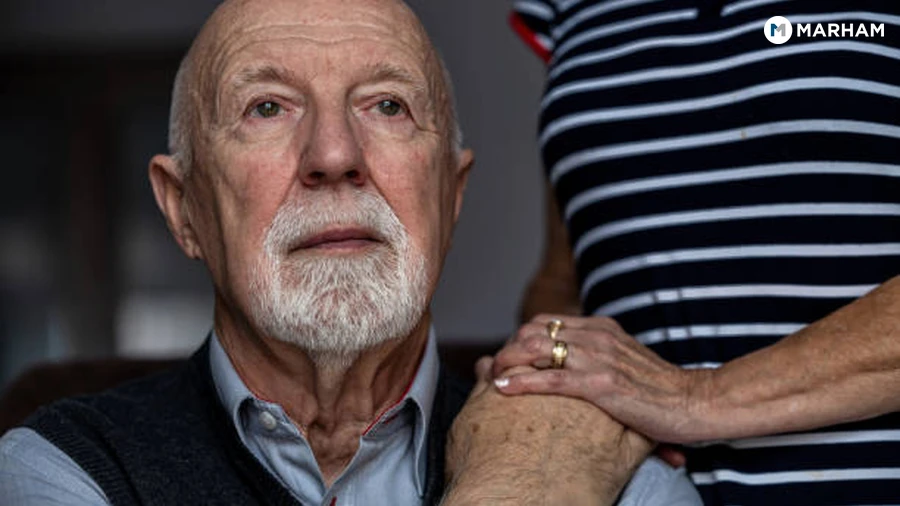
- Create a simple daily routine. Fixed times for waking, eating, prayers, and medicines reduce the cognitive load on a person with early memory difficulties.
- Label medicine boxes clearly. Use a pill organiser with days marked in Urdu or with colour coding. In Lahore and Karachi, these are available at most medical stores for Rs. 150 to 400.
- Keep a visible calendar. A large wall calendar with upcoming appointments and family events written in clear text helps with orientation to time.
- Reduce unnecessary decisions. Simplify choices: two options instead of five. This reduces frustration and confusion.
- Encourage gentle physical activity. A short walk after Fajr or Asr prayer, even 15 to 20 minutes, supports blood flow to the brain and is culturally easy to incorporate into a Pakistani elderly person’s day.
- Stay socially connected. Isolation accelerates cognitive decline. Regular family conversations, attending masjid, or joining a neighbourhood gathering all help maintain mental engagement.
- Avoid correcting repeatedly. When an elderly person repeats a question, answer it calmly each time. Repeated correction causes distress and shame without improving recall.
When to See a Neurologist for Memory Loss
Not every episode of forgetfulness requires a specialist visit. But certain signs should prompt a prompt medical evaluation rather than a wait-and-see approach.
See a doctor soon if the person: forgets close family members’ names and cannot recall them later; gets lost in their own neighbourhood or home; cannot manage their daily medicines or meals without help; shows sudden personality changes, suspicion, or aggression; or experiences a rapid worsening of memory over a few weeks. Sudden or very rapid memory loss, especially if accompanied by headache, vision changes, or difficulty speaking, may indicate a stroke and requires immediate emergency care.
A neurologist in Pakistan will typically assess cognitive function using standardised tests, review blood work (including B12, thyroid, blood sugar), and may request a brain MRI or CT scan. Early assessment matters because several causes of memory loss are treatable, and even for progressive conditions like Alzheimer’s disease, earlier support planning leads to better outcomes for both the patient and the family.
Get Expert Guidance from Marham
For many families in Pakistan, the first challenge is simply knowing where to start. Waiting for an in-person appointment with a specialist can take weeks, particularly outside major cities like Lahore, Karachi, and Islamabad. The uncertainty in the meantime is hard on everyone.
Marham connects families with verified neurologists in Pakistan through online video consultations, so an initial assessment can happen from home without the stress of travel. A short consultation of 15 to 20 minutes can help a family understand whether the symptoms they are seeing warrant urgent investigation, a blood test, or a referral, and what steps to take next.
Frequently Asked Questions
Is some memory loss normal in old age?
Yes, mild forgetfulness is a normal part of aging. Occasionally misplacing items or taking longer to recall a name is common and does not indicate dementia. The concern arises when memory loss disrupts daily tasks or gets progressively worse.
What are the first signs of memory loss in an elderly person?
Early signs include repeating the same question in a conversation, forgetting recently given information (like a doctor’s instructions), getting confused about dates, and struggling with familiar tasks like preparing food or managing medicines.
Can memory loss in the elderly be reversed?
Some causes of memory loss are fully reversible, including vitamin B12 deficiency, hypothyroidism, depression, and medication side effects. Dementia caused by Alzheimer’s disease is not reversible, but early management can help slow its progression.
What tests are done to diagnose memory loss?
A doctor will typically take a full history, conduct a cognitive assessment, and order blood tests including B12, thyroid function (TSH), blood sugar, and sometimes a brain MRI or CT scan. These tests help identify treatable causes and rule out structural problems.
When should I take an elderly parent to a neurologist for memory loss?
Seek a neurologist if memory loss is worsening over weeks, if the person gets lost in familiar places, cannot manage daily tasks independently, or shows sudden personality changes. Sudden severe memory loss with other neurological symptoms needs emergency evaluation.
Conclusion
Memory loss in elderly Pakistanis is not something families should dismiss or feel helpless about. Some causes are treatable. Even for progressive conditions, knowing early means better planning and better care. The practical steps, from checking for B12 deficiency to adjusting a daily routine, are within reach for most families. The most important thing is to take the change seriously and get a proper evaluation rather than waiting for symptoms to become severe.