


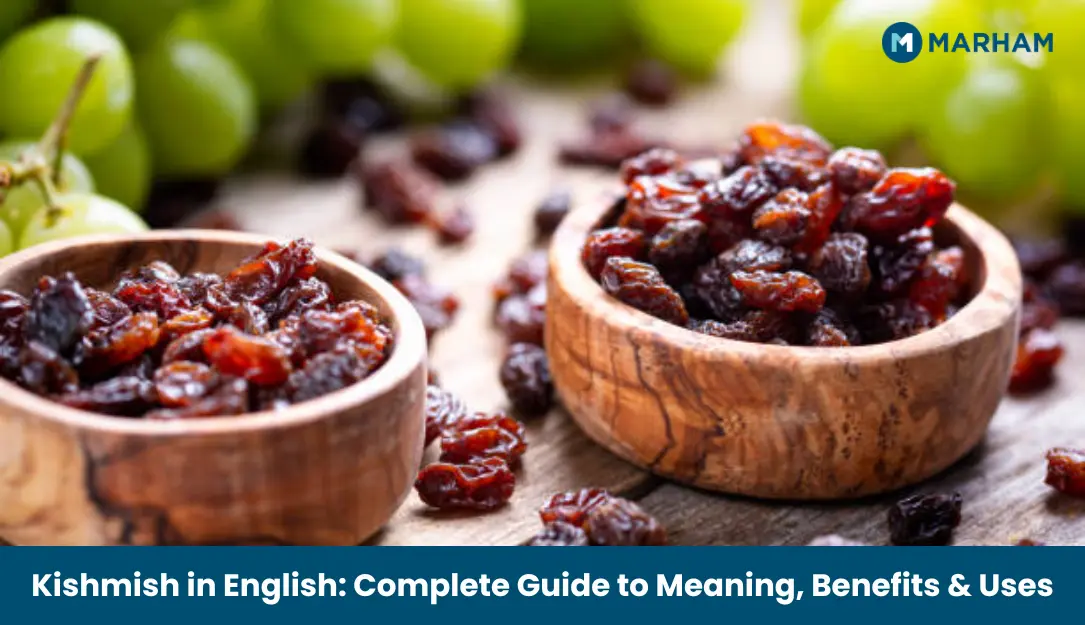
Kishmish is one of the most popular dry fruits enjoyed in Pakistani households. But many people wonder what kishmish in english is actually called. The simple answer is that kishmish is known as “raisins” in English.
Raisins are dried grapes that have been used for centuries in cooking, baking, and as a healthy snack. In Pakistan, kishmish holds a special place in our kitchens. From kheer to biryani, this tiny dry fruit adds natural sweetness to many traditional dishes.
This guide will explain everything about kishmish in english meaning, its health benefits, nutritional value, and how Pakistanis use it daily. Whether you want to know the kishmish in english name for educational purposes or want to learn about its benefits, this article covers it all.
By the end, you will understand why kishmish deserves a permanent spot in your pantry.
What Is Kishmish Called in English?
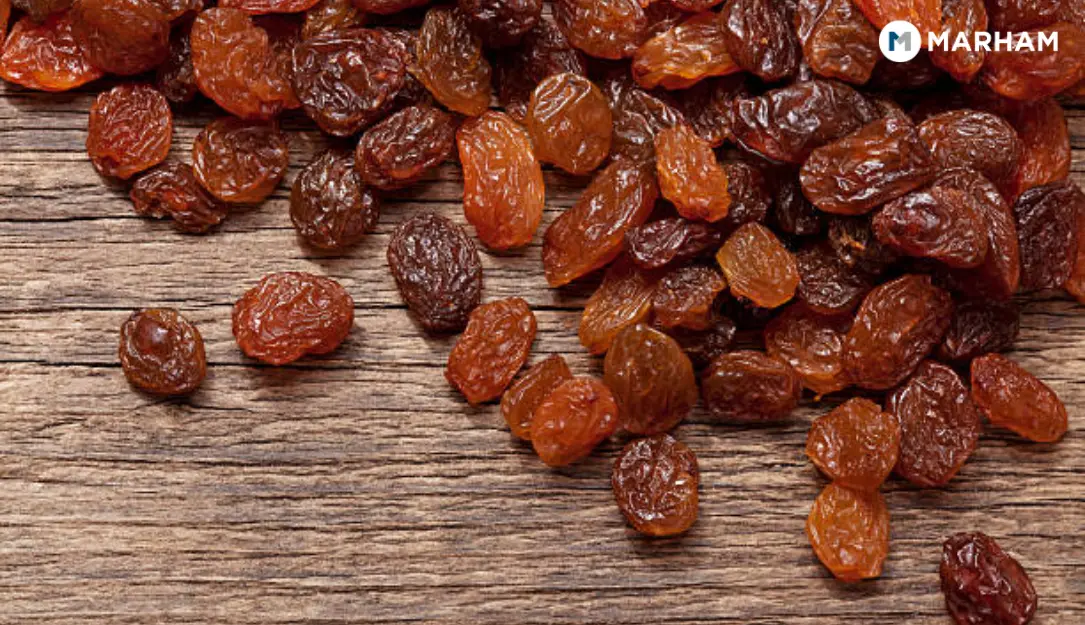
When you translate kishmish in english, the word is “raisins.” Raisins are simply dried grapes. The drying process removes water from fresh grapes, leaving behind small, wrinkled, and naturally sweet dry fruits.
The word “kishmish” comes from Persian and is widely used in Pakistan, India, and other South Asian countries. In Urdu, we also call it “منقہ” (munakka) for larger varieties, though kishmish typically refers to smaller seedless raisins.
Raisins come in different colors depending on the grape variety. You will find golden kishmish, green kishmish, and black kishmish in Pakistani markets. Each type has a slightly different taste and texture, but all share similar health benefits.
Kishmish Meaning in English Explained Simply
The kishmish meaning in english is straightforward. It refers to dried grapes that are either sun-dried or mechanically dried. The drying process concentrates the natural sugars, making raisins sweeter than fresh grapes. In English-speaking countries, people use raisins in cereals, baked goods, trail mixes, and desserts. The term “raisin” comes from the Latin word “racemus,” meaning a cluster of grapes. Understanding kishmish in english helps when reading international recipes or shopping online. If a recipe asks for raisins, you now know it means kishmish.
Nutritional Value of Kishmish
Kishmish is packed with essential nutrients despite its small size. Here is the nutritional breakdown per 100 grams of raisins:
| Nutrient | Amount |
| Calories | 299 kcal |
| Carbohydrates | 79 g |
| Sugars | 59 g |
| Dietary Fiber | 3.7 g |
| Protein | 3.1 g |
| Fat | 0.5 g |
| Iron | 1.9 mg |
| Potassium | 749 mg |
| Calcium | 50 mg |
| Magnesium | 32 mg |
| Vitamin B6 | 0.17 mg |
| Vitamin C | 2.3 mg |
Kishmish is an excellent source of quick energy due to its natural sugar content. It also provides important minerals like iron and potassium that support overall health.
Health Benefits of Kishmish
Now that you know kishmish in english is called raisins, let us explore why this dry fruit is so beneficial. Kishmish benefits extend far beyond just taste.
Boosts Energy Levels
Kishmish contains natural sugars like glucose and fructose. Eating a handful of raisins provides instant energy, making them perfect for students, athletes, and working professionals. Many Pakistanis eat soaked kishmish in the morning for a quick energy boost.
Supports Digestive Health
The fiber content in kishmish helps regulate digestion. Raisins act as a natural laxative and can relieve constipation when eaten regularly. Soaking kishmish overnight and eating them on an empty stomach improves gut health.
Improves Blood Health
Kishmish is rich in iron, which helps produce red blood cells. People with low hemoglobin levels often benefit from adding raisins to their diet. This makes kishmish especially valuable for women and growing children.
Strengthens Bones
Calcium and boron present in kishmish support bone health. Regular consumption may help prevent bone-related issues, particularly in older adults.
Good for Heart Health
Potassium in kishmish helps regulate blood pressure. The fiber content also assists in reducing bad cholesterol levels. Together, these properties make raisins a heart-friendly snack.
Promotes Healthy Skin
Antioxidants in kishmish fight free radicals that damage skin cells. Many people notice improved skin texture after including raisins in their daily diet.
Black Kishmish Benefits
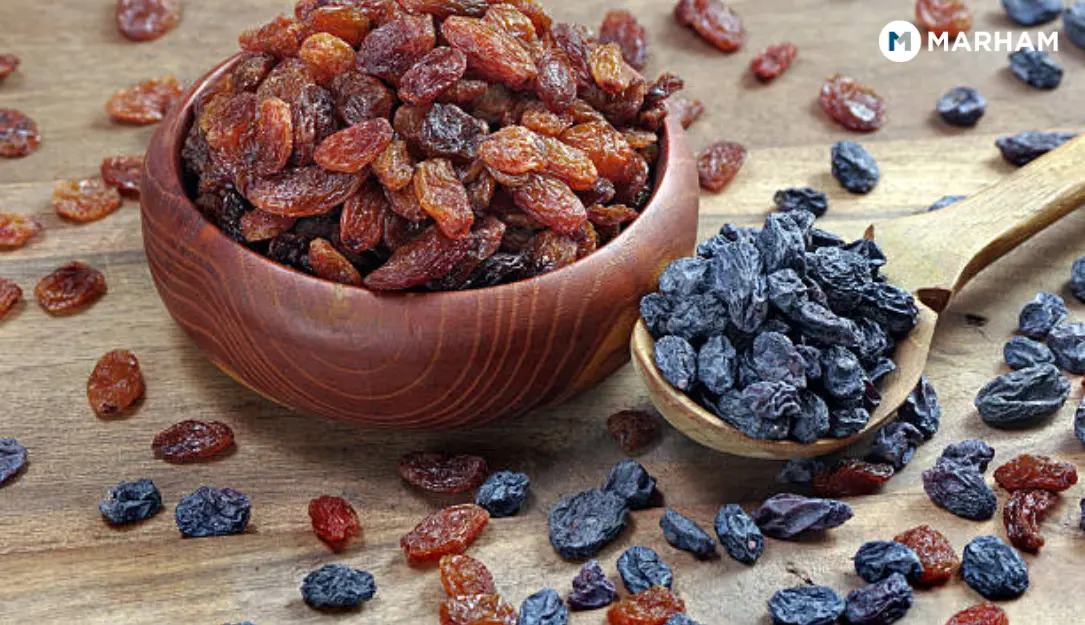
Black kishmish, also called kali kishmish or black raisins, deserves special mention. Black kishmish benefits are particularly impressive because this variety contains higher antioxidant levels.
Black raisins are made from dark-colored grapes and retain more nutrients during the drying process. They are especially beneficial for:
- Treating anemia due to higher iron content
- Improving hair health and reducing hair fall
- Detoxifying the liver naturally
- Regulating blood pressure more effectively
In Pakistan, black kishmish is often recommended by hakims and nutritionists for people with iron deficiency. Soaking black raisins overnight and drinking the water in the morning is a popular home remedy.
Kishmish Price in Pakistan
The kishmish price in Pakistan varies depending on the type and quality. Here is a general price guide as of 2024-2025:
| Type | Price Range (per kg) |
| Green Kishmish (Regular) | PKR 800 – 1,200 |
| Golden Kishmish | PKR 1,000 – 1,500 |
| Black Kishmish | PKR 1,200 – 1,800 |
| Afghan Kishmish (Premium) | PKR 1,500 – 2,500 |
Prices may vary based on your city and the shop you purchase from. Wholesale markets in Karachi, Lahore, and Rawalpindi often offer better rates. During Ramadan, prices typically increase due to higher demand.
Buying kishmish from reputable dry fruit shops ensures better quality. Always check for freshness and avoid raisins that look too dry or have a strange smell.
Side Effects and Precautions
While kishmish in english (raisins) offers many benefits, eating too much can cause problems:
High Sugar Content
Raisins contain concentrated natural sugars. Diabetic patients should limit their intake and consult a doctor before adding kishmish to their diet.
Weight Gain Risk
Excessive consumption can lead to weight gain due to the high calorie content. A handful (30-40 grams) per day is generally considered safe for most adults.
Digestive Issues
Eating too many raisins at once may cause bloating or stomach discomfort in some people. Start with small amounts if you are new to eating kishmish regularly.
Allergic Reactions
Though rare, some people may be allergic to raisins. If you experience itching, swelling, or breathing difficulties after eating kishmish, seek medical help immediately.
How Pakistanis Use Kishmish Daily
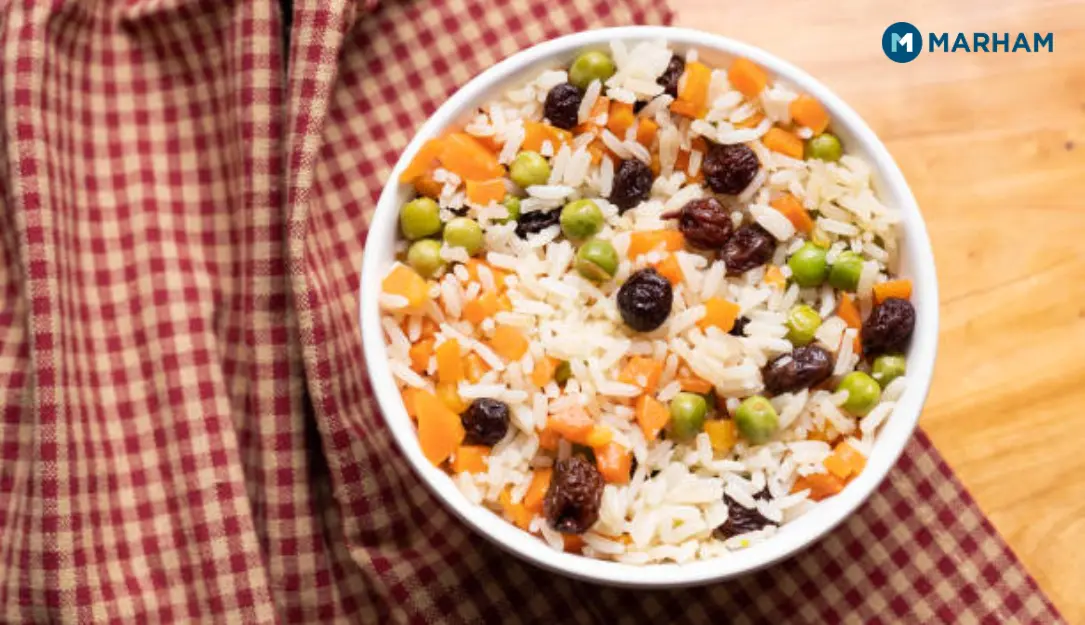
Kishmish is deeply rooted in Pakistani food culture. Here are common ways people use raisins in Pakistan:
In Desserts and Sweet Dishes
Kheer, seviyan, and halwa are incomplete without kishmish. The natural sweetness of raisins enhances these traditional desserts perfectly.
In Rice Dishes
Many families add kishmish to pulao, biryani, and zarda. It creates a beautiful balance of sweet and savory flavors that Pakistanis love.
As a Healthy Snack
Health-conscious people eat kishmish as a mid-day snack. Mixing raisins with almonds and walnuts creates a nutritious trail mix.
Soaked Kishmish for Health
Soaking kishmish overnight in water and eating them in the morning is a popular practice. This method is believed to maximize the health benefits of raisins.
During Ramadan
Kishmish consumption increases significantly during Ramadan. Many families add raisins to their iftar spreads and special dishes prepared during the holy month.
Consult a Nutritionist at Marham
No doubt kishmish benefits make raisins a healthy choice for most people, but individual nutrition needs can vary. If you have diabetes, weight concerns, or specific dietary restrictions, consulting an expert nutritionist can help you make informed choices.
Marham connects you with experienced nutritionists and dietitians across Pakistan who can create personalized meal plans based on your health goals.
Call 0311-1222398 to book your consultation today, or visit Marham.pk to find the best nutrition experts near you.
The Bottom Line
Kishmish in english is simply called raisins. This humble dry fruit offers impressive health benefits, from boosting energy to improving blood health. Whether you enjoy golden, green, or black kishmish, you are giving your body valuable nutrients.
Pakistanis have used kishmish for generations in cooking, desserts, and home remedies. With reasonable prices and wide availability, there is no reason not to include this nutritious dry fruit in your daily diet.
Start with a small handful each day and experience the benefits yourself. Your body will thank you for this simple yet powerful addition to your routine.
