

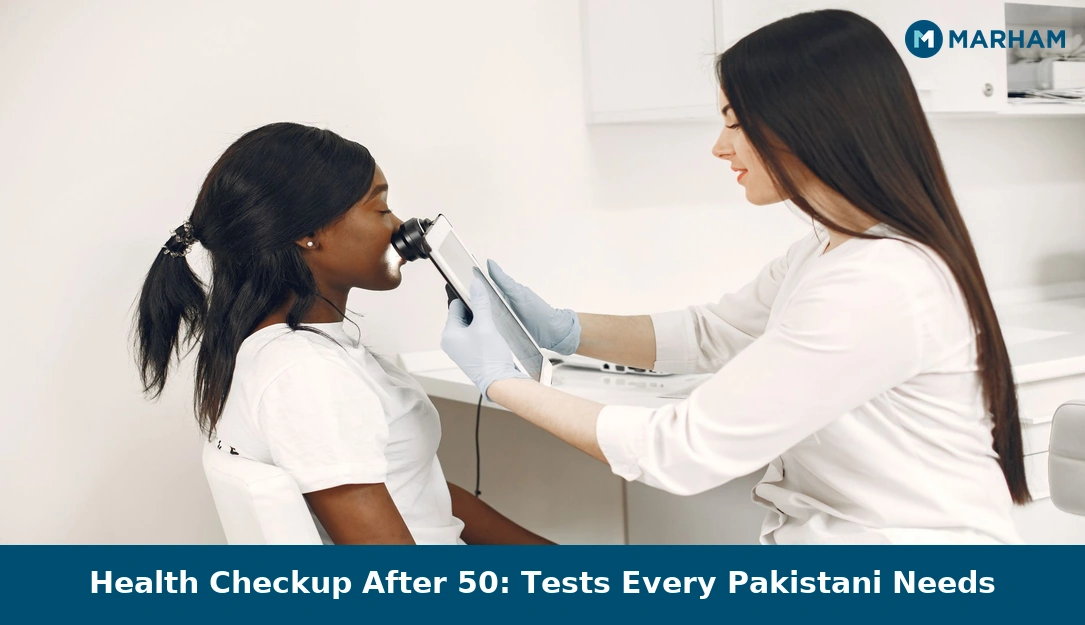
Your fifties are often when the body starts sending signals it never bothered with before. A dull ache here, a slightly elevated reading there, fatigue that chai alone can’t fix. Most of these changes are manageable, but only if they’re caught early enough to act on.
Pakistan carries one of the highest burdens of non-communicable disease in South Asia. According to the WHO, over 33 million Pakistanis are estimated to be living with diabetes, and hypertension affects roughly 1 in 3 adults over 40. The troubling part is that both conditions can stay silent for years. A routine health checkup after 50 is one of the few ways to find them before they find you.
This guide covers the specific tests that matter most after 50, what they cost at labs like Chughtai Lab in Lahore or Dr. Essa Laboratory in Karachi, and which ones are different for men and women. It also explains what to do when a result comes back abnormal.
50 کے بعد صحت کا معائنہ: اہم باتیں
50 سال کی عمر کے بعد صحت کا باقاعدہ معائنہ بہت ضروری ہو جاتا ہے۔ پاکستان میں ذیابیطس، بلڈ پریشر، اور دل کی بیماریاں تیزی سے بڑھ رہی ہیں، اور ان میں سے اکثر بیماریاں شروع میں کوئی علامت ظاہر نہیں کرتیں۔ خون کے ٹیسٹ، ای سی جی، تھائیرائیڈ، اور ہڈیوں کی کثافت کا ٹیسٹ ان بیماریوں کو جلد پکڑنے میں مدد دیتے ہیں۔ ہر سال ایک مکمل معائنہ آپ کو مہنگے علاج سے بچا سکتا ہے اور صحت مند زندگی کو یقینی بنا سکتا ہے۔
Essential Blood Tests After 50 in Pakistan
Blood tests are the foundation of any checkup after 50. A single morning blood draw, done after 10 to 12 hours of fasting, can screen for several serious conditions at once.
The tests your doctor will typically order include:
- Complete Blood Count (CBC): Screens for anaemia, infection, and blood disorders. At Chughtai Lab, this costs around Rs. 800.
- Fasting Blood Sugar (FBS) and HbA1c: The HbA1c reflects your average blood sugar over the past 2 to 3 months, making it more reliable than a single glucose reading for detecting diabetes. HbA1c costs approximately Rs. 2,100 at Chughtai Lab.
- Lipid Profile: Measures total cholesterol, LDL, HDL, and triglycerides to assess cardiovascular risk. Costs around Rs. 2,400. Most Pakistani diets are high in ghee, fried foods, and refined carbohydrates, which can push LDL and triglycerides up significantly.
- Liver Function Test (LFT): Checks for fatty liver, hepatitis-related damage, and medication side effects. Around Rs. 1,950 at major labs.
- Kidney Function Test (KFT) with serum creatinine: Kidney disease often has no symptoms until it’s advanced. This test catches early decline.
- Thyroid Stimulating Hormone (TSH): Thyroid disorders are particularly common in Pakistani women over 50 and can mimic normal ageing (fatigue, weight gain, cold intolerance). If you often feel cold without reason, a TSH test is worth doing.
- Vitamin D (25-OH): Deficiency is widespread in Pakistan despite abundant sunshine, largely because of indoor lifestyles and covered clothing. Low Vitamin D accelerates bone loss after menopause.
- Hepatitis B surface antigen (HBsAg) and Hepatitis C antibody (Anti-HCV): Pakistan has among the highest rates of Hepatitis C in the world, per WHO data. If you haven’t been screened, your fifties are the time to do it.
Heart Health Checks: ECG and Blood Pressure Monitoring
Cardiovascular disease is the leading cause of death in Pakistan, and the risk rises sharply after 50. Two checks are non-negotiable.
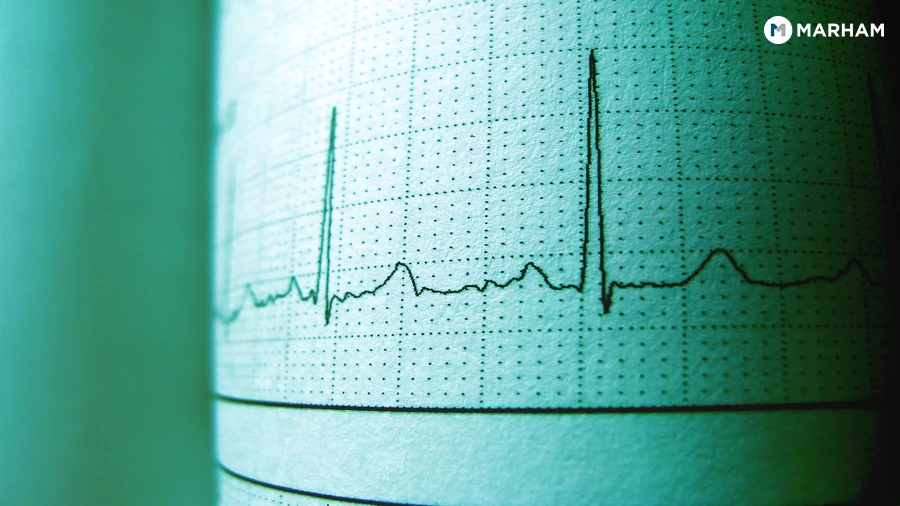
An ECG (electrocardiogram) records the electrical activity of the heart and can pick up rhythm abnormalities, signs of a previous silent heart attack, or early strain patterns. It’s painless, takes about 5 minutes, and costs between Rs. 500 and Rs. 1,500 at most clinics. Adults over 50 should have a baseline ECG done and repeat it annually if there are any risk factors such as hypertension, diabetes, or a family history of heart disease.
Blood pressure should be checked at every visit. High blood pressure rarely causes symptoms. Many patients in Lahore and Karachi are surprised to find their BP is 150/95 at a routine check when they felt completely fine. The target for most adults over 50 is below 130/80 mmHg, though your doctor will advise based on your full picture.
Cancer Screenings That Matter After 50
Screening for cancer at this age isn’t about expecting the worst. It’s about catching something early when treatment is most effective.
For Women
Mammogram: Women over 50 should have a mammogram every 1 to 2 years to screen for breast cancer. This is available at major diagnostic centres in Karachi, Lahore, and Islamabad, typically costing Rs. 3,500 to Rs. 6,000.
Pap smear: Women who have never been screened or who haven’t had one in 3 to 5 years should get a Pap smear to check for cervical cancer. If previous results were normal and you’re over 65, your gynaecologist can advise whether further screening is needed.
For Men
PSA (Prostate Specific Antigen) test: Men aged 55 to 69 should have a conversation with their doctor about PSA screening for prostate cancer. It’s a simple blood test, but the decision to screen should involve a discussion of benefits and potential for over-diagnosis, as guidelines from MedlinePlus and the US Preventive Services Task Force note. It’s not a blanket recommendation for everyone.

Bone Density Test: Who Needs a DEXA Scan
A DEXA scan (Dual-Energy X-ray Absorptiometry) measures bone mineral density and is the standard test for diagnosing osteoporosis, a condition where bones become fragile and fracture-prone.
Women over 50, especially after menopause, lose bone density rapidly due to falling oestrogen levels. Pakistani women face an added risk: low Vitamin D, low calcium intake from a diet that often skips dairy, and limited outdoor activity. A DEXA scan is advisable for all women over 50 and for men over 70, or earlier if there are risk factors such as long-term steroid use, a previous fracture, or a family history of hip fracture. The scan costs roughly Rs. 4,000 to Rs. 8,000 at major centres.
Eye and Dental Checks After 50
These two are consistently skipped in Pakistan, and they shouldn’t be.
After 50, the risk of glaucoma (raised pressure inside the eye that damages the optic nerve), cataracts, and diabetic retinopathy increases. The American Academy of Ophthalmology recommends a comprehensive eye exam every 1 to 2 years for adults over 50. In Pakistan, a basic eye check at a public hospital costs very little, and private ophthalmology clinics in Karachi and Lahore offer full assessments for Rs. 1,500 to Rs. 3,000.
Dental health is directly linked to heart health. Chronic gum disease is associated with a higher risk of cardiovascular events, per research published in the BMJ. A dental check twice a year is not a luxury at this age.
Tests Checklist: What to Get and How Often
| Test | Who | Frequency | Approx. Cost (PKR) |
|---|---|---|---|
| CBC, FBS, HbA1c, LFT, KFT | All | Annually | Rs. 5,000 to Rs. 8,000 (panel) |
| Lipid Profile | All | Annually | Rs. 2,400 |
| TSH (Thyroid) | All, esp. women | Annually | Rs. 1,500 to Rs. 2,000 |
| Vitamin D | All | Annually | Rs. 2,500 to Rs. 3,500 |
| HBsAg, Anti-HCV | All (if unscreened) | Once | Rs. 800 to Rs. 1,500 |
| ECG | All | Annually | Rs. 500 to Rs. 1,500 |
| Mammogram | Women 50+ | Every 1 to 2 years | Rs. 3,500 to Rs. 6,000 |
| Pap Smear | Women | Every 3 to 5 years | Rs. 2,000 to Rs. 4,000 |
| DEXA Scan | Women 50+, men 70+ | As advised | Rs. 4,000 to Rs. 8,000 |
| PSA | Men 55 to 69 | Discuss with doctor | Rs. 1,500 to Rs. 2,500 |
| Eye Exam | All | Every 1 to 2 years | Rs. 1,500 to Rs. 3,000 |
Prices are approximate and based on Lahore and Karachi market rates in 2026. Confirm directly with your lab before booking.
How to Prepare for Your Annual Checkup
Getting the most out of a checkup means going in ready.
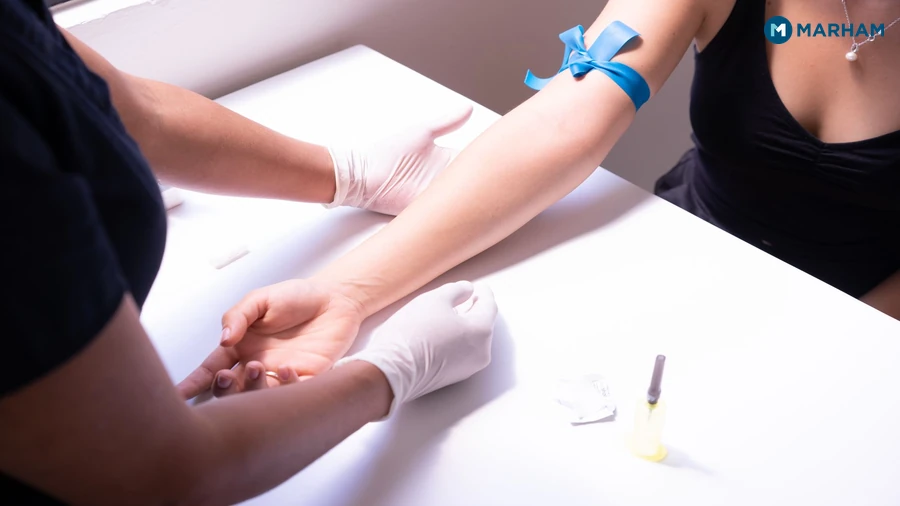
- Fast for 10 to 12 hours before blood tests. Water is fine. Chai, even without sugar, can affect some readings.
- Bring a list of all medicines you take, including herbal supplements like karela juice or ashwagandha. These can interact with test results.
- Note your family history. If a parent or sibling had heart disease, diabetes, or cancer before 60, tell your doctor at the start of the visit.
- Mention your diet honestly. A diet heavy in biryani, parathas, and doodh pati chai is a cardiovascular risk profile. Your doctor needs this information to interpret your lipid results correctly.
- Go in the morning. Most fasting tests need to be done before 10 a.m. Afternoon visits for fasting bloods are a common mistake in Pakistani clinics that leads to repeat visits.
- Women: avoid scheduling around your period. Hormonal changes can affect certain blood markers. Book your checkup 5 to 7 days after your cycle ends.
- Ask for a written report and keep it. Year-on-year comparison is how a good doctor tracks trends, not just individual readings.
When to See a Specialist
A general physician or family doctor can order and interpret most of these tests. But certain results need a specialist’s eye.
If your HbA1c comes back above 6.5%, your fasting glucose is consistently elevated, or your lipid profile shows very high LDL with a family history of heart disease, ask for a referral. Consulting a cardiologist in Pakistan makes sense when your ECG is abnormal or your 10-year cardiovascular risk score is high. An endocrinologist is the right specialist for thyroid disorders, diabetes management, or bone density concerns that go beyond a first-line GP visit.
Don’t wait for symptoms to appear before booking. That’s the whole point of a checkup.
Get Expert Guidance Through Marham
Finding the right specialist in Pakistan can mean long waiting times, especially in cities outside Lahore and Karachi. Many people in their fifties are managing two or three conditions at once and need a doctor who can look at the full picture, not just one result.
Marham connects you with verified nutritionists in Pakistan and other specialists through online consultations available from anywhere in the country. You can share your lab reports directly during the session and get specific guidance on what your numbers mean for your lifestyle, diet, and next steps. A typical online consultation takes 15 to 20 minutes and can save you weeks of waiting for a clinic appointment.
Frequently Asked Questions
What blood tests should a 50-year-old get in Pakistan?
The core panel includes CBC, fasting blood sugar, HbA1c, lipid profile, liver and kidney function tests, TSH, Vitamin D, and hepatitis B and C screening. Your doctor may add or remove tests based on your symptoms and family history.
How often should you get a health checkup after 50?
Once a year is the standard recommendation for adults over 50. If you have a chronic condition such as diabetes or hypertension, your doctor may recommend more frequent monitoring, sometimes every 3 to 6 months.
Is an ECG necessary after the age of 50?
An ECG is advisable for adults over 50, especially those with risk factors like high blood pressure, diabetes, or a family history of heart disease. It establishes a baseline and can detect silent abnormalities that have no symptoms.
What health tests do women over 50 need that men don’t?
Women over 50 should add a mammogram every 1 to 2 years, a Pap smear every 3 to 5 years if not already up to date, and a DEXA scan for bone density, as post-menopausal bone loss is a significant risk in Pakistani women with low Vitamin D and calcium intake.
Can I do a full body checkup at home in Pakistan?
Blood tests can be done at home through home sampling services offered by major labs in Pakistan. However, tests like ECG, mammogram, DEXA scan, and eye exams require you to visit a clinic or diagnostic centre.
What is the cost of a full health checkup package after 50 in Pakistan?
Individual tests range from Rs. 800 for a CBC to Rs. 6,000 for a mammogram. A bundled executive health package for adults over 50 at a hospital like Liaquat National costs upwards of Rs. 58,000 for a comprehensive screen. Standalone lab panels covering the most essential blood tests typically cost Rs. 5,000 to Rs. 10,000.
When should I see a doctor instead of just booking lab tests myself?
If you have symptoms such as chest pain, unexplained weight loss, persistent fatigue, or a strong family history of cancer or heart disease, see a doctor first. Self-ordering tests without clinical context can lead to unnecessary anxiety or missed diagnoses.
Conclusion
A health checkup after 50 isn’t about finding problems. It’s about knowing where you stand so you can make informed choices about the next decade of your life. The tests covered here are practical, widely available across Pakistan, and affordable when done as a planned annual routine rather than in a crisis. Book one this year, keep the reports, and go back next year with something to compare.