


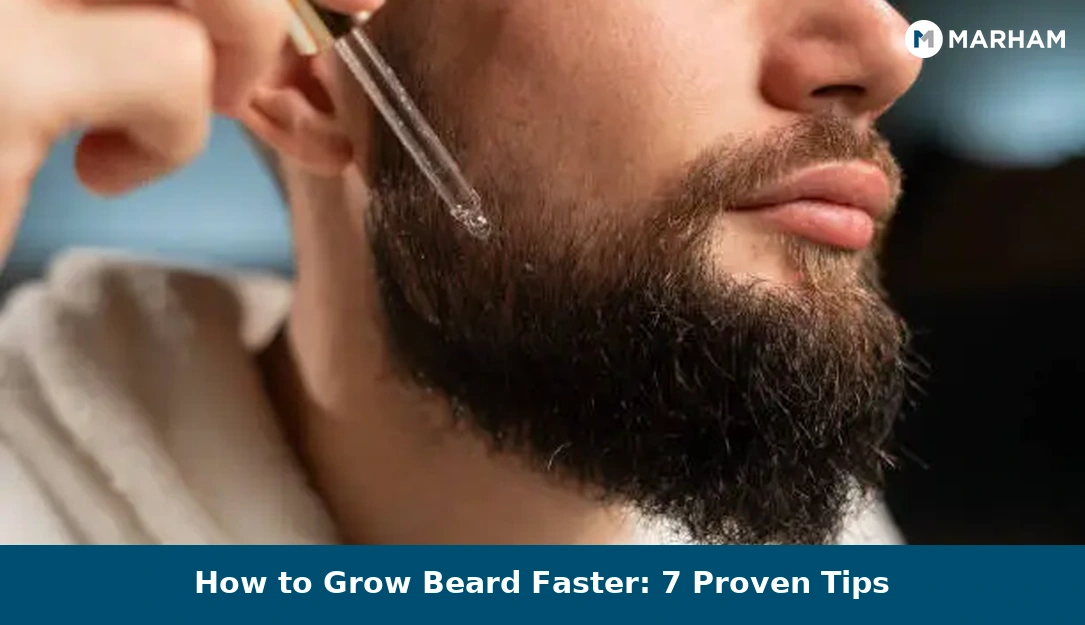
A thick, full beard is something many Pakistani men want, whether it’s for style, following the Sunnah, or simply looking more mature. The frustrating reality is that beard growth is slower for some men than others, and most advice online either overpromises or ignores the realities of South Asian genetics and lifestyle.
The good news: while you can’t change your follicle count, you can create the best possible conditions for the hair follicles you already have. Here’s what actually works.
داڑھی بڑھانے کے طریقے
داڑھی کی نشوونما بنیادی طور پر جینیات اور ہارمونز پر منحصر ہے، لیکن صحیح خوراک، نیند، ورزش اور جلد کی دیکھ بھال سے اسے بہتر بنایا جا سکتا ہے۔ پاکستانی مردوں کے لیے دیسی غذائیں جیسے انڈے، دالیں اور سبزیاں بالوں کی جڑوں کو مضبوط کرتی ہیں۔ روزانہ آٹھ گھنٹے کی نیند اور تناؤ سے بچاؤ بھی داڑھی کی صحت کے لیے ضروری ہے۔ ناریل یا کیسٹر آئل کی ہلکی مالش خون کی گردش بڑھاتی ہے اور بالوں کو نمی فراہم کرتی ہے۔
Why Beard Growth Varies from Man to Man
Beard growth is controlled by two main factors: genetics and hormones. Your follicle count and how sensitive those follicles are to dihydrotestosterone (DHT, a hormone converted from testosterone by the enzyme 5-alpha reductase) determines how thick and fast your beard grows. This sensitivity is largely inherited.
For Pakistani men specifically, South Asian genetics often mean that beard density continues improving well into the late 20s and even early 30s. If you’re under 25 and frustrated with patchy growth, patience is genuinely your best tool right now.
Age at which facial hair typically develops is 17 to 20 years, per the American Academy of Dermatology, with full coverage often arriving years later. Expecting a full beard at 18 sets you up for unnecessary frustration.
What Foods Help Beard Grow Faster
Nutrition is one of the few variables fully within your control. Hair is made of keratin, a protein, so your diet needs to supply the raw materials.
Key nutrients and desi sources:
- Protein: eggs, daal (lentils), murgh (chicken), and paneer support keratin production
- Biotin (Vitamin B7): eggs and nuts; a deficiency can slow hair growth noticeably
- Vitamin D: fatty fish, eggs, and fortified milk; many Pakistani men are deficient due to indoor lifestyles despite living in a sunny country
- Zinc: red meat, chickpeas (chana), and pumpkin seeds; zinc strengthens follicles
- Iron: red meat, spinach (palak), and kidney beans (rajma); low iron is a common and overlooked cause of slow facial hair growth
The typical Pakistani diet of roti, daal, and sabzi can actually cover most of these if portions are balanced. Where it often falls short is protein quantity, especially for men who skip eggs or eat small amounts of meat. Adding two eggs daily at breakfast is a practical, low-cost change that costs roughly Rs. 40 to 60 in most Pakistani cities.
Does Exercise Help Beard Growth?
Regular exercise, particularly weight training and high-intensity interval training (HIIT), is associated with improved testosterone levels and better blood circulation, both of which support hair follicle health. The improvement isn’t dramatic, but it’s real and comes with broader health benefits anyway.
Stress has the opposite effect.
Cortisol, the stress hormone, suppresses testosterone and can push hair follicles into a resting phase, slowing or temporarily halting growth. Pakistani men dealing with exam pressure, work stress, or financial anxiety may notice patchier growth during high-stress periods. This isn’t permanent, but it’s worth managing.
Does Shaving Make Beard Grow Faster? (The Myth)
No. Shaving does not make your beard grow faster or thicker. This is one of the most persistent myths in men’s grooming. When you shave, you cut the hair at its widest point near the skin, which makes the stubble feel coarser when it grows back. That blunt tip creates the illusion of thicker hair, but the follicle itself is completely unchanged.
Shaving more frequently won’t accelerate your beard timeline at all.
How to Use Beard Oil and Why It Matters
Beard oil doesn’t create new follicles or speed up the biological growth rate. What it does is condition the skin underneath, reduce itching during the awkward grow-out phase, and prevent breakage, which means your beard can reach its potential length without snapping off.
For Pakistani men, two oils are easy to find at any general store or medical store nationwide:
- Coconut oil (ناریل کا تیل): lightweight, absorbs well, widely available for Rs. 200 to 400 per bottle
- Castor oil (ارنڈی کا تیل): thicker, moisturising, good for dry skin under the beard; available at most medical stores for Rs. 150 to 300
Apply a few drops to clean, slightly damp skin and massage in small circular motions for two minutes. This also stimulates blood flow to the follicles. Do it at night before sleeping for best absorption.
6-Step Daily Routine to Support Beard Growth
- Wash your face twice daily with a mild face wash suited to your skin type. Clogged pores and excess oil can impede follicle health. In Karachi and Lahore’s humid summers, this step matters more than most men realise.
- Exfoliate once or twice a week using a gentle scrub. This removes dead skin cells and unclogs follicles. A simple mix of besan (gram flour) and water works as a natural exfoliant and is available in every Pakistani kitchen.
- Apply beard oil or coconut oil at night and massage for two minutes using circular motions.
- Eat a protein-rich breakfast every day. Two eggs with paratha or a bowl of daal at breakfast covers your biotin and protein needs for the morning.
- Sleep 7 to 8 hours. Testosterone production peaks during deep sleep. Cutting sleep short regularly is one of the fastest ways to stall beard growth.
- Manage stress actively. Namaz, a short walk, or light exercise in the evening can all help keep cortisol in check.
When Should You See a Doctor About Beard Growth?
Most patchy or slow-growing beards are simply genetic and improve with time. But some situations warrant professional attention.
See a doctor if you notice sudden patchy hair loss in circular or oval shapes on your face. This pattern can indicate alopecia areata barbae, an autoimmune condition where the immune system attacks hair follicles. It’s treatable but needs a proper diagnosis. Similarly, if slow beard growth comes with other symptoms such as low energy, reduced libido, or difficulty building muscle, a hormonal evaluation may be worthwhile.
A dermatologist in Pakistan can assess whether your patchy growth has a treatable underlying cause or is simply a matter of genetics and patience.
Beard Growth Facts vs Myths
| Claim | Verdict |
|---|---|
| Shaving makes beard grow faster | Myth: no effect on follicles |
| More testosterone always means more beard | Myth: follicle sensitivity matters more |
| Beard oils can create new follicles | Myth: they condition, not create |
| Diet affects beard growth | Fact: deficiencies slow growth |
| Sleep affects beard growth | Fact: testosterone peaks during sleep |
| Patchy beard at 20 means no beard ever | Myth: growth often improves into the 30s |
Get Expert Advice from Marham
If you’ve tried consistent diet, sleep, and grooming changes for several months and still see no improvement, or if you notice sudden unexplained hair loss on your face, it’s worth speaking to a specialist.
Marham connects you with verified dermatologists in Pakistan who can assess your skin and hair follicle health online. A short consultation can tell you whether your concern is genetic, nutritional, hormonal, or something that needs targeted treatment, without the wait of a physical clinic visit.
Frequently Asked Questions
How long does it take to grow a full beard?
Most men need 2 to 6 months to grow a full beard, though this varies widely based on genetics and age. Pakistani men with South Asian genetics often see significant improvement in density through their late 20s, so early patchiness doesn’t predict the final result.
Does shaving make your beard grow faster or thicker?
No. Shaving has no effect on how fast or thick your beard grows. It only creates a blunt hair tip that feels coarser, giving the illusion of thickness. The follicle itself is unaffected by shaving.
What foods help beard grow faster in Pakistan?
Eggs, daal, chicken, palak, and chana are among the best locally available foods for beard growth. They supply protein, iron, zinc, and B vitamins, all of which support healthy follicle function.
Can stress slow down beard growth?
Yes. High cortisol from chronic stress suppresses testosterone and can push hair follicles into a resting phase. Managing stress through regular exercise, sleep, and relaxation can help maintain normal growth.
What is the best oil for beard growth in Pakistan?
Coconut oil and castor oil are both effective, affordable, and widely available at Pakistani general and medical stores. They condition the skin, reduce breakage, and support follicle health when massaged in regularly.
When should I see a doctor about my beard not growing?
Consult a doctor if you notice sudden circular bald patches on your face, or if slow beard growth comes with symptoms like fatigue, low libido, or poor muscle gain. These may indicate a treatable condition such as alopecia areata or a hormonal imbalance.
Conclusion
Growing a faster, thicker beard comes down to three honest things: working with your genetics rather than against them, giving your body the right nutrients and rest, and keeping your skin and follicles healthy. For most Pakistani men, consistency with diet, sleep, and a simple grooming routine will produce visible improvement over 3 to 6 months. If something feels medically off, a dermatologist can give you a clear answer quickly.
