


Ginger (adrak) offers seven well-researched health benefits, including better digestion, reduced nausea, lower inflammation, and support for blood sugar and heart health. Used daily in Pakistani kitchens for generations, this root is now backed by modern science. Here is what the evidence says and how to use it safely.
Ginger Nutrition Facts
Before we explore the benefits, here is the nutritional breakdown of 1 tablespoon (6 grams) of fresh ginger:
| Nutrient | Amount | Daily Value |
| Calories | 5 | |
| Carbohydrates | 1.1g | <1% |
| Fiber | 0.1g | <1% |
| Protein | 0.1g | <1% |
| Vitamin C | 0.3mg | <1% |
| Magnesium | 2.5mg | 1% |
| Potassium | 25mg | 1% |
| Gingerol | Primary bioactive compound |
Ginger root contains a very high level of total antioxidants, surpassed only by pomegranate and some types of berries.
Get personalised nutrition advice from a verified specialist
A PMC-verified nutritionist on Marham can help you build a diet plan that includes ginger and other natural foods safely, based on your health goals and conditions.
7 Powerful Ginger Benefits
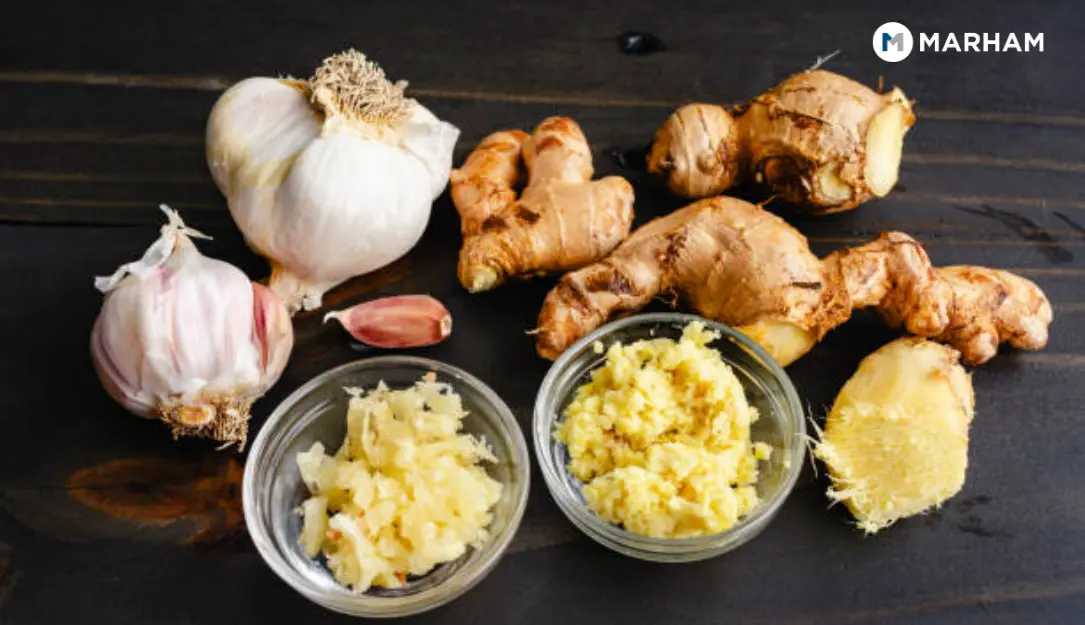
1. Improves Digestive Health
Ginger is one of the best natural remedies for digestive problems. Gingerol, the main bioactive compound in ginger root, improves gastrointestinal motility, which is the rate at which food exits the stomach and continues along the digestive process. If you deal with bloating, gas, or indigestion after heavy meals like biryani or nihari, chewing a small piece of fresh ginger or drinking adrak chai can speed up stomach emptying and ease discomfort.
2. Reduces Nausea and Vomiting
This is one of the most well researched ginger benefits. Multiple clinical trials have shown consistent evidence that ginger can reduce nausea and vomiting effectively. Whether it is morning sickness during pregnancy, motion sickness during long road trips, or nausea after chemotherapy, ginger provides effective and natural relief. Keeping a small piece of ginger or ginger candy in your bag during travel is a simple Pakistani household trick that actually works.
3. Fights Inflammation and Pain
Chronic inflammation is linked to conditions like arthritis, heart disease, and diabetes. Studies have found that consuming ginger or applying it to the skin can help alleviate pain and inflammation associated with premenstrual syndrome, muscle soreness after exercise, knee osteoarthritis, and migraine. For older adults in Pakistan dealing with joint pain, adding ginger to daily meals can provide gradual but meaningful relief.
4. Supports Heart Health
Ginger can play a protective role for your cardiovascular system. Research suggests that people who consume ginger regularly may stay protected against coronary heart disease, high blood pressure, and fatty liver disease. It helps manage cholesterol levels and improves blood circulation. Given that heart disease is one of the leading causes of death in Pakistan, incorporating adrak into your daily routine is a small step with big impact.
5. Helps Manage Blood Sugar
For the millions of Pakistanis living with type 2 diabetes, ginger offers promising support. Studies have shown that ginger can improve lipid profiles and benefit glucose control, insulin sensitivity, and glycosylated hemoglobin in type 2 diabetes patients. Adding fresh ginger to your chai or meals may help maintain steadier blood sugar levels throughout the day.
6. Boosts Immunity and Fights Infections
Ginger is packed with antioxidants that strengthen your immune system. These antioxidants may help your body fight off chronic diseases like high blood pressure, heart disease, and diseases of the lungs, while also promoting healthy aging. Its antibacterial and antiviral properties make it especially valuable during flu season and the harsh winters of northern Pakistan.
7. Supports Weight Management
Emerging research shows that ginger can help with weight control. Ginger’s bioactive components, including gingerol and shogaol, have shown anti obesity activity through their effects on metabolism and gut microbiota. Drinking ginger water or ginger tea before meals may boost metabolism and help reduce appetite naturally.
Ginger Benefits in Urdu | ادرک کے فوائد
ادرک ایک طاقتور جڑی بوٹی ہے جو صدیوں سے پاکستانی گھرانوں میں استعمال ہو رہی ہے۔ یہ ہاضمے کو بہتر بناتا ہے، متلی روکتا ہے، اور جوڑوں کے درد میں آرام دیتا ہے۔ ادرک دل کی صحت، کولیسٹرول، اور شوگر کو کنٹرول کرنے میں مددگار ہے۔ یہ قوت مدافعت مضبوط کرتا ہے اور وزن کم کرنے میں بھی فائدہ مند ہے۔ روزانہ ادرک کی چائے یا ادرک کا پانی پینا صحت کے لیے بہترین عادت ہے
Benefits of Ginger Water | ادرک کا پانی کے فوائد
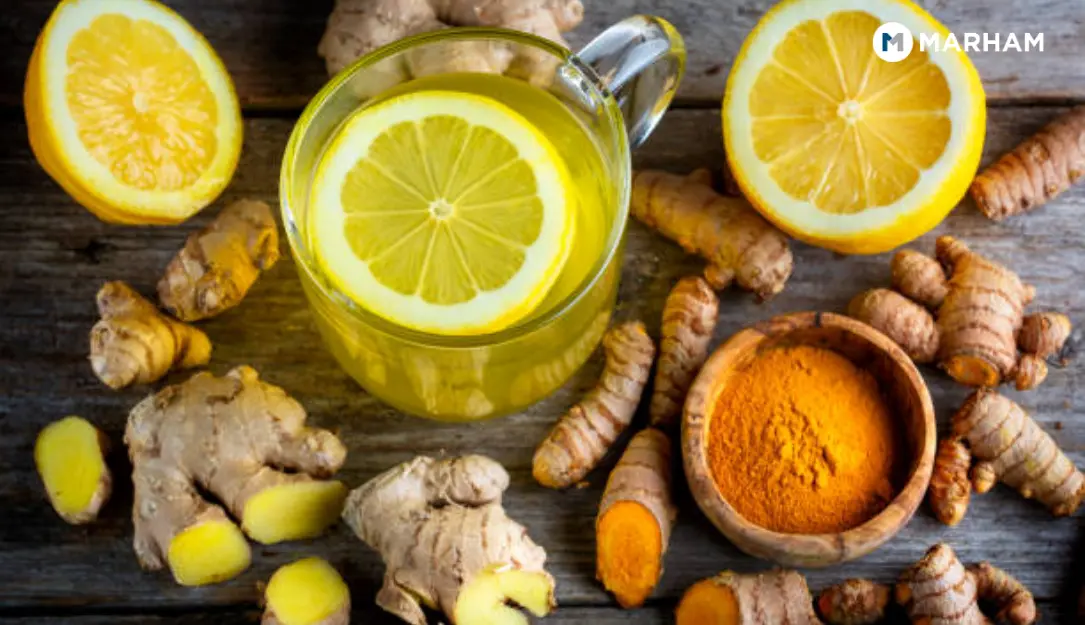
Ginger water is one of the simplest health tonics you can make at home. Boil a one inch piece of fresh ginger in two glasses of water for 10 minutes. Strain it and drink it warm, preferably on an empty stomach in the morning.
Benefits of ginger water include kickstarting your metabolism first thing in the morning, which supports weight management. It helps flush out toxins and improves digestion throughout the day. Many people notice clearer skin and reduced bloating after drinking ginger water consistently for two to three weeks. Adding a squeeze of lemon and a teaspoon of honey makes it easier to drink and adds extra vitamin C.
Ginger Tea Benefits | ادرک کی چائے کے فوائد
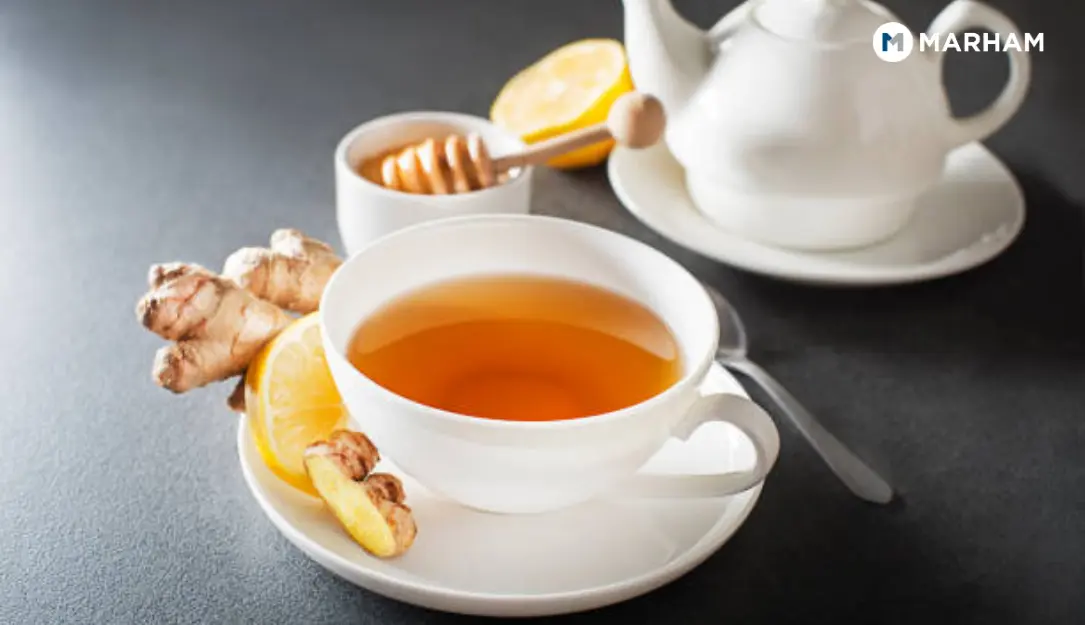
For most Pakistanis, adrak wali chai is already a daily ritual. But beyond its warming taste, ginger tea delivers real health benefits. Adding a clove or two to your ginger tea doubles the health benefits, as both spices are rich in antioxidants and anti inflammatory compounds.
To make ginger tea, crush a small piece of fresh ginger and add it to boiling water along with your tea leaves. Drop in one or two whole cloves for extra flavor and nutrition. Let it simmer for five minutes. You can add honey, lemon, or a pinch of cinnamon for extra flavor and benefits.
Ginger tea benefits include relief from cold and flu symptoms, reduced sore throat pain, improved circulation during cold winter months, natural stress relief after a long day, and support for respiratory health during seasonal changes. The combination of ginger and cloves also soothes toothache pain and freshens breath naturally. Drinking one to two cups of ginger and clove tea daily is ideal. Avoid drinking it too close to bedtime as it may keep you awake.
Ginger Benefits for Men
Ginger offers specific advantages for men’s health. Studies suggest that ginger can support testosterone levels, improve blood flow, and enhance overall vitality, though more clinical evidence in humans is still needed. Its anti inflammatory properties also support muscle recovery after exercise, making it useful for physically active men. Adding ginger to post workout smoothies or meals can support faster recovery and overall energy.
How to Use Ginger Daily
Ginger is incredibly versatile and fits easily into a Pakistani lifestyle. Here are simple ways to add it to your routine:
In Cooking:
- Add fresh ginger to curries, salan, karahi, and soups for both flavor and health benefits
- Use ginger paste as a base for marinades and masalas
- Grate fresh ginger into rice dishes and daal for extra warmth
In Beverages:
- Crush it into your morning chai for a health boosting kick
- Make ginger water by boiling a one inch piece in two glasses of water
- Prepare a ginger honey lemon drink for a refreshing health tonic
For Quick Relief:
- Chew a small slice of fresh ginger to ease nausea or sore throat
- Place a thin slice under your tongue during travel to prevent motion sickness
- Sip warm ginger water to calm an upset stomach after heavy meals
Recommended Daily Intake:
- Fresh ginger: one to two inches per day
- Ginger powder: about half a teaspoon per day
- Start with a small amount if you are new to consuming raw ginger and increase gradually
Ginger Side Effects and Precautions
While ginger benefits are impressive, some precautions are important. Consuming more than 4 grams of ginger daily may cause heartburn, stomach discomfort, or diarrhea. Pregnant women should limit intake to normal food amounts and avoid ginger supplements without medical advice. People on blood thinning medications should consult their doctor, as ginger may affect blood clotting. If you experience any allergic reactions like skin rash or swelling, stop using ginger immediately.
Consult a Nutritionist
Want personalized advice on how to add ginger to your diet for maximum health benefits? A qualified nutritionist can create a customized plan based on your health goals and conditions.
Book an appointment with a nutritionist through Marham.pk or call 0311 1222398 to get expert guidance on using ginger and other natural remedies safely.
Conclusion
Ginger is a true powerhouse spice that delivers real, science backed health benefits. From improving digestion and reducing nausea to fighting inflammation and supporting heart health, this humble root does it all. Whether you enjoy ginger tea, ginger water, or simply add fresh adrak to your daily cooking, there are countless easy ways to benefit from this incredible spice.
Start with a small piece daily, stay consistent, and let ginger do what it has been doing in Pakistani homes for centuries.
When to See a Doctor Instead of Using Home Remedies
Ginger is a useful daily supplement, not a substitute for medical care. If your digestive symptoms, joint pain, or nausea persist for more than two weeks despite home remedies, a doctor should evaluate you. Persistent bloating or stomach pain can signal conditions like IBS, gastritis, or peptic ulcers that need proper diagnosis.
Similarly, if you have type 2 diabetes and are trying to manage blood sugar naturally, do not adjust your medication without speaking to a doctor first. Ginger may support glucose control as an add-on, but it does not replace prescribed treatment. The same caution applies to anyone on blood-thinning medications, as ginger can affect clotting.
- Nausea lasting more than two weeks, especially with weight loss
- Joint pain that limits daily movement or worsens at night
- Blood sugar readings consistently outside your target range
- Heartburn or acid reflux that does not improve with dietary changes
- Any allergic reaction such as skin rash or swelling after consuming ginger
A qualified nutritionist or general physician can help you build a diet plan that includes ginger safely alongside your existing treatment.
Ginger and Diabetes: What Pakistani Patients Should Know
Research suggests ginger supplementation may help reduce fasting blood sugar and HbA1c in people with type 2 diabetes, though results across studies are mixed and more large-scale trials are needed. A 2022 review of 10 trials found reductions in fasting blood sugar when participants took 1,200 to 3,000 mg of ginger daily for 8 to 13 weeks.
For Pakistani patients managing diabetes, ginger can be a sensible dietary addition, but it should complement, not replace, prescribed medication and regular monitoring. Adding fresh ginger to meals, chai, or warm water is a low-risk way to include it in a diabetes-friendly routine.
- Do not stop or reduce diabetes medication based on ginger use alone
- Monitor blood sugar regularly if you add ginger supplements to your routine
- Discuss any supplement use with your doctor or a registered nutritionist
- Stick to food-form ginger (fresh or dried) rather than high-dose supplements unless advised otherwise
If you need personalised guidance on diet and blood sugar management, a nutritionist can build a plan suited to your health profile and food preferences.
Ginger for Nausea During Pregnancy: Is It Safe?
Ginger is widely considered safe for relieving morning sickness during the first trimester when used in normal food amounts. Multiple clinical trials have found it reduces nausea and vomiting in pregnant women without significant side effects at low doses.
However, pregnant women should avoid ginger supplements or concentrated ginger extracts without medical advice, as high doses may affect hormone levels or blood clotting. The safest approach is to use ginger in everyday cooking or as a mild ginger tea made from a small piece of fresh root.
- A small piece of fresh ginger in warm water or chai is generally considered safe
- Avoid ginger supplements, capsules, or extracts during pregnancy without a doctor’s approval
- Do not exceed normal culinary amounts if you are in the second or third trimester
- If nausea is severe or accompanied by vomiting that prevents eating, consult a gynecologist or general physician promptly
Every pregnancy is different. If you are unsure about using ginger or any other home remedy, speak with your doctor before continuing.
Ginger Side Effects: How Much Is Too Much?
Ginger is safe for most adults when consumed in amounts typically used in cooking or as a mild tea. Problems usually arise when intake exceeds 4 grams per day, which can cause heartburn, stomach upset, or loose stools.
Certain groups need extra caution. People taking blood-thinning medications such as warfarin should consult their doctor, as ginger may slow blood clotting. Those on blood pressure medication or metformin for diabetes should also check with a healthcare provider before adding ginger supplements to their routine, as interactions are possible.
- Heartburn or acid reflux: most common side effect, especially on an empty stomach
- Blood thinning: relevant for anyone on anticoagulants or aspirin therapy
- Low blood sugar: possible if combined with diabetes medication without monitoring
- Allergic reactions: rare but can include skin rash or mouth irritation; stop use immediately if this occurs
- Pregnancy caution: avoid high-dose supplements; normal food use is generally fine
If you experience persistent discomfort after using ginger, stop and speak with a general physician or nutritionist to find a safer alternative or dosage.
Online nutrition consultation from Rs 500
Marham connects you with 16,000+ PMC-verified doctors across 155 cities. Speak to a nutritionist from home, starting at Rs 500 for an online video consultation.
Frequently Asked Questions
What are the main health benefits of ginger?
Ginger’s main health benefits include improved digestion, reduced nausea and vomiting, lower inflammation and joint pain, support for heart health, and potential help with blood sugar management. Its key active compound, gingerol, gives ginger its anti-inflammatory and antioxidant properties. Most benefits are seen with consistent daily use in food or tea form.
How much ginger should I eat per day?
Most adults can safely consume one to two inches of fresh ginger or about half a teaspoon of ginger powder per day. Amounts above 4 grams daily may cause heartburn or stomach discomfort. If you are new to raw ginger, start with a small amount and increase gradually to see how your body responds.
Is ginger good for diabetes patients in Pakistan?
Ginger may support blood sugar management as a dietary addition for people with type 2 diabetes, but it does not replace prescribed medication. Research shows mixed results, and high-dose ginger supplements should only be used under medical supervision. Adding fresh ginger to daily meals or chai is a low-risk way to include it in a diabetes-friendly diet.
Can I drink ginger water every day?
Yes, drinking ginger water daily is safe for most healthy adults and may support digestion, metabolism, and hydration. To make it, boil a one-inch piece of fresh ginger in two glasses of water for 10 minutes, strain, and drink warm. Avoid drinking it on an empty stomach if you are prone to acid reflux or heartburn.
When should I see a doctor instead of using ginger for my symptoms?
See a doctor if your symptoms, such as persistent nausea, ongoing joint pain, or uncontrolled blood sugar, do not improve after two weeks of home remedies. Ginger is a supportive food, not a treatment for underlying conditions. A nutritionist or general physician can assess your situation and recommend a safe, personalised plan.
Medically reviewed by Marham Medical Team. Updated July 2026.