


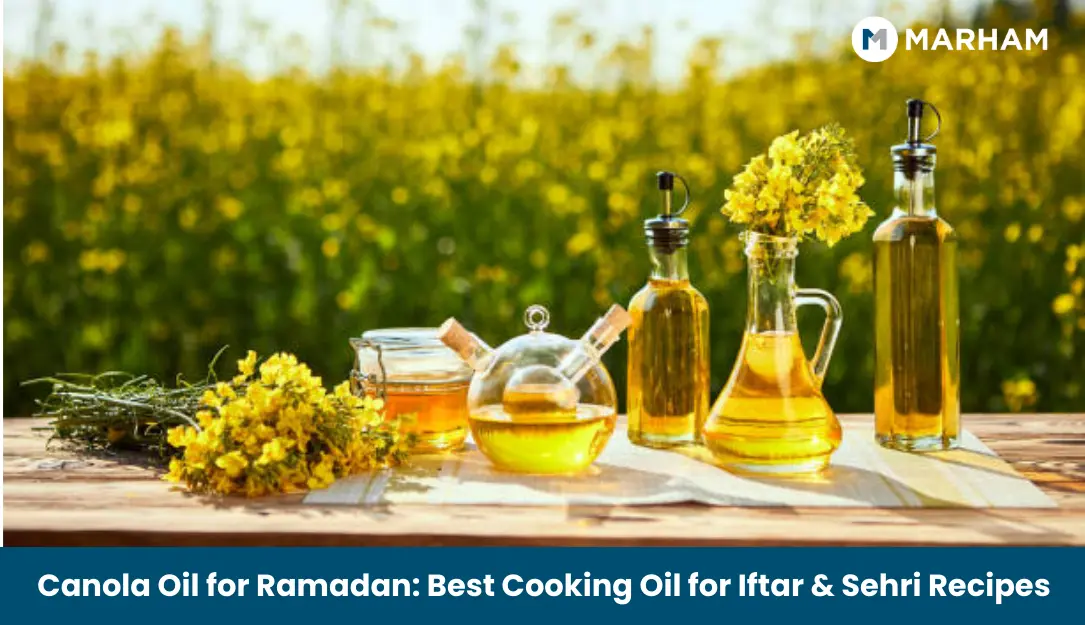
Is your Ramadan kitchen stocked with the right cooking oil this year? With so much frying happening during iftar from samosas to pakoras to jalebis the oil you choose matters more than you think. Canola oil (کینولا آئل / Canola Oil) has quietly become one of the smartest choices for health-conscious Pakistani families. But what is canola oil, exactly? And is canola oil healthy enough to trust with your family’s daily meals, especially during the demanding month of Ramadan?
Let’s break it all down from where canola oil comes from to how it stacks up against your usual cooking oils so you can make an informed decision before your next grocery run.
Canola Oil Nutrition Facts (Per 1 Tablespoon / 14g)
| Nutrient | Amount | % Daily Value |
| Calories | 124 kcal | 6% |
| Total Fat | 14g | 18% |
| Saturated Fat | 1g | 5% |
| Monounsaturated Fat (MUFA) | 8.9g | |
| Polyunsaturated Fat (PUFA) | 3.9g | |
| Omega-3 (ALA) | 1.3g | |
| Omega-6 | 2.6g | |
| Vitamin E | 2.4mg | 16% |
| Vitamin K | 10mcg | 8% |
| Cholesterol | 0mg | 0% |
| Trans Fat | 0g | 0% |
Notable: Canola oil has the lowest saturated fat content of any common cooking oil just 7% and one of the highest plant-based omega-3 levels available.
10 Proven Canola Oil Benefits کینولا آئل کے فوائد
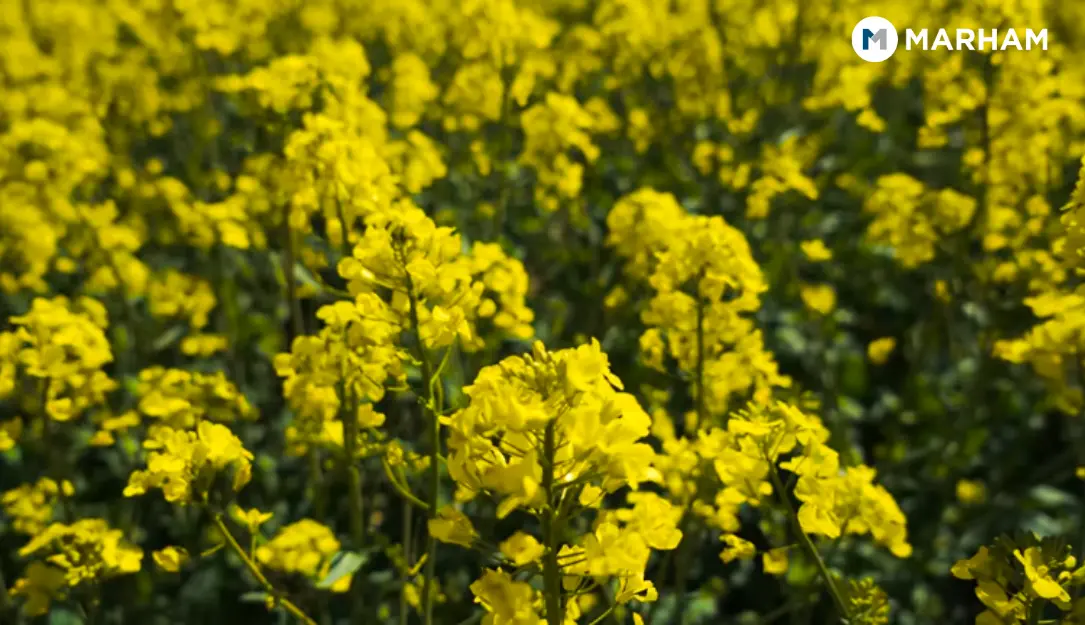
1. Supports a Healthier Heart
One of the most well-researched canola oil benefits is its positive impact on heart health. Canola oil is rich in monounsaturated fats (MUFAs), which studies show can help lower LDL (“bad”) cholesterol while maintaining HDL (“good”) cholesterol. For Pakistani families where heart disease is alarmingly common Pakistan has one of the highest rates of cardiovascular disease in South Asia switching to a heart-friendly oil is a practical step. Research published in the Journal of the American Heart Association indicates that replacing saturated fats with canola oil can reduce cardiovascular risk by up to 10%.
2. Ideal for Ramadan Cooking and Frying
If you’ve ever asked yourself is canola oil good for you when it comes to deep frying, the answer is a confident yes. Canola oil has a high smoke point of around 204°C (400°F), which makes it perfect for frying samosas, pakoras, spring rolls, and all the iftar favorites Pakistani families love. Unlike some oils that break down and release harmful compounds at high heat, canola oil stays stable. This makes it an excellent choice during Ramadan when frying is practically a daily affair.
3. Naturally Low in Saturated Fat
Among all popular cooking oils available in Pakistan from sunflower to corn to vanaspati ghee canola oil stands out with just 7% saturated fat. This matters because high saturated fat intake is directly linked to increased cholesterol levels and heart disease risk. For anyone trying to keep their sehri and iftar meals nutritious without sacrificing taste, canola oil offers that balance beautifully. Your parathas can still be delicious without overloading your arteries.
4. Rich Source of Plant-Based Omega-3
Most Pakistanis don’t get nearly enough omega-3 fatty acids in their diet, especially those who don’t regularly eat fish. Canola oil contains alpha-linolenic acid (ALA), a plant-based omega-3 that supports brain function, reduces inflammation, and benefits joint health. Each tablespoon provides about 1.3 grams of ALA, which is roughly 80% of the daily recommended intake. This makes canola oil particularly valuable for vegetarian households or families that eat fish infrequently.
5. May Help with Weight Management
Is canola oil healthy for weight-conscious individuals? Research suggests it is. The healthy fats in canola oil can promote satiety that feeling of fullness after meals which helps prevent overeating. A study published in Obesity journal found that participants who consumed canola oil-enriched diets showed a reduction in belly fat compared to those consuming other fat blends. During Ramadan, when the temptation to overeat at iftar is real, cooking with canola oil may help you feel satisfied with smaller portions.
6. Supports Better Blood Sugar Control
For the millions of Pakistanis living with or at risk of type 2 diabetes, choosing the right cooking oil is more important than most people realize. Studies indicate that diets rich in monounsaturated fats the kind abundant in canola oil can improve insulin sensitivity and help regulate blood sugar levels. This is especially relevant during Ramadan fasting, when blood sugar management becomes critical for diabetic individuals. Cooking sehri meals with canola oil may support more stable energy levels throughout the fasting hours.
7. Contains Vitamin E for Skin and Immunity
Canola oil is a quiet source of Vitamin E, delivering about 16% of your daily requirement per tablespoon. Vitamin E is a powerful antioxidant that protects cells from damage, supports immune function, and promotes healthy skin. During Ramadan, when dehydration and dietary shifts can dull your skin, the Vitamin E from your cooking oil provides a subtle but meaningful boost. Think of it as skincare that starts from your kitchen.
8. Versatile and Neutral Perfect for Pakistani Cuisine
One reason canola oil works so well in Pakistani cooking is its light, neutral flavor. Unlike olive oil, which has a strong taste that can clash with desi spices, canola oil lets your garam masala, haldi, and mirch shine through without interference. Whether you’re making biryani, nihari, korma, or a simple daal, canola oil blends in seamlessly. It’s also excellent for baking roti, naan, and even cakes come out perfectly when canola oil is used.
9. Anti-Inflammatory Properties
Chronic inflammation is linked to heart disease, diabetes, arthritis, and many other conditions common in Pakistan. The balanced omega-3 to omega-6 ratio in canola oil (approximately 1:2) is considered anti-inflammatory by nutritional standards. Research indicates that regular consumption of canola oil may help reduce inflammatory markers in the body. This benefit becomes especially noticeable when you replace oils with poor omega ratios like corn or soybean oil with canola oil in your everyday cooking.
10. Cholesterol-Free and Trans Fat-Free
Canola oil is naturally free of both cholesterol and trans fats, two of the biggest dietary culprits behind heart disease. For Pakistani households that may still be using vanaspati ghee or partially hydrogenated oils, switching to canola oil is one of the simplest upgrades for family health. No trans fats means no artificial damage to your blood vessels. Zero cholesterol means it’s safe even for those already managing high cholesterol levels through diet.
Canola Oil Benefits in Urdu | کینولا آئل کے فوائد
کینولا آئل ایک صحت مند کھانا پکانے کا تیل ہے جو دل کی صحت کے لیے بہترین مانا جاتا ہے۔ اس میں سیچوریٹڈ فیٹ سب سے کم ہوتی ہے جو اسے دوسرے تیلوں سے ممتاز بناتی ہے۔ کینولا آئل میں اومیگا تھری فیٹی ایسڈز پائے جاتے ہیں جو دماغ اور جوڑوں کی صحت کے لیے فائدہ مند ہیں۔ رمضان میں افطاری کے پکوانوں کے لیے یہ تیل بہترین ہے کیونکہ اس کا سموک پوائنٹ بہت زیادہ ہوتا ہے اور تلنے پر یہ نقصان دہ مادے نہیں بناتا۔ وزن کم کرنے والوں کے لیے بھی یہ اچھا انتخاب ہے کیونکہ یہ پیٹ بھرنے کا احساس دیتا ہے۔ شوگر کے مریضوں کے لیے یہ تیل خون میں شکر کی سطح کو بہتر بنانے میں مدد کرتا ہے۔ اس میں وٹامن ای بھی ہوتا ہے جو جلد اور قوت مدافعت کے لیے ضروری ہے۔ کینولا آئل کولیسٹرول اور ٹرانس فیٹ سے بالکل پاک ہوتا ہے جو اسے پاکستانی خاندانوں کے لیے ایک محفوظ اور سمجھدارانہ انتخاب بناتا ہے۔ اگر آپ اپنے کچن کے تیل کو تبدیل کرنا چاہتے ہیں تو کینولا آئل ایک عمدہ آپشن ہے۔
Canola Oil Uses in Ramadan رمضان میں کینولا آئل کا استعمال
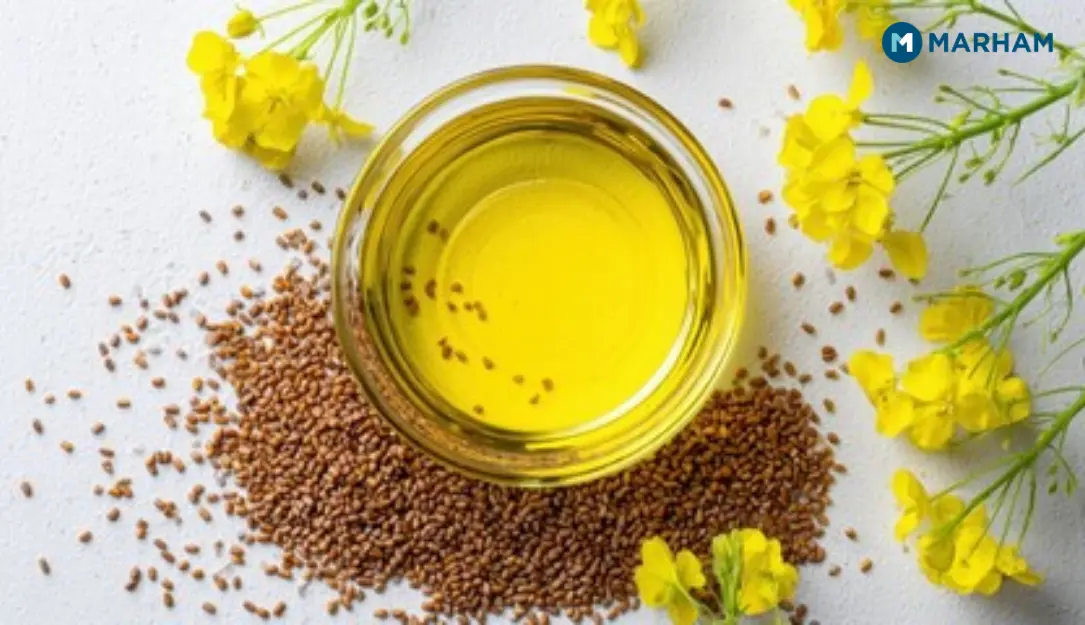
Ramadan in Pakistan means one thing in the kitchen your cooking oil is working overtime. From sehri parathas at 4 AM to an iftar spread loaded with fried delights, the oil you choose impacts not just taste but how your body handles a full month of fasting. Canola oil is built for Ramadan cooking here’s exactly how to use it across your favorite recipes.
Crispy Iftar Samosas and Spring Rolls
Every Pakistani iftar table has samosas it’s practically farz. Heat canola oil to about 175°C (350°F) for deep frying and you’ll notice the difference immediately. Samosas come out golden and crispy on the outside, not greasy or soggy like they sometimes do with heavier oils. The same goes for spring rolls, aloo kay kebab, and chicken rolls. Because canola oil has a high smoke point of 204°C, it stays stable throughout the frying process and doesn’t produce that burnt, acrid smell that fills the kitchen when lesser oils overheat. Pro tip: don’t overcrowd the karahi fry in small batches for the crispiest results.
Pakoras That Don’t Weigh You Down
Pakoras are the soul of Pakistani iftar besan mixed with pyaz, mirch, and dhaniya, dropped into sizzling hot oil. When you fry pakoras in canola oil, they absorb significantly less oil compared to vanaspati ghee or regular vegetable oil because canola oil’s light consistency doesn’t cling to food the way heavier oils do. This means your aloo pakoras, palak pakoras, and chicken pakoras taste just as crispy but feel lighter in your stomach a real blessing when you’re breaking a 15-hour fast and don’t want to feel bloated before Maghrib prayers.
Dahi Baray The Ramadan Classic
Dahi baray (dahi vada) is an iftar staple that demands perfectly fried, fluffy baray. The trick is frying them in canola oil at a medium-low temperature so they cook through evenly without browning too fast on the outside. Canola oil’s neutral flavor is perfect here it doesn’t compete with the tangy yogurt, sweet imli chutney, and chaat masala that make dahi baray so addictive. Once fried, soak them in warm water, squeeze gently, and drown them in chilled dahi. Ramadan perfection.
Sehri Parathas and Anda Paratha
Sehri is all about energy that lasts through the entire fast, and nothing beats a hot paratha with chai at 4 AM. Use canola oil instead of ghee to make your aloo paratha, mooli paratha, or plain paratha you’ll get the same flaky, layered texture with far less saturated fat. For anda paratha, cook the egg in a thin layer of canola oil and wrap it in the paratha. The omega-3 fatty acids in canola oil paired with the protein from the egg give you sustained energy that helps you get through those long Ramadan fasting hours without crashing by Zuhr.
Fruit Chaat and Chana Chaat Dressing
Not everything at iftar needs to be fried. Fruit chaat and chana chaat are Ramadan favorites that benefit from a light canola oil-based dressing. Mix a tablespoon of canola oil with lemon juice, black salt, chaat masala, and a pinch of red chilli powder for a tangy, heart-healthy dressing. Toss it with your chopped fruits, boiled chickpeas, or aloo chana chaat. It adds a subtle richness and helps your body absorb fat-soluble vitamins from the fruits.
Ramadan Biryani and Chicken Karahi
Weekend iftars in Pakistan often mean biryani or chicken karahi for the family. Canola oil works beautifully as the base oil for both. For biryani, use canola oil to fry the onions (barista) until deep golden the neutral flavor lets the saffron, whole spices, and dum cooking aroma shine through. For chicken karahi, start your tomato-based masala in canola oil and you’ll get the same restaurant-style taste without the heaviness of vanaspati ghee or excessive desi ghee. Your family gets the flavors they love with a healthier fat profile they need.
Jalebis and Meethi Dishes
Ramadan without jalebis? Impossible. The secret to perfect jalebis is frying them in clean, hot oil and canola oil is ideal. Its high smoke point keeps the oil stable for the repeated batches you’ll be making, and the neutral taste means your jalebis taste purely of sugar syrup and saffron, not oily residue. Use canola oil for other Ramadan sweets too sheer khurma can be started with a light sauté of vermicelli in canola oil before adding milk, and gulab jamun fry up perfectly round and evenly browned.
How to Use Canola Oil in Pakistani Cooking
In Everyday Cooking
Canola oil is one of the most versatile cooking oils available in Pakistan. Its neutral taste makes it perfect for tadka (tempering) in daal, tarka in channay, and as a base oil for curries like aloo gosht, bhindi masala, and palak paneer. For biryani lovers, canola oil works beautifully in the rice layering process and gives the same richness without the heaviness of ghee.
In Baking
Canola oil is an excellent substitute in baking recipes that call for butter or margarine. Use it in cakes, muffins, and homemade naan for a lighter texture. It works well in making parathas too your roti stays soft without absorbing excess fat.
For Salad Dressings and Marinades
Because canola oil doesn’t have a strong flavor, it’s ideal for salad dressings, raita bases, and marinades. Mix it with lemon juice, salt, and chaat masala for a quick Pakistani-style salad dressing. It’s also great for marinating chicken for tikka or seekh kebabs the oil helps the spices coat the meat evenly and keeps the texture moist during grilling.
How Much Canola Oil Should You Use Daily?
The American Heart Association recommends that total fat intake should make up 25-35% of daily calories, with most coming from unsaturated sources like canola oil. For a typical adult, this translates to roughly 2-3 tablespoons of canola oil per day across all meals.
Start with replacing one cooking oil in your kitchen your frying oil with canola oil and observe how your food tastes and how you feel. Gradually, you can transition to using canola oil for most of your cooking. During Ramadan, since frying frequency increases, be mindful not to reuse the same batch of oil more than 2-3 times, even with canola oil. Fresh oil ensures maximum nutritional benefit and better taste.
What Is Canola Oil and Where Does It Come From?
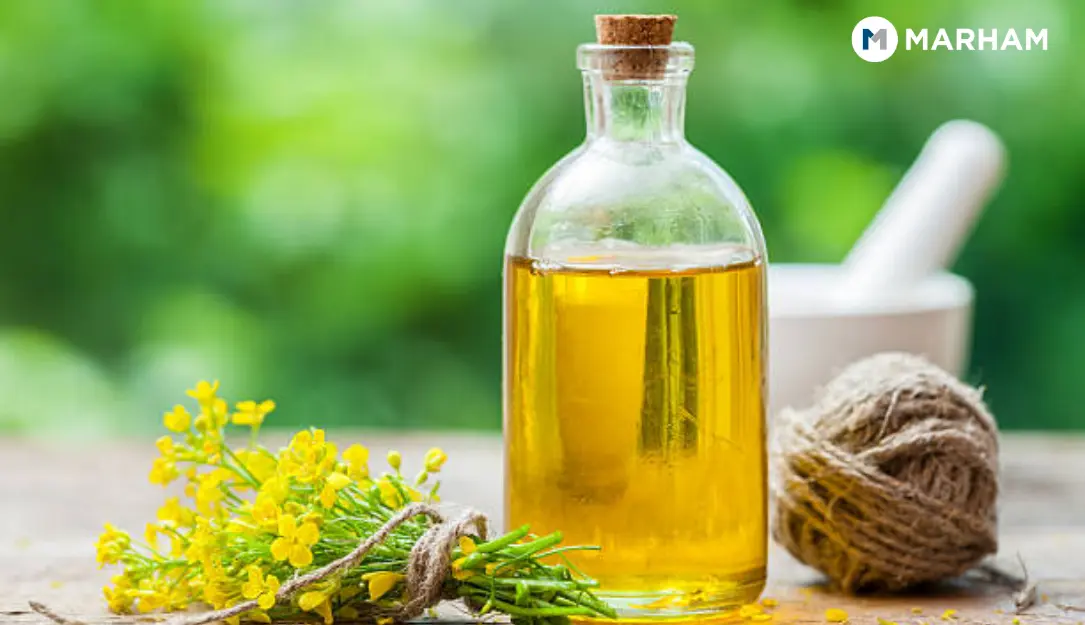
For those wondering what is canola oil and how is canola oil made, here’s the story. Canola oil is extracted from the seeds of the canola plant, which is a specially bred variety of rapeseed developed in Canada in the 1970s. The name “canola” actually comes from “Canadian Oil, Low Acid.” The seeds are cleaned, heated, and pressed to extract the oil, which is then refined and bottled.
Where does canola oil come from in the global market? Canada remains the largest producer, followed by China, India, and parts of Europe. In Pakistan, canola oil is primarily imported, though some local cultivation has been increasing in Punjab and KPK regions. Canola oil is now widely available in Pakistani grocery stores and online platforms, making it easy to find at a reasonable canola oil price in Pakistan.
Canola Oil Price in Pakistan
The canola oil price in Pakistan varies by packaging size and quality:
Canola oil is generally available in the PKR 600-900 range per liter, with larger 3-5 liter containers offering better value. Prices can fluctuate based on import costs and seasonal demand particularly around Ramadan when cooking oil consumption spikes across Pakistan. You can find canola oil at most major grocery stores as well as online platforms across the country.
Canola Oil Side Effects and Precautions
While canola oil is generally recognized as safe and healthy for most people, there are a few things to keep in mind.
Allergic Reactions: Canola oil allergy is extremely rare, but individuals with sensitivity to rapeseed or mustard family plants should exercise caution. If you notice any skin rash, swelling, or digestive discomfort after switching to canola oil, discontinue use and consult a doctor.
Overconsumption: Like any oil, canola oil is calorie-dense. Consuming too much can contribute to weight gain regardless of how healthy the fat profile is. Stick to recommended amounts, especially during Ramadan when multiple fried dishes are common at iftar.
Processing Concerns: Some health advocates raise concerns about the refining process of canola oil. If this concerns you, look for cold-pressed or expeller-pressed varieties, which undergo less processing. These may be slightly more expensive but are available in Pakistan.
Drug Interactions: If you’re on blood-thinning medications, the Vitamin K content in canola oil while small is worth mentioning to your doctor.
Children: Canola oil is safe for children and is actually recommended by many pediatricians due to its balanced fat profile. It can be introduced in cooking once a child begins eating solid foods.
Book a Nutritionist on Marham
Confused about which cooking oil is right for your family’s health needs especially if someone has diabetes, heart disease, or cholesterol concerns? A qualified nutritionist can create a personalized dietary plan that works with your lifestyle and budget.
Book a consultation with a top nutritionist through Marham today and get expert advice on making your Ramadan meals both delicious and healthy. Call 0311-1222398 or visit Marham.pk to book your appointment.
Conclusion
Canola oil deserves a spot in every Pakistani kitchen and Ramadan is the perfect time to make the switch. With the lowest saturated fat of any cooking oil, a rich omega-3 profile, zero cholesterol, and a high smoke point built for desi-style frying, canola oil checks every box for health-conscious families. Whether you’re preparing sehri parathas, iftar samosas, or a Sunday biryani, this oil supports your family’s heart health without compromising on taste.
Start by replacing your current frying oil with canola oil this Ramadan and notice the difference. As always, moderation is key and if you have specific health conditions, consult a healthcare professional or nutritionist through Marham to get personalized guidance tailored to your needs.
