



Let’s be honest. Most of us have had that one Ramadan day where we either skipped sehri completely or just had a glass of water and went back to sleep. And then by Zuhr, we’re dizzy, cranky, and counting down every minute until iftar. The truth is, sehri is not just a meal. It’s what keeps your body running for the next 15 or so hours. And the foods you pick at 4 AM can make or break your entire fast.
If you’ve been wondering what to eat in sehri that actually keeps you full and gives you energy without making you feel bloated or thirsty, this guide is for you. We’ve put together a list of the best sehri foods for energy that are practical, easy to prepare, and perfect for Pakistani households. No fancy superfoods. Just real desi food that works.
What Gives Your Body Lasting Energy During a Fast?
Before we get into specific sehri foods, it helps to understand what actually gives your body lasting energy during a fast. Your sehri plate should have three things working together:
Complex Carbohydrates release sugar into your blood slowly instead of all at once. This means you don’t crash by 10 AM. Foods like whole wheat paratha, oats, and brown bread fall into this category.
Protein takes longer to digest than carbs, which keeps hunger away for hours. Eggs, yogurt, chicken, chickpeas, and lentils are your best options at sehri.
Healthy Fats from foods like nuts, seeds, and peanut butter give you concentrated energy that lasts. A small handful of almonds at sehri can make a noticeable difference in how you feel by afternoon.
When you combine all three in one meal, your body gets a steady supply of energy instead of a quick spike followed by a crash. That’s the secret to a good sehri.
10 Best Sehri Foods for Energy During Ramadan
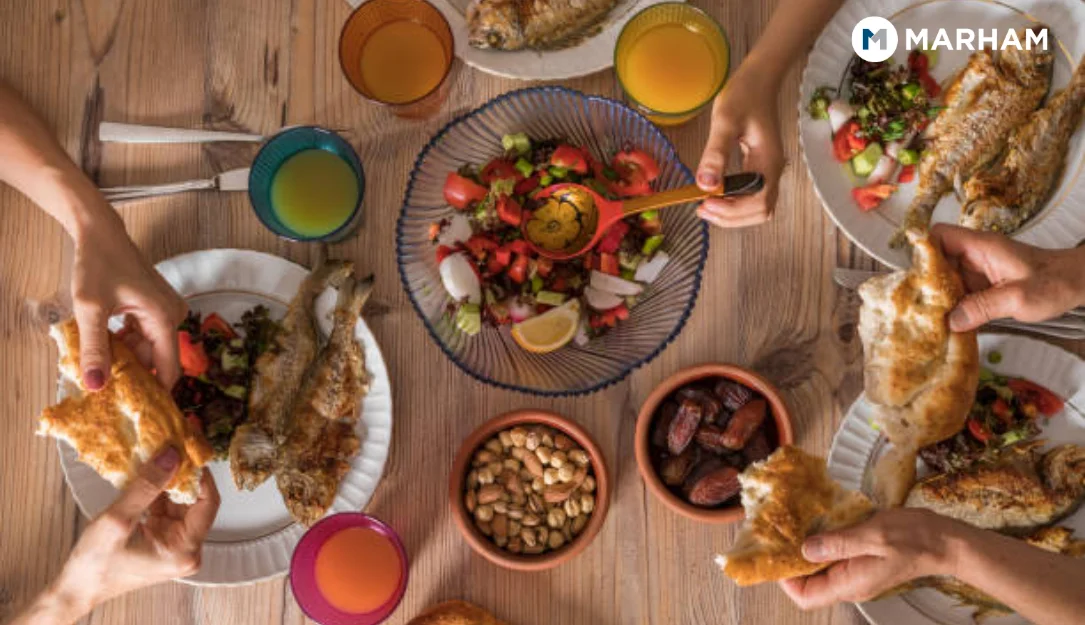
1. Eggs (Anda / انڈے)
There’s a reason anda paratha is the king of Pakistani sehri. Eggs are loaded with protein, healthy fats, and essential vitamins that keep you full for hours. One large egg gives you about 6 grams of protein and takes much longer to digest than a plain roti or bread slice.
The best part? Eggs are incredibly versatile at sehri time. You can make a quick omelette with pyaz and hari mirch, scramble them with tomatoes for a desi-style bhurji, boil them the night before for a zero-effort morning, or stuff them inside a paratha for anda paratha. Whether you have 5 minutes or 20, eggs fit into any sehri routine. They also contain choline, which supports brain function, something you’ll appreciate when you need to stay focused at work while fasting.
2. Yogurt and Lassi (دہی / لسی)
Dahi is one of the most underrated sehri foods in Pakistan. It’s cooling, hydrating, and packed with probiotics that keep your digestive system happy during Ramadan. A bowl of yogurt at sehri helps prevent the bloating and acidity that many people experience during fasting.
You can have plain yogurt with a pinch of salt and cumin, mix it into a sweet or salty lassi, or pair it with parathas as a side. Lassi is especially smart at sehri because it hydrates you while also providing protein and calcium. If you find plain lassi boring, blend in a banana or some strawberries for a filling smoothie-style drink. The probiotics in yogurt also improve gut health, which tends to suffer during Ramadan due to changed eating schedules.
3. Oats and Daliya (جئی / دلیہ)
Daliya (porridge) has been a Ramadan sehri staple in Pakistani homes for generations, and for good reason. Oats and daliya are complex carbohydrates that release energy slowly throughout the day. Unlike white bread or sugary cereals that give you a quick burst and then leave you crashing, oats keep your blood sugar stable for hours.
Cook oats with milk instead of water for extra protein and calories. Add a chopped banana, a few dates, and a sprinkle of almonds on top, and you’ve got a sehri meal that takes 5 minutes to prepare but keeps you going until Asr. If you prefer the desi route, daliya cooked with a little salt and butter is just as effective. This is one of the best sehri foods for energy if you’re someone who doesn’t like heavy meals early in the morning.
4. Paratha with Filling (بھرا پراٹھا)
No Pakistani sehri list is complete without paratha. But here’s the thing: a plain paratha with chai alone won’t keep you energized for 15 hours. The magic happens when you add a protein-rich filling.
Aloo paratha gives you carbs and potassium. Qeema paratha adds a solid dose of protein from minced meat. Mooli paratha is lighter on the stomach and keeps you hydrated because of the water content in radish. And of course, anda paratha combines the best of both worlds, giving you protein from the egg and complex carbs from whole wheat flour.
The trick is to use whole wheat atta and cook your paratha with just enough oil or ghee to crisp it up without making it greasy. Pair it with a side of yogurt or achaar, and you have the ultimate desi sehri that your body will thank you for all day long.
5. Dates (کھجور)
The Sunnah of eating dates at sehri isn’t just spiritual. It’s scientifically smart. Dates are one of nature’s most concentrated energy sources. They’re packed with natural sugars (glucose and fructose) that give you instant energy, while their fiber content ensures that energy release is sustained, not sudden.
Two to three dates at sehri provide potassium (which prevents muscle cramps during fasting), magnesium (which fights fatigue), and iron. They’re also easy on the stomach if you’re someone who can’t handle a heavy meal at 4 AM. Pair dates with a glass of milk or a handful of nuts for a light but powerful sehri. Many Pakistani families keep khajoor stocked throughout Ramadan, and honestly, it’s one of the simplest and most effective sehri foods you can eat.
6. Bananas (کیلا)
If there’s one fruit you should always have at sehri, it’s banana. Bananas are rich in potassium, which helps your body retain water and reduces the risk of dehydration during long fasting hours. They also contain natural sugars and fiber that provide a quick but lasting energy boost.
A banana at sehri takes zero preparation, which is perfect for those mornings when you barely have time to open your eyes. You can eat it plain, slice it into your oats or yogurt, blend it into a lassi or smoothie, or mash it onto a toast with peanut butter. Bananas also contain tryptophan, which the body converts to serotonin, so they can help keep your mood stable during those long afternoon hours when the fast starts to feel heavy.
7. Chickpeas and Chana (چنے)
Channay at sehri? Absolutely. Chickpeas are a powerhouse of plant-based protein and fiber. They have a low glycemic index, which means they release energy slowly and keep your blood sugar stable for hours after eating. This is especially important for people who are managing diabetes during Ramadan.
Boiled chana with a squeeze of lemon, chopped onion, tomato, and chaat masala makes a quick, filling sehri that doesn’t require much cooking. You can also have chole with paratha for a more traditional Pakistani sehri. Some families prepare chana chaat the night before and just pull it out of the fridge at sehri time. It’s high in protein, high in fiber, and keeps you full without making you feel heavy or thirsty. If you want variety, try white chickpeas one day and kala chana (black chickpeas) the next.
8. Peanut Butter on Whole Wheat Toast (مونگ پھلی کا مکھن)
This one might sound a little non-traditional for Pakistani sehri, but hear us out. Peanut butter on whole wheat bread is one of the most efficient sehri meals you can have. Two tablespoons of peanut butter give you about 8 grams of protein and 16 grams of healthy fats. Combined with the complex carbs from whole wheat bread, this combo gives your body fuel that lasts well into the afternoon.
It takes less than 2 minutes to prepare, requires no cooking, and you can eat it even when your appetite is low at 4 AM. Add sliced bananas on top for extra potassium and natural sweetness. Peanut butter is now widely available in Pakistani grocery stores and is a budget-friendly way to add healthy fats and protein to your sehri without cooking an elaborate meal.
9. Milk and Dry Fruits (دودھ اور میوہ جات)
A warm glass of milk with crushed almonds, walnuts, and a couple of dates blended in is something our grandmothers have been recommending at sehri for decades. And the science backs it up completely. Milk provides protein, calcium, and hydration. Dry fruits add healthy fats, fiber, and micronutrients like Vitamin E, magnesium, and zinc.
Almonds are especially good because they’re high in fiber and protein, which slows digestion and keeps hunger away. Walnuts provide omega-3 fatty acids that support brain function during fasting hours. You can drink warm milk with a few soaked almonds, or if you have time, make a quick khajoor and badam shake by blending dates, almonds, and milk together. It’s filling, it’s nutritious, and it feels like a treat rather than a chore at 4 AM.
10. Pheniyan (سویاں / پھینیاں)
Pheniyan (vermicelli cooked in milk) is a Ramadan classic in almost every Pakistani household. There’s a reason this dish has survived generations as a sehri staple. Pheniyan are light on the stomach, easy to digest, and provide a good mix of carbs and dairy-based protein from the milk they’re cooked in.
To make your pheniyan more energy-sustaining, cook them in full-fat milk, add a handful of chopped almonds and pistachios, and sweeten with a couple of dates instead of excessive sugar. Some families also add a pinch of elaichi (cardamom) for flavor. Pheniyan are comfort food at sehri. They go down easily even when you’re half asleep, and they provide enough energy to get you through the morning without feeling heavy. You can prepare the base the night before and just warm it up at sehri time.
Sehri Foods for Energy in Urdu | سحری میں کیا کھائیں
سحری رمضان کا سب سے اہم کھانا ہے جو پورے دن آپ کے جسم کو توانائی فراہم کرتا ہے۔ انڈے پروٹین سے بھرپور ہوتے ہیں اور آپ کو گھنٹوں تک بھرا ہوا محسوس کراتے ہیں۔ دہی اور لسی جسم کو ہائیڈریٹ رکھتی ہے اور ہاضمے کو بہتر بناتی ہے۔ دلیہ اور جئی آہستہ آہستہ توانائی فراہم کرتے ہیں جس سے خون میں شوگر کی سطح مستحکم رہتی ہے۔ کھجور قدرتی شکر اور فائبر سے بھرپور ہوتی ہیں جو فوری اور دیرپا توانائی دیتی ہیں۔ کیلا پوٹاشیم سے بھرپور ہے جو پانی کی کمی کو روکتا ہے۔ چنے پروٹین اور فائبر کا بہترین ذریعہ ہیں جو بلڈ شوگر کو کنٹرول رکھتے ہیں۔ دودھ میں بادام اور اخروٹ ملا کر پینا سحری کا بہترین مشروب ہے۔ پھینیاں دودھ میں پکی ہوئی پاکستانی سحری کی روایتی ڈش ہے جو ہلکی اور توانائی بخش ہوتی ہے۔ سحری میں ہمیشہ پروٹین، پیچیدہ کاربوہائیڈریٹس اور صحت مند چکنائی کو شامل کریں تاکہ روزے میں کمزوری محسوس نہ ہو۔
What to Avoid at Sehri
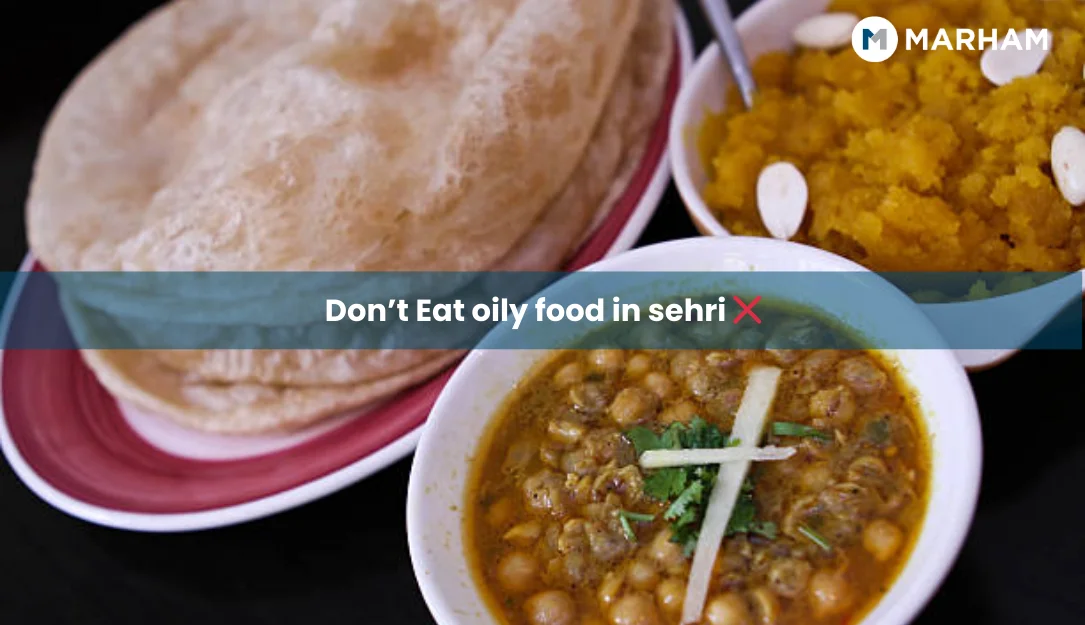
Knowing what NOT to eat at sehri is just as important as knowing what to eat. Some common sehri mistakes Pakistani families make include:
Too much chai and too little food. Yes, chai is life. But drinking 2-3 cups of chai at sehri without eating a proper meal is a recipe for disaster. Caffeine is a diuretic, which means it makes you urinate more and lose water faster. One cup is fine, but don’t let chai replace your actual meal.
Excessively salty foods. Achaar, nimko, and very salty parathas at sehri will make you extremely thirsty by mid-morning. Keep salt moderate and focus on naturally flavored foods instead.
Fried and greasy items. Pakoras and samosas belong at iftar, not sehri. Heavy fried food at sehri slows digestion, causes acidity, and makes you sluggish rather than energized. Save the oil for iftar and keep sehri clean and light.
Sugary cereals and white bread. These spike your blood sugar quickly and then crash it just as fast. Within 2-3 hours of your fast, you’ll feel hungry again. Always choose whole grains over refined options.
Skipping water. Many people eat food but forget to drink enough water between iftar and sehri. Aim for at least 2-3 glasses of water at sehri time, sipped slowly rather than gulped down all at once.
Sehri Meal Plan for the Week
Eating the same thing every sehri gets boring fast, and boredom leads to skipping the meal entirely. Here’s a simple 7-day sehri plan using the foods we’ve covered:
Monday: Anda paratha + yogurt + 2 dates
Tuesday: Oats with banana, almonds and honey + glass of milk
Wednesday: Chole with roti + lassi
Thursday: Peanut butter toast with sliced banana + warm milk
Friday: Qeema paratha + dahi + dates
Saturday: Pheniyan with dry fruits + boiled egg
Sunday: Daliya with milk + banana + almonds
Every meal on this plan includes a source of protein, complex carbs, and healthy fats. You can mix and match based on what’s available in your kitchen, but the goal is to never have sehri that’s only chai and bread.
Best Sehri Foods for Diabetics During Ramadan
For people managing diabetes during Ramadan, sehri becomes even more critical. The wrong food choices can cause dangerous blood sugar drops during the fast or spikes after eating. Here are some sehri tips specifically for diabetic rozedaars:
Stick to low glycemic index (GI) foods like oats, whole wheat roti, chickpeas, and lentils. These release sugar slowly and prevent sudden spikes. Avoid white bread, sugary pheniyan, and anything made with maida (refined flour) as these cause rapid blood sugar increases followed by crashes.
Always include protein at sehri. Eggs, yogurt, and chicken are excellent choices that slow down carbohydrate absorption. Keep portions moderate and avoid overeating even healthy foods, because large meals can still disrupt blood sugar levels.
Monitor your blood sugar during Ramadan and consult your doctor about adjusting medication timings. If you feel dizzy, excessively weak, or shaky during the fast, break your fast immediately and seek medical advice.
How to Stay Hydrated During Ramadan

Eating the right sehri foods is only half the battle. Staying hydrated is equally important, especially during Pakistani summers when Ramadan fasts can stretch beyond 15 hours.
Drink water gradually between iftar and sehri rather than trying to drink a liter all at once at sehri time. Gulping large amounts of water quickly just makes you run to the bathroom and doesn’t actually hydrate your cells properly.
Eat hydrating foods at sehri. Yogurt, lassi, watermelon, cucumber, and milk all have high water content that helps maintain hydration throughout the day. Avoid excessive caffeine from chai and coffee as these increase water loss through urination.
Coconut water is an excellent sehri drink option if available. It’s rich in electrolytes that help your body retain water. One glass of coconut water at sehri can noticeably reduce how thirsty you feel during the afternoon hours of fasting.
Sehri Foods Comparison: What Works Best?
| Food | Protein | Energy Duration | Prep Time | Best For |
| Eggs (boiled/omelette) | High | 5-6 hours | 5-10 min | Muscle maintenance, fullness |
| Oats/Daliya | Medium | 6-7 hours | 5 min | Slow energy release, digestion |
| Paratha (stuffed) | Medium-High | 5-7 hours | 15-20 min | Sustained energy, traditional taste |
| Yogurt/Lassi | Medium | 4-5 hours | 2 min | Hydration, gut health |
| Dates + Nuts | Medium | 4-5 hours | 0 min | Quick energy, no cooking needed |
| Chickpeas/Chana | High | 6-8 hours | 10 min | Blood sugar control, fiber |
| Peanut Butter Toast | High | 5-6 hours | 2 min | Quick, no cooking, budget-friendly |
| Pheniyan | Low-Medium | 4-5 hours | 10 min | Light stomach, comfort food |
Consult a Nutritionist on Marham
Every body is different, and what works for one person at sehri might not work for another. If you have diabetes, heart disease, kidney issues, or any chronic condition, your sehri needs to be planned carefully to avoid health complications during Ramadan.
A qualified nutritionist can create a personalized sehri and iftar meal plan based on your specific health needs, medications, and daily routine. Book a consultation with a top nutritionist through Marham and fast with confidence this Ramadan. Call 0311-1222398 or visit Marham.pk to book your appointment.
Conclusion
The best sehri foods for energy are the ones that combine protein, complex carbs, and healthy fats in one plate. You don’t need expensive superfoods or complicated recipes. Simple Pakistani staples like eggs, yogurt, oats, dates, parathas, and chickpeas can power you through an entire Ramadan fast when you eat them smartly.
Start making small changes this Ramadan. Replace your sugary chai-and-bread sehri with an egg paratha and a glass of lassi. Add a banana and a few dates. Drink enough water. These small upgrades add up to a massive difference in how you feel during the day.
And if you have any health concerns or need a personalized diet plan for Ramadan, don’t hesitate to consult a nutritionist through Marham. Your health is worth that extra attention, especially during the most physically demanding month of the year.
