


Watermelon is one of the most beloved fruits across Pakistan, and for very good reason. Whether you are beating the scorching Karachi heat or enjoying a family gathering in Lahore, a cold slice of watermelon feels like instant relief. But the benefits of watermelon go far beyond just cooling you down — this bright red fruit is packed with nutrients that support your heart, kidneys, skin, and immune system.
Watermelon is approximately 92% water, making it one of the most hydrating foods available. It is naturally low in calories yet rich in vitamins A, C, and B6, along with powerful antioxidants like lycopene and citrulline. For Pakistani adults and children alike, adding watermelon to your daily diet during the summer months is one of the simplest ways to boost overall health.
تربوز کے فوائد: اہم نکات
تربوز پاکستان میں گرمیوں کا سب سے مقبول پھل ہے جو صحت کے لیے انتہائی مفید ہے۔ اس میں لائکوپین، وٹامن سی اور سٹرولین جیسے طاقتور اجزاء پائے جاتے ہیں جو دل، گردوں اور جلد کو صحت مند رکھتے ہیں۔ تربوز جسم میں پانی کی کمی کو پورا کرتا ہے اور بلڈ پریشر کو کنٹرول کرنے میں مدد دیتا ہے۔ روزانہ تربوز کھانے سے قوتِ مدافعت بھی بڑھتی ہے اور وزن قابو میں رہتا ہے۔ اگر آپ کو کوئی دائمی بیماری ہے تو ڈاکٹر سے مشورہ ضرور کریں۔
Key Takeaways
- Watermelon is 92% water, making it the ideal hydration fruit for Pakistan’s hot climate.
- Lycopene in watermelon is a powerful antioxidant linked to reduced risk of heart disease and certain cancers.
- The amino acid citrulline in watermelon helps lower blood pressure naturally.
- Watermelon is low in calories (around 30 kcal per 100g), making it excellent for weight management.
- Vitamins A and C in watermelon support skin health, immunity, and eye function.
- People with diabetes should consume watermelon in moderation due to its natural sugar content.
Hydration and Heat Relief in Pakistan’s Climate
Staying hydrated is a serious health challenge in Pakistan, especially during peak summer months when temperatures in Sindh and Punjab regularly exceed 40°C. Dehydration can cause headaches, fatigue, kidney stress, and in severe cases, heatstroke.
Because watermelon is 92% water, eating just two cups provides a significant boost to your daily fluid intake. Unlike sugary cold drinks and packaged juices that are popular in Pakistani households, watermelon hydrates without loading your body with artificial additives. It also contains electrolytes like potassium and magnesium, which help maintain fluid balance in your cells. This makes watermelon a far smarter choice than a chilled soda on a hot afternoon. If you are concerned about kidney disease or dehydration-related complications, speak to a specialist early.
Heart Health Benefits of Watermelon
Heart disease is one of the leading causes of death in Pakistan, and diet plays a central role in prevention. Watermelon contains lycopene, a red-pigment antioxidant that studies associate with lower levels of LDL (bad) cholesterol and reduced arterial inflammation [Source: NIH, 2022].
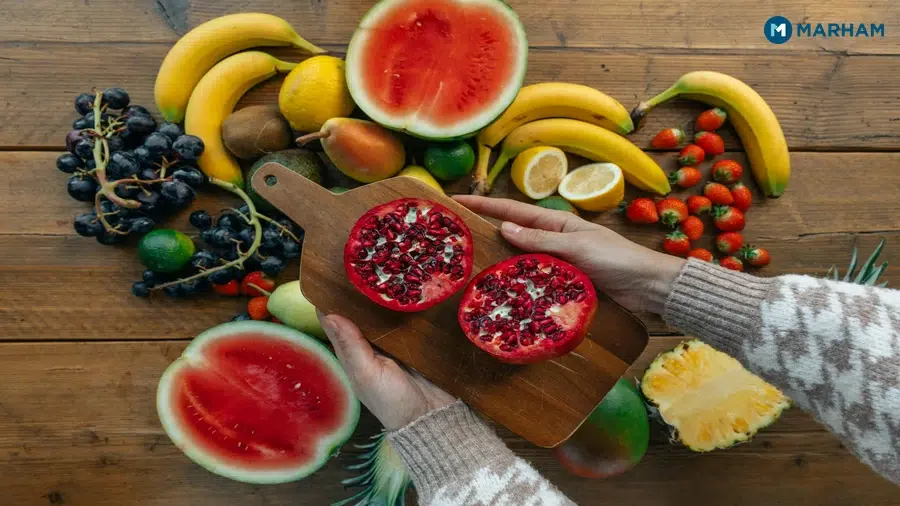
In addition, watermelon is rich in citrulline, an amino acid that the body converts into arginine. Arginine helps relax and widen blood vessels, which can reduce blood pressure — a major risk factor for hypertension and stroke. For Pakistani adults who consume a high-sodium diet rich in pickles, papadums, and salty curries, adding watermelon as a daily snack can offer meaningful cardiovascular support. Consult a cardiologist if you have existing heart concerns.
Watermelon for Weight Management
Many Pakistanis struggle with weight gain due to calorie-dense desi foods like biryani, halwa, and fried snacks. Watermelon is a smart addition to a weight-conscious diet because it is naturally low in calories while being highly filling due to its water and fibre content.
| Nutrient | Per 100g of Watermelon |
|---|---|
| Calories | ~30 kcal |
| Water | 92% |
| Carbohydrates | 7.6g |
| Fibre | 0.4g |
| Vitamin C | 8.1mg |
| Lycopene | 4.5mg |
Replacing an evening snack of biscuits or chips with a bowl of fresh watermelon can save hundreds of calories over a week. A nutritionist can help you build a balanced meal plan that includes seasonal fruits like watermelon.
Skin, Immunity, and Eye Health
The benefits of watermelon extend clearly to your skin and immune system. Vitamin C in watermelon helps the body produce collagen, the protein responsible for firm, youthful skin — a concern for many Pakistani women and men exposed to intense UV radiation year-round.
Vitamin A supports eye health and helps prevent night blindness, which remains a concern in some rural Pakistani communities with limited dietary diversity. Meanwhile, vitamin B6 plays a role in immune function and mood regulation, complementing the mental wellness benefits of a nutritious diet.

Lycopene also acts as a natural sunscreen from within, offering partial protection against UV-induced skin damage — a real advantage in Pakistan’s sun-heavy climate.
Frequently Asked Questions
What are the main benefits of watermelon for Pakistani people?
The benefits of watermelon for Pakistanis include superior hydration in hot weather, heart protection through lycopene and citrulline, weight management support, and improved skin and immune health. It is a locally available, affordable, and nutrient-dense fruit ideal for all age groups.
Can people with diabetes eat watermelon?
People with diabetes can eat watermelon but should do so in moderation. Watermelon has a high glycaemic index but a low glycaemic load per standard serving, meaning small portions are generally safe. Always consult your doctor or visit a diabetes specialist for personalised dietary advice.
Is watermelon good for the kidneys?
Yes, watermelon supports kidney health by promoting hydration and helping flush toxins through increased urine production. However, people with advanced kidney disease should limit potassium-rich foods, so medical guidance is important.

How much watermelon should I eat per day?
Most healthy adults can safely eat two to three cups of watermelon per day. This amount provides meaningful nutrients without excessive sugar intake. Those with blood sugar concerns or kidney issues should consult a specialist for tailored guidance.
Does watermelon help with blood pressure?
Yes, the citrulline and potassium in watermelon both contribute to lower blood pressure. Citrulline converts to arginine, which relaxes blood vessels, while potassium counteracts the blood-pressure-raising effects of sodium commonly found in Pakistani diets.
Conclusion
The benefits of watermelon make it one of the most valuable fruits you can eat, especially in Pakistan’s hot and demanding climate. From keeping you hydrated and supporting your heart, to boosting your skin, immunity, and weight management goals, this affordable summer fruit delivers impressive health value with every bite.
Make watermelon a regular part of your diet this season. If you have a chronic condition like diabetes, hypertension, or kidney disease, always get personalised advice before making major dietary changes. Book an appointment with a trusted specialist through Marham and take a proactive step towards better health today.