
Author: Sameed Chaudhary

Healthcare Content Writer | Medical & Medicine Information Writer

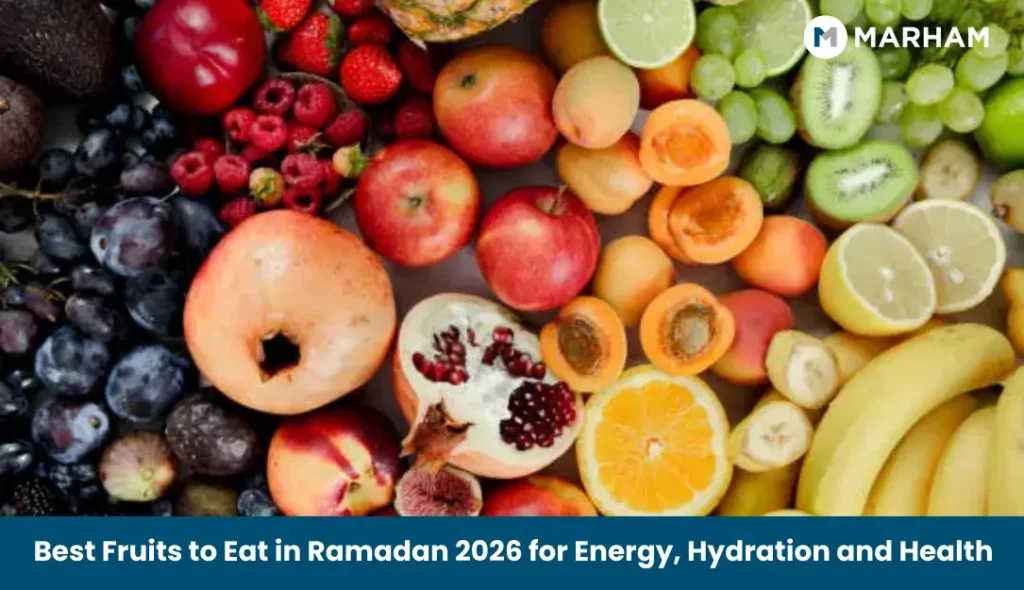
Every Ramadan, the same struggle repeats itself. By 2 PM, you feel drained. By Asr, your head is pounding. By the time the Maghrib azaan finally goes off, you are so exhausted that you reach straight for fried samosas and sugary drinks instead of anything that actually helps your body recover. And the cycle continues the next day. The solution is sitting right in your kitchen, and most Pakistani families are not using it enough. Fruits (پھل / Phal) are one of the most powerful foods you can eat during Ramadan. They hydrate your body, provide natural sugars for quick…

Read More

You break your fast with dates and water, sit down for iftar, eat a plate of samosas and pakoras, drink a cold glass of sweetened juice, and within 30 minutes your chest is burning, your throat feels sour, and that familiar heaviness in your stomach is back. If this sounds like your Ramadan every year, you are not alone. Acidity during Ramadan (رمضان میں تیزابیت / Tezaabiyat) is one of the most common health complaints Pakistani families deal with during the fasting month. Studies show that stomach acid production actually increases during fasting hours because your stomach keeps producing acid…

Read More

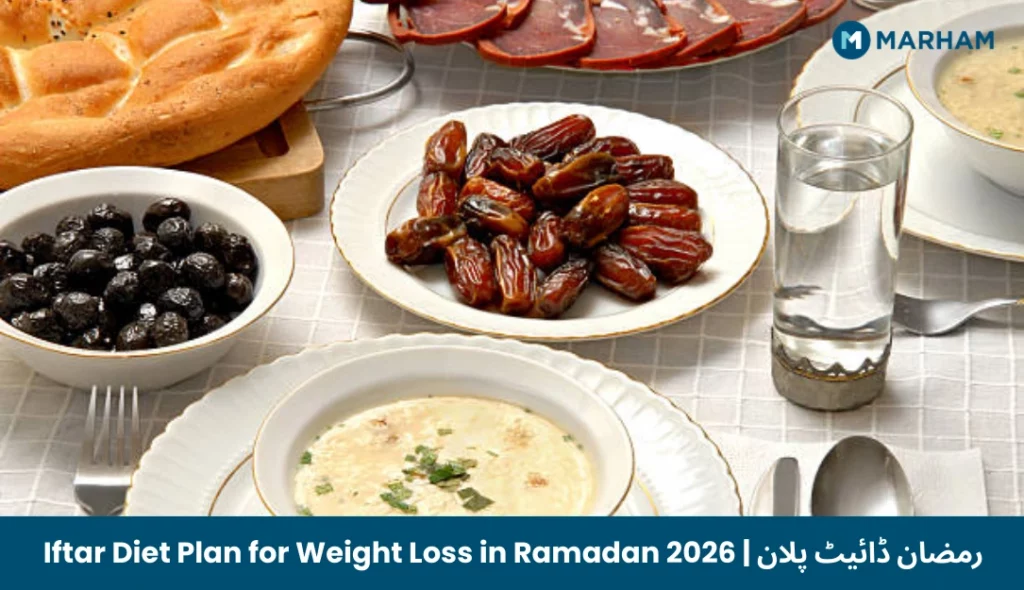
Every Ramadan, millions of Pakistanis have the same goal: lose some weight during the 30 days of fasting. And every Ramadan, most of us end up gaining weight instead. Why? Because the moment the azaan goes off at Maghrib, our iftar tables are loaded with samosas, pakoras, chana chaat dripping in oil, rolls, jalebis, and a tall glass of Rooh Afza. Sound familiar? Here is the truth. Fasting for 14 to 16 hours is already doing half the work for you. Your body is burning stored fat during those long hours without food. But if your iftar diet plan is…

Read More

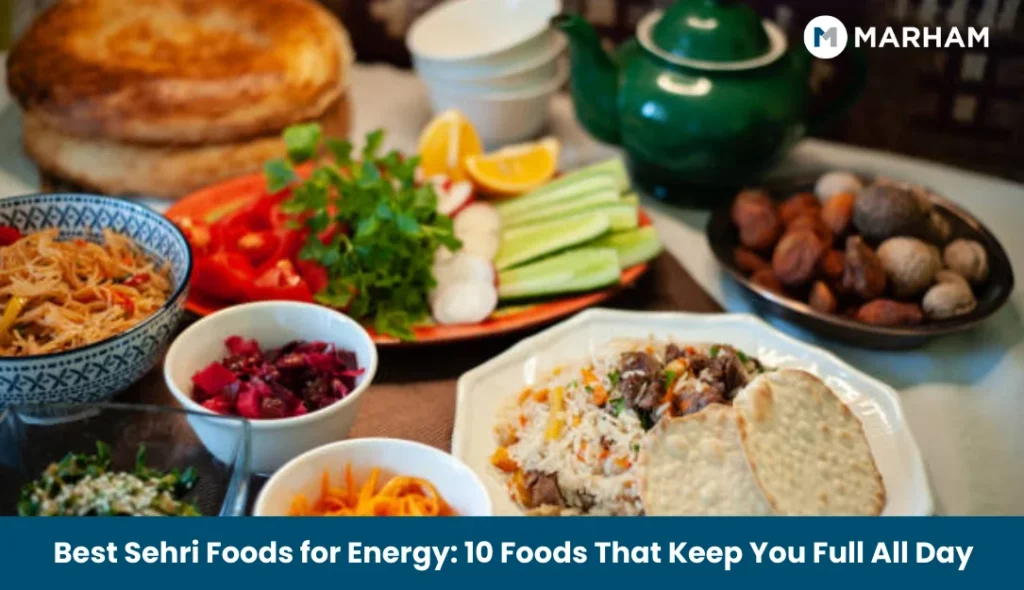
Let’s be honest. Most of us have had that one Ramadan day where we either skipped sehri completely or just had a glass of water and went back to sleep. And then by Zuhr, we’re dizzy, cranky, and counting down every minute until iftar. The truth is, sehri is not just a meal. It’s what keeps your body running for the next 15 or so hours. And the foods you pick at 4 AM can make or break your entire fast. If you’ve been wondering what to eat in sehri that actually keeps you full and gives you energy without…

Read More

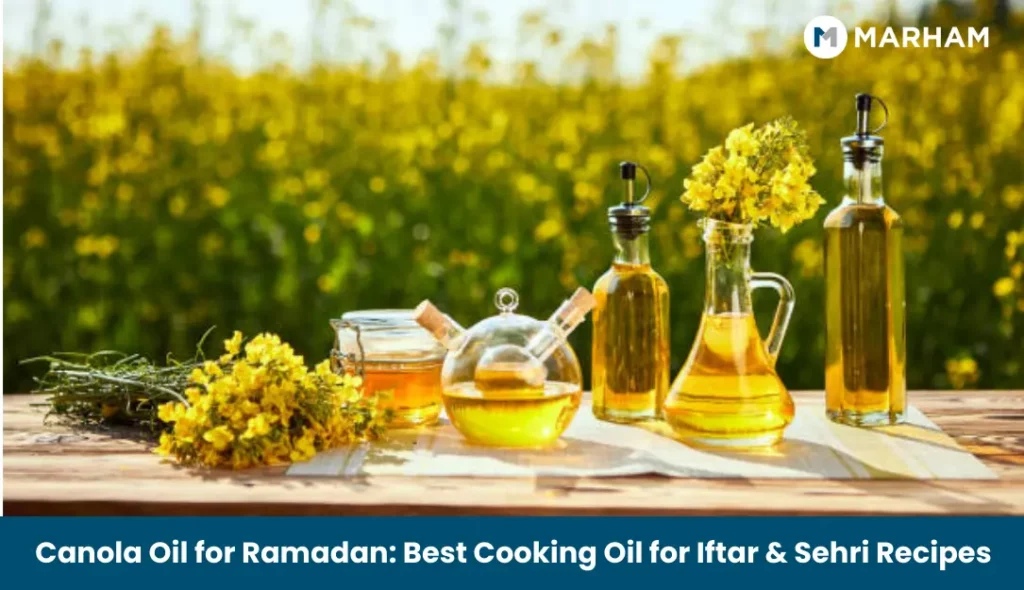
Is your Ramadan kitchen stocked with the right cooking oil this year? With so much frying happening during iftar from samosas to pakoras to jalebis the oil you choose matters more than you think. Canola oil (کینولا آئل / Canola Oil) has quietly become one of the smartest choices for health-conscious Pakistani families. But what is canola oil, exactly? And is canola oil healthy enough to trust with your family’s daily meals, especially during the demanding month of Ramadan? Let’s break it all down from where canola oil comes from to how it stacks up against your usual cooking oils…

Read More

If you have ever searched “apricot in Urdu” or “apricot meaning in Urdu,” here is your answer: apricot is called خوبانی (Khubani) in Urdu. In some northern areas of Pakistan, particularly Gilgit-Baltistan and Hunza, it is also referred to as زردالو (Zardaloo). The dried version – dry apricot in Urdu – is known as خشک خوبانی (Khushk Khubani). Now that you know the apricot meaning in Urdu, let us talk about why this golden fruit deserves far more attention in Pakistani kitchens than it currently gets. Khubani has been a staple in the Hunza Valley for centuries, and the people…

Read More

Every Ramadan, your ammi probably tells you — “Roza sirf ibadat nahi, jism ke liye bhi faida hai.” And she is absolutely right. If you have ever searched for fasting meaning in urdu, you already know it translates to روزہ (Roza) — but there is so much more to it than just skipping meals. Ramadan fasting is a complete reset for your body, mind, and soul, and modern science is finally catching up to what Muslims have practiced for over 1400 years. Whether this is your first Ramadan or your fortieth, understanding what Roza does to your body will give…

Read More

Every Pakistani skincare shelf seems to have a tiny bottle of tea tree oil sitting on it these days but do you actually know how to use it properly? Tea tree oil, also searched as ٹی ٹری آئل (Tea Tree Oil in Urdu), is a powerful essential oil extracted from the Australian Melaleuca alternifolia plant. It has been used for centuries as a natural antiseptic, and modern science now backs what traditional medicine always knew. Whether you’re battling stubborn acne, dealing with dandruff, or looking for a chemical-free skincare solution, tea tree oil benefits make it one of the most…

Read More

The moment that pregnancy test shows positive, the first question every Pakistani mother asks is  “mera baby kab aayega?” A pregnancy calculator week by week answers exactly that. Whether you just found out or you’re already feeling those first flutters of movement, knowing your exact week helps you prepare for every milestone ahead. A pregnancy calculator works by counting 280 days (40 weeks) from the first day of your last menstrual period (LMP). This is the same method your gynecologist uses during your first visit. While the exact delivery date can vary — only about 4% of babies arrive on…

Read More

In almost every Pakistani kitchen, you will find small round seeds that add strong flavor to curries, achar, and traditional dishes. These are mustard seeds in Urdu known as “Sarson ke beej” (سرسوں کے بیج). Many people search for mustard seeds meaning in Urdu or ask, what is mustard seed in Urdu? The simple answer is: mustard seeds are called Sarson ke beej, and they come from the mustard plant. Whether you use black mustard seeds in Urdu cooking (کالی سرسوں), yellow mustard seed in Urdu (پیلی سرسوں), or brown mustard seeds in Urdu (بھوری سرسوں), these tiny seeds are…

Read More