
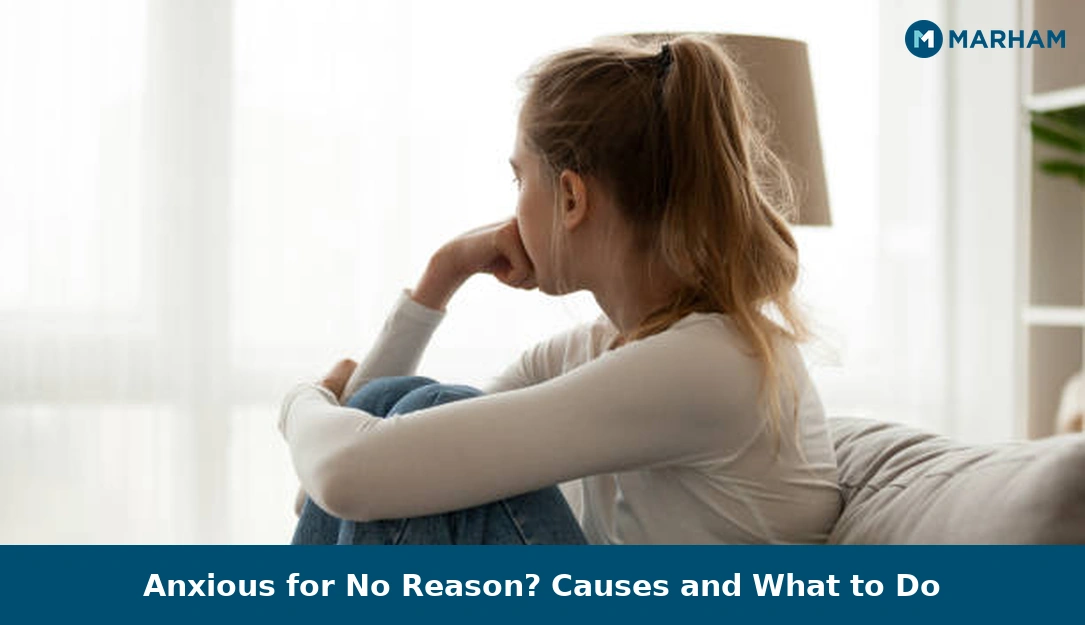
Anxiety can show up without warning. You’re sitting at home, nothing bad has happened, no exam is due, no argument took place — yet your chest feels tight, your thoughts race, and a vague sense of dread settles in. It’s unsettling, especially when there’s no obvious reason for it.
This experience is far more common in Pakistan than most people realise. A cross-sectional study conducted at Aga Khan University Hospital in Karachi found that roughly 28% of the sample had borderline or pathological anxiety, with women significantly more affected than men (NCBI, 2007). A broader systematic review published in the BMJ estimated the combined prevalence of anxiety and depressive disorders in Pakistan at around 34% (Mirza et al., BMJ, 2004). These numbers suggest that unexplained anxiety is not a personal failing — it’s a widespread and often unaddressed health issue.
The good news is that anxiety that feels random almost always has a traceable cause once you know where to look. Understanding those causes is the first step toward managing them.
بے وجہ پریشانی کیوں ہوتی ہے؟
بے وجہ پریشانی یا اضطراب ایک ایسی کیفیت ہے جس میں بغیر کسی واضح وجہ کے دل گھبراتا ہے، سینہ بھاری لگتا ہے اور ذہن میں خوف چھا جاتا ہے۔ پاکستان میں یہ مسئلہ بہت عام ہے لیکن اکثر لوگ اسے نظرانداز کر دیتے ہیں یا صرف “دل کی تکلیف” سمجھ کر چھوڑ دیتے ہیں۔ اس کی اصل وجوہات میں نیند کی کمی، جسمانی بیماریاں جیسے تھائرائیڈ کا عارضہ، ضرورت سے زیادہ چائے یا کافی کا استعمال، اور ذہنی دباؤ شامل ہو سکتے ہیں۔ اگر یہ کیفیت بار بار ہو اور روزمرہ کی زندگی متاثر ہو تو کسی ماہر نفسیات سے مشورہ لینا ضروری ہے۔
Key Takeaways
- Feeling anxious without a clear trigger is common and almost always has a biological or psychological cause.
- Generalized anxiety disorder (GAD) is the most recognised condition behind unexplained, persistent anxiety.
- Poor sleep, excess caffeine, thyroid problems, and hormonal shifts are physical causes many people overlook.
- Chronic stress builds up quietly and can produce anxiety even when life seems outwardly stable.
- Practical steps like sleep hygiene, reducing chai intake, and diaphragmatic breathing can reduce symptoms meaningfully.
- Persistent or disabling anxiety needs professional evaluation, not just self-management.
Is It Normal to Feel Anxious for No Reason?
Yes, it’s more common than you think — but “no reason” is rarely the full picture. Anxiety is the body’s threat-response system firing up. Anxiety is the body’s reaction to stress and can occur even if there is no current threat. When that system activates without an obvious external cause, it usually means internal factors — biology, accumulated stress, sleep debt, or unprocessed emotions — are doing the triggering instead.
Anxiety is a biopsychosocial phenomenon, meaning it has biological, psychological, and social roots that all meld together. So while the feeling seems to come from nowhere, there is almost always something beneath the surface driving it.
Common Causes of Unexplained Anxiety
Several factors can produce anxiety without an obvious trigger. These are the ones Pakistani patients most frequently overlook.
Generalized Anxiety Disorder (GAD)
Generalized anxiety disorder (GAD) is characterised by persistent, excessive worry about everyday matters. Unlike other forms of anxiety tied to specific situations, GAD often has no clear cause. It’s the most common anxiety disorder and its defining feature is that the worry is disproportionate and hard to control. GAD develops gradually and usually starts in early adulthood, although it can occur at any age. Many Pakistani adults live with GAD for years without a diagnosis, often attributing it to “stress” or “weak nerves.”
Poor Sleep
Sleep deprivation is one of the most underrated anxiety triggers. Sleep disruption fundamentally changes how your brain regulates emotions. Even one night of poor sleep raises anxiety thresholds, making you more reactive to stress and less able to calm yourself down. Late-night screen time, irregular schedules during Ramadan, and the heat in Karachi and Lahore summers all disrupt sleep in ways that quietly accumulate into anxiety symptoms.
Excess Caffeine
Pakistanis consume a significant amount of chai daily, sometimes four to six cups. Caffeine stimulates the same physiological response as anxiety: raised heart rate, heightened alertness, and muscle tension. Research shows that caffeine can trigger anxiety symptoms, with over half of people who have panic disorder experiencing panic attacks after consuming it. Even without a diagnosed anxiety disorder, heavy chai or coffee intake can leave you feeling jittery and on edge for no apparent reason.
Thyroid Problems
Hypothyroidism, or an underactive thyroid, can trigger anxiety alongside fatigue and brain fog. Many people are surprised to learn that both too much and too little thyroid hormone can leave you feeling anxious and on edge. Thyroid disorders are common in Pakistan, particularly among women, and are frequently missed in routine check-ups. If your anxiety is accompanied by unexplained weight changes, fatigue, or hair loss, a thyroid function test is worth discussing with your doctor.
Hormonal Shifts in Women
Hormonal shifts during perimenopause deserve special attention. Many women in their 40s and 50s develop new-onset anxiety they’ve never experienced before. Fluctuating estrogen levels affect neurotransmitter systems, creating that feeling of being nervous for no reason. Anxiety linked to the menstrual cycle, pregnancy, or the postpartum period follows a similar pattern. Women are more likely than men to experience GAD, with some women experiencing it during pregnancy and the postpartum period.
Chronic Background Stress
Not all stress announces itself. Financial pressure, family obligations, housing instability, and job insecurity are everyday realities for many Pakistani households. Feeling nervous without an apparent trigger usually means your body is responding to internal stress rather than an external threat. When stress is constant and low-grade, the nervous system stays in a mild fight-or-flight state. Anxiety then surfaces not during the stressful moment but hours or days later, when you think everything is fine.
Genetics and Family History
GAD may run in families, but the exact cause of the disorder is unknown. Research suggests that GAD results from a mix of genetics, brain chemistry, biology, and environment. If a parent or sibling has struggled with anxiety or depression, your baseline sensitivity to stress may simply be higher. That isn’t a sentence — it’s information that helps you manage proactively.
Physical Symptoms of Anxiety to Recognise
Anxiety doesn’t always feel like worry. Many Pakistani patients first present to a general physician with physical complaints, not knowing anxiety is the root cause.
| Symptom | What It Feels Like |
|---|---|
| Racing heart | Pounding or fluttering in the chest |
| Tight chest | Pressure or heaviness, sometimes mistaken for a heart issue |
| Shortness of breath | Feeling unable to take a full breath |
| Muscle tension | Stiff neck, tight shoulders, jaw clenching |
| Restlessness | Inability to sit still, feeling “on edge” |
| Stomach upset | Nausea, loose motions, or a knotted feeling in the gut |
| Fatigue | Exhaustion even after a full night’s sleep |
When you’re feeling anxious or scared, your body releases stress hormones such as adrenaline and cortisol. This can cause physical symptoms such as an increased heart rate and increased sweating. These physical sensations are real, not imagined. They’re the body doing exactly what it evolved to do — just at the wrong time.
How to Manage Unexplained Anxiety: Practical Steps

These steps are evidence-informed and practical for a Pakistani lifestyle. They won’t replace professional treatment for GAD, but they can reduce symptom intensity meaningfully.
- Cut back on chai gradually. If you drink more than three cups a day, reduce by one cup every few days rather than stopping abruptly. Replace the extra cup with warm water with a pinch of kala namak (black salt), which many people find settling.
- Protect your sleep. Aim for a consistent bedtime, even on weekends. Keep your room cool — a challenge in Lahore and Karachi summers, but a ceiling fan and light cotton bedding help. Avoid screens for 30 minutes before sleeping.
- Try diaphragmatic breathing. Breathe in for 4 counts through the nose, hold for 4, breathe out for 6 through the mouth. Do this for 5 minutes. Breathing exercises such as deep diaphragmatic breathing can help by bringing physical symptoms under control.
- Keep a simple anxiety journal. Note the time, what you were doing, and how you felt. Over two to three weeks, patterns often emerge — a particular time of day, a food, a situation. This is more useful than it sounds.
- Move your body daily. A 20-minute walk after Maghrib in a cooler part of the day is enough. Physical activity helps the body clear excess cortisol and supports better sleep.
- Reduce avoidance. Avoiding the things that give you anxiety can make it continue and even get worse. Gently facing situations that trigger mild anxiety, rather than sidestepping them, is one of the most effective long-term strategies.
- Check for a physical cause. If anxiety is new or worsening, ask your doctor for a basic thyroid function test (TSH) and a blood glucose check. In Pakistan, a TSH test costs roughly PKR 800 to 1,200 at most diagnostic labs.
When Should You See a Doctor for Anxiety?
Not all anxiety needs a specialist, but some patterns do. If anxiety doesn’t go away and begins to interfere with your daily activities, you may have an anxiety disorder. See a doctor if your anxiety has lasted more than two weeks, disrupts your sleep most nights, stops you from going to work or meeting people, or comes with panic attacks (sudden intense fear with chest pain, breathlessness, and dizziness lasting 5 to 30 minutes).
Also seek help if you’ve been relying on chai, cigarettes, or alcohol to manage anxious feelings — this pattern tends to make anxiety worse over time, not better. Consulting a psychiatrist in Pakistan can help identify whether what you’re experiencing is GAD, a panic disorder, or something else entirely, and guide you toward the right treatment.
Get Expert Help from Marham
Many people in Pakistan spend months or years managing anxiety alone because finding the right specialist feels complicated or out of reach. Long waiting times at public hospitals and the stigma around mental health make it harder to take that first step. Marham connects you with verified psychiatrists in Pakistan who consult online from anywhere in the country, so geography and scheduling are no longer barriers.
A short online consultation typically takes 15 to 20 minutes. The psychiatrist can assess your symptoms, rule out physical causes that need further testing, and discuss whether therapy, lifestyle changes, or medication is the right path. You don’t need a referral to book, and the consultation can happen from your phone at a time that suits you. If your symptoms point more toward stress and lifestyle, nutritionists in Pakistan on Marham can also help you assess how diet and daily habits may be contributing.
Frequently Asked Questions
Is it normal to feel anxious for no reason?
Yes, it’s very common. Anxiety doesn’t always have a specific source, and causes can vary day to day. It usually means internal factors like sleep, stress, or biology are triggering the response rather than an external event.
Can a physical health problem cause anxiety?
Absolutely. Thyroid disorders, blood sugar fluctuations, anaemia, and heart rhythm irregularities can all produce anxiety-like symptoms. Regular anxiety, fear or panic can also be the main symptom of several health conditions. A basic blood panel can help rule these out.
What are the physical symptoms of anxiety?
Anxiety commonly causes a racing heart, chest tightness, shortness of breath, muscle tension, stomach upset, and fatigue. Some people feel restlessness, have trouble concentrating, or experience fatigue. Others experience more physical symptoms such as a fast heart rate, rapid breathing, or gastrointestinal problems.
How do I stop feeling anxious for no reason?
Start with sleep, caffeine reduction, and daily movement — these three changes alone can reduce baseline anxiety noticeably. Chronic anxiety improves with consistent sleep, nutrition, movement, coping skills, and lowering stressors like caffeine and overworking. If symptoms persist, professional support is the next step.
Can anxiety go away on its own?
Mild, situational anxiety often does. Persistent anxiety that lasts weeks or interferes with daily life is less likely to resolve without some form of intervention. With the right treatment and support, people with GAD can manage their anxiety and improve their quality of life.
Is anxiety more common in women in Pakistan?
Research suggests yes. A study at Aga Khan University Hospital Karachi found female sex was a significant independent predictor of anxiety, with women roughly twice as likely to screen positive as men (NCBI, 2007). Hormonal factors, social stressors, and limited access to mental health care all contribute.
When should I see a psychiatrist for anxiety?
See a psychiatrist if anxiety has lasted more than two weeks, disrupts your sleep or work, or comes with panic attacks. Early evaluation leads to better outcomes and prevents anxiety from deepening into depression.
Conclusion
Feeling anxious without a clear reason doesn’t mean something is fundamentally wrong with you. It means your body’s alarm system is responding to something internal — poor sleep, too much caffeine, a thyroid imbalance, chronic background stress, or a tendency toward GAD that’s gone unrecognised. Most of these causes are addressable. Start with the practical steps, pay attention to patterns, and don’t hesitate to seek professional help if the anxiety persists or gets in the way of your daily life. You deserve to feel well.