


Chai is the one thing most Pakistani households agree on. Whether it’s the first cup after Fajr, the mid-morning break at the office, or the ritual glass offered to every guest, tea is woven into daily life in a way no other drink is.
What most people don’t realise is how much those cups add up. A typical Pakistani doesn’t drink one cup a day — it’s closer to three to five. And unlike the plain black tea a British person might sip, our chai comes loaded with full-fat milk and at least one or two teaspoons of sugar. The calorie count is very different from what most calorie charts show.
This guide breaks down the actual calories in the types of tea Pakistanis drink most — regular chai, doodh pati, karak chai, and green tea — so you know exactly what you’re taking in.
چائے کی کیلوریز
چائے پاکستان کا سب سے مقبول مشروب ہے، لیکن اس کی کیلوریز کا انحصار مکمل طور پر اس بات پر ہے کہ آپ اسے کیسے بناتے ہیں۔ سادہ سیاہ چائے میں تقریباً صفر کیلوریز ہوتی ہیں، جبکہ بھینس کے دودھ اور دو چمچ چینی سے بنی دودھ پتی میں 250 سے 300 کیلوریز تک ہو سکتی ہیں۔ روزانہ تین سے پانچ کپ پینے والے پاکستانیوں کے لیے یہ ایک چھپا ہوا کیلوری کا ذریعہ بن سکتا ہے۔ دودھ کی مقدار کم کرنا اور چینی گھٹانا سب سے آسان اور مؤثر طریقہ ہے کیلوریز کنٹرول کرنے کا۔
How Many Calories Are in 1 Cup of Chai?
A plain cup of tea brewed with only water and tea leaves contains roughly 2 calories per 240 ml, according to USDA nutritional data. That number changes dramatically the moment you add milk and sugar — which is how nearly every Pakistani makes it.
For a standard cup of chai (about 200 ml) made with whole cow’s milk and one teaspoon of sugar, the calorie count sits at roughly 120 to 150 kcal. But here’s what most calorie guides miss: the majority of Pakistani households use buffalo milk, not cow’s milk. Buffalo milk contains approximately 100 to 120 kcal per 100 ml, compared to around 60 to 65 kcal per 100 ml for whole cow’s milk. That single difference can nearly double the calorie count of your cup.

| Chai Type | Serving Size | Approx. Calories |
|---|---|---|
| Black tea (no milk, no sugar) | 240 ml | 2 kcal |
| Black tea with 1 tsp sugar | 240 ml | 18 to 20 kcal |
| Chai with cow’s whole milk + 1 tsp sugar | 200 ml | 120 to 150 kcal |
| Chai with buffalo milk + 1 to 2 tsp sugar | 200 ml | 200 to 260 kcal |
| Doodh pati (all-milk, no water) + 1 tsp sugar | 200 ml | 230 to 280 kcal |
| Karak chai (condensed milk + 2 tsp sugar) | 200 ml | 250 to 320 kcal |
| Green tea (no milk, no sugar) | 240 ml | 2 to 4 kcal |
Calorie estimates are based on USDA nutrient values for whole milk, buffalo milk (per FAO compositional data), and white sugar.
Doodh Pati Calories: The One Pakistanis Underestimate Most
Doodh pati — brewed entirely in milk with no added water — is the tea most Pakistanis associate with dhabas, roadside stalls, and winter mornings in Lahore or Rawalpindi. It’s richer, creamier, and considerably higher in calories than regular chai.
Because doodh pati uses 100% milk as its base, a single 200 ml cup made with full-fat buffalo milk and one teaspoon of sugar can contain 230 to 280 kcal. Add a second teaspoon of sugar (common at dhabas) and you’re looking at closer to 300 kcal per cup. Two cups of dhaba-style doodh pati can contribute as much as 550 to 600 kcal to your day — roughly the same as a full meal.
The tea leaves themselves add negligible calories. Spices like cardamom (elaichi) and ginger (adrak) also contribute almost nothing. All the calories come from the milk and sugar.
Calories in Chai for Weight Loss: What You Should Know
Chai with milk and sugar is not a low-calorie drink, and treating it as one is one of the most common calorie-counting mistakes Pakistani adults make. If you drink four cups of regular chai daily with buffalo milk and two teaspoons of sugar each, that’s easily 800 to 1,000 kcal from tea alone — before a single roti or paratha.
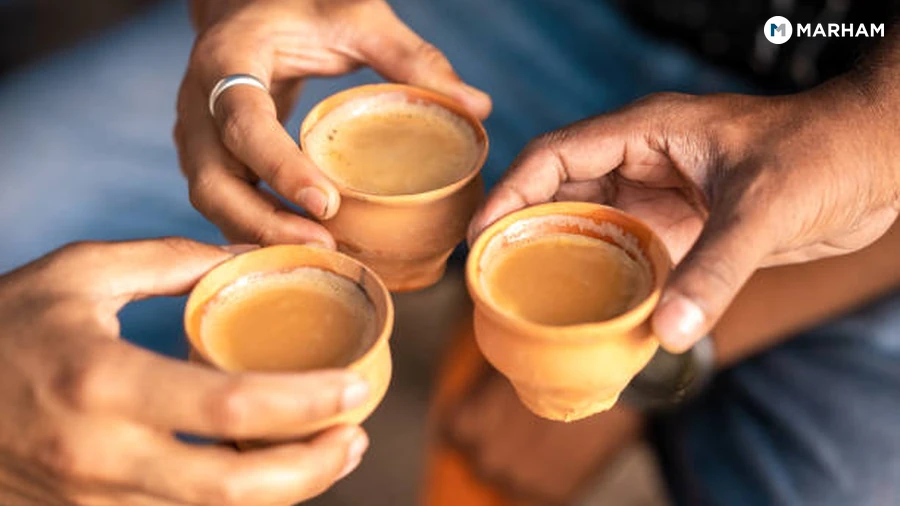
That said, chai doesn’t have to be abandoned on a weight-loss plan. The tea itself (black tea, green tea) contains polyphenols and antioxidants that may support metabolism, according to research published in the European Journal of Nutrition. The problem is the milk-and-sugar combination that comes with it.
Practical adjustments that actually work for Pakistani households:
- Switch from buffalo milk to low-fat cow’s milk. This alone cuts roughly 80 to 100 kcal per cup.
- Reduce sugar from two teaspoons to half a teaspoon. Each teaspoon of white sugar adds about 16 to 20 kcal. Cutting one teaspoon across four daily cups saves 64 to 80 kcal.
- Try the 50/50 method: brew with half milk and half water instead of all milk. You keep the chai flavour but cut the calorie count nearly in half.
- Use a smaller cup. Pakistani chai cups at dhabas are often 250 to 300 ml. A standard 150 ml cup has roughly 30% fewer calories.
- Replace one or two cups with lemongrass tea benefits or green tea, both of which are virtually calorie-free without additives.
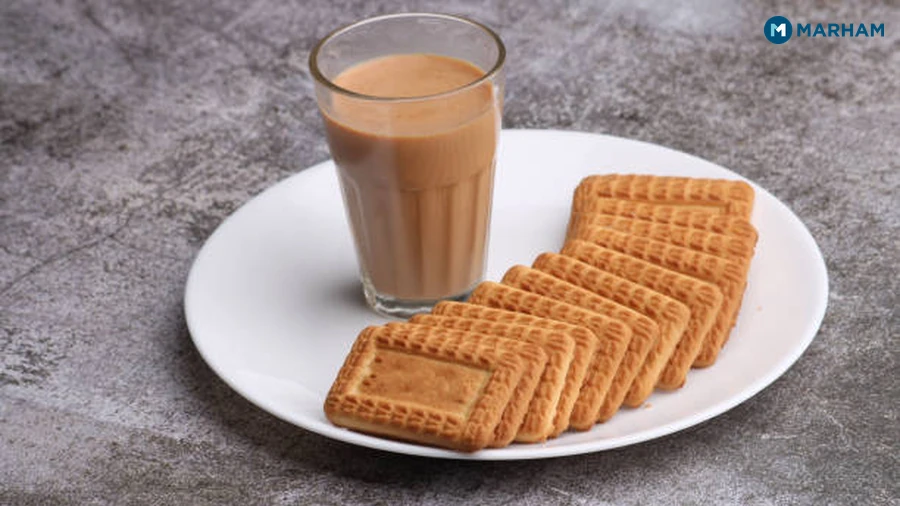
- Skip the biscuits. A single Marie biscuit adds 30 kcal; two Peek Freans Peanut Pista biscuits add nearly 120 kcal. The chai-and-biscuit habit is where the real calorie accumulation happens.
- During Ramadan, be especially mindful at Iftar. A cup of karak chai with a paratha and two biscuits at Iftar can easily total 600 to 700 kcal in one sitting.
Is Chai Good for You? The Honest Answer
Tea leaves themselves carry real benefits. Black tea contains flavonoids — a class of antioxidants — that are associated with reduced oxidative stress and may support heart health, per research in the journal Nutrients (2019). Spices like cardamom and ginger, common in Pakistani masala chai, have anti-inflammatory properties that are well-documented in nutritional science.
The concern isn’t the tea — it’s the sugar. The WHO recommends limiting free sugars to less than 10% of total daily energy intake, and ideally below 5%. Two teaspoons of sugar in each of four daily cups of chai means 8 teaspoons of added sugar from chai alone, which already exceeds the WHO’s lower target for most adults.
For people managing diabetes in Pakistan, the sugar in chai is a real concern. Switching to unsweetened or lightly sweetened tea is one of the most impactful dietary changes a diabetic patient can make. The tea itself — particularly green tea and plain black tea — may actually support glucose metabolism, according to a study published in the Journal of Agricultural and Food Chemistry (Anderson & Polansky, 2002), though this is not a substitute for medical management.
Who Should Be Careful with Chai?
Most healthy adults can enjoy two to three cups of chai daily without concern. Some groups need to be more mindful:
- People managing diabetes or pre-diabetes: sugar in chai raises blood glucose. Unsweetened or minimally sweetened chai is a better choice.
- Those with hypertension: chai contains caffeine, which may temporarily raise blood pressure. Two to three cups daily is generally considered moderate and safe for most people, but discuss your intake with your doctor if you have hypertension.
- Pregnant women: caffeine intake during pregnancy should stay below 200 mg per day, per NHS guidelines. A standard cup of Pakistani chai contains roughly 25 to 50 mg of caffeine, so two to three cups is generally within safe limits — but confirm with your gynaecologist.
- People on weight-loss plans: the calorie load from multiple daily cups adds up faster than most people realise.
When to Speak to a Nutritionist
If you drink four or more cups of chai daily and are managing your weight, blood sugar, or cholesterol, it’s worth getting a professional view on how your tea habit fits into your overall diet. A nutritionist can help you identify where calories are quietly accumulating and suggest swaps that work with a Pakistani eating pattern — not against it.
Nutritionists in Pakistan on Marham consult online, so you don’t need to travel or wait for a clinic appointment. A short session can clarify how much of your daily calorie budget your chai is actually using.
Get Personalised Dietary Advice on Marham
Understanding your daily calorie intake is only useful when the advice fits your actual eating habits. Most generic nutrition guidance isn’t built around Pakistani meal patterns — the roti, the daal, the three cups of doodh pati before noon.
Marham connects you with verified nutritionists in Pakistan who understand the desi diet and can give you a realistic picture of where your calories are going and how to manage them. A short online consultation typically takes 15 to 20 minutes and can be booked from anywhere in Pakistan without a clinic visit.
Frequently Asked Questions
How many calories are in 1 cup of tea with milk and sugar?
A standard 200 ml cup of chai made with whole cow’s milk and one teaspoon of sugar contains roughly 120 to 150 kcal. If you use full-fat buffalo milk — common in Pakistani households — that rises to 200 to 260 kcal per cup.
How many calories are in doodh pati chai?
Doodh pati brewed entirely in buffalo milk with one teaspoon of sugar contains approximately 230 to 280 kcal per 200 ml cup. Two cups from a dhaba-style pot can total 500 to 600 kcal depending on the milk-to-sugar ratio.
Is chai good for weight loss?
Plain tea (black or green, no milk or sugar) is virtually calorie-free and can be part of a weight-loss diet. Chai made with full-fat milk and sugar is calorie-dense and can hinder weight loss if consumed in large quantities. Reducing milk fat and sugar content makes it more weight-loss friendly.
Can diabetics drink chai?
Yes, with modifications. Plain black tea or green tea without sugar is safe for diabetics and may even support glucose metabolism, per published research. Sugary chai with full-fat milk should be limited or replaced with unsweetened versions. Always confirm dietary changes with your doctor.
How many cups of chai per day is safe?
Two to three cups daily is generally well-tolerated for most healthy adults. Drinking four or more cups raises concerns about excess sugar, saturated fat from milk, and caffeine intake. Pregnant women should keep caffeine below 200 mg per day, per NHS guidelines.
What is the lowest-calorie way to make Pakistani chai?
Brew black tea in water (no milk), add half a teaspoon of sugar or none at all. This keeps the cup under 20 kcal. If you prefer milk, use low-fat cow’s milk and limit sugar to half a teaspoon — that brings a 200 ml cup to roughly 60 to 80 kcal.
Does green tea have fewer calories than regular chai?
Yes. Green tea brewed in water without milk or sugar contains just 2 to 4 kcal per cup, compared to 120 to 260 kcal for a standard Pakistani milk chai. It’s a significantly lower-calorie option if you can adjust to the lighter taste.
Conclusion
The calories in your cup of chai depend almost entirely on what goes into it. Plain tea is nearly calorie-free. Doodh pati made with buffalo milk and two teaspoons of sugar is closer to a small meal. For most Pakistanis drinking three to five cups a day, chai is one of the biggest hidden calorie sources in their diet — and one of the easiest to adjust without giving it up entirely. Small changes to milk type and sugar amount add up to a meaningful difference over weeks and months.