
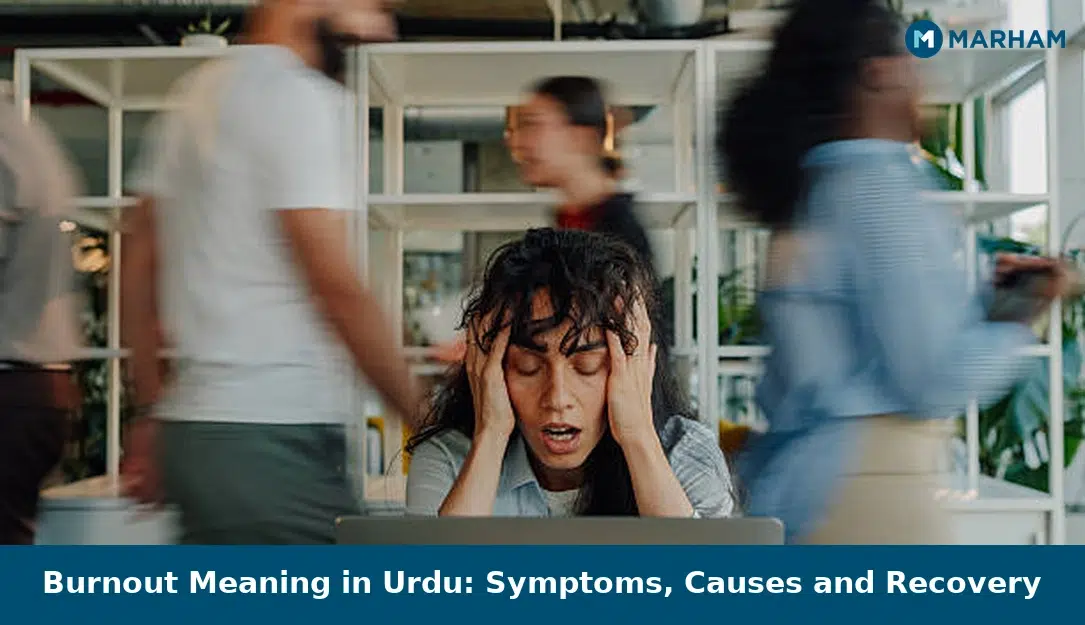
Burnout is a word that comes up a lot in Pakistani workplaces today, yet most people searching for its Urdu meaning get a dictionary entry and nothing more. The actual health concept behind it goes far deeper than a single translated word. In Urdu, burnout is best described as ذہنی تھکاوٹ (zehni thakawat) or جذباتی سوختگی (jazbati sokhtagi), meaning a state of deep mental, emotional, and physical exhaustion caused by prolonged stress.
This is not the ordinary tiredness you feel after a long day of work. It builds over weeks and months, quietly, until the person realises they no longer care about the job, the relationships, or even themselves. In Lahore’s corporate offices, Karachi’s hospitals, and Islamabad’s government departments, Pakistani professionals are experiencing this at rising rates, though many never name it.
The sections below explain what burnout actually involves, how to tell it apart from everyday stress, and what practical steps help with recovery in a Pakistani context.
Burnout in Urdu
برن آؤٹ (Burnout) ایک ایسی ذہنی اور جسمانی کیفیت ہے جو طویل عرصے تک ضرورت سے زیادہ کام کرنے یا مسلسل دباؤ میں رہنے سے پیدا ہوتی ہے۔ اسے اردو میں ذہنی تھکاوٹ یا جذباتی سوختگی کہا جا سکتا ہے۔ اس حالت میں انسان اپنے کام سے بیزار ہو جاتا ہے، جذباتی طور پر خالی محسوس کرتا ہے، اور روزمرہ کے کاموں میں دلچسپی ختم ہو جاتی ہے۔ ورلڈ ہیلتھ آرگنائزیشن (WHO) نے 2019 میں برن آؤٹ کو ICD-11 میں ایک پیشہ ورانہ مظہر کے طور پر شامل کیا۔ اگر آپ یا آپ کا کوئی قریبی مسلسل تھکاوٹ، بے حسی، اور کام سے نفرت محسوس کر رہا ہے تو کسی ماہر نفسیات سے مشورہ کرنا ضروری ہے۔
What Is Burnout? The Three-Dimension Model
Burnout is not a single feeling. The World Health Organization registered burnout as an occupational phenomenon, describing it as a state involving exhaustion, loss of energy, and lack of motivation to work. Clinically, it is understood through three overlapping dimensions:
- Emotional exhaustion: Feeling completely drained after interactions, meetings, or even small tasks.
- Depersonalisation: Developing a detached, cynical attitude toward your work, patients, students, or colleagues.
- Reduced personal accomplishment: A persistent sense that your efforts don’t matter and your output is worthless.
All three need not appear at once. Many Pakistani professionals first notice only the exhaustion, then the cynicism creeps in months later. By the time the third dimension arrives, the person often believes the problem is with them personally rather than with their situation.

For a related discussion on how persistent tiredness can overlap with burnout, see fatigue meaning in Urdu.
Burnout vs Stress vs Depression: Key Differences
Many Pakistani readers confuse burnout with ordinary stress or with depression. The differences matter because the management approach changes significantly.
| Feature | Stress | Burnout | Depression |
|---|---|---|---|
| Core feeling | Overwhelmed, too much | Empty, not enough | Hopeless, pervasive sadness |
| Energy | High but strained | Chronically depleted | Low across all areas |
| Emotions | Overactive, anxious | Blunted, detached | Persistently low |
| Tied to work | Sometimes | Strongly yes | No, affects all life areas |
| Improves with rest | Yes, quickly | Slowly, needs more | Rarely without treatment |
| Motivation | Present but pressured | Absent | Absent |
| Physical symptoms | Tension, headaches | Fatigue, frequent illness | Sleep changes, appetite loss |
| Needs medication | Rarely | Rarely | Often yes |
Many signs of burnout are similar to signs of depression, but burnout is usually tied to specific roles and can improve with rest or reduced demands, whereas depression affects all areas of life and does not go away just by taking a break.
This distinction is practically important for Pakistani readers. A person who is burnt out from a demanding job in Karachi’s banking sector may recover substantially with structured rest and boundary-setting. A person with clinical depression needs professional evaluation and, in many cases, medication. Treating one as the other delays real help.
Burnout Symptoms in Pakistani Contexts
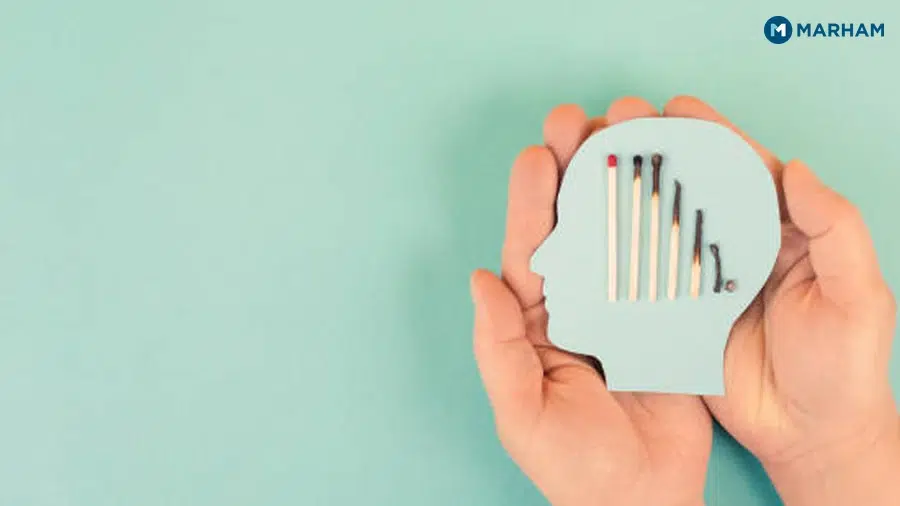
Burnout builds gradually. Symptoms can be both physical and emotional: physical signs include headache, back pain, disturbed sleep, nausea, and tiredness, while emotionally a person feels irritable, unmotivated, indifferent, and may withdraw socially.
In Pakistan, several patterns show up that global lists miss:
- Dreading the morning azan because it means another workday is starting.
- Snapping at family during iftar or dinner, then feeling guilty about it.
- Drinking four to six cups of chai a day just to stay functional.
- Calling in sick or fabricating excuses to avoid the office.
- Feeling numb during Eid or family gatherings that used to bring joy.
- Persistent body aches that doctors can find no physical cause for.
- Difficulty concentrating during namaz or any quiet moment.
None of these alone confirms burnout. A cluster of them, persisting for several weeks, warrants attention.
Who Gets Burnout in Pakistan?
Burnout can affect anyone in a demanding role, but certain groups carry higher risk in Pakistan. A cross-sectional study published in PMC found that healthcare workers in Pakistan were more prone to burnout compared to other countries. In that study of 776 Pakistani healthcare workers, over 36% experienced moderate to high levels of emotional exhaustion.
A 2024 multicenter study on psychiatry doctors across 10 Pakistani hospitals, published in a peer-reviewed journal, found that significant burnout factors included insufficient support from colleagues or administration (42.3%), high workload (23.1%), and personal life stressors (19.2%).
Beyond healthcare, teachers in government schools, software engineers working night shifts for foreign clients, mothers managing a household alongside full-time employment, and small business owners navigating economic pressure are all groups where burnout is common in Pakistan. The shared thread is prolonged demand with inadequate recovery time.
How to Recover from Burnout: Steps That Work in Pakistan
Recovery from burnout takes time and requires addressing the source, not just the symptoms. To truly recover, you need to acknowledge the root cause and make changes, because without addressing that, you may quickly fall back into burnout even after taking time off.

- Name it honestly. Tell yourself and someone you trust that you are burnt out. In Pakistani culture, admitting exhaustion is seen as weakness. It isn’t. Naming the problem is the first step toward changing it.
- Take one full rest day per week, completely offline. No WhatsApp, no work emails. Spend it with family, outdoors, or simply sleeping. This is not laziness; it is recovery.
- Reduce chai and replace one cup with lukewarm water or herbal tea. Excess caffeine raises cortisol (the stress hormone) and worsens anxiety and sleep disruption, both of which fuel burnout.
- Set one boundary at work and keep it. For example: no work calls after Maghrib. Even one enforced boundary begins to shift the pattern.
- Add 20 minutes of light physical activity. A walk in a local park in Islamabad or along the beach in Karachi counts. Physical movement is one of the most evidence-supported ways to reduce the cortisol load on the body.
- Talk to someone. In Pakistan, a trusted friend, a religious scholar, or a family elder can provide real support. If the burnout is severe, a mental health professional offers structured, evidence-based help.
- Review your workload with your manager. If your workplace allows it, ask for a temporary reduction in responsibilities. Many Pakistani professionals fear this conversation, but it is far less costly than collapsing entirely.
Do You Need to See a Specialist? A Simple Self-Check
Answer yes or no to each of the following:
- I feel emotionally exhausted most days, not just occasionally.
- I have become cynical or indifferent toward my work or the people I work with.
- I feel like nothing I do at work matters or makes a difference.
- I have been getting sick more than usual (colds, headaches, gut problems).
- I have been withdrawing from friends and family.
- Sleep does not restore my energy the way it used to.
- I have been thinking about quitting everything, not just the job.
If 3 or more apply to you, consider booking a consultation with a specialist. Burnout that is left unaddressed for months can progress toward clinical anxiety or depression, both of which require more intensive treatment.
Speak to a Mental Health Specialist on Marham
Finding a qualified psychiatrist or psychologist in Pakistan can feel difficult, especially outside Lahore, Karachi, or Islamabad. Long waiting lists and the stigma around mental health still stop many people from seeking help in person.
Marham’s verified psychiatrists in Pakistan are available for online consultations, which means you can speak to a specialist from any city without travelling or sitting in a waiting room. A short consultation, typically 15 to 20 minutes, can help clarify whether what you’re experiencing is burnout, anxiety, depression, or a combination, and what the appropriate next step is. Marham also connects patients with psychologists and mental health counsellors who offer talk-based therapy sessions suited to occupational stress and burnout recovery.
Frequently Asked Questions
What is the exact Urdu word for burnout?
The closest Urdu terms are ذہنی تھکاوٹ (zehni thakawat) and جذباتی سوختگی (jazbati sokhtagi). Neither is a perfect one-word translation because Urdu doesn’t have a single established clinical term for this concept yet.
Can burnout go away on its own without treatment?
Mild burnout can improve with rest, reduced workload, and better sleep, without professional treatment. Moderate to severe burnout, especially when it starts affecting relationships or physical health, generally needs structured support from a mental health professional to resolve fully.
Is burnout the same as depression in Islam or Pakistani culture?
No. Burnout is a response to prolonged occupational stress and is not a character flaw or a spiritual failing. Depression is a separate clinical condition. Both are real, both deserve care, and neither reflects weakness of faith or character.
Does burnout affect physical health, not just mental health?
Yes. Burnout can cause long-term changes to the body that make you more vulnerable to illnesses like colds and flu. Persistent headaches, gut problems, disrupted sleep, and lowered immunity are all reported physical effects of sustained burnout.
When should a Pakistani professional see a psychiatrist versus a psychologist for burnout?
See a psychologist if your main need is structured talk therapy, stress management techniques, or coping strategies. See a psychiatrist if you are also experiencing symptoms of depression, severe anxiety, or sleep disorders that may need medication alongside therapy.
Conclusion
Burnout, or ذہنی تھکاوٹ, is a real and measurable condition that affects Pakistani professionals across every sector, not just healthcare workers or corporate employees. Recognising its three dimensions, distinguishing it clearly from stress and depression, and taking structured recovery steps early makes a meaningful difference to how quickly a person gets back to feeling like themselves. If the self-check above flagged three or more signs, that is worth taking seriously rather than pushing through.