

Quick Answer
Screen addiction is compulsive, hard-to-control use of digital devices — phones, tablets, or gaming consoles — that starts interfering with sleep, relationships, schoolwork, or physical health. It’s not about the number of hours alone; it’s about loss of control and real-life consequences. If putting the phone down feels genuinely distressing, that’s the signal worth taking seriously.
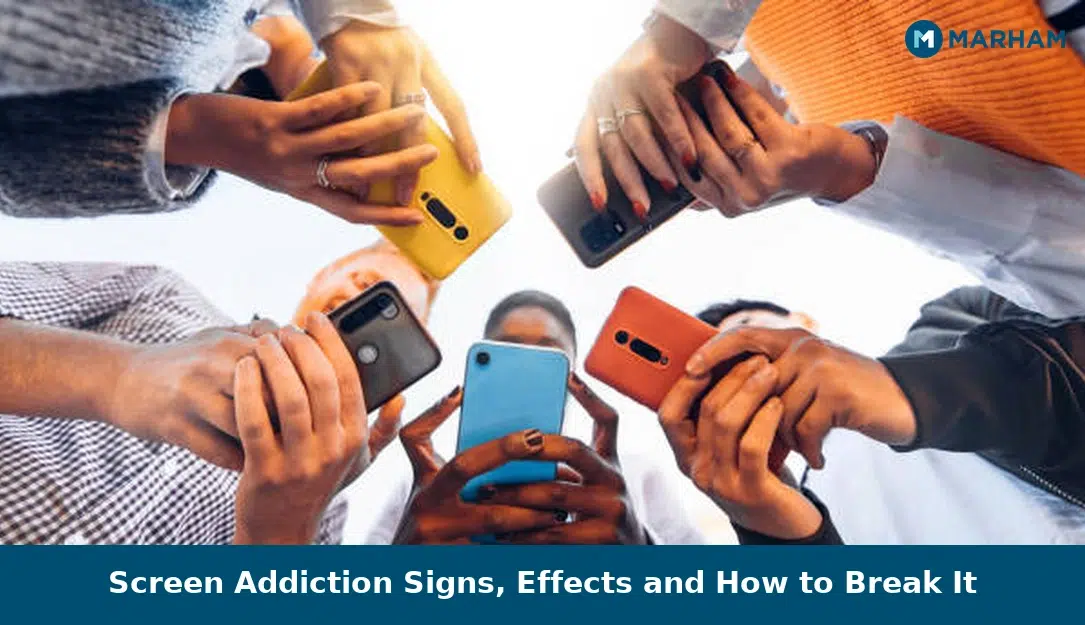
Walk into any chai dhaba in Lahore or sit at a dinner table in Karachi and you’ll notice the same thing: everyone is on their phone. Adults scroll through WhatsApp and TikTok; children are handed a tablet to keep them quiet; teenagers disappear into their rooms for hours of gaming or Instagram. Screens have become the default way Pakistanis pass time, manage boredom, and stay connected.
The problem isn’t screens themselves. It’s when usage tips into something compulsive — when a child melts down the moment you take the phone away, or when an adult reaches for their phone within seconds of waking up, before even getting out of bed. According to a report in The Express Tribune, over 80% of teenagers in Pakistan spend an average of six hours a day on digital devices, with sleep disorders, anxiety, and difficulty concentrating among the reported consequences.
Understanding what screen addiction actually looks like — and what genuinely helps — is the first step for any Pakistani family trying to find a healthier balance.
اسکرین کی لت: اہم باتیں | Screen ki Lat: Ahem Batein
اسکرین کی لت ایک ایسی حالت ہے جس میں موبائل، ٹیبلٹ یا کمپیوٹر کا استعمال اس حد تک بڑھ جاتا ہے کہ نیند، تعلیم اور خاندانی تعلقات متاثر ہونے لگتے ہیں۔ پاکستان میں بچوں اور نوجوانوں میں یہ مسئلہ تیزی سے پھیل رہا ہے۔ اسکرین کی لت کی علامات میں چڑچڑاپن، نیند کی کمی، آنکھوں کا درد اور تعلیم میں کمزوری شامل ہیں۔ ڈیجیٹل آلات کے استعمال میں توازن رکھنا اور ضرورت پڑنے پر کسی ماہر نفسیات سے مشورہ کرنا بہت ضروری ہے۔
What Is Screen Addiction?
Screen addiction — sometimes called problematic screen use or digital addiction — refers to a pattern of device use that feels out of control and causes genuine harm to daily life. The key distinction is not simply how many hours someone spends online. It’s whether the person can stop when they want to, and whether their screen use is crowding out sleep, physical activity, face-to-face relationships, or schoolwork.

Researchers note that screens trigger dopamine release in the brain — the same reward chemical involved in other compulsive behaviours. Apps, games, and social media platforms are deliberately designed with infinite scrolling, variable notifications, and reward loops that make it hard to disengage. Children and teenagers are especially vulnerable because the prefrontal cortex, the part of the brain that governs impulse control, is still developing well into the mid-twenties.
In Pakistan, a particular driver is the lack of safe outdoor alternatives. Research published in The Rehabilitation Journal found that Pakistani parents — both in joint and nuclear family settings — frequently use screens as a childcare tool because outdoor play feels unsafe and parents have limited time. That’s an understandable response to real constraints, but it can quietly set the stage for dependency.
Warning Signs of Screen Addiction in Children and Adults
Screen addiction doesn’t announce itself. It builds gradually, which is why most families notice it only after it’s well established. These are the signs worth watching for:
- Loss of control: The person plans to use the phone for ten minutes and an hour passes without noticing.
- Irritability when devices are removed: Children become angry or distressed when asked to put the phone down — a response that goes beyond ordinary disappointment.
- Preoccupation: Thinking about the next time they can use a device, even while doing something else.
- Neglecting responsibilities: Homework, household chores, or family meals are skipped or rushed to get back to the screen.
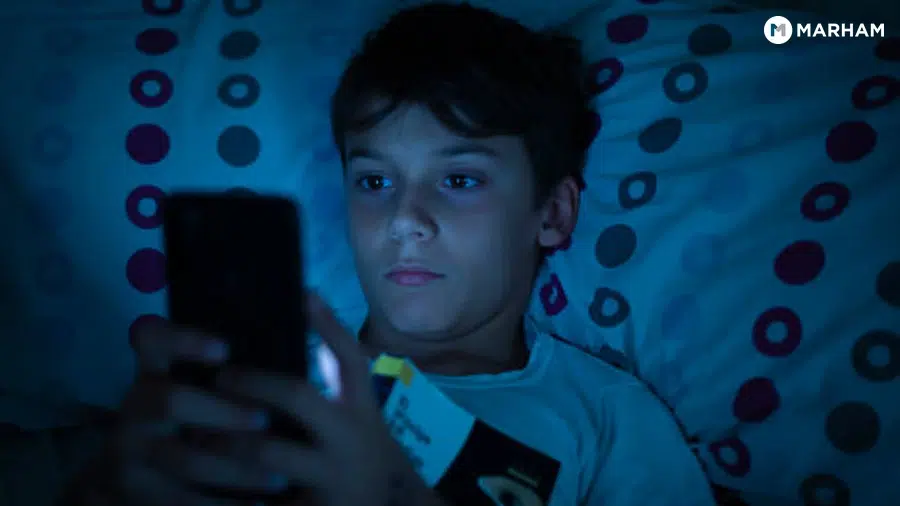
- Sleep disruption: Staying up late scrolling, gaming, or watching content — often past midnight in Pakistani households where phones are not removed at bedtime.
- Social withdrawal: Preferring online interaction over spending time with siblings, cousins, or friends in person.
- Using screens to escape: Reaching for a device specifically when feeling anxious, bored, sad, or stressed — rather than as a deliberate choice.
- Physical complaints: Frequent headaches, dry or burning eyes, neck pain, or wrist discomfort linked to prolonged device use.
One or two of these signs occasionally is normal. A cluster of them, persisting over several weeks, is worth addressing.
Physical and Mental Health Effects of Excessive Screen Time
Excessive screen use affects the body and mind in ways that are well-documented in clinical research. The effects are not dramatic overnight — they accumulate quietly over months.
Effects on Physical Health
The most immediate physical consequence is digital eye strain. Neurologists and eye specialists commonly see patients in Islamabad and Lahore reporting dry eyes, blurred vision, and persistent headaches after long screen sessions. A cross-sectional study conducted at an Islamabad hospital, published in 2025, found that lengthy screen time is associated with lower blink rates, dry eyes, and inflammatory conjunctivitis in children aged 3 to 11 years.
Beyond the eyes, prolonged sitting in poor posture causes neck and back pain — a complaint increasingly common among Pakistani school students who study and entertain themselves on the same device. Sedentary screen time also reduces physical activity, which over time contributes to weight gain and poorer cardiovascular fitness.
Blue light emitted by screens suppresses melatonin, the hormone that signals the body it’s time to sleep. This is why late-night phone use — common in Pakistani households during summer evenings and after Iftar during Ramadan — tends to push sleep times later and reduce overall sleep quality.
Effects on Mental Health
The mental health consequences are significant and often underappreciated. Depression is the mental health condition most consistently linked to excessive screen use in research literature. A study published in Preventive Medicine Reports found that four or more hours of daily recreational screen time was associated with heightened risk of moderate to severe depression, with higher rates among females. Anxiety, reduced attention span, and social isolation are also commonly reported.
For children, the developmental stakes are higher. Research from The Rehabilitation Journal on Pakistani children found that early screen dependency is associated with delays in communication milestones, hyperactivity, attention difficulties, and irritability. These are not permanent outcomes, but they are easier to prevent than to reverse.

It’s worth being honest about one nuance: heavy screen use and clinical screen addiction are not the same thing. Many children use screens heavily without meeting criteria for addiction. The difference lies in whether the behaviour is compulsive, causes distress, and persists despite real negative consequences.
Screen Addiction vs Heavy Screen Use: Key Differences
| Feature | Heavy Screen Use | Screen Addiction |
|---|---|---|
| Control | Can stop when needed | Struggles to stop even when wanting to |
| Mood when device removed | Mild disappointment | Significant irritability or distress |
| Impact on daily life | Minimal interference | Affects sleep, school, relationships |
| Awareness of overuse | Recognises and can self-correct | Minimises or denies the problem |
| Use as emotional coping | Occasional | Primary way to manage difficult feelings |
How to Reduce Screen Addiction: 7 Practical Steps for Pakistani Families
Reducing problematic screen use requires structure, not willpower alone. These steps are grounded in what behavioural health professionals recommend and adapted for the realities of Pakistani homes.
- Audit the current situation honestly. Before setting rules, use your phone’s built-in screen time tracker (available on both Android and iPhone) to see actual daily usage. Most people underestimate how much time they spend. Seeing the real number is often the most motivating first step.
- Set clear, consistent time limits — not bans. Outright bans tend to create conflict and sneaky use. The American Academy of Pediatrics recommends no screen time for children under 2 to 3 years, and consistent limits for older children. For Pakistani school-age children, a practical rule is no screens until homework is done, and a hard stop one hour before bed.
- Make the bedroom a screen-free zone. This single change has the biggest impact on sleep. Charge phones in a common area — the drawing room or kitchen — rather than in bedrooms. In Lahore and Karachi, where summer heat keeps families up later, this is especially important because phones in the bedroom almost guarantee late-night use.
- Create a desi alternative to screen time. The replacement matters. Carrom boards, ludo, and outdoor cricket in the evening are screen-free activities that already fit Pakistani family culture. Encourage cousins to play together in person rather than in the same online game. Even a daily 20-minute walk after Asr namaz gives the brain a genuine break from stimulation.
- Model the behaviour you want to see. Pakistani children watch their parents closely. If adults are on their phones through dinner, children learn that screens belong at the table. Designating dinner as a phone-free meal — placing all phones face-down or in another room — sends a clearer message than any lecture.
- Use parental controls thoughtfully. Both Android and iPhone offer built-in screen time controls that allow parents to set daily app limits and schedule downtime. These tools work best when explained to the child, not imposed silently. Involve older children in setting the limits so they feel some ownership over the plan.
- Address the underlying emotion, not just the behaviour. Screen use often fills an emotional gap — loneliness, anxiety, boredom, or stress. If a child or teenager is using screens primarily to escape difficult feelings, reducing screen time without addressing what’s underneath tends to fail. This is where professional support becomes relevant.
When to See a Specialist for Screen Addiction
Most cases of excessive screen use respond to the family-based strategies above. Some situations call for professional input. Consider consulting a mental health specialist if the person becomes physically aggressive when devices are removed, if screen use is clearly linked to significant depression or anxiety, if academic performance has sharply declined and home-based rules haven’t helped after several weeks, or if the child is very young and already showing speech or developmental delays that may be linked to early screen exposure.
A qualified psychiatrist in Pakistan can assess whether the screen use is a standalone problem or a symptom of an underlying condition like anxiety, depression, or ADHD — which, if left unaddressed, will undermine any screen-time management plan. Cognitive Behavioural Therapy (CBT), a structured talking therapy, is one of the evidence-based approaches used for problematic screen use in clinical practice.
If you’re concerned that screen use in your family has crossed into compulsive territory, speaking to a verified mental health professional can help you understand the full picture and get a practical plan in place.
Frequently Asked Questions
Is screen addiction a real medical condition?
Screen addiction is recognised as a serious behavioural health concern, though it isn’t yet listed as a formal diagnosis in all psychiatric classification systems. Gaming disorder, a closely related condition, was formally recognised by the World Health Organization in the ICD-11 in 2019. Clinicians treat problematic screen use as a real and treatable behavioural issue.
How many hours of screen time is too much?
There’s no single threshold that applies to everyone, but the American Academy of Pediatrics recommends no screen time for children under 2 to 3 years, and consistent limits for older children. For adults, the concern is less about a specific number and more about whether screen use is displacing sleep, exercise, or real-world relationships.
Can screen addiction cause depression?
Research suggests a link between excessive recreational screen time and higher rates of depression, particularly when four or more hours a day are spent on non-productive screen use. The relationship can go both ways: people who are already anxious or depressed may turn to screens for relief, which can worsen both the mental health condition and the screen dependency over time.
How do I stop screen addiction at home without professional help?
Start with small, consistent changes: screen-free bedrooms, a daily screen time limit set on the device itself, and a genuine offline alternative that the person actually enjoys. Gradual reduction tends to work better than abrupt bans. If home-based efforts haven’t produced improvement after four to six weeks, professional support is worth considering.
Is screen addiction worse for children than adults?
Children are more vulnerable because their brains are still developing, particularly the areas governing impulse control and emotional regulation. Early and heavy screen exposure in young children has been linked in Pakistani research to delays in communication, attention difficulties, and behavioural problems. Adults can also develop compulsive screen use, but the developmental risks are highest in childhood.
What are the physical signs of too much screen time?
Common physical signs include dry or red eyes, frequent headaches, neck and shoulder pain, disrupted sleep, and fatigue. A study from an Islamabad hospital found dry eyes and inflammatory conjunctivitis in children with high screen exposure. These symptoms often ease when screen time is reduced and proper screen-use habits — like the 20-20-20 rule — are followed.
When should I see a doctor about screen addiction?
See a specialist if screen use is accompanied by significant depression or anxiety, if a child becomes physically aggressive when devices are removed, or if developmental concerns arise in young children. A psychiatrist can assess whether an underlying condition is driving the behaviour and recommend an appropriate treatment plan.
Conclusion
Screen addiction in Pakistan is a real and growing concern, but it’s also one that responds well to early, consistent action. The line between normal heavy use and genuine addiction comes down to control: can the person stop when they choose to, and is their screen use causing real harm to their health, sleep, or relationships? Families that set clear limits, create screen-free spaces, and replace passive scrolling with genuinely enjoyable offline activities tend to see meaningful improvement. When the problem runs deeper — when anxiety, depression, or developmental concerns are involved — a mental health professional can help untangle what’s driving the behaviour and build a plan that actually sticks.
This article is for general health information only and does not constitute medical advice. Please consult a qualified healthcare professional for diagnosis and treatment.