


Quick Answer
Yes, financial stress can cause real, measurable physical pain. When your brain perceives money worries as a threat, it releases cortisol and adrenaline, which tighten muscles, inflame tissues, and disrupt digestion. A study published in Stress & Health (University of Georgia, 2021) found that financial strain was directly associated with increased physical pain years later, even after accounting for existing illnesses. The body does not distinguish between a tiger and an unpaid electricity bill.
Most people in Pakistan know what it feels like to sit with a rising utility bill, a grocery receipt that seems to double every few months, and the quiet dread of the end of the month. That feeling is not just emotional. It lives in your shoulders, your stomach, and the back of your neck.
Pakistan’s economic turbulence over recent years has been significant. A 2024 study by researchers at Dow University of Health Sciences, Karachi, published in Health Science Reports, documented a direct link between the country’s financial crisis and rising rates of anxiety, depression, and stress-related illness across the population. The authors noted that inflation and unemployment created a persistent sense of hopelessness, particularly among younger Pakistanis. This isn’t a personal failing. It’s a physiological response to a genuinely difficult environment.
Understanding why your body hurts when your wallet is stretched can actually help you manage both. The mechanism is well-established, and so are the practical steps to interrupt it.
مالی تناؤ اور جسمانی درد | Maali Tanaao Aur Jismani Dard
جب پیسوں کی فکر مسلسل رہے تو دماغ جسم کو خطرے کی حالت میں ڈال دیتا ہے۔ کورٹیسول نامی ہارمون خارج ہوتا ہے جو پٹھوں کو کھینچتا ہے، ہاضمے کو خراب کرتا ہے اور نیند میں خلل ڈالتا ہے۔ پاکستان میں مہنگائی اور بے روزگاری کے دباؤ کے باعث لاکھوں افراد سر درد، کمر درد اور معدے کی تکلیف جیسی علامات محسوس کر رہے ہیں۔ یہ علامات صرف ذہنی نہیں بلکہ حقیقی جسمانی بیماریاں ہیں جن کا علاج ممکن ہے۔ اگر یہ علامات دو ہفتوں سے زیادہ جاری رہیں تو کسی ماہر ڈاکٹر سے رجوع کریں۔
How Financial Stress Triggers Physical Pain
Financial stress causes physical pain through a well-understood hormonal pathway. When your brain registers a money threat, such as an overdue loan or a salary that no longer covers groceries, it activates the same fight-or-flight response it would use for a physical danger. The hypothalamus signals the adrenal glands to flood the body with cortisol and adrenaline.

In short bursts, this is useful. Your heart rate rises, your muscles tense, and you become alert. The problem is that financial anxiety is rarely a short burst. It’s chronic. Cortisol stays elevated for days, weeks, or months. According to the WHO, chronic stress is a recognized risk factor for cardiovascular disease, musculoskeletal disorders, and gastrointestinal conditions. Sustained cortisol elevation promotes systemic inflammation, which is one of the primary drivers of pain in the body.
A 2021 study published in Stress & Health (University of Georgia) found that financial hardship erodes a person’s psychological sense of control, and that depletion then activates brain regions that launch neurological and physiological processes linked to chronic pain. The researchers found this connection held even decades after the original financial hardship.
There’s also a second mechanism worth knowing: chronic stress disrupts sleep. Poor sleep lowers the pain threshold, meaning the same physical stimulus hurts more when you’re sleep-deprived. Many Pakistanis who stay up late worrying about bills are, without realising it, making their existing aches significantly worse.
Physical Symptoms of Financial Stress in Pakistan
Financial stress shows up in the body in predictable ways. These are not imaginary. They are the direct result of sustained cortisol and adrenaline activity on your tissues and organs.
- Muscle tension and pain: The neck, shoulders, jaw, and lower back tighten as the body prepares to “fight or flee.” In a Lahore or Karachi office worker who sits with financial anxiety all day, this tension never releases, and it becomes chronic musculoskeletal pain.
- Headaches: Tension headaches are among the most commonly reported symptoms of financial stress. They typically feel like a band tightening around the forehead or pressure at the base of the skull.
- Digestive problems: The gut and brain share a direct communication pathway called the gut-brain axis. Stress disrupts gut motility, which can cause acidity, bloating, constipation, or loose stools. Pakistanis who eat a lot of spicy or oily food, such as biryani or nihari, may notice these symptoms worsen under financial pressure because stress already compromises the gut lining.
- Heart palpitations: Adrenaline raises the heart rate. Some people experiencing financial anxiety report a racing or fluttering heart, especially at night or when checking bank balances.
- Skin reactions: Elevated cortisol can trigger or worsen conditions like eczema, psoriasis, or general itching all over the body, as the immune system becomes dysregulated.
- Sleep disruption: Cortisol is supposed to be lowest at night. Chronic stress keeps it elevated, making it hard to fall asleep or stay asleep, which then amplifies pain the next day.
- Fatigue and low energy: The constant low-grade activation of the stress response is metabolically expensive. Many people feel exhausted without a clear physical cause.
The Cortisol-Inflammation Loop: Why the Pain Feels Real
A common misconception is that “stress pain” is somehow less real than pain from an injury. It isn’t. The inflammation driven by chronic cortisol elevation is measurable in blood tests. It affects joints, muscles, and organ linings the same way any other inflammatory process does.
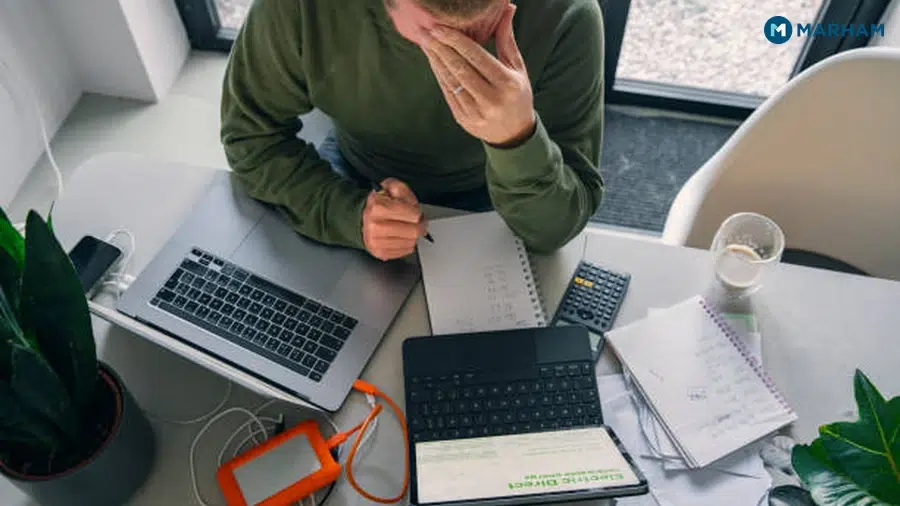
Researchers at the University of Virginia and Columbia University reviewed data from over 33,000 people and found that households under financial strain spent significantly more on over-the-counter painkillers than financially stable households. They weren’t imagining the pain. They were treating it with paracetamol.
A separate 2023 study published in PLOS ONE (National Health Interview Survey data) found a strong independent relationship between financial worries and self-reported chronic pain, even after controlling for body weight and existing health conditions. Financial stress, in other words, is a standalone risk factor for chronic pain, not just a side effect of being unwell.
For Pakistani patients, this matters in a specific way. Psychiatrists and general physicians in Pakistan frequently see patients who present with persistent body aches, headaches, or stomach pain and receive multiple physical investigations before anyone asks about their financial situation at home. The physical symptoms are real, but their root cause is often psychosocial.
Financial Stress Symptoms vs. Other Conditions
| Symptom | Financial Stress Pattern | When to Suspect Another Cause |
|---|---|---|
| Headache | Tension-type, worsens after bill-checking or family arguments about money | Sudden severe headache, vision changes, or fever alongside |
| Back or neck pain | Stiffness, worse in the morning or after a stressful day, no injury history | Radiating pain down the arm or leg, numbness, or weakness |
| Stomach pain or acidity | Burning or bloating, worse during stressful periods, relieved briefly after eating | Blood in stool, unexplained weight loss, or pain that wakes you at night |
| Heart palpitations | Occasional, linked to anxiety episodes, resolve on their own | Chest pain, shortness of breath, or palpitations lasting more than a few minutes |
| Fatigue | Worse after poor sleep, improves somewhat on restful days | Persistent despite rest, or accompanied by fever, unusual weight loss |
How to Reduce Financial Stress Physical Symptoms: Practical Steps
You can interrupt the cortisol-pain cycle without resolving the underlying financial problem. These steps work by calming the nervous system, which reduces cortisol, which reduces inflammation and pain. At least two of these steps are grounded in what’s practically available in Pakistan.
- Structured breathing for 5 minutes daily: Slow, diaphragmatic breathing activates the parasympathetic nervous system and measurably lowers cortisol within minutes. Breathe in for 4 counts, hold for 4, out for 6. This costs nothing and can be done on a charpoy, in a rickshaw, or during a chai break in Lahore or Karachi.
- Warm mustard oil massage on the neck and shoulders: Sarson ka tel (mustard oil), available at any kiryana store in Pakistan for around Rs. 300 to 500 per litre, has been used for generations to relieve muscle tension. Warming it slightly and massaging the trapezius muscles (the tops of your shoulders) for 10 minutes reduces the physical tension that financial stress locks into those muscles.
- Walk for 20 to 30 minutes in the evening: Physical movement metabolises the adrenaline and cortisol your body produced during a stressful day. A walk in a local park, on the Defence or Gulshan streets, or even around the neighbourhood is enough. You don’t need a gym.
- Limit chai after 2 pm: Caffeine raises cortisol. Most Pakistanis drink three to five cups of chai per day, often into the evening. Cutting the last two cups shifts the cortisol curve down in the second half of the day and significantly improves sleep quality, which in turn lowers pain sensitivity.
- Name the worry, then put it down: Writing down the specific financial worry (not a vague sense of dread, but the actual number or bill) and then physically closing the notebook signals to the brain that the threat has been acknowledged. Cognitive behavioural therapists call this “worry containment.” It sounds simple because it is, but it works by interrupting the rumination loop that keeps cortisol elevated.
- Talk to someone you trust: In Pakistani culture, financial stress often carries shame, especially for men who see themselves as providers. Keeping it entirely private keeps the nervous system in a constant state of alert. Sharing the burden with a spouse, sibling, or close friend reduces the perceived threat load on the brain.
When to See a Doctor for Stress-Related Pain
Most stress-related physical symptoms improve when the stress is managed. But some symptoms need professional evaluation to rule out other causes. See a doctor if your headaches are frequent and severe, if your chest pain or palpitations persist, if your stomach symptoms include blood or significant weight loss, or if your back pain is accompanied by numbness or radiating pain. These patterns may point to conditions that need investigation beyond stress management.

If your symptoms have been present for more than two weeks and are affecting your ability to work or sleep, speaking with a psychiatrist in Pakistan can help. Psychiatrists assess both the psychological and physical dimensions of chronic stress and can recommend structured therapy, lifestyle interventions, or medication where appropriate. This is not a sign of weakness. It’s the same logic as seeing a cardiologist for chest pain: you go to the right specialist for the right problem.
Persistent body pain linked to anxiety or financial stress deserves proper evaluation. A short online consultation with a verified specialist can help you understand what your body is responding to and what to do next.
Social Anxiety, Shame, and Why Pakistanis Don’t Ask for Help
There’s a layer to financial stress in Pakistan that global articles miss entirely. Financial difficulty carries social weight here. A man in Faisalabad or Rawalpindi who can’t pay school fees may not tell his wife for weeks. A woman managing a household in Karachi on a shrinking budget may absorb the anxiety silently rather than appear to be complaining. This suppression doesn’t protect the body. It amplifies the stress response.
Social anxiety and financial anxiety often reinforce each other in this way. The fear of being judged for struggling financially becomes its own chronic stressor, layered on top of the original problem. Recognising this pattern is the first step to breaking it. The physical symptoms are real, and they have a real cause. Asking for help is not a failure; it’s the most practical thing you can do.
If financial stress has been affecting your sleep, causing persistent pain, or making daily life harder for more than a few weeks, a qualified mental health professional can help you build a plan that actually works for your situation in Pakistan.
Frequently Asked Questions
Does financial stress cause physical pain?
Yes, it can. Financial stress triggers the body’s stress response, releasing cortisol and adrenaline that cause muscle tension, inflammation, and disrupted digestion. A 2021 study in Stress & Health confirmed a direct link between financial hardship and increased physical pain.
What does anxiety do to your body physically?
Anxiety activates the fight-or-flight system, which tightens muscles, raises blood pressure, speeds up the heart rate, and disrupts digestion. Over time, these responses contribute to headaches, back pain, stomach problems, and fatigue.
Can money stress cause headaches?
Yes. Tension headaches are one of the most common physical symptoms of financial stress. They result from sustained muscle tension in the neck, scalp, and jaw that builds up when cortisol stays elevated for extended periods.
How do you relieve physical symptoms of financial stress?
Structured breathing, regular walking, reducing evening caffeine, and warm oil massage on tense muscles can all lower cortisol and ease pain. If symptoms persist beyond two weeks, consulting a doctor is advisable.
Can stress cause body aches all over?
Yes. Chronic stress promotes systemic inflammation, which can cause diffuse aching across multiple muscle groups. This is sometimes called “stress myalgia” and tends to improve when the stress response is calmed.
Is it normal to feel chest pain from financial worry?
Occasional chest tightness during anxiety is common and usually related to muscle tension or rapid breathing. However, chest pain that persists, radiates to the arm or jaw, or comes with shortness of breath should always be evaluated by a doctor promptly.
When should a Pakistani with stress-related pain see a specialist?
See a doctor if symptoms last more than two weeks, significantly affect sleep or work, or include warning signs like chest pain, radiating back pain, or blood in stool. A psychiatrist or mental health specialist can help when the root cause is psychological.
Conclusion
Financial stress and physical pain share a direct biological pathway, and for millions of Pakistanis navigating inflation, rising utility costs, and economic uncertainty, that pathway is active right now. The headache after checking your bank balance, the knot in your shoulders after a difficult family conversation about money, the stomach that won’t settle: these are real symptoms with a real mechanism. Managing the stress response won’t fix the finances, but it can meaningfully reduce the physical toll while you work on the rest. Your body is asking for attention. That’s worth listening to.
This article is for general informational purposes only and does not constitute medical advice. Consult a qualified healthcare professional for diagnosis and treatment of any medical condition.