

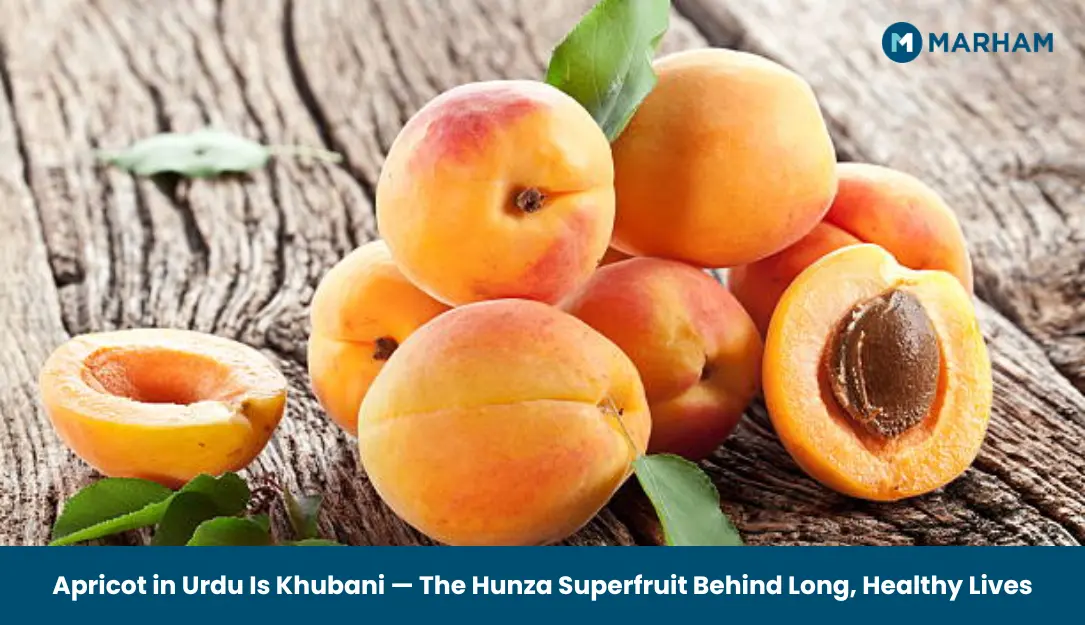
If you have ever searched “apricot in Urdu” or “apricot meaning in Urdu,” here is your answer: apricot is called خوبانی (Khubani) in Urdu. In some northern areas of Pakistan, particularly Gilgit-Baltistan and Hunza, it is also referred to as زردالو (Zardaloo). The dried version – dry apricot in Urdu – is known as خشک خوبانی (Khushk Khubani).
Now that you know the apricot meaning in Urdu, let us talk about why this golden fruit deserves far more attention in Pakistani kitchens than it currently gets. Khubani has been a staple in the Hunza Valley for centuries, and the people of Hunza are famously known for their long, healthy lives. Coincidence? Science says probably not. The apricot fruit in Urdu culture carries deep roots – from the famous Hunza apricot oil to the dried apricots that Pakistani families stock up on every winter.
Whether you eat it fresh during summer, dried during winter, or blended into a creamy khubani ka meetha, the benefits of this fruit are truly remarkable. Let us explore everything you need to know about this Pakistani superfruit.
Apricot Nutrition Facts (Per 100g Fresh Apricot)
| Nutrient | Amount | % Daily Value |
| Calories | 48 kcal | 2% |
| Vitamin A | 1926 IU | 38% |
| Vitamin C | 10 mg | 11% |
| Potassium | 259 mg | 7% |
| Dietary Fiber | 2 g | 8% |
| Iron | 0.4 mg | 2% |
| Vitamin E | 0.89 mg | 6% |
| Beta-Carotene | 1094 mcg | – |
Notable: Apricots are one of the richest fruit sources of beta-carotene, which gives them their signature golden-orange color and acts as a powerful antioxidant that your body converts into Vitamin A.
10 Powerful Apricot Benefits | خوبانی کے فائدے
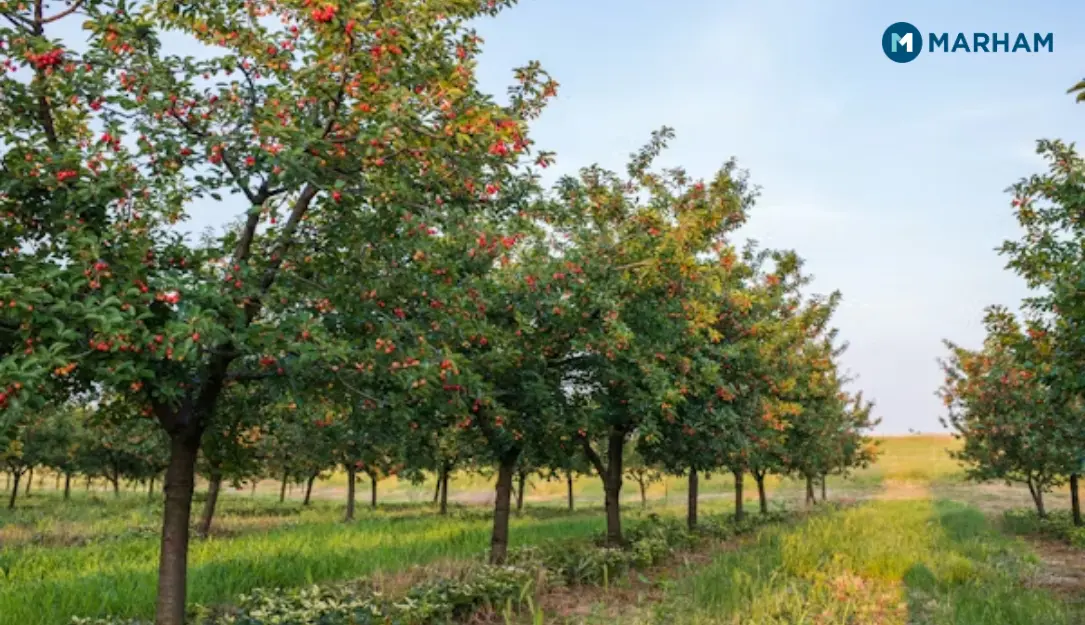
1. Protects Your Eyesight and Prevents Night Blindness
One of the most significant apricot fruit benefits is its remarkable impact on eye health. A single cup of apricots provides nearly 60% of your daily Vitamin A requirement, primarily through beta-carotene. This is especially relevant in Pakistan, where Vitamin A deficiency affects millions, particularly children in rural areas. Research shows that beta-carotene protects the retina from oxidative damage and reduces the risk of age-related macular degeneration. If you spend long hours staring at screens for work or studies, adding khubani to your diet is one of the simplest ways to protect your vision naturally.
2. Boosts Skin Health and Fights Aging
Apricot benefits for skin are among the most popular reasons people search for this fruit. The combination of Vitamin A, Vitamin C, and Vitamin E in apricots creates a powerful trio that fights wrinkles, improves skin elasticity, and promotes a natural glow. The beta-carotene protects your skin from UV damage – crucial in Pakistani summers when the sun is relentless. Studies published in dermatology journals confirm that dietary beta-carotene can reduce sunburn sensitivity and improve skin tone over time. Many Pakistani women also apply apricot oil directly to their skin, a beauty secret that has been passed down through generations in the northern areas.
3. Supports Healthy Digestion
The dietary fiber in apricots – both fresh and dried – keeps your digestive system running smoothly. Fresh apricots contain about 2 grams of fiber per 100 grams, while dry apricots pack an impressive 7 grams per 100 grams. This fiber adds bulk to your stool and promotes regular bowel movements, which is a common concern in Pakistan where many diets are low in fruits and vegetables. Apricots also contain pectin, a soluble fiber that feeds the beneficial bacteria in your gut. Eating 3-4 dried apricots after a heavy meal of biryani or nihari can help ease the digestive process significantly.
4. Strengthens Your Immune System
Khubani is a natural immune booster that deserves a spot in every Pakistani household, especially during the changing seasons when flu and infections are common. The Vitamin C and Vitamin A in apricots work together to strengthen your body’s first line of defense. Vitamin A maintains the health of your skin and mucous membranes – the barriers that prevent pathogens from entering your body. Research indicates that people with adequate Vitamin A intake have significantly stronger immune responses. During Ramadan, when your body needs extra nutritional support, adding a few dried apricots to your sehri can help maintain your immunity throughout the fasting day.
5. Excellent for Heart Health
Heart disease is Pakistan’s number one killer, making this one of the most critical apricot benefits to understand. The potassium in apricots helps regulate blood pressure by counteracting the effects of excess sodium – important in a culture where salty, spiced food is the norm. The fiber and antioxidants in khubani reduce LDL (bad) cholesterol oxidation, which is a major factor in plaque buildup in arteries. A study in the British Journal of Nutrition found that regular consumption of dried fruits, including apricots, was associated with reduced cardiovascular risk. The flavonoids in apricots also reduce inflammation in blood vessels, promoting better overall heart function.
6. Helps Manage Blood Sugar Levels
For the millions of Pakistanis dealing with diabetes or pre-diabetes, apricots are a surprisingly diabetes-friendly fruit. Despite their sweet taste, fresh apricots have a low glycemic index (GI) of around 34, meaning they release sugar slowly into the bloodstream. The fiber content further slows sugar absorption, preventing the dangerous spikes that come after eating high-GI foods like white rice or naan. Research published in Nutrition Research found that dried fruits with high fiber and polyphenol content can improve glycemic control. However, diabetic patients should stick to fresh apricots or limit dried ones to 2-3 pieces, as drying concentrates the natural sugars.
7. Promotes Strong Bones
Apricots contain several minerals essential for bone health, including calcium, potassium, and phosphorus. The potassium in khubani is particularly important because it prevents calcium loss through urine, helping your bones retain the minerals they need. This is critical for Pakistani women, who face high rates of osteoporosis due to Vitamin D deficiency and calcium-poor diets. Studies suggest that a diet rich in potassium-containing fruits can significantly improve bone mineral density over time. Adding dried apricots to your daily snacking routine is an easy and delicious way to support your skeletal health as you age.
8. Supports Healthy Pregnancy
Apricot fruit benefits are especially valuable for expecting mothers in Pakistan. Khubani is rich in iron, which helps prevent the anemia that affects a staggering number of pregnant Pakistani women. The folate content supports healthy neural development in the growing baby, particularly during the first trimester. The fiber helps manage the constipation that nearly every pregnant woman experiences, while the natural sugars provide quick energy during bouts of fatigue. Dried apricots make an excellent pregnancy snack – portable, nutritious, and gentle on a sensitive stomach. As always, consult your gynecologist about appropriate portions during pregnancy.
9. Natural Remedy for Anemia
Iron-deficiency anemia is one of Pakistan’s most widespread nutritional problems, particularly among women and children. While apricots are not the highest source of iron, the combination of iron and Vitamin C in this fruit makes the iron more bioavailable – meaning your body absorbs it more efficiently. Dry apricots are especially beneficial, containing about 2.7 mg of iron per 100 grams. In traditional Pakistani households, dried apricots soaked overnight in water are given to children and women as a natural blood-building remedy. This desi wisdom aligns perfectly with modern nutritional science – the overnight soaking makes the nutrients easier to absorb.
10. May Help Prevent Certain Cancers
The powerful antioxidants in apricots – including beta-carotene, lycopene, and chlorogenic acid – have shown promising anti-cancer properties in laboratory studies. Beta-carotene in particular has been linked to reduced risk of lung, throat, and stomach cancers in multiple epidemiological studies. The fiber in apricots also supports colon health by promoting regular elimination of waste and toxins. While no single food can prevent cancer, including antioxidant-rich fruits like khubani as part of a balanced diet is a scientifically supported strategy for reducing overall cancer risk. The apricot seeds, popular in Hunza culture, also contain compounds that are being studied for their potential health properties.
Apricot Benefits in Urdu | خوبانی کے فائدے
خوبانی پاکستان کے شمالی علاقوں کا مشہور پھل ہے جسے ہنزہ اور گلگت بلتستان میں زردالو بھی کہا جاتا ہے۔ خوبانی وٹامن اے کا بہترین قدرتی ذریعہ ہے جو آنکھوں کی صحت کے لیے انتہائی ضروری ہے۔ اس پھل میں موجود بیٹا کیروٹین جلد کو سورج کی شعاعوں سے بچاتا ہے اور قدرتی چمک فراہم کرتا ہے۔ خوبانی میں فائبر کی اچھی مقدار ہوتی ہے جو نظام ہاضمہ کو بہتر بناتی ہے اور قبض سے نجات دیتی ہے۔ دل کی صحت کے لیے خوبانی میں موجود پوٹاشیم بلڈ پریشر کو کنٹرول کرنے میں مدد کرتا ہے۔ شوگر کے مریضوں کے لیے تازہ خوبانی محفوظ ہے کیونکہ اس کا گلائسیمک انڈیکس کم ہے۔ خشک خوبانی حاملہ خواتین کے لیے بہت فائدہ مند ہے کیونکہ اس میں آئرن اور فولک ایسڈ پایا جاتا ہے۔ خون کی کمی دور کرنے کے لیے رات بھر پانی میں بھگوئی ہوئی خشک خوبانی صبح کھانا ایک پرانا اور موثر دیسی نسخہ ہے۔ روزانہ تین سے پانچ خوبانی کھانے سے قوت مدافعت بڑھتی ہے اور مجموعی صحت میں بہتری آتی ہے۔
Dry Apricot Benefits | خشک خوبانی کے فائدے
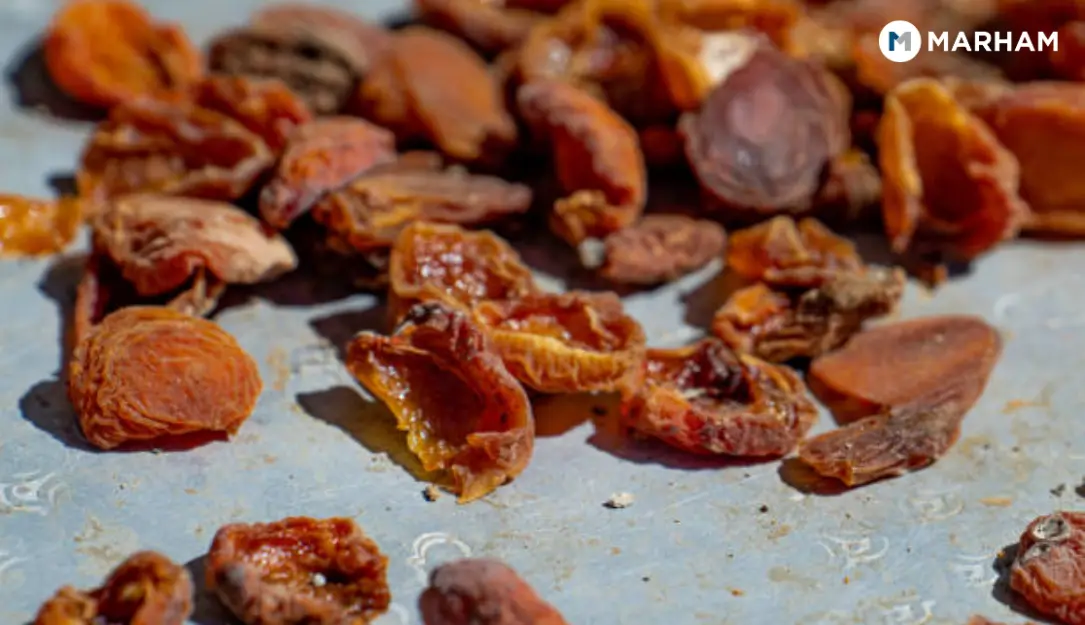
When fresh apricot season ends, dried apricots (خشک خوبانی) become the go-to option for Pakistani families – and for good reason. The drying process actually concentrates many nutrients, making dry apricot in Urdu culture a valued winter superfood.
Dried apricots contain significantly more fiber, iron, and potassium per gram than their fresh counterparts. A 100-gram serving of dried apricots provides about 7.3 grams of fiber compared to just 2 grams in fresh ones. This makes them incredibly effective for improving digestion and maintaining regular bowel movements during winter months when fresh fruit variety is limited in Pakistan.
The iron content in dried apricots is about three times higher than fresh apricots, making them a practical daily remedy for anemia – a condition that affects nearly half of Pakistani women. Soaking 4-5 dried apricots overnight and eating them first thing in the morning on an empty stomach is a traditional remedy that nutritionists still recommend today.
Dried apricots also have a longer shelf life, making them perfect for stocking up. In Pakistan, you can find high-quality dried apricots from Gilgit-Baltistan and Quetta in most dry fruit shops. They make an excellent addition to your Ramadan sehri plate – providing sustained energy through the fasting hours without causing a sugar crash.
How to Use Apricot in Your Daily Diet
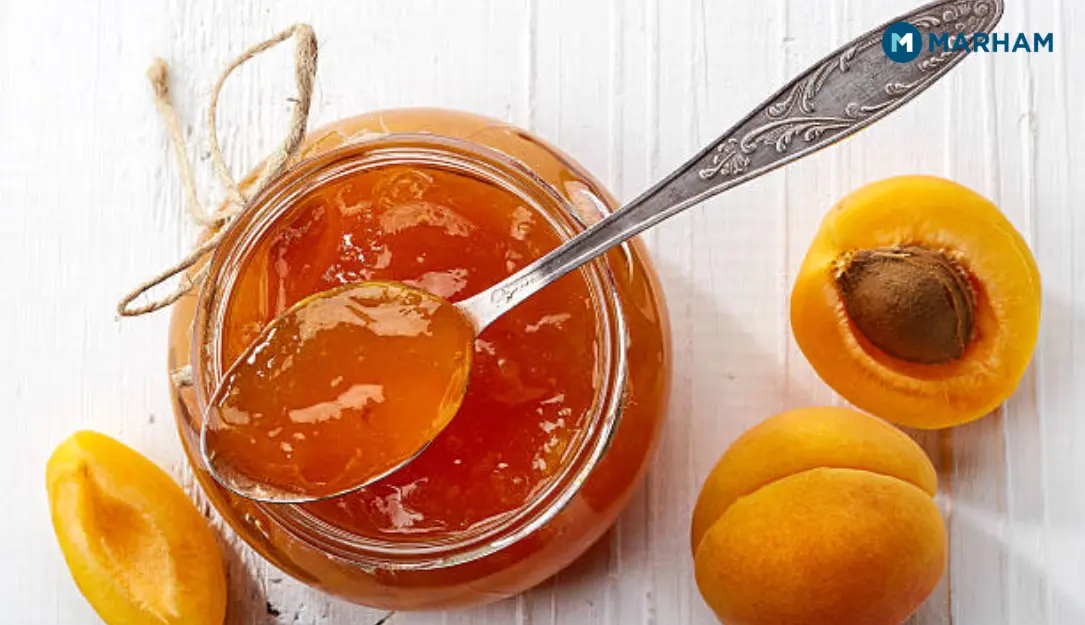
In Pakistani Cooking: Khubani ka meetha is perhaps the most famous Pakistani apricot dish – a luscious dessert from Hyderabadi cuisine where dried apricots are simmered until they form a thick, sweet compote, often topped with fresh cream or custard. You can also add chopped dried apricots to your morning dalia or oats for natural sweetness and nutrition. Apricot chutney pairs beautifully with grilled meats and is a staple at many Pakistani dinner tables.
In Beverages: Apricot shake (khubani ka shake) made with milk, a few dried or fresh apricots, and a touch of honey is a nutritious and delicious drink that children love. During Ramadan, apricot drink made by blending soaked dried apricots with cold water and a squeeze of lemon makes a refreshing iftar beverage. You can also add dried apricot pieces to your morning chai for a subtle sweetness.
As a Daily Snack: The simplest way to enjoy apricots is to keep a small container of dried apricots in your bag or at your desk. They are naturally sweet, portable, and satisfying. Mix them with almonds and walnuts for a traditional Pakistani dry fruit trail mix that provides sustained energy throughout the day.
Daily Intake Recommendation
For fresh apricots, eating 3-5 medium-sized fruits per day is considered safe and beneficial for most adults. Each fresh apricot contains roughly 17 calories, so even 5 apricots add just 85 calories to your daily intake – making them extremely weight-friendly.
For dried apricots, 3-5 pieces per day (about 30-40 grams) is the recommended amount. Since drying concentrates the natural sugars, eating too many dried apricots at once can cause digestive discomfort or blood sugar spikes in diabetic patients. Start with 2-3 pieces daily if you are new to dried fruits and increase gradually.
For apricot oil (used topically for skin and hair), a few drops massaged into your skin or scalp 2-3 times per week is sufficient. Always do a patch test before applying apricot oil to your face for the first time.
Apricot vs Peach: Which Is Better?
In Pakistan, apricots and peaches (آڑو) are often confused because of their similar appearance. Here is how they compare:
| Factor | Apricot (Khubani) | Peach (Aaroo) |
| Vitamin A | 1926 IU (38% DV) | 326 IU (7% DV) |
| Calories (100g) | 48 kcal | 39 kcal |
| Fiber | 2 g | 1.5 g |
| Potassium | 259 mg | 190 mg |
| Best Season in Pakistan | May – August | June – September |
| Drying Potential | Excellent (lasts months) | Poor (rarely dried) |
Verdict: Apricots are the clear winner for Vitamin A content and overall nutrient density, plus they have the massive advantage of being easily dried for year-round use. Peaches are slightly lower in calories and have their own unique antioxidant profile. Ideally, enjoy both during their overlapping summer season in Pakistan – your body benefits from the variety.
Side Effects and Cautions
While apricot benefits are extensive, moderation is important. Eating more than 5-6 dried apricots at once can cause bloating, gas, or diarrhea due to the concentrated fiber and sorbitol content. People with irritable bowel syndrome (IBS) should introduce dried apricots slowly into their diet.
Pregnancy: Fresh and dried apricots are generally safe and beneficial during pregnancy. However, avoid consuming apricot kernels (seeds) during pregnancy as they contain amygdalin, which can release small amounts of cyanide when metabolized. Always consult your gynecologist for personalized advice.
Drug Interactions: If you are on blood-thinning medications or potassium supplements, consult your doctor before significantly increasing your apricot intake, as the Vitamin K and potassium content may interact with these medications.
Allergies: Some people with birch pollen allergies may experience oral allergy syndrome when eating fresh apricots – symptoms include tingling or itching in the mouth. Cooking or drying the apricots usually eliminates this reaction.
Children: Apricots are safe for children over one year of age. Remove the pit completely and cut into small pieces for younger children. Dried apricots should be chopped to prevent choking risk. Limit children to 2-3 dried apricots daily due to the concentrated sugar content.
Apricot Kernels Warning: While apricot seeds are used in some traditional remedies, consuming large quantities is dangerous due to the amygdalin content. Never eat more than 1-2 small kernels per day, and keep them away from children entirely.
Consult a Nutritionist Through Marham
Want to know exactly how apricots and other superfoods can benefit your specific health condition? Whether you are managing diabetes, dealing with anemia, planning a healthy pregnancy diet, or looking for natural ways to improve your skin – a qualified nutritionist can guide you with a personalized plan. Book a consultation through Marham today by calling 0311-1222398 or visit Marham.pk to find the right specialist near you.
Conclusion
Now that you know what apricot is called in Urdu – خوبانی (Khubani) – you also know why this incredible fruit has been a cornerstone of health in Pakistan’s northern regions for centuries. From protecting your eyesight and boosting your skin to strengthening your heart and fighting anemia, apricot benefits make this golden fruit a must-have in every Pakistani household.
Start by adding 3-5 dried apricots to your daily routine, or enjoy fresh khubani during the summer season. The beauty of apricots is their versatility – eat them fresh, dried, in desserts like khubani ka meetha, or blended into a refreshing shake. As always, if you have any underlying health conditions, consult your doctor or a nutritionist through Marham before making major dietary changes. Your body will thank you for adding this Hunza-approved superfruit to your life.