

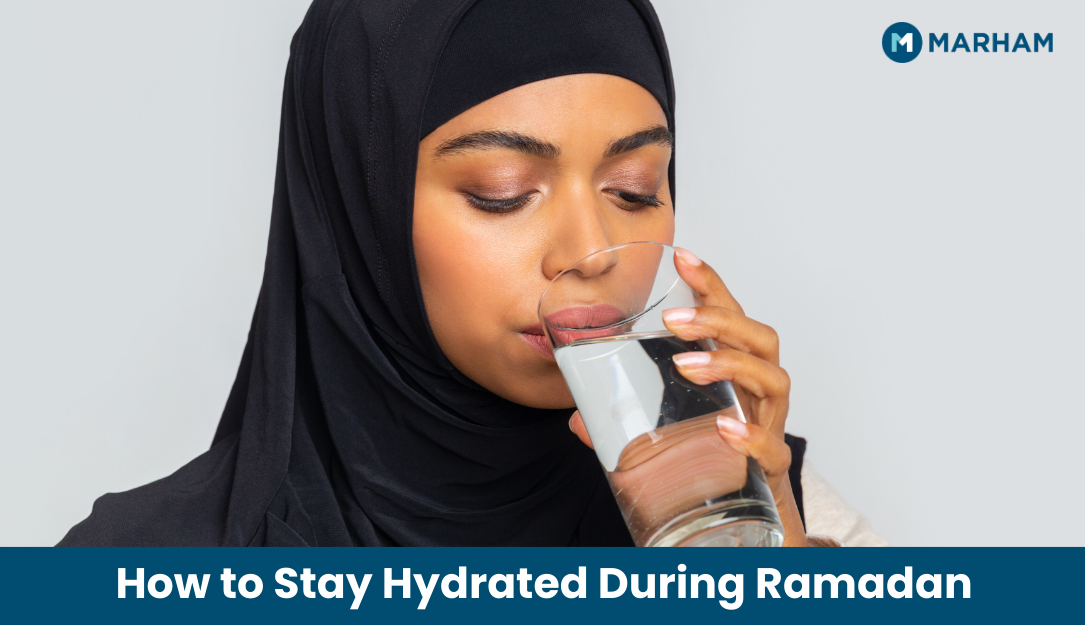
Fasting hours in Pakistan this Ramadan 2026 are between 12 and 13 hours. The month falls in February and March, so the weather is cooler. But dehydration is still the most common health problem during fasting. It usually happens because of poor drinking habits between iftar and suhoor, not because of the fast itself.
A study in the European Journal of Clinical Nutrition found that the body loses only about 1% of its water weight by sunset during a normal fast in mild weather. The real issue is that most people do not drink enough water at night to make up for it.
How Much Water Should You Drink During Ramadan?
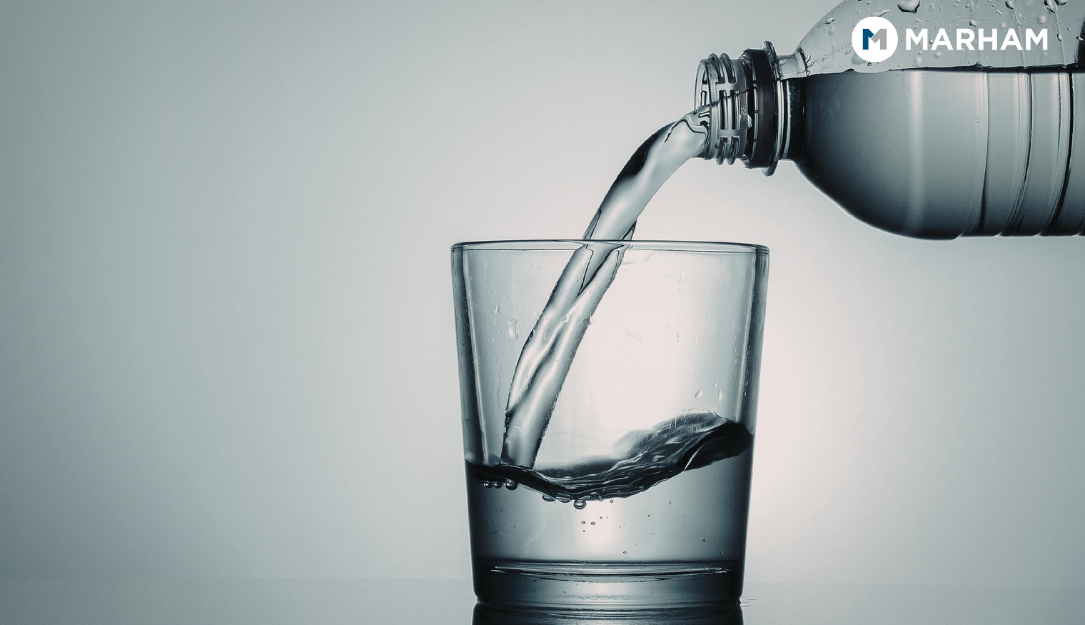
You need 8 to 12 glasses of water between iftar and suhoor. That recommendation does not change during Ramadan.
One common mistake is drinking too much water at suhoor all at once. Your body cannot store extra water. If you gulp five glasses before Fajr, your kidneys will flush most of it within two hours. You will spend the morning running to the bathroom, not staying hydrated.
A 2022 study published in Frontiers in Nutrition tracked the water intake of fasting adults. Most people drank only around 1,670 ml per day during Ramadan. That is below the recommended amount. The study also compared different drinking patterns. The one that worked best was 4-2-2: four glasses at iftar, two glasses during the night, and two glasses at suhoor.
Why does this work? After 12 hours without water, your body absorbs fluids quickly at iftar. Small sips at night keep you steady. Two glasses at suhoor are enough to start the day.
Simple Drinking Schedule for Pakistan (Ramadan 2026):
- Iftar (around 5:45 PM): 4 glasses, spread over the first hour
- Night (after Isha, before sleep): 2 glasses
- Suhoor (around 5:15 AM): 2 glasses, sipped slowly
Best Hydrating Foods for Suhoor and Iftar
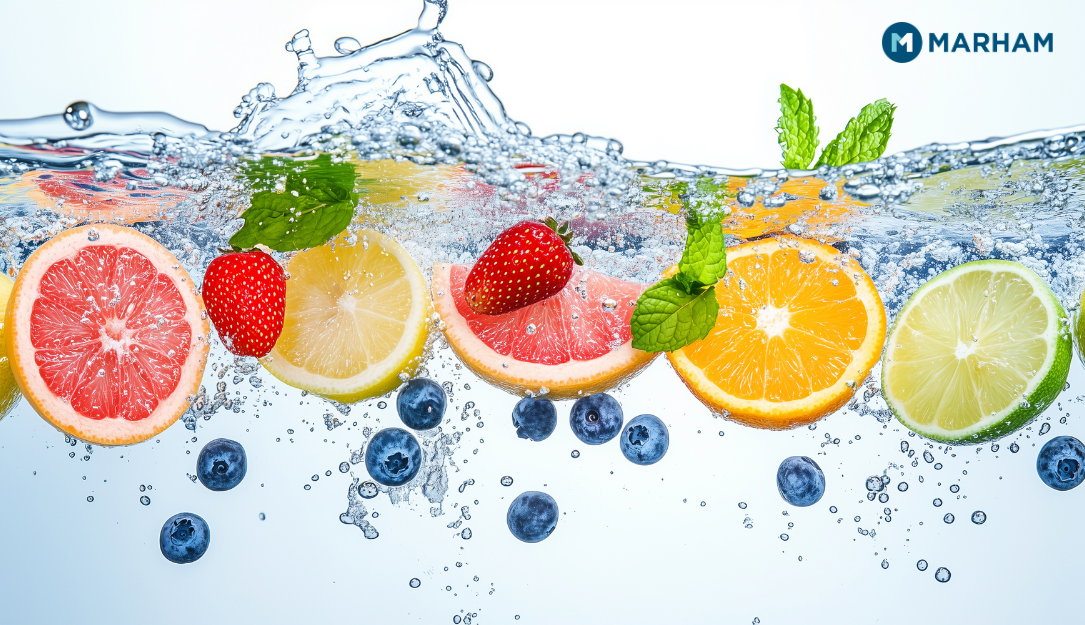
About 20% of your daily water comes from food, not drinks. During Ramadan, this matters more because you only have a few hours to eat and drink.
These foods are easy to find in Pakistani markets and are full of water:
- Cucumber (kheera): 96% water. Add to raita, salad, or eat plain with salt.
- Watermelon (tarbooz): 92% water. A popular iftar fruit across Pakistan.
- Tomatoes (tamatar): 94% water. Great in chaat, salad, or with roti.
- Yogurt (dahi): 88% water. Also helps with digestion.
- Spinach (palak): Over 90% water. Use in paratha or mix into daal.
- Oranges (malta): 86% water. In season during February.
A suhoor plate with paratha, dahi, kheera, and two glasses of water will keep you hydrated longer than nihari and chai alone. You do not have to skip heavy food. Just add water-rich items alongside it.
Does Chai Cause Dehydration During Ramadan?
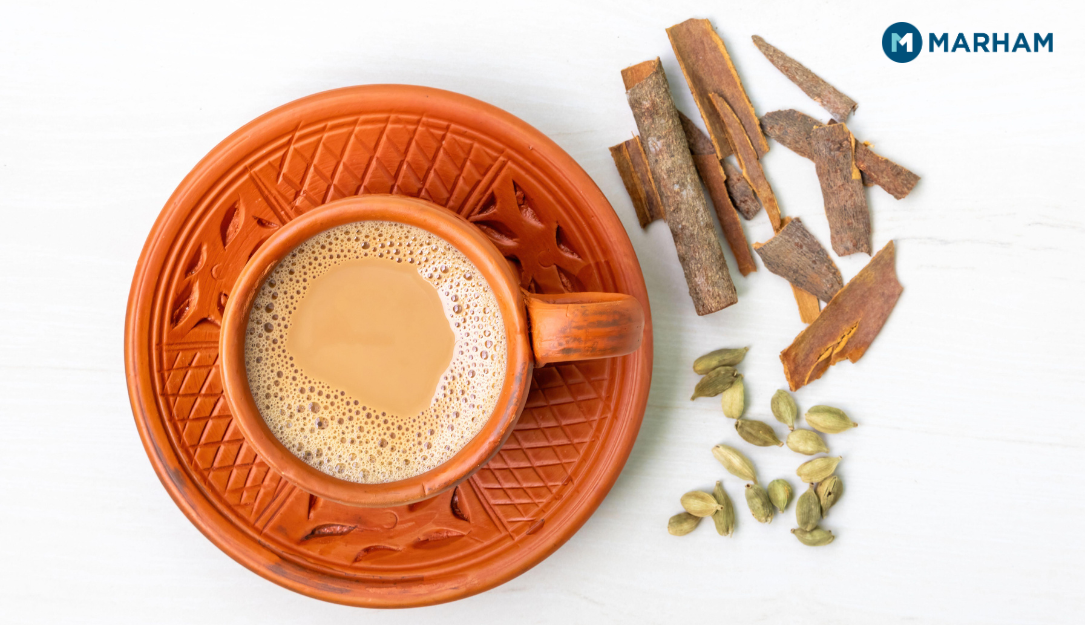
Many people in Pakistan believe that chai at iftar causes dehydration because of caffeine. Research says otherwise.
A study published in PLOS ONE tested 50 regular coffee drinkers. Half drank four cups of coffee a day. The other half drank the same amount of water. Researchers measured total body water using the most accurate method available. There was no difference in hydration between the two groups.
A 2024 review in the Journal of the International Society of Sports Nutrition also confirmed this. Moderate caffeine (about 3 cups of tea or coffee per day) does not increase urine output in people who drink it regularly.
So your chai at iftar still counts as fluid. Just make sure you are also drinking plain water throughout the night.
Signs of Dehydration During Ramadan
These are common warning signs, especially in the last hours before iftar:
- Dark yellow urine at suhoor time
- Headache that gets worse in the afternoon
- Dizziness when you stand up
- Dry mouth and cracked lips
- Muscle cramps or feeling tired for no reason
If you feel confused, faint, or have severe cramps, that is serious dehydration. According to Virginia Tech’s nutrition research, these symptoms need attention right away. Islam allows you to break your fast to protect your health. Do not push through these signs.
Quick self-check: Look at your urine color at suhoor. Pale yellow means you drank enough last night. Dark amber means you need more water tonight.
What to Avoid at Suhoor
Salty and fried foods pull water out of your body. A suhoor full of pakoras or salty biryani will make you thirstier by noon. Try to keep suhoor balanced. Include some protein, fiber, water-rich fruits or vegetables, and plain water.
When to See a Doctor
People with kidney disease, diabetes, or other chronic conditions face higher dehydration risks during fasting. Talk to your doctor before Ramadan begins.
You can book an online or in-person consultation with experienced doctors on Marham. Call 0311-1222398 to schedule your appointment today!