


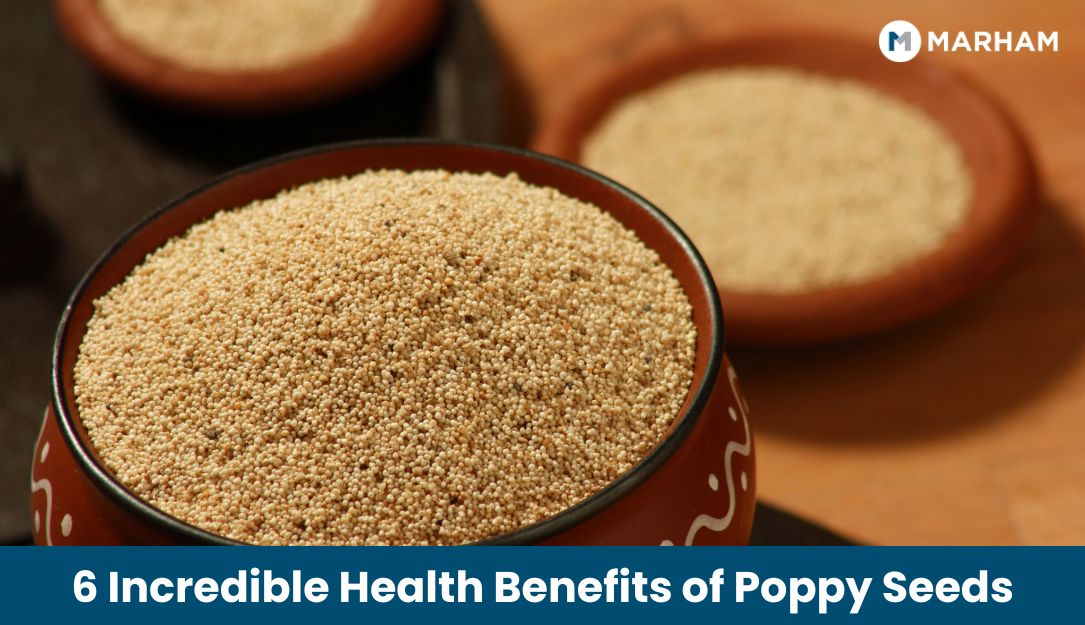
Poppy seeds are locally known as “khashkash” in Pakistan. They have been part of our traditional kitchens and home remedies for centuries. These tiny, kidney-shaped seeds come from the Papaver somniferum plant. They pack a remarkable nutritional punch that science now confirms. According to the USDA National Nutrient Database, these seeds rank among the most mineral-dense foods available.
From your grandmother’s kheer recipe and bagels to a hakeem’s sleep remedy, poppy seeds have long been trusted in traditional homes. Today, modern research supports many of these age-old uses. Let’s take a closer look at what science says about these powerful seeds.
Nutritional Profile of Poppy Seeds
According to USDA data, 100 grams of poppy seeds contain:
- Calories: 525
- Protein: 18 g
- Carbohydrates: 28 g
- Healthy fats: 41.6 g
The mineral content is particularly impressive:
- Calcium: 1,438 mg (144% DV)
- Manganese: 6.7 mg (335% DV)
- Phosphorus: 870 mg (124% DV)
- Iron: 9.8 mg (122% DV)
- Copper: 1.6 mg (181% DV)
- Magnesium: 347 mg (83% DV)
- Zinc: 7.9 mg (72% DV)
Additionally, Medical News Today notes that just three tablespoons (28 g) of poppy seeds provide:
- 35% of daily calcium needs
- 35% of magnesium
- 28% of dietary fiber
- About 6 grams of protein
These numbers show that poppy seeds are more than just a flavorful ingredient. They are a powerhouse of nutrition that can benefit bones, muscles, and overall health when used in moderation.
Top 6 Health Benefits of Poppy Seeds
Exceptional Source of Bone-Building Minerals
Poppy seeds are an amazing nutritional source for your bones. According to USDA data, they contain about 1.5 times more calcium than sesame seeds (1,438 mg vs. 975 mg per 100 g). This makes them one of the richest plant-based calcium sources available.
With 144% of your daily calcium needs per 100 grams, poppy seeds play a key role in supporting strong bones. The combination of calcium, phosphorus (124% DV), and manganese (335% DV) works together to maintain bone density and overall skeletal health.
Research published in PMC (PubMed Central) also confirms that these seeds contain all essential amino acids, which are the building blocks of protein that your body cannot make on its own. These amino acids are needed to build and repair tissues, including bones.
However, tryptophan is the “limiting” amino acid, which means it is present in the smallest amount compared to the others. Due to this, the body can only use the protein in poppy seeds up to the level of tryptophan available.
Supports Digestive Health
According to USDA data, 100 grams of poppy seeds provide 19.5 grams of dietary fiber, representing 51% of recommended daily intake. This high fiber content helps regulate bowel movements and prevents constipation.
A study in the journal Nutrients found that fiber-rich seeds like these seeds support gut microbiome diversity and improve overall digestive function. The fiber also binds to bile salts, which may help reduce LDL cholesterol absorption in the colon.
Rich in Heart-Healthy Fats
Research published in PMC in 2020 shows that poppy seed oil is rich in healthy fats, with 68% polyunsaturated fatty acids. Most of these are linoleic acid (omega-6), which makes up 60–70% of total fats. The European Food Safety Authority notes that moderate linoleic acid intake supports healthy cholesterol levels and heart health.
May Improve Fertility
A 2017 study in the New England Journal of Medicine involving 1,119 women found that women whose fallopian tubes were flushed with poppy seed oil showed a 40% pregnancy rate within six months, compared to 29% in the water-based group.
Contains Powerful Antioxidants
As per a PMC research, poppy seeds contain significant amounts of γ-tocopherol (222 mg/kg in the oil). This is a form of vitamin E that helps prevent oxidative stress and decreases inflammation. A PubMed study confirmed that poppy seed oil improves antioxidant defense capacity.
Supports Nervous System Function
Poppy seeds are rich in thiamine (71% of daily value per 100g), essential for nerve function, and magnesium (83% DV), which plays an important role in regulating the nervous system. These minerals support neurotransmitter function and may explain traditional use of these seeds for promoting relaxation.
How to Use Poppy Seeds
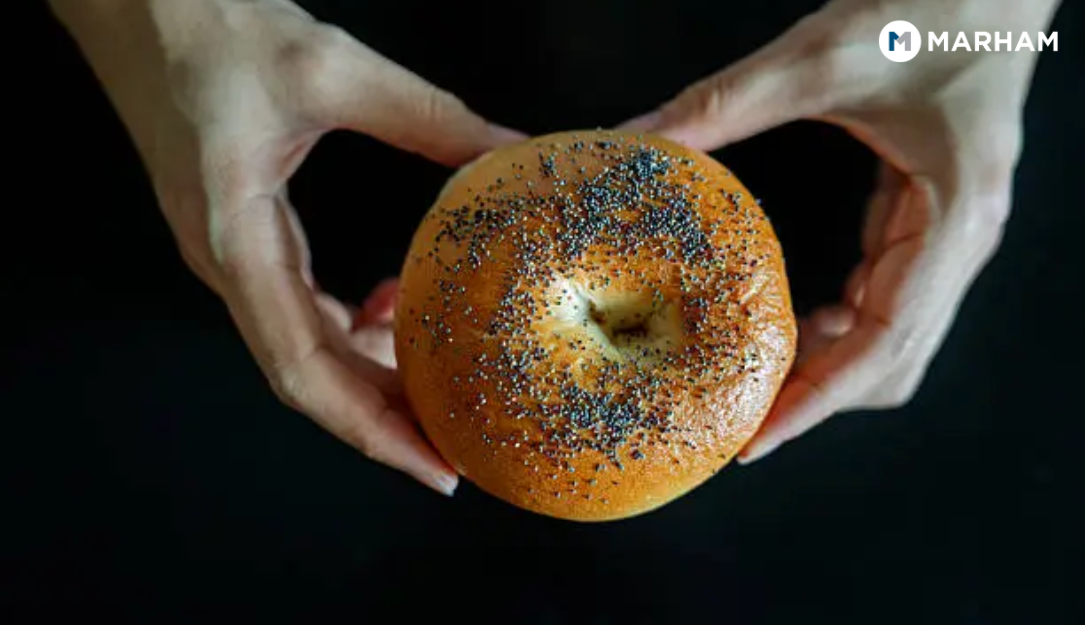
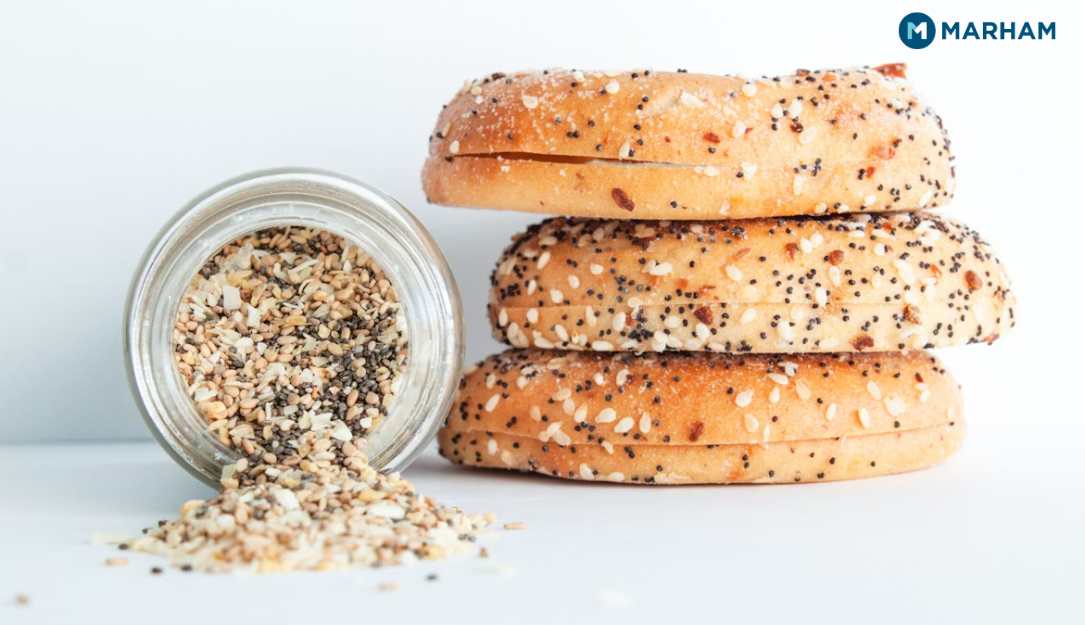
Poppy seeds are easy to add to your daily meals. Sprinkle them on bagels, naan, roti, and pastries for extra crunch, mix them into kheer and halwa for rich flavor, or soak and grind them into a smooth paste for curries and gravies.
Research published in PMC shows that soaking and fermenting poppy seeds helps reduce phytic acid, which improves the body’s ability to absorb important minerals like calcium and iron.
For most adults, consuming 1–2 tablespoons daily is safe and beneficial. Studies also suggest that even amounts up to 35 grams are generally well tolerated, making poppy seeds a simple and safe addition to a healthy diet.
Precautions and Side Effects
Poppy seeds are generally safe when used in food, but a few precautions are worth noting. The European Food Safety Authority (2011) reported that food processing reduces trace opioid compounds in these seeds by around 90%. This makes them safe for most people.
Key considerations:
- Drug tests: Rarely, poppy seeds may trigger a false-positive result for opiates.
- Pregnancy: Consult your healthcare provider before consuming them regularly.
- Allergies: If you are allergic to hazelnut, sesame, or buckwheat, you may also react to these seeds.
- Quality matters: Always buy from reputable sources to ensure safety and freshness.
By keeping these points in mind, you can enjoy the health benefits of poppy seeds safely and confidently.
When to Consult a Doctor
If you have specific health concerns like chronic sleep problems, digestive issues, or nutrient deficiencies, it’s always best to consult a healthcare professional for personalized guidance.
Get Expert Nutrition Advice from Marham
Want personalised guidance on including poppy seeds and other healthy foods in your diet? Marham connects you with qualified nutritionists across Pakistan who can create a diet plan suited to your health goals.
From advice on weight management and digestive health to managing specific conditions, our experts are ready to help you make the right choices for a healthier life. Book your consultation today! Visit Marham.pk or call 0311-1222398 to find the best nutritionist near you.
FAQs About Poppy Seeds
Are poppy seeds safe to eat daily?
Yes, consuming 1-2 tablespoons daily is safe for most adults. Research indicates even amounts up to 35 grams are generally well-tolerated.
Do poppy seeds cause addiction?
No, culinary poppy seeds have no narcotic properties because the opium-producing fluid is present only before seeds are fully formed.
How do poppy seeds compare to other seeds nutritionally?
Poppy seeds contain approximately 1.5 times more calcium than whole sesame seeds and provide all nine essential amino acids, though tryptophan is the limiting amino acid.
Can poppy seeds help with relaxation?
Their high magnesium content (83% DV per 100g) supports nervous system function and may promote relaxation. However, they should not replace professional treatment for sleep disorders.
