

Have you ever noticed why Pakistani physicians prescribe zinc supplements for various health conditions? The reason is that 43% of children and over 35% of adults are affected by zinc deficiency. Zinc is a mineral that helps build immunity, manage diseases, prevent viral infections, and combat seasonal illnesses.
Zinc is a micronutrient, required in small amounts but involved in almost 300 enzymatic reactions. It is not stored in the body, which is why daily intake through food is necessary. Marham connects you with the qualified physicians who help you to fulfill the requirement of zinc in your body. In this blog, you will get all the information about zinc supplements in Pakistan, including their benefits, uses, and daily requirements.
What is Zinc?
Zinc is a micronutrient involved in many functions. It requires the catalytic activity of hundreds of enzymes, boosts the immune system, enhances protein and DNA synthesis, and senses of smell and taste. The wound healing property involves the signaling and division of cells that speed up the recovery.
It helps cognitive and developmental growth during pregnancy, infancy, and childhood. Most physicians recommend zinc in the treatment and management of diarrhea, acne, diabetes, burns, anorexia, and many other conditions.
💡 Do you know that the amount of zinc in the body is 1.5 g in women and 2.5 g in men?
Role of Zinc in the Human Body
Zinc is absorbed in the gastrointestinal tract, then transferred to the tissues and enters the cells. It is further distributed in the organelles, both intra- and extracellularly. It binds with proteins such as albumin and macroglobulin. Zinc helps in the activation of T cells, which destroy virus-infected cells. Moreover, neoplasms require zinc for the formation of complexes between protein LCK and the T-cell coreceptor.
It is essential for the production of acids that kill pathogenic bacteria. Zinc stimulates the beta cells of the pancreas to prevent excessive insulin release and helps in the formation of insulin crystals. It reduces inflammation and infections in the body. It also has oxidative properties, regulates vascular tone, and reduces clot stiffness.
Signs of Low Zinc
Signs of low zinc (zinc deficiency) include a variety of symptoms affecting multiple body systems:
- Weak immune system
- Frequent colds and infections
- Loss of hair
- Weak bones and slow development
- Premature balding
- Slow healing process of wounds
- Skin issues such as acne, eczema, dry, and scaling skin
- white spots on nails
- Brittle and slow growth of nails
- Mouth ulcers
- Digestive complaints
- Muscular weakness
- Infertility
If you have three or more of these symptoms, don’t wait for the problem to get worse. Book your consultation with the best general physician in Pakistan to get your zinc level tested and managed.
Benefits of Zinc
Immunity
Zinc supplements support the immune system by increasing T cell production, which kills bacteria and infections.
Healing Process
It speeds up the healing process by synthesizing collagen and reducing inflammation. It is helpful for ulcers and burns.
Growth and Development
Zinc is vital for the growth and development of the fetus and children. It supports cell growth, division, DNA synthesis, and protein production.
Oxidative Properties
Its oxidative properties protect vital organs such as the heart, liver, and brain. It also helps prevent chronic diseases like type 2 diabetes, cardiovascular disease, and cancer.
Vision
Zinc reduces the risk of age-related macular degeneration and protects the eyes from vision loss.
Skin Problems
It is highly beneficial for the skin, treating skin problems such as acne and dermatitis.
Sensory Development
Zinc is important for the development of the senses of taste and smell.
Bone Health
It helps in bone development and protection against osteoporosis.
Zinc Supplements in Pakistan
Zinc supplements are widely available in various forms, such as tablets, capsules, syrups, and powders, in Pakistan. Physicians routinely prescribe them to treat zinc deficiency, weakened immunity, slow wound healing, skin disorders, and growth retardation in children.
Pharmacies are selling locally produced and imported Zinc products commercially across the country through online distribution channels. The price usually depends on the form and brand, but they are generally affordable and accessible.
Taking zinc supplements should be done with medical guidance since deficiency and its overconsumption can bring about unhealthy conditions.
Daily requirement of Zinc Supplement
The recommended dose of zinc supplements depends on a person’s gender, age, and physiology. The best general physician in Pakistan recommends the right dose for you. The Recommended Dietary Allowance suggests the following average values for zinc:
- Children (1–3 years): 3 mg per day
- Children (4–8 years): 5 mg per day
- Adolescents (9–13 years): 8 mg per day
- Adolescents (14–18 years): Males 11 mg, Females 9 mg/day
- Adult men (19 years and older): 11 mg of elemental zinc per day
- Adult women (19 years and older): 8 mg per day
- Pregnant women: 11–12 mg per day
- Lactating women: 12–13 mg per day
Food Sources for Zinc
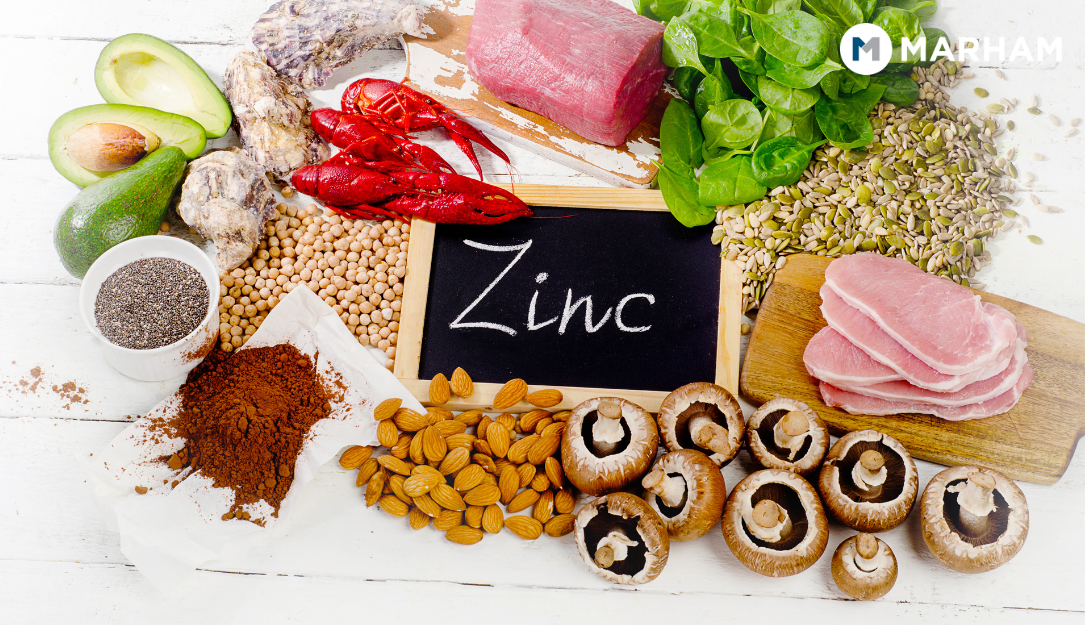
The following is a list of foods that contain zinc:
- Red meat, such as beef and mutton.
- Chicken is a good source of zinc.
- Fish and seafood also provide zinc.
- Lentils, chickpeas, black gram (urd), and kidney beans are staple plant-based sources of zinc.
- Whole grains such as wheat (chapati), rice, and maize contain zinc but also have phytates, which can reduce absorption.
- Milk, yogurt, and cheese are good sources of bioavailable zinc.
- Pumpkin seeds, sesame seeds, and almonds are rich in zinc.
- Eggs provide a moderate amount of zinc.
These are sources of zinc, but a well-designed diet plan helps you get enough. The best nutritionist in Pakistan can create a diet plan to meet your zinc needs.
Side Effects of Excessive Zinc
Most people tolerate zinc supplements. Side effects usually occur in case of overdose and allergy. The following are the possible side effects:
Bottom Line
Zinc is an essential micronutrient that plays a critical role in immunity, wound healing, growth, and overall health. 43% of Pakistani children and 35% of adults suffer from zinc deficiency. This nutritional gap is affecting millions of lives.
The good news? Zinc deficiency is preventable and reversible with proper supplementation and dietary adjustments. However, self-diagnosing and self-medicating can lead to improper dosing or missed underlying health conditions. Marham connects you with Pakistan’s qualified physicians and nutritionists to help you recover and maintain optimal zinc levels in your body.