

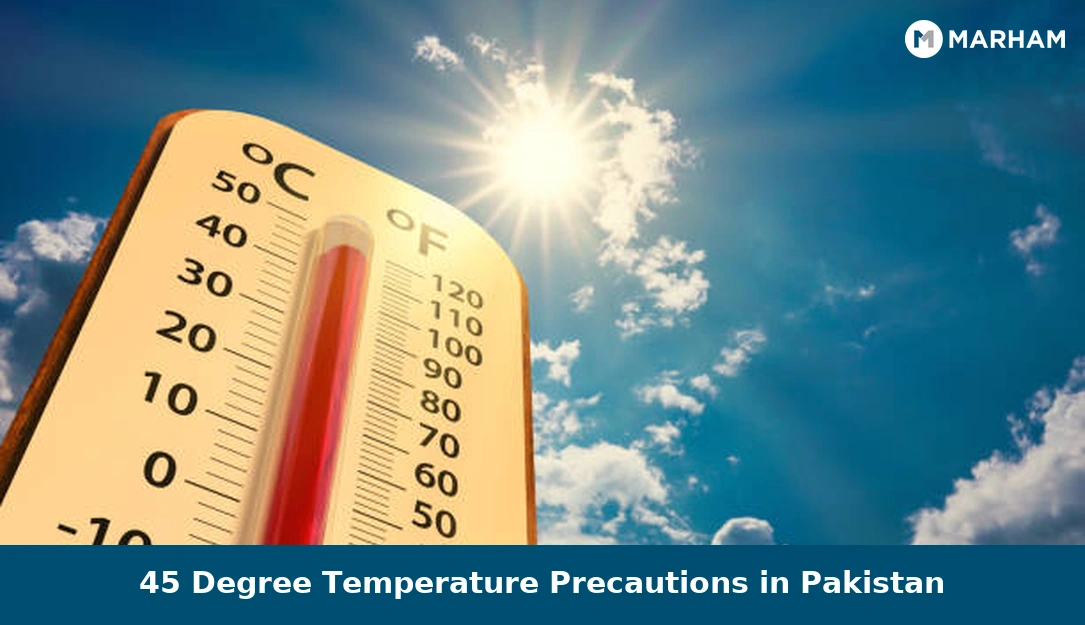
Every May and June, parts of Pakistan turn into some of the hottest places on Earth. Multan, Jacobabad, Nawabshah, and Dadu regularly hit 45°C or above, and the Pakistan Meteorological Department has issued red-level heatwave alerts for southern Punjab and Sindh during these months. This isn’t uncomfortable weather. At this temperature, the risk of serious heat-related illness rises sharply for anyone spending time outdoors.
The 2015 Karachi heatwave is a stark reminder of what can happen without awareness. According to a study published in the Journal of the Pakistan Medical Association (2025), over 500 lives were lost within six days when temperatures soared to 49°C, with more than 6,000 heatstroke cases admitted to hospitals across the city. Many of those deaths were preventable.
Knowing the right precautions, recognising early warning signs, and understanding what to do in an emergency can make a real difference. This guide covers all three, with practical advice grounded in Pakistani conditions.
Quick Answer
At 45°C, your body’s ability to cool itself is seriously stressed. Stay indoors between 10 AM and 4 PM, drink at least 2 to 3 litres of water throughout the day, wear loose cotton or lawn fabric, and learn to recognise the early signs of heat exhaustion before they turn into heatstroke. Heatstroke is a medical emergency. If someone stops sweating, becomes confused, or loses consciousness in the heat, call for help immediately.
گرمی میں احتیاط | Garmi Mein Ehtiyat
پاکستان میں مئی اور جون کے مہینوں میں درجہ حرارت 45 ڈگری سینٹی گریڈ یا اس سے بھی زیادہ ہو جاتا ہے، جو صحت کے لیے انتہائی خطرناک ہو سکتا ہے۔ لو لگنا (ہیٹ اسٹروک) ایک سنگین طبی ایمرجنسی ہے جو بروقت علاج نہ ملنے پر دماغ، گردے اور دل کو نقصان پہنچا سکتی ہے۔ دن کے 10 بجے سے شام 4 بجے تک باہر نکلنے سے گریز کریں، کافی مقدار میں پانی پئیں، اور سوتی یا لان کے ڈھیلے کپڑے پہنیں۔ اگر کسی کو چکر آئیں، پسینہ بند ہو جائے یا وہ بے ہوش ہو جائے تو فوری طبی مدد حاصل کریں۔
Heat Exhaustion vs. Heatstroke: Know the Difference
Heat exhaustion and heatstroke are not the same condition, and mixing them up can cost time when time matters most. Heat exhaustion is the earlier, less severe stage. Heatstroke is the emergency.
| Feature | Heat Exhaustion | Heatstroke |
|---|---|---|
| Body temperature | Elevated but below 40°C | 40°C (104°F) or higher |
| Sweating | Heavy sweating | Sweating stops; skin hot and dry |
| Mental state | Weakness, fatigue, dizziness | Confusion, slurred speech, unconsciousness |
| Nausea | Common | Common, may vomit |
| Action needed | Move to shade, cool down, drink water | Medical emergency — call for help immediately |
The Pakistan Medical Association (PMA) has urged the public to recognise these differences and act fast. Heat exhaustion can progress to heatstroke within minutes if cooling is not started. According to the World Health Organization, heatstroke is a life-threatening condition marked by dangerously high body temperature and the risk of organ failure.
Who Is Most at Risk During a Pakistani Heatwave?
Certain groups face a higher risk when temperatures cross 45°C, and knowing who they are helps families take extra care.
- Outdoor labourers — construction workers, farmers, and rickshaw drivers in cities like Lahore and Karachi face the longest exposure with the least shade.
- Children under 5 — their bodies heat up faster and they can’t always communicate thirst.
- Adults over 65 — the body’s sweating efficiency tends to decrease with age, making it harder to cool down naturally.
- People with chronic illness — those managing diabetes, hypertension, or kidney disease face added strain on organs already under pressure.
- Fasting individuals during Ramadan — no fluid intake during daylight hours significantly increases dehydration risk when temperatures are extreme. Sehri should include water-rich foods, and iftar should begin with water before anything heavy.
- Women managing kitchen work — prolonged cooking near gas stoves in poorly ventilated kitchens in summer adds a real heat load that’s often overlooked.
Precautions for 45 Degree Temperature: Step-by-Step Guide
These steps are ordered by priority. The first three matter most. Do them consistently, not just on the hottest day.
- Stay indoors from 10 AM to 4 PM. This is the window when direct solar radiation is at its peak across Pakistan. The Pakistan Meteorological Department specifically advises against outdoor activity during these hours. If you must go out, plan your errand before 9 AM or after 5 PM.
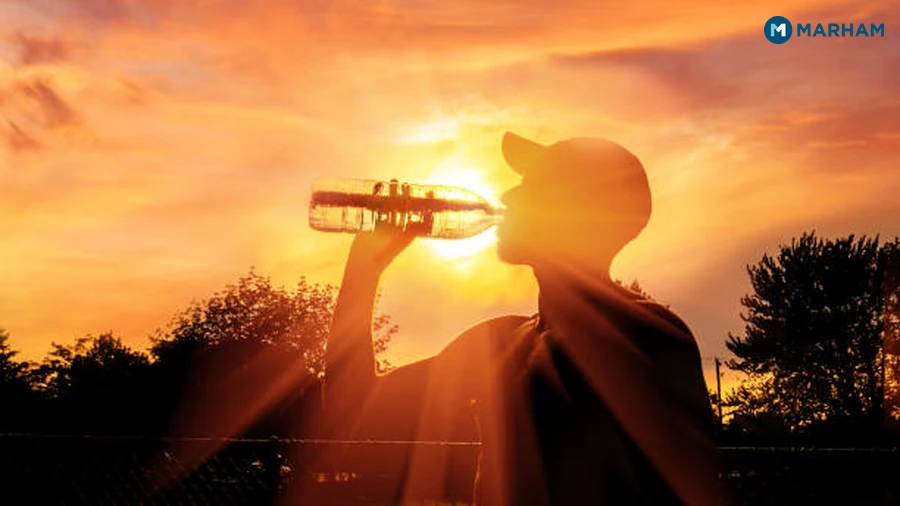
- Drink water before you feel thirsty. Thirst is a late signal. By the time you feel thirsty in 45°C heat, you may already be mildly dehydrated. Aim for 2 to 3 litres across the day, taken in small, regular sips. Avoid chilled water straight from the fridge — room-temperature or slightly cool water is absorbed faster by a hot body. A traditional clay matka (earthen pot) keeps water naturally cool at around 18 to 22°C without electricity, which is ideal.
- Wear loose, light-coloured cotton or lawn fabric. Pakistani lawn fabric is genuinely one of the best materials for extreme heat. It’s lightweight, breathes well, and allows sweat to evaporate. Women can pair a cotton dupatta over the head as sun protection. Men working outdoors should wear a light cotton shalwar kameez rather than synthetic fabrics. Dark colours absorb heat; stick to white, off-white, or pastel shades.
- Cover your head and eyes when going out. Direct sun on the head is one of the fastest routes to heat exhaustion. A wide-brimmed hat, a cotton topi, or a dupatta draped loosely over the head all work. Sunglasses protect the eyes from UV glare, which is intense when pavements and walls reflect heat in cities like Karachi and Islamabad.
- Eat light, cooling foods. Heavy, protein-rich meals increase internal heat production. In extreme heat, favour water-rich fruits like tarbuz (watermelon), kharbooza (muskmelon), and falsa. Dahi (yoghurt) with a pinch of salt and rooh afza with water make excellent cooling drinks. Avoid heavy biryani or karahi at midday — save those for the evening when the body is less heat-stressed.
- Cool your home without AC if needed. Close blinds and curtains during the day to block direct sunlight. Open windows at night when outside air is cooler. A pedestal fan directed at a tray of ice creates a makeshift cooling effect. Moving to the ground floor or basement helps because hot air rises. Switch off lights and appliances not in use — they all generate heat.
- Check on vulnerable people around you. Elderly neighbours, young children, and outdoor workers may not ask for help. A brief check-in during a heatwave can be life-saving. In Punjab and Sindh, community volunteers and mosque announcements have been used during past heatwaves to reach people without access to media.
What to Drink and Eat in 45°C Heat
Hydration is not just about water. When you sweat heavily, you also lose electrolytes — mainly sodium and potassium — and replacing only water without these can sometimes cause muscle cramps or light-headedness.
- ORS (Oral Rehydration Solution) — available at most pharmacies in Pakistan for around Rs. 20 to 30 per sachet. Mix one sachet in a litre of clean water. This is the most effective and affordable rehydration option, especially for children and the elderly.
- Nimbu pani with a pinch of salt and sugar — a homemade electrolyte drink. The salt replaces sodium; the sugar helps absorption. Squeeze half a lemon into a glass of water, add a pinch of salt and a teaspoon of sugar.
- Lassi (plain, not sweet) — yoghurt-based, cooling, and provides potassium. Salted lassi is better than sweet lassi in extreme heat.
- Coconut water — naturally rich in electrolytes. Available at juice stalls across Karachi and Lahore during summer.
- Avoid: very sweet cold drinks, caffeine, and chai in excess — these can increase urine output and worsen dehydration.
What to Do If Someone Collapses from Heat
Heatstroke is a medical emergency. If someone is confused, has stopped sweating despite the heat, has very hot and dry skin, or loses consciousness, do not wait. Call emergency services and start cooling immediately while help is on the way.
- Move the person to shade or a cool, ventilated space right away.
- Remove outer clothing.
- Apply cool (not ice-cold) wet cloths to the neck, armpits, and groin — these areas have large blood vessels close to the skin and cool the body fastest.
- Fan the person to speed up evaporative cooling.
- If conscious, give small sips of water or ORS — do not force fluids on an unconscious person.
- Do not give paracetamol or aspirin for heatstroke — these are not effective for heat-related high temperature and may add strain to the liver or kidneys under heat stress.
Special Precautions for Children and the Elderly in Pakistan’s Heat
Children’s bodies heat up roughly three to five times faster than adults in the same conditions because their surface-area-to-body-weight ratio is higher. Never leave a child in a parked car, even for a few minutes. A closed car in 45°C ambient heat can reach 65°C or more inside within 20 minutes.
For older adults, the challenge is different. Sweating efficiency tends to decline with age, so they may not feel as hot as they actually are. Encourage elderly family members to drink water regularly even if they say they’re not thirsty, and check on them at least twice during the hottest part of the day. If they’re managing diabetes or hypertension, heat can affect blood sugar and blood pressure control, so extra monitoring during a heatwave is worth discussing with their doctor.
If an elderly family member or someone with a chronic illness is struggling with heat-related symptoms, a quick online consultation can help you decide whether home care is enough or whether they need to be seen in person.
When to See a Doctor for Heat-Related Illness
Most cases of mild heat exhaustion improve with rest, shade, and fluids within 30 to 60 minutes. But some situations need professional evaluation. See a doctor if symptoms don’t improve after an hour of cooling and rehydration, if the person is a child under 2 or an adult over 65, if there is persistent vomiting that prevents fluid intake, or if there is any confusion, unusual behaviour, or loss of consciousness.
Consulting a general physician in Pakistan early can prevent a manageable case of heat exhaustion from becoming a life-threatening emergency. If the person has an underlying condition like kidney disease or heart disease, heat stress can trigger complications that need urgent attention.
Marham connects you with verified doctors across Pakistan for online consultations — useful when you need quick guidance during a heatwave without travelling in the heat itself.
Frequently Asked Questions
Is 45 degree Celsius temperature dangerous for health?
Yes, 45°C is genuinely dangerous, especially with prolonged outdoor exposure. At this temperature, the body’s cooling system is under severe stress and heat exhaustion or heatstroke can develop within an hour for vulnerable individuals. Children, the elderly, and outdoor workers are at highest risk.
How much water should I drink in 45 degree heat?
Aim for 2 to 3 litres of water spread across the day in small, regular sips. If you’re working outdoors or sweating heavily, you may need more. Adding a pinch of salt or using ORS sachets helps replace electrolytes lost through sweat.
Can a fan prevent heatstroke in extreme heat?
A fan alone is not enough at 45°C. Fans help by speeding up sweat evaporation, but if the air temperature is already above body temperature, a fan can actually increase heat absorption. Combine a fan with wet cloths on the body or a tray of ice in front of the fan for meaningful cooling.
What are the early warning signs of heatstroke in Urdu (لو)?
Early signs of loo (لو) or heatstroke include a sudden throbbing headache, hot and dry skin, rapid heartbeat, dizziness, and confusion. If sweating stops completely and the person becomes disoriented, this is a medical emergency and they need immediate cooling and hospital care.
Is it safe to fast during Ramadan in 45 degree heat?
Fasting in extreme heat increases dehydration risk significantly. To reduce this, eat water-rich foods at sehri, avoid salty or very sweet foods that increase thirst, rest during peak heat hours, and break your fast with water and ORS before heavier food. Anyone with a chronic illness should consult their doctor about fasting safely in a heatwave.
What foods should I avoid in extreme heat?
Avoid heavy, protein-rich meals like red meat and fried foods at midday, as they raise internal body temperature during digestion. Very sweet cold drinks and excess chai can worsen dehydration. Opt for water-rich fruits, yoghurt, and light meals instead.
When should I take someone to hospital for heat-related illness?
Go to a hospital immediately if the person is confused, unconscious, or has stopped sweating despite extreme heat. Also seek urgent care if symptoms of heat exhaustion don’t improve within an hour of rest and rehydration, or if the person is a young child or elderly adult with an existing medical condition.
Conclusion
A 45°C day in Pakistan is not just uncomfortable — it’s a genuine health hazard that claims lives every year. The good news is that most heat-related illness is preventable with a few consistent habits: staying indoors during peak hours, drinking water before thirst sets in, choosing the right clothing, and knowing the difference between heat exhaustion and heatstroke. Keep an eye on the people around you, especially children, the elderly, and anyone fasting or working outdoors, and act quickly if symptoms appear.
This article is for general health awareness only and does not replace professional medical advice. Consult a qualified doctor for personal medical guidance.