


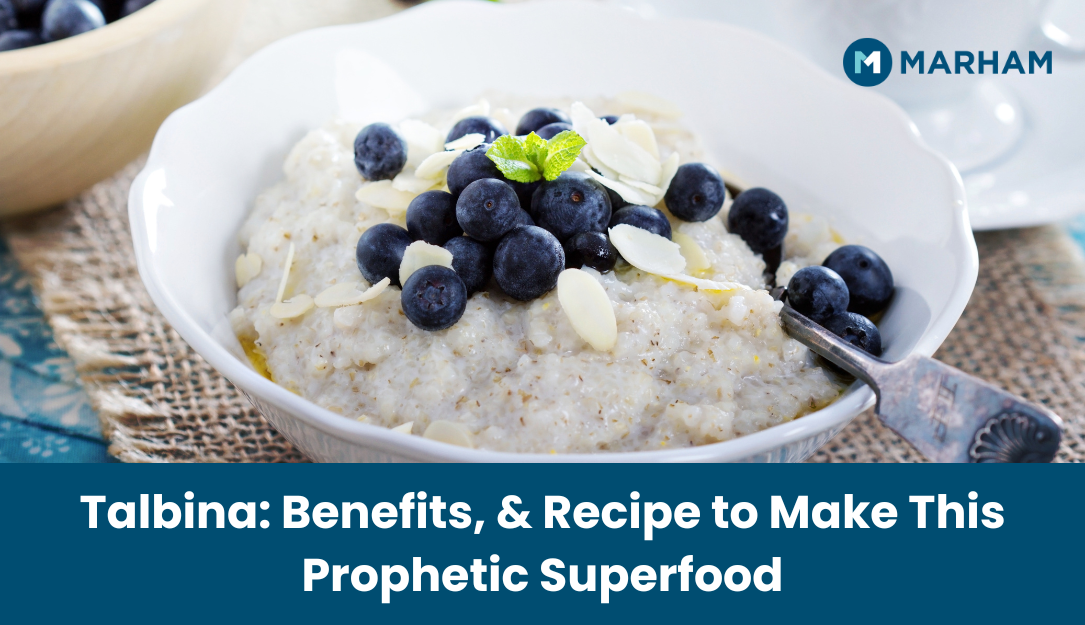
Are you looking for a natural remedy to improve your mood, boost your energy, and strengthen your overall health? Talbina, a healing food recommended by Prophet Muhammad (peace be upon him) over 1,400 years ago.
Talbina is a simple yet powerful porridge made from barley flour, milk, and honey. Despite its humble ingredients, this traditional food offers remarkable health benefits that modern science is now confirming. From relieving depression and anxiety to improving heart health and digestion, talbina is truly a superfood. Prophet Muhammad (peace be upon him) recommended talbina for sick people and those grieving, calling it a source of comfort and healing for the heart.
In this blog, we will explore everything you need to know about talbina, including its benefits, how to make it step-by-step, its uses for various health conditions, and where to find ingredients in Pakistan.
What is Talbina?
Talbina is a smooth, creamy porridge made primarily from barley flour (or whole barley), cooked with milk or water, and sweetened with honey. It has a consistency similar to oatmeal or haleem and is usually consumed warm.
Talbina in Islamic Tradition
Talbina holds a special place in Islamic tradition. Several authentic hadiths mention its benefits:
The Prophet Muhammad (peace be upon him) said: “Talbina soothes the heart of the sick person and relieves some of his grief.” (Sahih Bukhari)
Hazrat Aisha (may Allah be pleased with her) used to recommend talbina to sick people and those who had lost loved ones, saying it brought comfort and strength.
Talbina Ingredients
Barley (Jau in Urdu) – The primary ingredient
Milk or water – For cooking
Honey – For natural sweetness and additional benefits
Optional additions include dates, cinnamon, cardamom, or nuts for extra nutrition and flavor.

Talbina Benefits
Talbina offers numerous health benefits backed by both Islamic tradition and modern nutritional science.
1. Relieves Depression and Anxiety
One of the most profound benefits mentioned in the hadith is talbina’s ability to soothe the heart and relieve grief. Modern science supports this:
- Barley contains amino acids that help produce serotonin
- Rich in B vitamins that support mental health
- Magnesium content helps reduce anxiety
- Provides comfort food effect
Many people report feeling calmer and more emotionally balanced after regularly consuming talbina.
2. Improves Digestive Health
Barley is excellent for digestion because it:
- Contains high fiber (both soluble and insoluble)
- Relieves constipation naturally
- Soothes stomach inflammation
- Supports healthy gut bacteria
- Helps with irritable bowel syndrome (IBS)
The smooth texture of talbina makes it easy to digest, perfect for sick people or those with sensitive stomachs.
3. Boosts Energy and Strength
Talbina provides sustained energy through:
- Complex carbohydrates from barley
- Protein from milk
- Natural sugars from honey
This makes it ideal for:
- Recovery from illness
- Postpartum mothers
- Growing children
- Athletes and active individuals
4. Supports Heart Health
Barley is one of the best grains for cardiovascular health:
- Lowers cholesterol
- Regulates blood pressure
- Reduces inflammation in blood vessels
- Prevents heart disease
Studies show that regular barley consumption significantly reduces the risk of heart problems.
5. Controls Blood Sugar
Despite containing carbohydrates, talbina has a low glycemic index due to barley’s fiber content. This means it:
- Prevents blood sugar spikes
- Improves insulin sensitivity
- Helps manage diabetes
- Provides steady energy without crashes
6. Aids Weight Management
Talbina can support weight loss by:
- Keeping you full longer
- Reducing appetite and cravings
- Providing nutrition without excessive calories
- Boosting metabolism
7. Strengthens Immunity
The nutrients in talbina boost immune function:
- Selenium
- Zinc
- Vitamins
- Beta-glucans
8. Promotes Healthy Skin
Barley contains antioxidants and minerals that:
- Improve skin texture
- Fight signs of aging
- Reduce inflammation and acne
- Promote skin healing
9. Benefits for Women
Talbina is especially beneficial for women:
- Postpartum recovery
- Lactation support
- Menstrual health
- Hormonal balance
10. Supports Bone Health
The calcium, magnesium, and phosphorus in talbina strengthen bones and prevent osteoporosis.
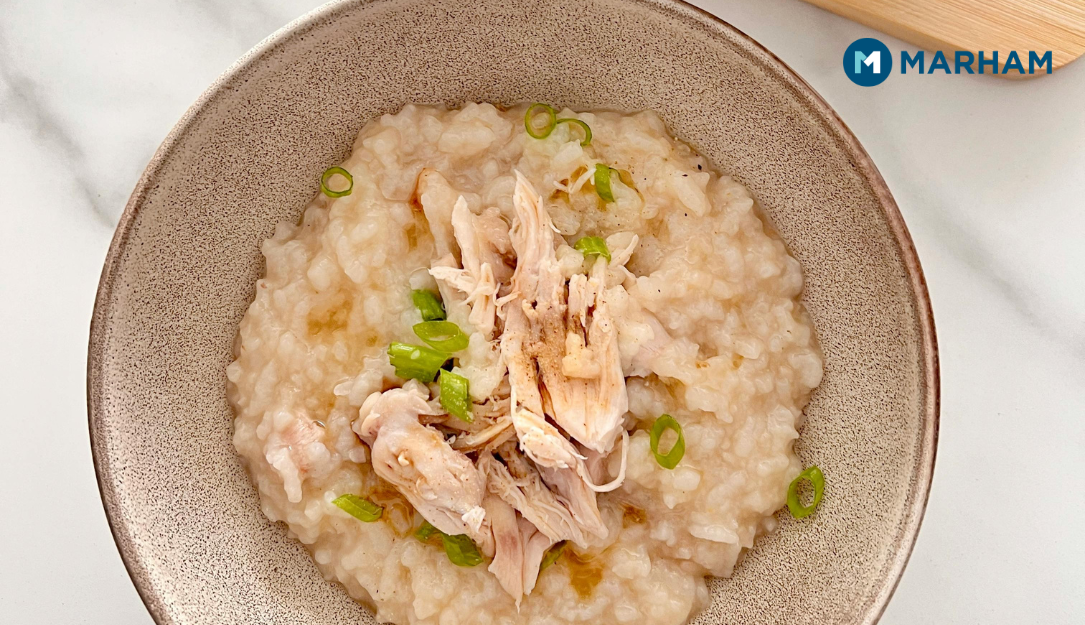
How to Make Talbina
Making talbina is simple and requires minimal ingredients.
Basic Talbina Recipe
Ingredients:
- 2-3 tablespoons barley flour
- 1-2 cups milk (or water)
- 1-2 tablespoons honey
- Optional: dates, cinnamon, cardamom
Instructions:
Step 1: If using whole barley, grind it into a fine powder using a blender or food processor.
Step 2: In a pot, add the barley flour and milk (or water).
Step 3: Stir continuously over medium heat to prevent lumps.
Step 4: Keep stirring and cooking for 10-15 minutes until it thickens to a porridge consistency.
Step 5: Remove from heat and let it cool slightly.
Step 6: Add honey and stir well.
Step 7: Optionally add dates, cinnamon, or cardamom for extra flavor.
Step 8: Serve warm.
Variations
Talbina with Dates:
Add 3-4 chopped dates while cooking for natural sweetness and extra fiber.
Talbina with Nuts:
Top with crushed almonds, walnuts, or pistachios for added nutrition.
Savory Talbina:
Skip the honey and add a pinch of salt and black pepper for a savory version.
Thick vs Thin:
Adjust milk quantity for desired consistency – more milk for thinner, less for thicker porridge.
Talbina Price in Pakistan
Making talbina at home is extremely affordable compared to buying ready-made health foods. Here is a detailed cost breakdown:
Barley (Jau) Price
- Whole barley grain: PKR 150 to PKR 300 per kilogram
- Organic barley: PKR 300 to PKR 500 per kilogram
- Barley flour (ready-made): PKR 200 to PKR 400 per kilogram
- Pre-ground barley powder: PKR 250 to PKR 500 per kilogram
Other Ingredients
- Milk (1 liter): PKR 200 to PKR 300
- Honey (500g): PKR 800 to PKR 1,500
- Dates (250g): PKR 200 to PKR 400
Cost Per Serving
- One serving of talbina (using 2-3 tablespoons of barley) costs approximately:
- Basic talbina: PKR 30 to PKR 50 per serving
- With honey and dates: PKR 50 to PKR 80 per serving
This makes talbina one of the most affordable and nutritious health foods available.
Nutritional Value of Talbina
A typical serving of talbina (made with milk and honey) provides:
- Calories: 150-200 (depending on portions)
- Protein: 5-8 grams
- Fiber: 4-6 grams
- Carbohydrates: 25-35 grams
- Fat: 2-4 grams
- Vitamins: B vitamins, especially B1, B3, B6
- Minerals: Iron, magnesium, selenium, zinc
Side Effects and Precautions
Talbina is generally safe for most people, but there are some considerations.
Possible Side Effects
- Digestive upset
- Allergic reactions
- Gluten content
Who Should Be Cautious
- People with celiac disease or gluten intolerance
- Those on diabetes medication
- People with kidney problems
Important Tips
- Start with small portions if you are not used to high-fiber foods
- Drink plenty of water to support fiber digestion
- Use fresh ingredients for best results
- Consume warm for maximum benefit and comfort
Talbina vs Oatmeal
Both are healthy porridges, but there are differences:
Talbina (Barley):
- Recommended in Prophetic medicine
- Lower glycemic index
- Higher in fiber
- Better for cholesterol
- Slightly nuttier taste
Oatmeal (Oats):
- More commonly available
- Quicker to cook
- Milder taste
- Also very healthy
Both are excellent choices; talbina has the added spiritual significance.
The Bottom Line
Talbina is a blessed food that combines the wisdom of Prophetic medicine with sound nutritional science. This simple yet powerful porridge offers comfort for the heart, healing for the body, and nourishment for the soul.
You are recovering from illness, dealing with grief, seeking better mental health, or simply wanting to eat wholesome, traditional food, talbina is an excellent choice. It is easy to make, affordable, and suitable for the entire family.
If you need personalized dietary advice or medical consultation, you can easily connect with the best nutritionist. Call Marham at 03111222398 for more information.
