


Are you struggling with hair fall, thinning hair, or slow hair growth? You are not alone. Hair loss affects millions of people worldwide, and it can seriously impact your confidence and mental well-being. While there are countless products on the market promising miraculous results, most are loaded with chemicals and come with a hefty price tag.
What if there was a natural, affordable solution that actually works? That is where rosemary oil enters the picture. This powerful essential oil has been used for centuries to promote hair growth, strengthen hair follicles, and improve scalp health. But does it really work, or is it just another trend?
In this comprehensive guide, we will explore everything you need to know about rosemary oil for hair, including its benefits, how to use it properly, and whether it lives up to the hype.
What is Rosemary Oil?
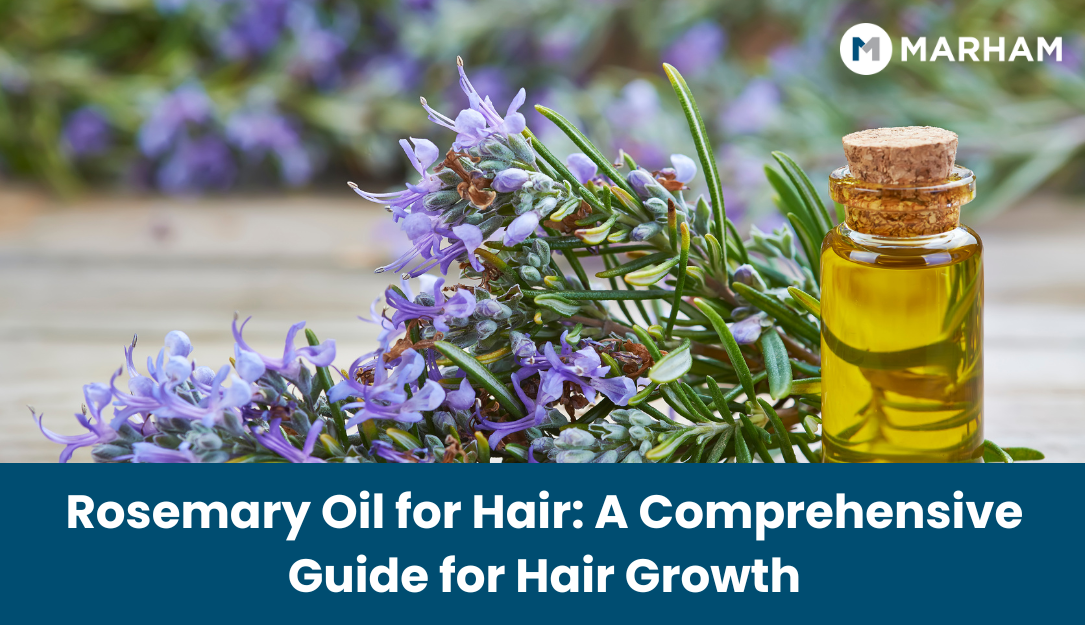
Rosemary oil is an essential oil extracted from the leaves of the rosemary plant (Rosmarinus officinalis). This herb has been used in traditional medicine for thousands of years, particularly in Mediterranean cultures. The oil is obtained through steam distillation and contains powerful compounds like cineole, camphor, and alpha-pinene.
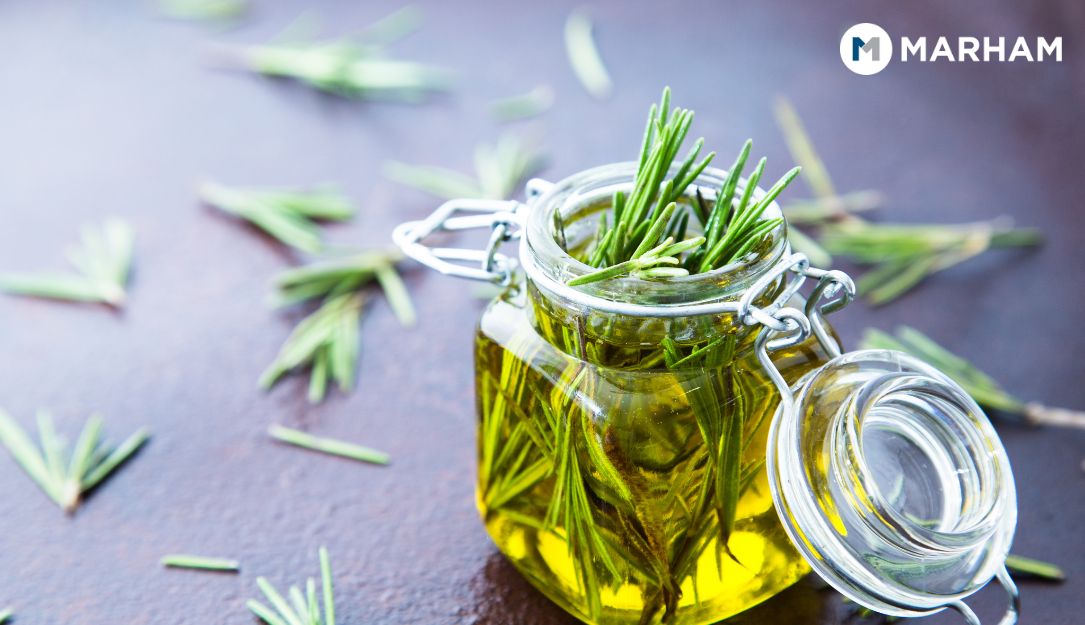
Rosemary essential oil is different from rosemary-infused oil. Essential oil is highly concentrated and must be diluted before use, while infused oil is made by soaking rosemary leaves in a carrier oil. Both have benefits, but essential oils are more potent and effective for hair growth.
Do you know that rosemary oil is not just for hair? It is also used for improving memory, reducing stress, relieving pain, and boosting the immune system. However, its hair growth properties have made it especially popular in recent years.
Rosemary Oil Benefits for Hair
Why is everyone talking about rosemary oil for hair growth? The answer lies in its unique composition and how it affects your scalp and hair follicles.
Promotes Hair Growth
The most significant benefit of rosemary oil is its ability to stimulate hair growth. According to a study published in 2015, rosemary oil was found to be as effective as minoxidil (a popular hair growth medication) in treating hair loss. The study showed that after six months of use, both groups experienced similar improvements in hair count and thickness.
Rosemary oil works by improving blood circulation to the scalp. Better circulation means more oxygen and nutrients reach your hair follicles, which encourages them to grow stronger and healthier hair.
Reduces Hair Fall
If you notice excessive hair on your pillow, in the shower drain, or on your brush, rosemary oil can help. It strengthens hair roots and prevents premature hair shedding. The antioxidants in rosemary oil protect hair follicles from damage caused by free radicals and environmental stressors.
Treats Dandruff and Scalp Issues
An unhealthy scalp cannot support healthy hair growth. Rosemary oil has antimicrobial and anti-inflammatory properties that help fight dandruff, itchiness, and scalp infections. It balances oil production on the scalp, preventing both dryness and excessive oiliness.
Prevents Premature Graying
Some studies suggest that rosemary oil can slow down premature graying by improving circulation and delivering essential nutrients to hair follicles. While it may not reverse gray hair, it can prevent further pigment loss when used consistently.
Improves Hair Texture and Shine
Regular use of rosemary oil makes hair softer, shinier, and more manageable. It smooths the hair cuticle, reduces frizz, and adds a natural luster to dull, lifeless hair.
Treats Alopecia and Pattern Baldness
Androgenetic alopecia, commonly known as male or female pattern baldness, is a hereditary condition that affects millions. Rosemary oil has shown promise in treating this condition by blocking DHT (dihydrotestosterone), a hormone that shrinks hair follicles and causes hair loss.
Rosemary Oil for Hair Growth: Does It Really Work?
The science backs it up. In the 2015 study mentioned earlier, participants who used rosemary oil experienced significant hair regrowth after six months of consistent use.
Rosemary oil is not a quick fix. You will not see results overnight or even after a week. It takes time for hair follicles to respond to treatment and for new hair to grow. Most people start noticing improvements after 3 to 6 months of regular use.
Another important factor is proper application. Simply applying rosemary oil once or twice will not give you results. You need to incorporate it into your hair care routine and use it correctly.

How to Use Rosemary Oil for Hair
Using rosemary oil is simple, but there are a few important guidelines to follow to ensure safety and effectiveness.
Step 1: Dilute the Oil
Never apply pure rosemary essential oil directly to your scalp. Essential oils are highly concentrated and can irritate, burning, or allergic reactions if used undiluted. Always dilute rosemary oil with a carrier oil before use.
Step 2: Choose a Carrier Oil
Carrier oils help dilute the essential oil and provide additional nourishment to your hair and scalp. Popular carrier oils for hair include:
Coconut oil: Penetrates the hair shaft and prevents protein loss
Jojoba oil: Mimics the natural oils of your scalp
Olive oil: Rich in antioxidants and moisturizing properties
Argan oil: Adds shine and reduces frizz
Castor oil: Promotes hair thickness and growth
Step 3: Mix and Apply
Mix 3 to 5 drops of rosemary essential oil with 1 tablespoon of carrier oil. Gently massage the mixture into your scalp using your fingertips in circular motions. Make sure to cover the entire scalp, focusing on areas with thinning hair or bald spots.
Step 4: Leave It On
For best results, leave the oil on your scalp for at least 30 minutes to 1 hour. You can also leave it overnight for deeper penetration. Cover your hair with a shower cap to avoid staining your pillow.
Step 5: Wash It Out
Wash your hair with a mild shampoo to remove the oil. You may need to shampoo twice to ensure all the oil is removed. Follow up with a conditioner if needed.
How Often Should You Use Rosemary Oil?
For effective results, use rosemary oil 2 to 3 times a week. Overuse can lead to product buildup on the scalp, which can clog hair follicles and have the opposite effect.
How to Dilute Rosemary Oil for Hair
Dilution is crucial when using rosemary essential oil. The standard dilution ratio is:
For adults: 3 to 5 drops of rosemary oil per 1 tablespoon (15 ml) of carrier oil
For sensitive scalp: 1 to 2 drops per tablespoon
If you are new to essential oils, start with a lower concentration and gradually increase it as your scalp adjusts. Always perform a patch test before using rosemary oil on your scalp. Apply a small amount of the diluted oil on your inner arm and wait 24 hours to check for any allergic reaction.
Rosemary Essential Oil vs Rosemary-Infused Oil
What is the difference between rosemary essential oil and rosemary-infused oil? Here is a quick breakdown:
Rosemary Essential Oil:
- Highly concentrated and extracted through steam distillation
- Must be diluted before use
- More potent and effective for hair growth
- Longer shelf life
Rosemary-Infused Oil:
- Made by soaking rosemary leaves in a carrier oil
- Ready to use without dilution
- Milder and gentler on the scalp
- Shorter shelf life
Both types have benefits, but if you are serious about treating hair loss or promoting significant hair growth, rosemary essential oil is the better choice. For further guidance and details, ask a dermatologist.

Side Effects and Precautions
Rosemary oil is generally safe for most people when used correctly, but there are a few precautions to keep in mind:
- Never use undiluted rosemary oil on your scalp or skin
- Avoid contact with the eyes. If oil gets in your eyes, rinse immediately with water
- Pregnant and breastfeeding women should consult a doctor before use
- People with epilepsy or high blood pressure should avoid rosemary oil, as it may trigger seizures or raise blood pressure
- Allergic reactions are rare but possible. Always do a patch test first
If you experience any irritation, redness, or discomfort after using rosemary oil, discontinue use immediately and wash the area with water.
Other Ways to Use Rosemary Oil for Hair
Besides direct scalp massage, there are other ways to incorporate rosemary oil into your hair care routine:
Add to Shampoo: Mix 2 to 3 drops of rosemary oil into your regular shampoo for an extra boost.
Rosemary Oil Hair Rinse: Add 5 to 10 drops of rosemary oil to a cup of water and use it as a final rinse after shampooing.
Rosemary Oil Spray: Mix rosemary oil with water in a spray bottle and spritz it on your scalp daily.
Rosemary Oil Hair Mask: Combine rosemary oil with yogurt, honey, or aloe vera gel for a nourishing hair mask.
The Bottom Line
Rosemary oil is one of the most effective natural remedies for hair growth and scalp health. It is backed by science, affordable, and easy to use. Whether you are dealing with hair loss, thinning hair, dandruff, or dull hair, rosemary oil can be a game-changer in your hair care routine.
The key to success is consistency. Use rosemary oil 2 to 3 times a week, dilute it properly, and be patient. Hair growth takes time, but with regular use, you will start seeing stronger, thicker, and healthier hair within a few months.
If you need personalized guidance on hair care and nutrition, you can easily connect with the best dermatologist or nutritionist in Pakistan through Marham. Call 03111222398 for more information.
